Two Easy Ways to Start Earning Rewards!
Become a member today! Members-only pricing and offers, personalized care notifications, Vital Care points back on every purchase and more!
 Become a credit card member today!
Earn 2X Pals Rewards points at Petco
when you use Petco Pay!APPLY NOWLearn More About Petco Pay Benefits
API Reptile Skin & Eye Care
Get It Today


Related Articles & Questions
- Food & Nutrition
Optimal Reptile Diet: Feed Your Pet for Peak Health & Vitality
Do you have questions about what to feed a reptile? Petco has the answers! Visit us to learn about reptile dietary needs.
Updated on November 13th, 2025
- New Pet
How to Safely Handle Reptiles: Stop Salmonella, Protect Your Family
Read more about our recommendations for preventing the transmission of infectious diseases in reptiles. Keep pets safe with these best practices.
Updated on November 13th, 2025
- New Pet
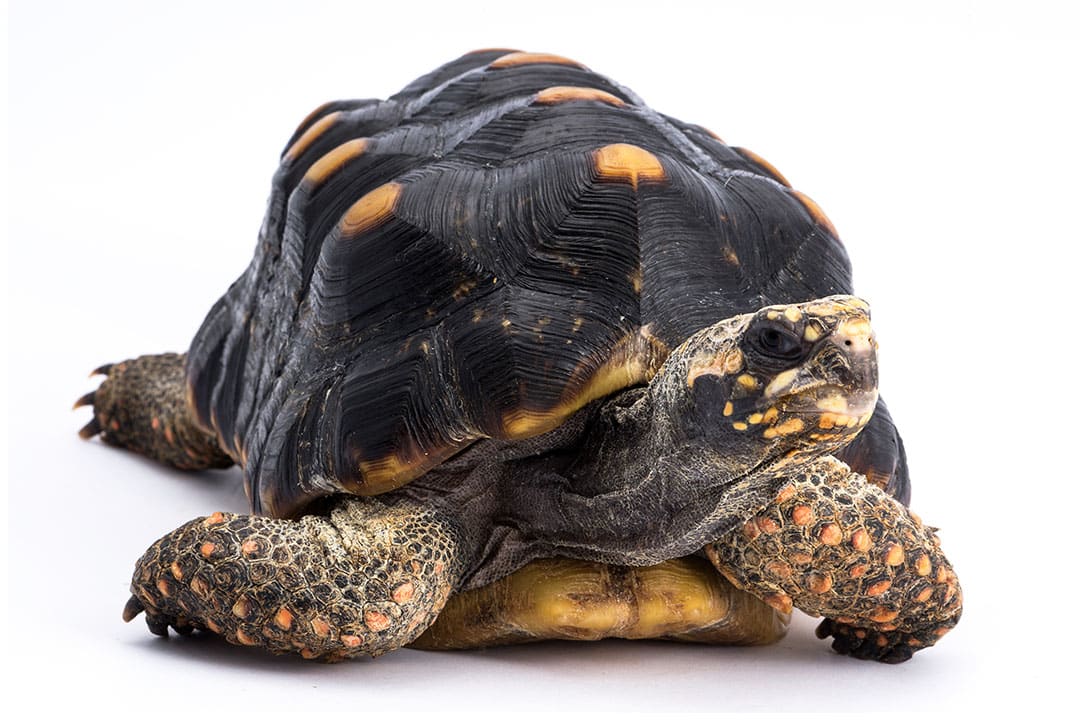
Pet Tortoise Care: Essential Guide to Food, Habitat & Health
Learn how to care for tropical tortoise, recommended diet & habitat setup. Find the right food, supplies & equipment at your neighborhood Petco.
Updated on November 13th, 2025
- New Pet
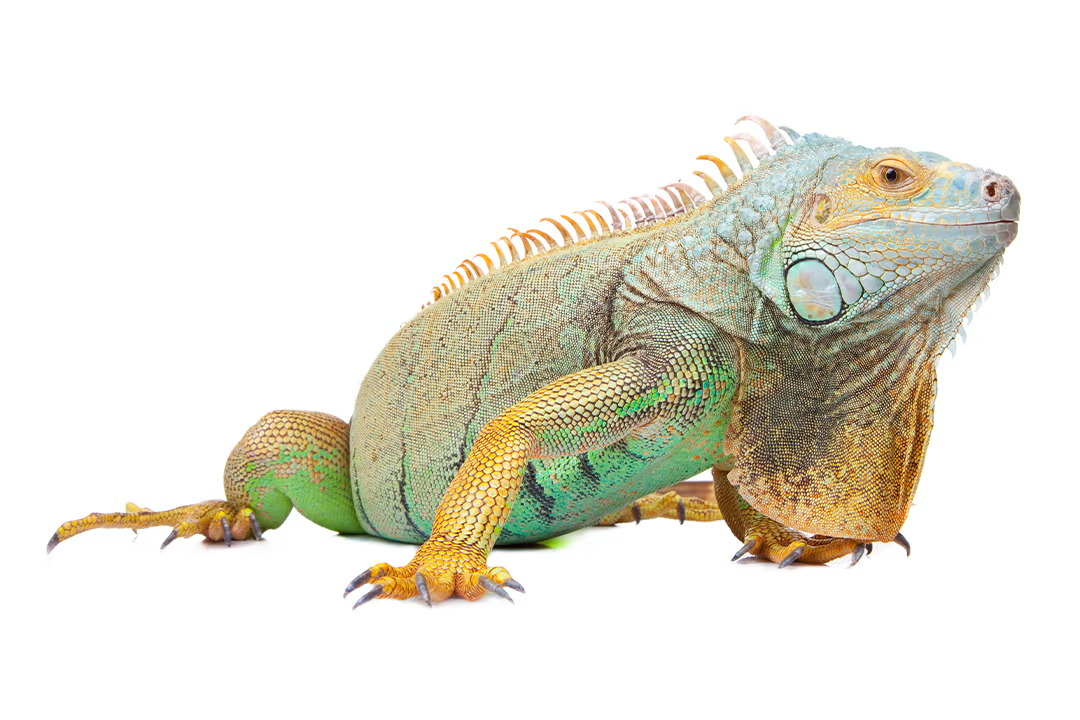
Green Iguana Care: The Ultimate Guide to Food, Habitat & Health
Learn how to take care of your Tropical Iguanas, recommended diet and housing setup. Find the right food, supplies and equipment at your neighborhood Petco.
Updated on November 13th, 2025
- New Pet
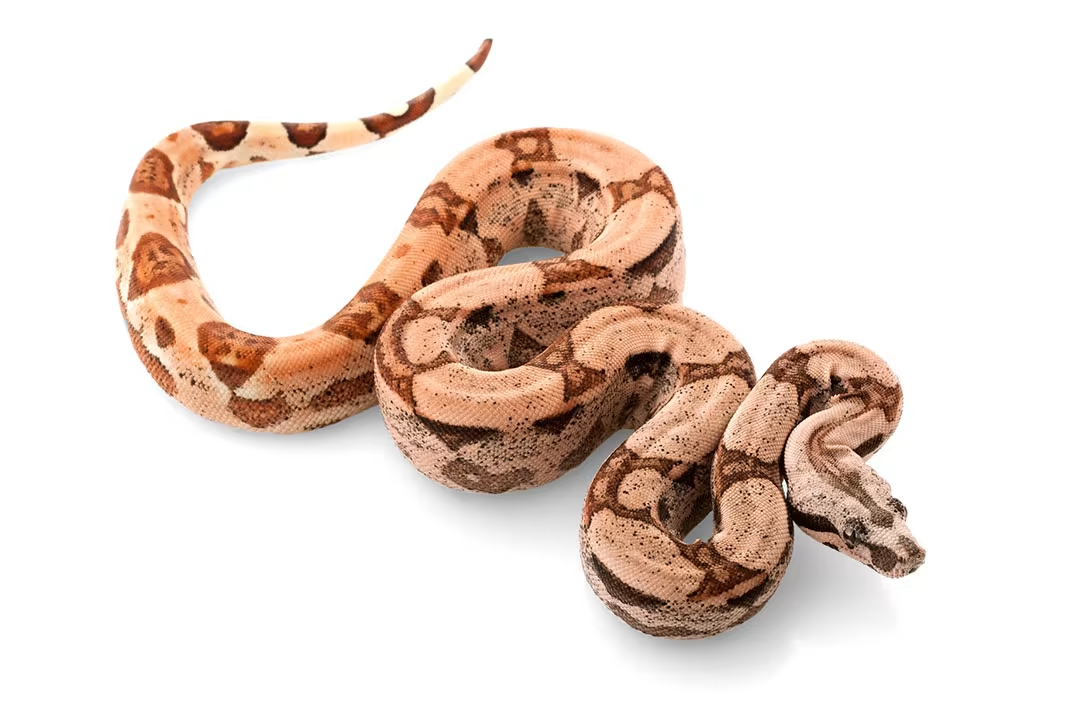
Boa Constrictor Care: The Ultimate Food, Habitat & Health Guide
Learn how to care for Boas, recommended diet & habitat setup. Find the right food, supplies & equipment at your neighborhood Petco.
Updated on November 13th, 2025
- Health & Wellbeing
hi, my pet turtle is about 2 inches in size. it is a red eared slider. it is inactive since 3 days. it always stays on stone closing its eyes, even if i disturb it.it is struggling to open eyes.please help me by suggesting any medicine to make it ac
Check the water temperature and ambient temperature. Low temps can affect appetite and activity in reptiles. Keep the water between 24 C and 30 C. A basking spot out of the water should be 29 C to 31 C. UVB lighting should also be provided. Maintain water quality to prevent infections and feed an appropriate diet with vitamin and mineral supplementation. A vitamin A deficiency can cause swelling of the eyes. Repti-Turtle Eye Drops (by Zoo Med) can be used to help the eyes. Find it online or in the local pet store. Soak the little guy in a 50/50 mix of warm water and an electrolyte replacement beverage to maintain hydration. You can read more about care here: http://www.anapsid.org/reslider.html
Updated on August 12th, 2025
- Health & Wellbeing
What is the best way to treat reptiles mites?
You must treat both the environment and the pet. You can try some over the counter products but many can be ineffective if the environment is not treated concurrently. Ivermectin can be dispensed by your veterinarian to use systemically or topically. Do not treat with ivermectin without the advice of your veterinarian as it is quite easy to overdose. A 30 minute soak in a diluted Betadine bath can remove most mites and may soothe irritated skin. Remove the substrate, bag it and take it outdoors. Clean and sanitize the cage, bowls and tank furniture. You can use hot, soapy water followed by a 1:30 dilution of bleach and water followed by a thorough rinsing on the tank, bowls and non porous surfaces. Discard anything that cannot be sanitized. You may need to clean and sanitize the enclosure weekly for several weeks. The pet may need multiple treatments as well.
Updated on August 12th, 2025
- Health & Wellbeing
My boa just finished shedding but it looks like part of her eye came off with the skin. It almost looks like her lens is exposed, like her cornea might have come off, but there is still some clear goo surrounding her eye. Is this normal?
She may have had a retained eye cap that came off and caused injury to her cornea. This can happen during difficult sheds. Only an experienced herp vet or veterinary ophthalmologist can make this diagnosis after a close and thorough eye exam. Lilith should be examined as soon as you can get an appointment. Keep the eye clear of debris by rinsing with plain saline several times daily until you see a veterinarian.
Updated on August 12th, 2025
- Health & Wellbeing
For eye infection in turtle is it the regular eye drop that is used or separate eye drop made for turtle is required
Depending on the underlying cause of the infection ''standard'' antibiotic eye drops can be used, but always on prescription by your veterinarian (do not use human products). Please do not hesitate to contact us again on the forum or by requesting a consultation if you have any more questions or to discuss it any further.
Updated on August 12th, 2025
- Health & Wellbeing
He isnt eating well and hasnt had the appetite he used to for a long time also he had some nose rub im wondering what could be wrong if its his enclosure or him being stressed from being close to my chameleon or something i need to take him to the ve
Use a background to block his view. This may prevent glass surfing or nose rubbing as well as provide more privacy/security. Again, check the temps in his enclosure to make sure it is species appropriate. Offer a variety of crickets, mealworms, dubia roaches, silkworms and wax worms. Gut load prey for 24 hours prior to offering. Dust appropriately with vitamins and minerals regularly. He may also benefit from a soak in a warm 50/50 solution of water and unflavored PediaLyte. If his appetite does not return after adjustments to environment and diet, have him examined by your veterinarian or a vet experienced in treating reptiles. Submit a stool sample to diagnose intestinal parasites or bacterial overgrowth.
Updated on August 12th, 2025