

Two Easy Ways to Start Earning Rewards!
Become a member today! Members-only pricing and offers, personalized care notifications, Vital Care points back on every purchase and more!
 Become a credit card member today!
Earn 2X Pals Rewards points at Petco
when you use Petco Pay!APPLY NOWLearn More About Petco Pay Benefits
Brown's Finch & Canary Treats
Get It Today


Related Articles & Questions
- New Pet
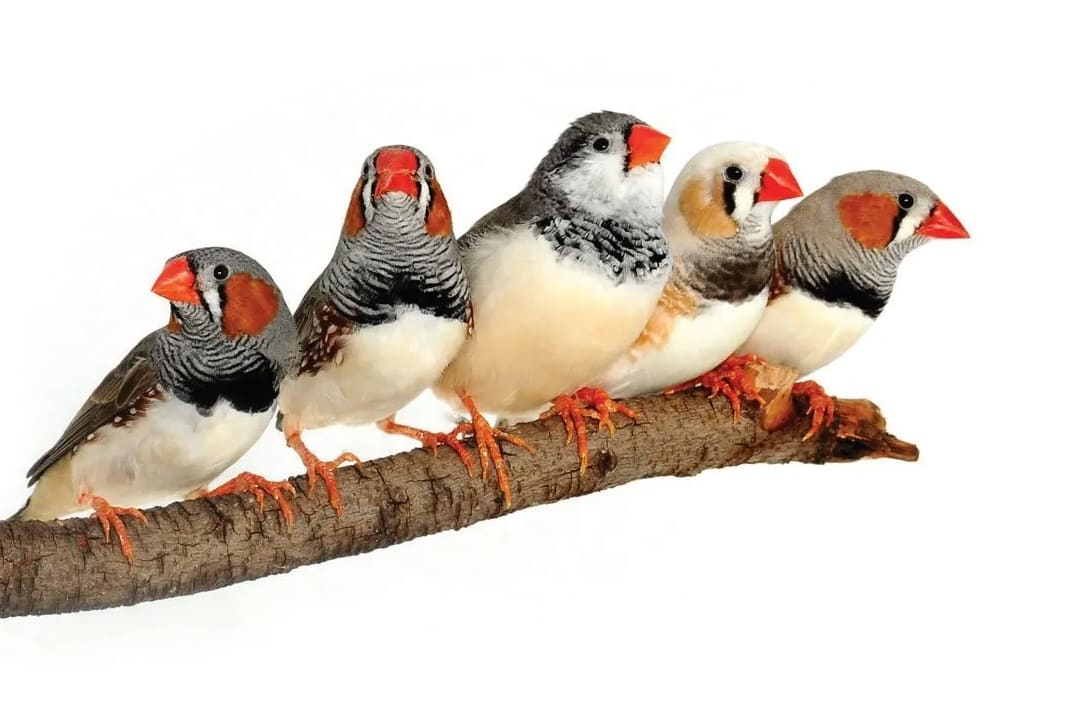
New Finch Owner: Master Finch Care for Food, Habitat & Health
Learn how to take care of your pet Finches, recommended cage size, diet & housing setup. Find the right food, supplies & equipment at your local Petco.
Updated on October 23rd, 2025
- Food & Nutrition
Bird Food & Diet: What to Feed & Avoid for Your Bird's Best Health
Learn some quick tips for getting your fussy bird to eat full and varied diet that could include birdseed, fruits and vegetables.
Updated on October 23rd, 2025
- New Pet
How to Groom Your Bird: Feathers, Nails & Wings for a Healthy Pet
Read more to learn some basics of bird grooming that include bathing, nail trimming, and wing clipping.
Updated on October 23rd, 2025
- New Pet
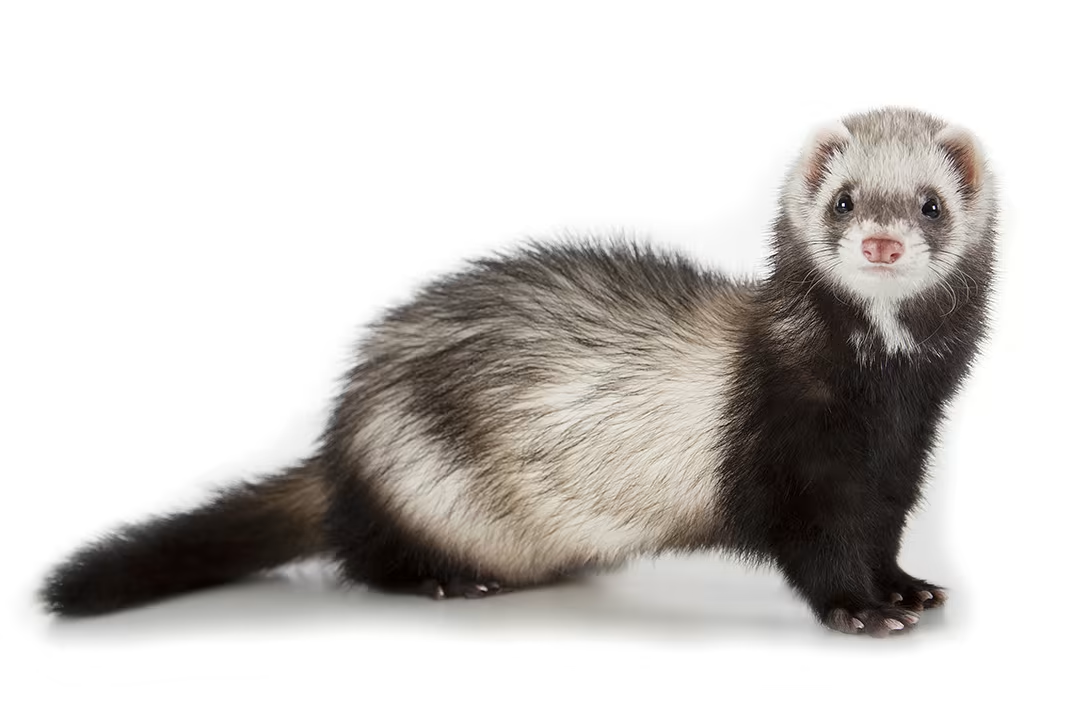
Ultimate Ferret Care: Food, Habitat, Health & Behavior Guide
Learn how to care for a Ferret, recommended diet and habitat setup. Find the right food, supplies and equipment at your neighborhood Petco.
Updated on December 21st, 2025
- Training & Behavior
What's Your Parrot Saying? Decode Their Body Language Signals
Parrots and other birds use body language to communicate contentment, excitement, greetings, anger, distress warnings, illness, and territorial defense.
Updated on October 23rd, 2025
- Food & Nutrition
So the bird food had a lot of mouse droplets in it even in the bag I didn't expect it at all and now as you see in the picture they are waiting for their food I have to go get some but that will take some time how long can they without food i can giv
If the food is full of mouse droppings it is best to purchase new food ASAP. While treats can be given, they are not a balanced diet, and a new food should be purchased and given as soon as possible to avoid any illness or GI upset. In the future, placing their food in an airtight storage container made from plastic can help prevent rodents from getting to it.
Updated on September 24th, 2025
- Health & Wellbeing
Good day. I recent switch my graniverous birds from seeds to pellets sporophila angolensis. Since the switch 3 months ago my birds have really dropped in their singing. To me some even look a little depressed lol. Any advice. I will say though some h
Thanks for reaching out about your finches. It is great that you have switched your birds over to pellets and that you are seeing such great results! For finches, I recommend keeping a bit of seeds in the diet - this amount is approximately 10%. This can help to provide some fat in the diet and this can lead to an increase in singing. You can also add greens or other vegetables into the diet as enrichment and supplemental nutrition. The depression portion is a bit concerning, as this should not be caused by diet unless the birds are not eating enough and are losing weight. If this concern continues after the birds have had a bit of seeds, I would recommend a veterinary visit. I hope this gives you a place to start, and thanks for using Boop by Petco.
Updated on September 24th, 2025
- Health & Wellbeing
It is possible we could be taking in my friends two parakeets. Where do I start? I want to know how to care for them properly before possible owning them. Do you have any tips, tricks, must know things?
Parakeets, also called Budgerigars, are small members of the parrot family and they can become good mimics. The average adult size is 7 inches long, head to end of tail. The average life span is between 10 to 20 years with proper care. A well-balanced Parakeet diet consists of: Specialized pellets should make up 60-70% of diet, fresh vegetables and fruits and small amounts of fortified seeds Clean, fresh, filtered, chlorine-free water, changed daily. Do not feed birds: avocado, fruit seeds, chocolate, caffeine or alcohol; it can cause serious medical conditions. Avoid sugar and high fat treats. Things to remember when feeding your Parakeet: Fresh food and water should always be available. Vegetables and fruits not eaten within a few hours should be discarded. Remember, treats should not exceed 10% of total food intake. Housing Parakeets acclimate well to average household temperatures, not to exceed 80°F; be cautious of extreme temperature changes. The habitat should area that is w
Updated on September 24th, 2025
- Health & Wellbeing
my 6-7 week half moon conure is gonna start needing adult food any advice on what kind and brand is the best?
A commercial pelleted diet is most convenient and typically provides more complete nutrition. Recommended brands include Harrison's and LaFeber. A seed mix can be offered as well but limit amounts to prevent obesity. Fresh fruits and vegetables can also be offered. A simple search online will yield lists of acceptable fruits and vegetables.
Updated on September 24th, 2025
- Health & Wellbeing
Hi! If i give my cockatiel millet spray as treat, then what can i hive him for normal foods when he is hungry and in his cage? Thanks for answears
Millet spray makes a great addition to Cheeko's diet, but the main food in the cage should be a good quality seed mix for cockatiels/parakeets. This will contain many different types of seed in a balance to provide appropriate nutrition. I would have this and clean water available at all times. Small pieces of fruit can also be used as treats, and cuttlefish can make good toys to help with calcium balance.
Updated on September 24th, 2025