Two Easy Ways to Start Earning Rewards!
Earn 2X Pals Rewards points at Petco
when you use Petco Pay!
Get It Today
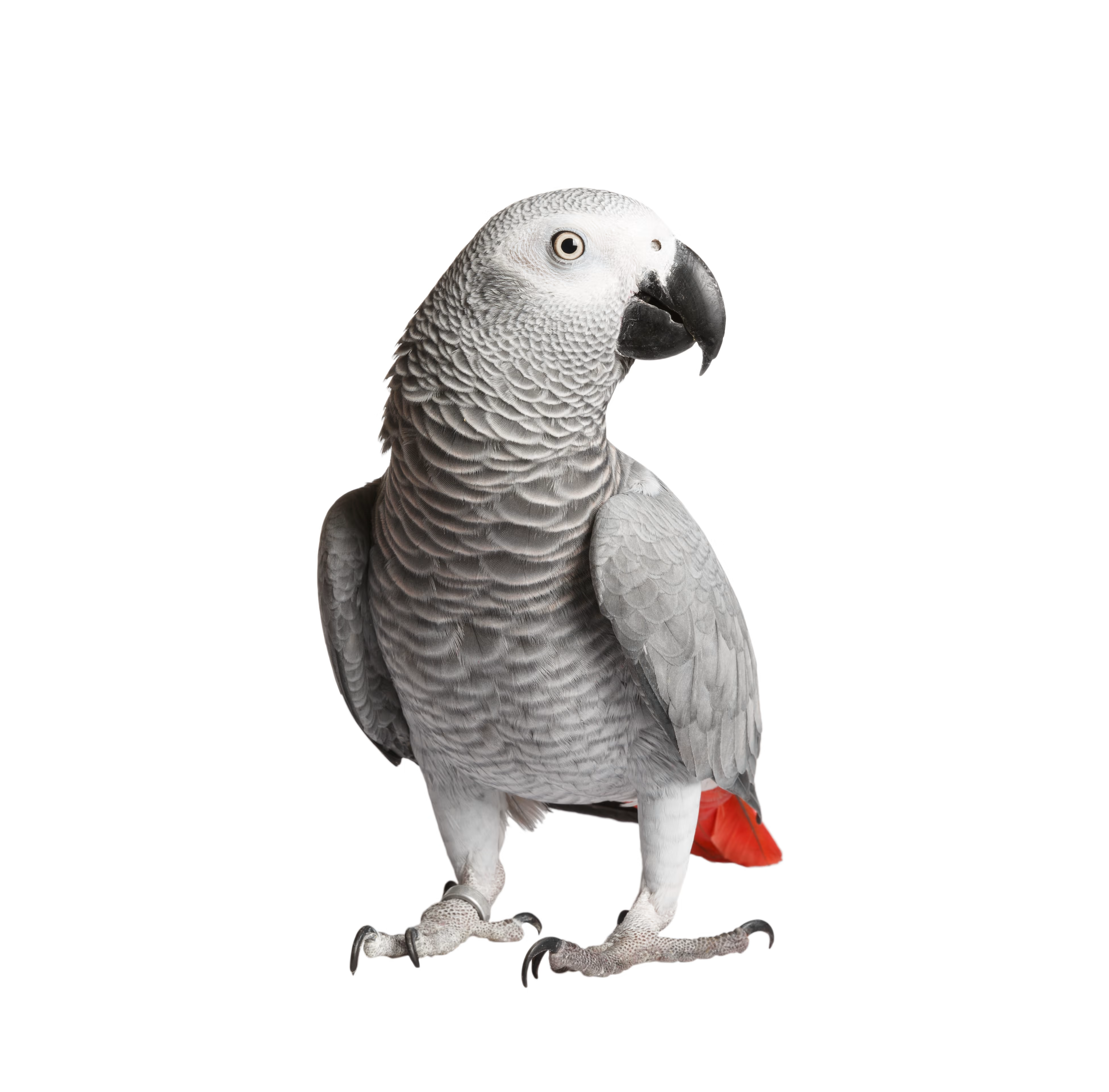
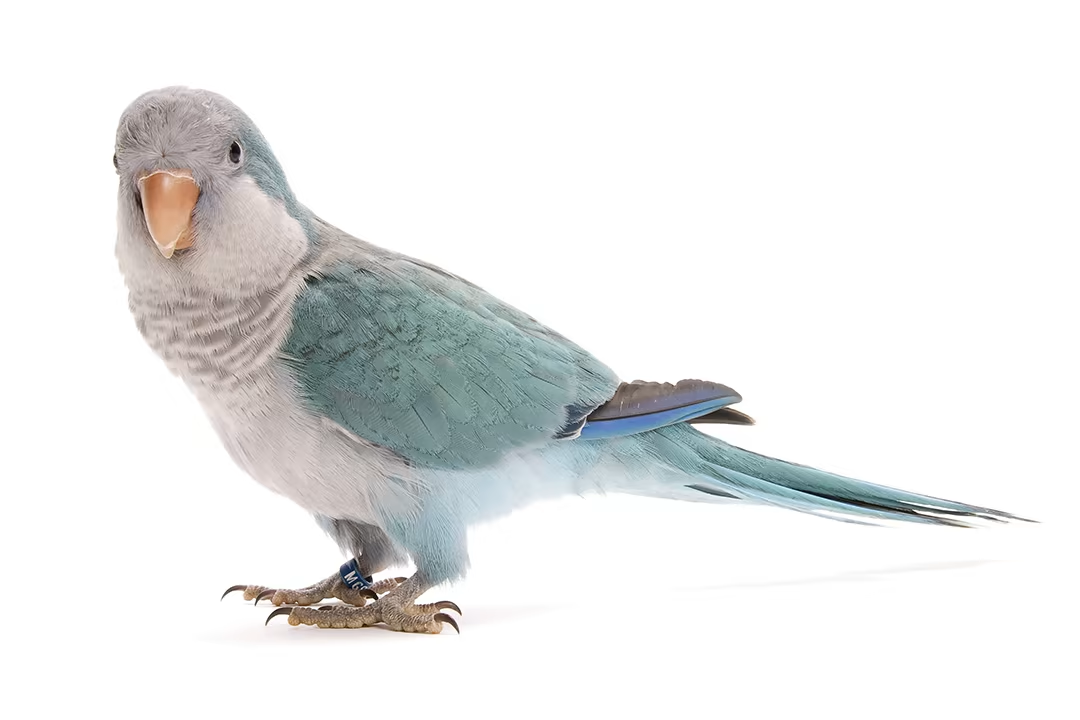
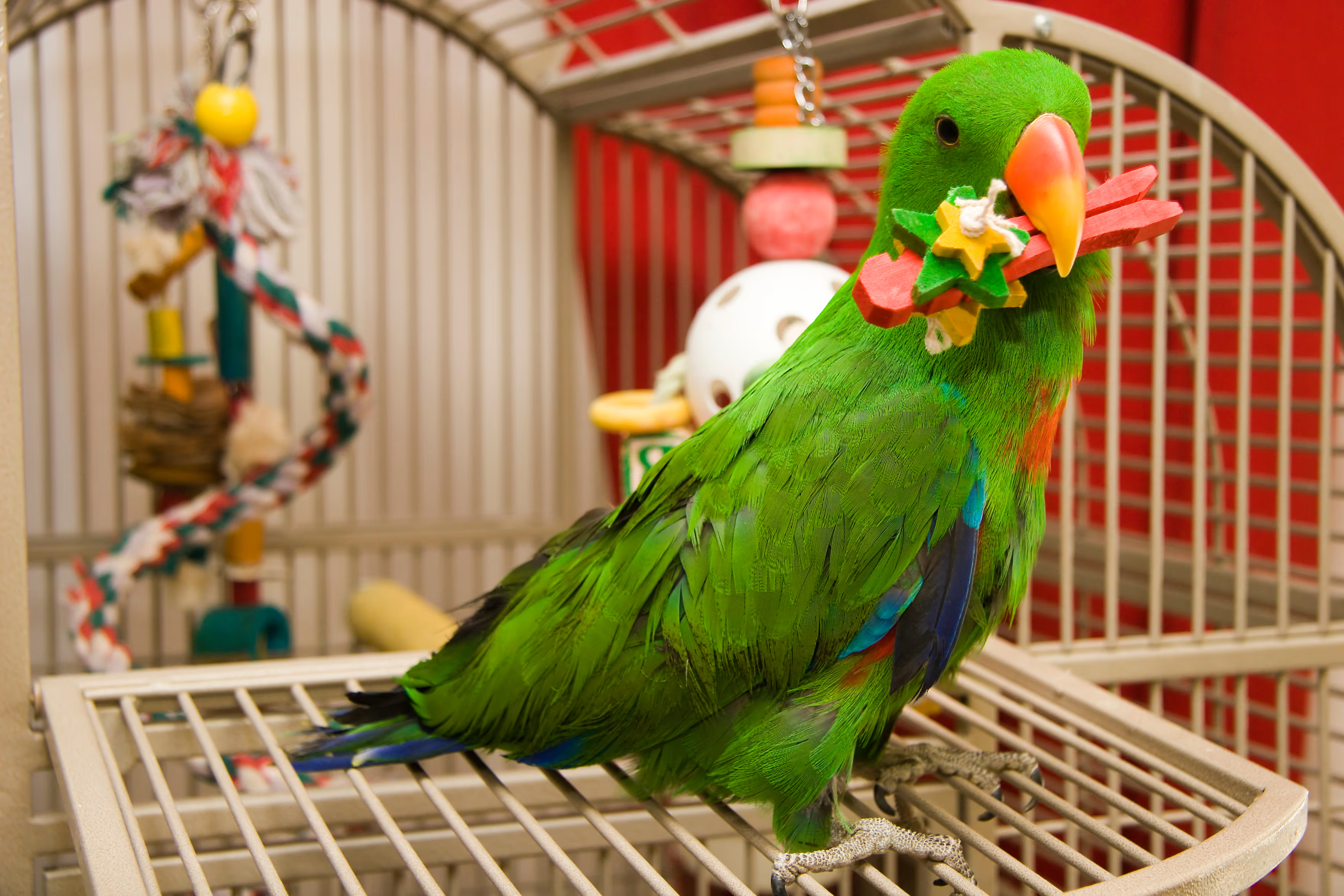
Learn how to take care of large Hookbill, recommended diet and housing setup. Find the right food, supplies and equipment at your neighborhood Petco.
Updated on October 23rd, 2025
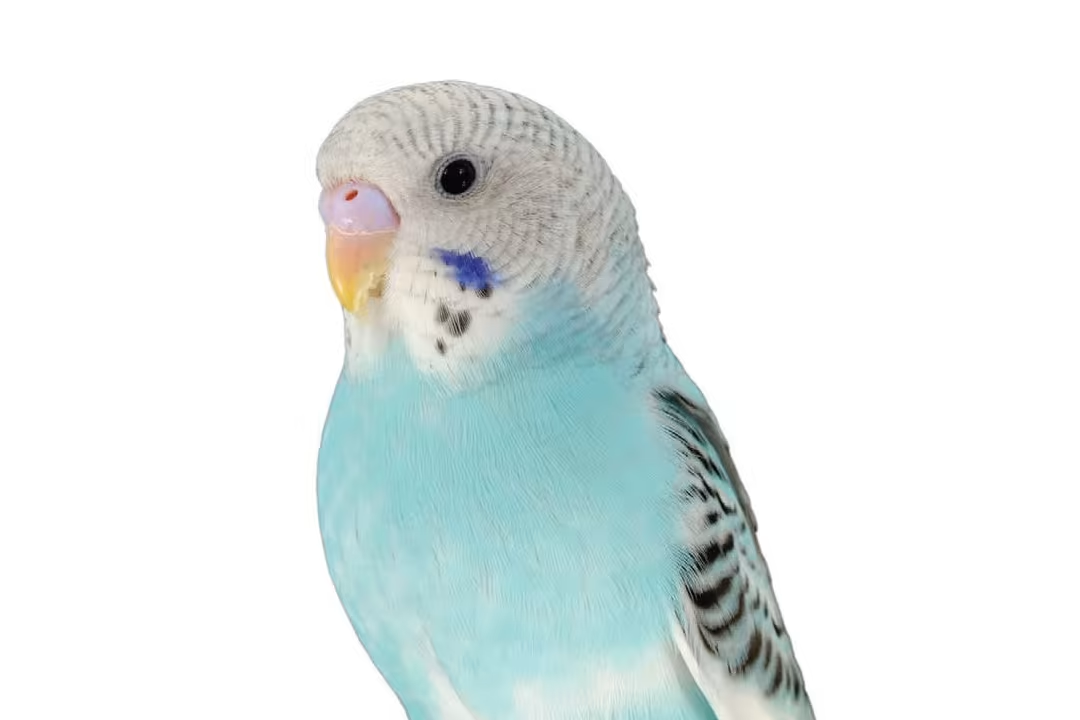
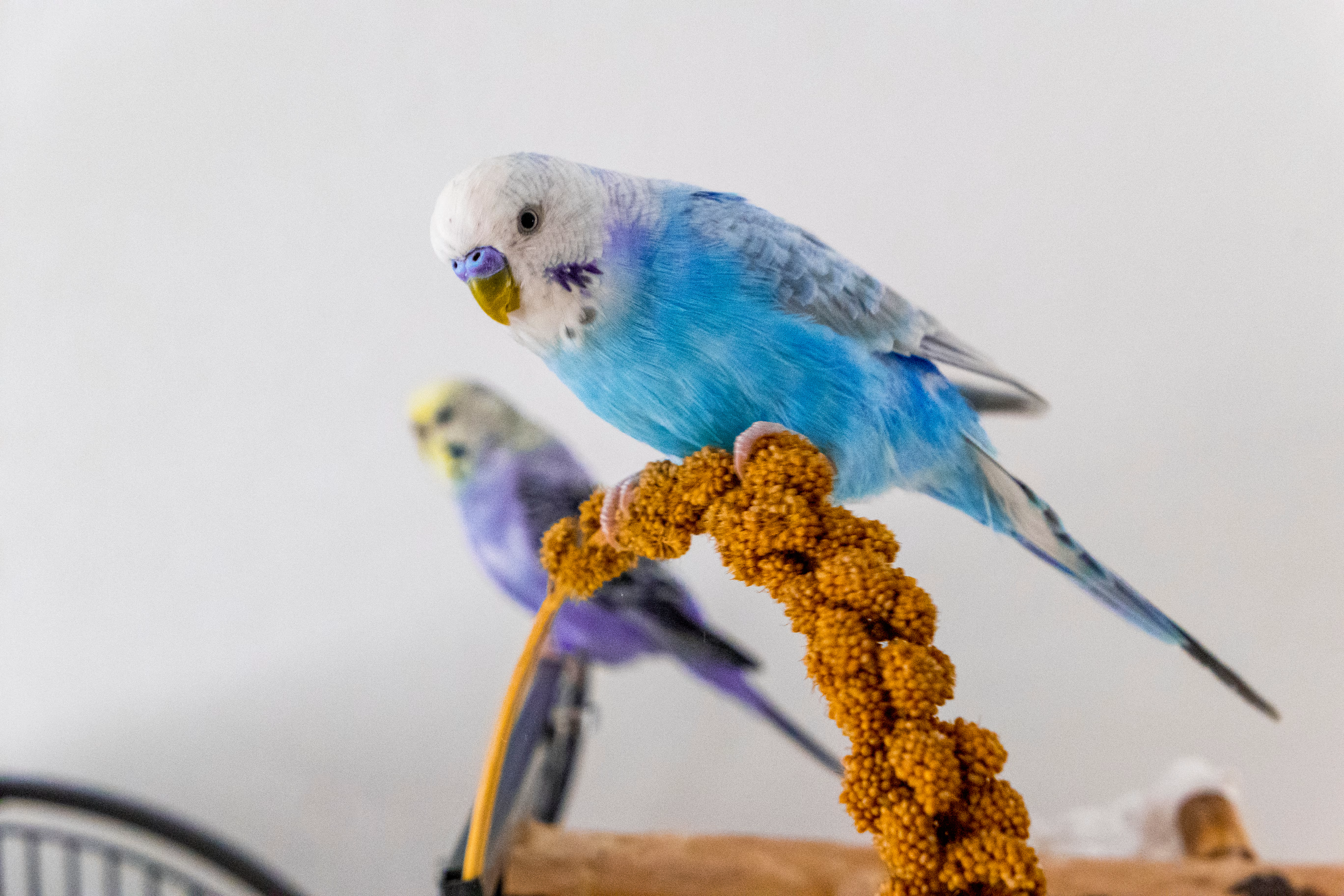
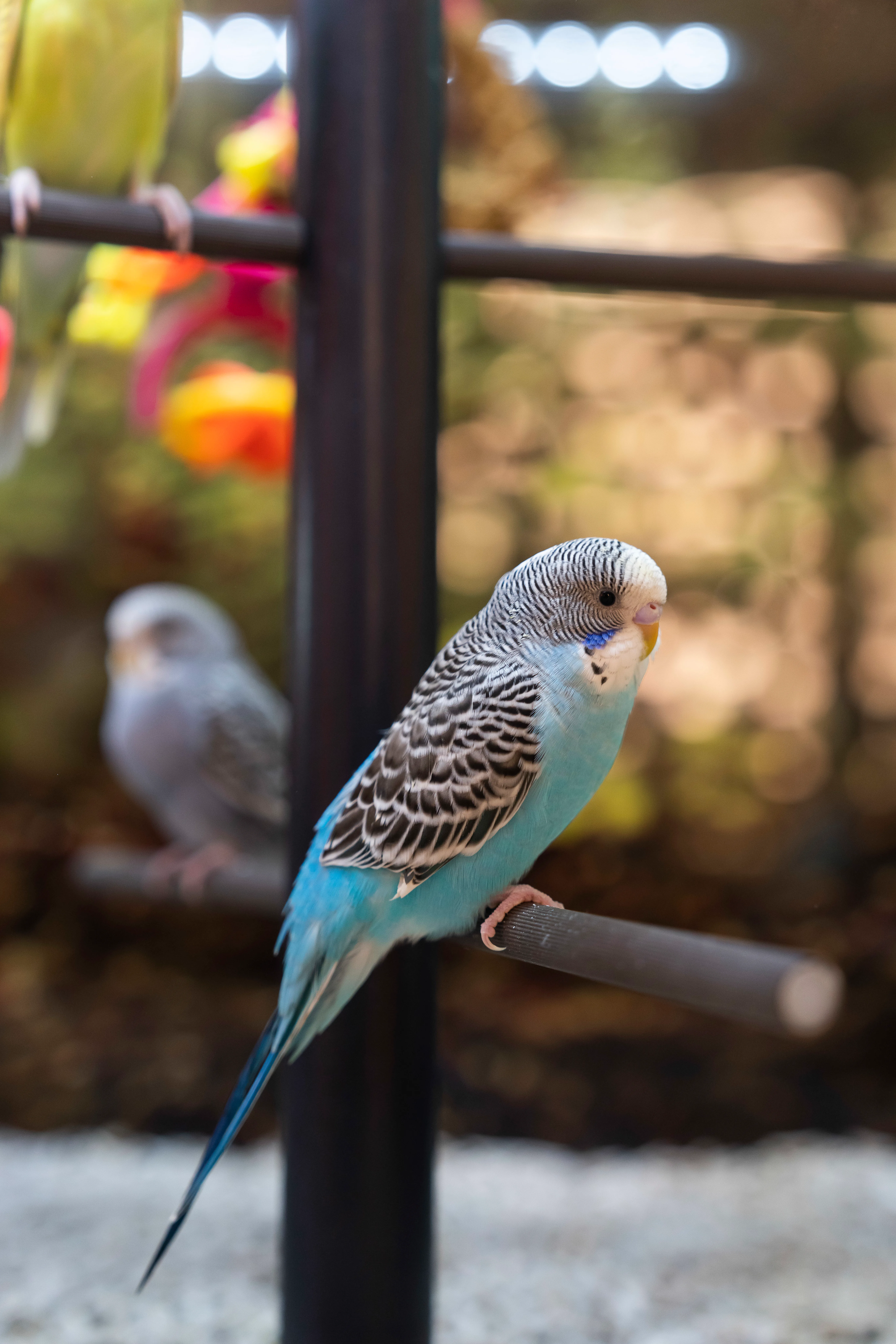
Learn how to care for parakeets (budgies), recommended diet and habitat setup. Find the right food, supplies and equipment at your neighborhood Petco.
Updated on October 23rd, 2025
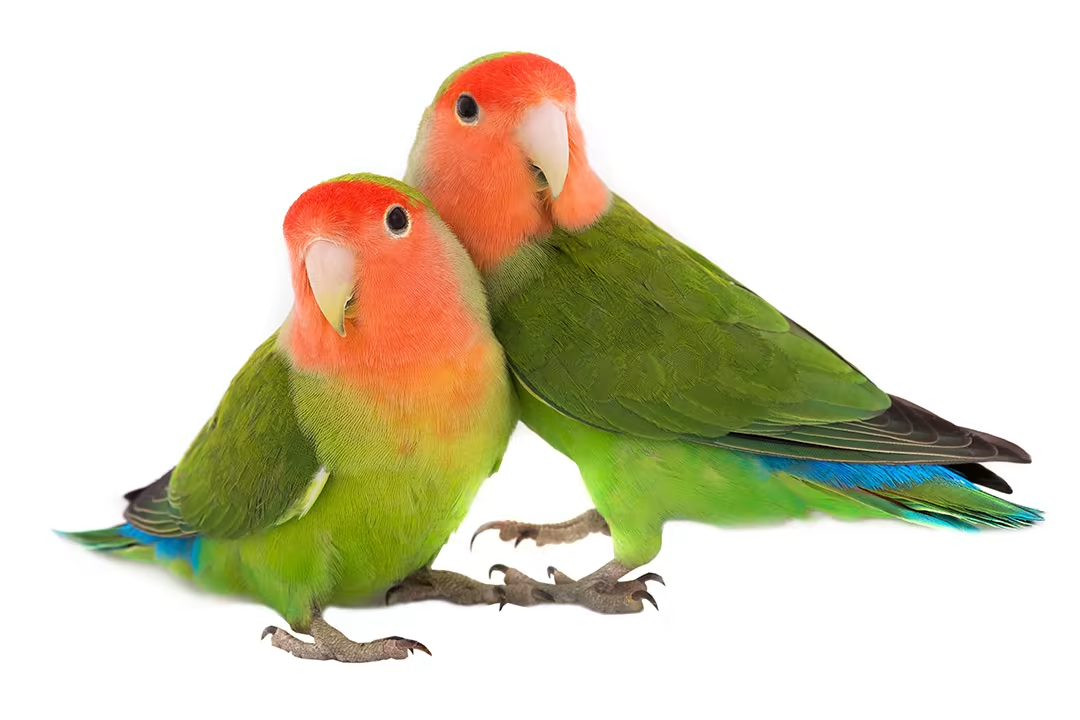
Learn how to take care of your Lovebirds, recommended cage size, diet and housing setup. Find the right food, supplies and equipment at your local Petco.
Updated on October 23rd, 2025
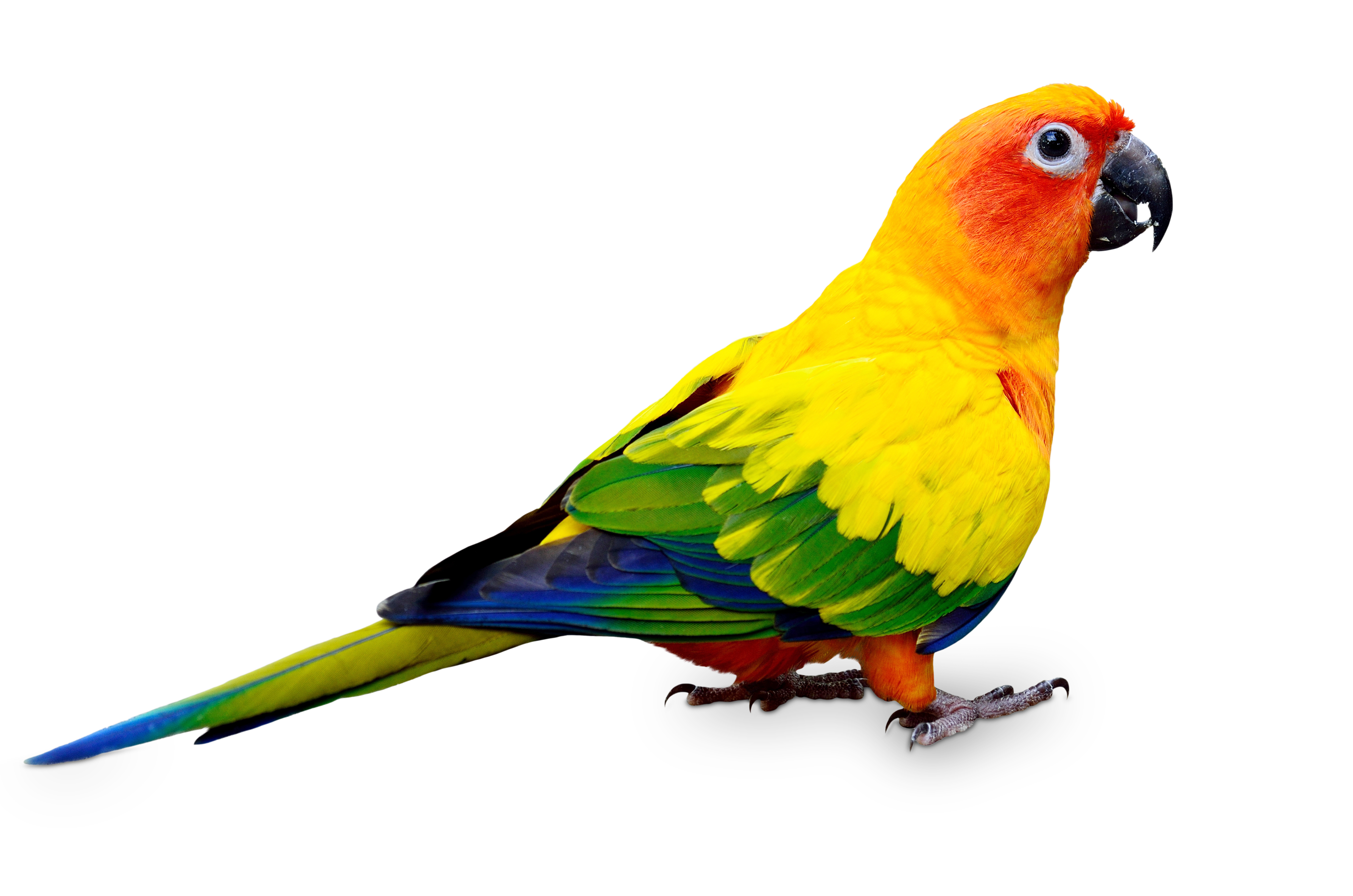
Learn how to take care of Conures, recommended diet and housing setup. Find the right food, supplies and equipment at your neighborhood Petco.
Updated on October 23rd, 2025
Learn how to care for a medium-sized parakeets, recommended diet & bird cage setup. Find the right food, supplies & equipment at your neighborhood Petco.
Updated on October 23rd, 2025
Feed a commercial pelleted diet (Harrison's, Roudybush, Lafeber, Pretty Bird or Exact) supplemented with a small amount of a fortified seed mix, fresh greens and vegetables and cooked foods such as grains, beans and pastas. You can even offer a bit of scrambled eggs, shells included, occasionally.
Updated on September 24th, 2025
Parakeets, also called Budgerigars, are small members of the parrot family and they can become good mimics. The average adult size is 7 inches long, head to end of tail. The average life span is between 10 to 20 years with proper care. A well-balanced Parakeet diet consists of: Specialized pellets should make up 60-70% of diet, fresh vegetables and fruits and small amounts of fortified seeds Clean, fresh, filtered, chlorine-free water, changed daily. Do not feed birds: avocado, fruit seeds, chocolate, caffeine or alcohol; it can cause serious medical conditions. Avoid sugar and high fat treats. Things to remember when feeding your Parakeet: Fresh food and water should always be available. Vegetables and fruits not eaten within a few hours should be discarded. Remember, treats should not exceed 10% of total food intake. Housing Parakeets acclimate well to average household temperatures, not to exceed 80°F; be cautious of extreme temperature changes. The habitat should area that is w
Updated on September 24th, 2025

Harrison's Bird Diet is the best food out there. It is pelleted so there can be some resistance from your bird transitioning to the new diet if he has been on a seed diet, but it is nutritionally complete and very high quality. Toys I find that lovebirds like have been cotton rope toys that they can preen and groom like the feathers of another bird.
Updated on September 24th, 2025
A commercial pelleted diet is balanced, healthy and convenient. They can be found in most pet stores or online. Quality brands include Harrison's, Roudybush, Lafeber and Pretty Bird. You can supplement the diet with a small amount of a fortified seed mix, fresh greens and vegetables, cooked grains/beans/pastas and plain rice. Budgies and other birds also enjoy some scrambled egg occasionally.
Updated on September 24th, 2025
Yes, this could be just a one time thing. I honestly wouldn't be overly worried at this stage. I would just monitor her stools and if this persists I would get her to the vet for an exam and a fecal gram staining. I agree, I would switch her to pellets. I like LaFeber diets and their website has great information on how to switch a bird from seeds to pellets. ( https://lafeber.com/ )
Updated on September 24th, 2025