

Two Easy Ways to Start Earning Rewards!
Become a member today! Members-only pricing and offers, personalized care notifications, Vital Care points back on every purchase and more!
 Become a credit card member today!
Earn 2X Pals Rewards points at Petco
when you use Petco Pay!APPLY NOWLearn More About Petco Pay Benefits
Brown's Small Animal Habitat Accessories
Get It Today


Related Searches
Related Articles & Questions
- New Pet
Backyard Chicken Care: Essential Guide for Happy, Healthy Hens
Learn how to take care of a Chicken, recommended diet and habitat setup. Find the right food, supplies and equipment at your neighborhood Petco.
Updated on October 23rd, 2025
- New Pet
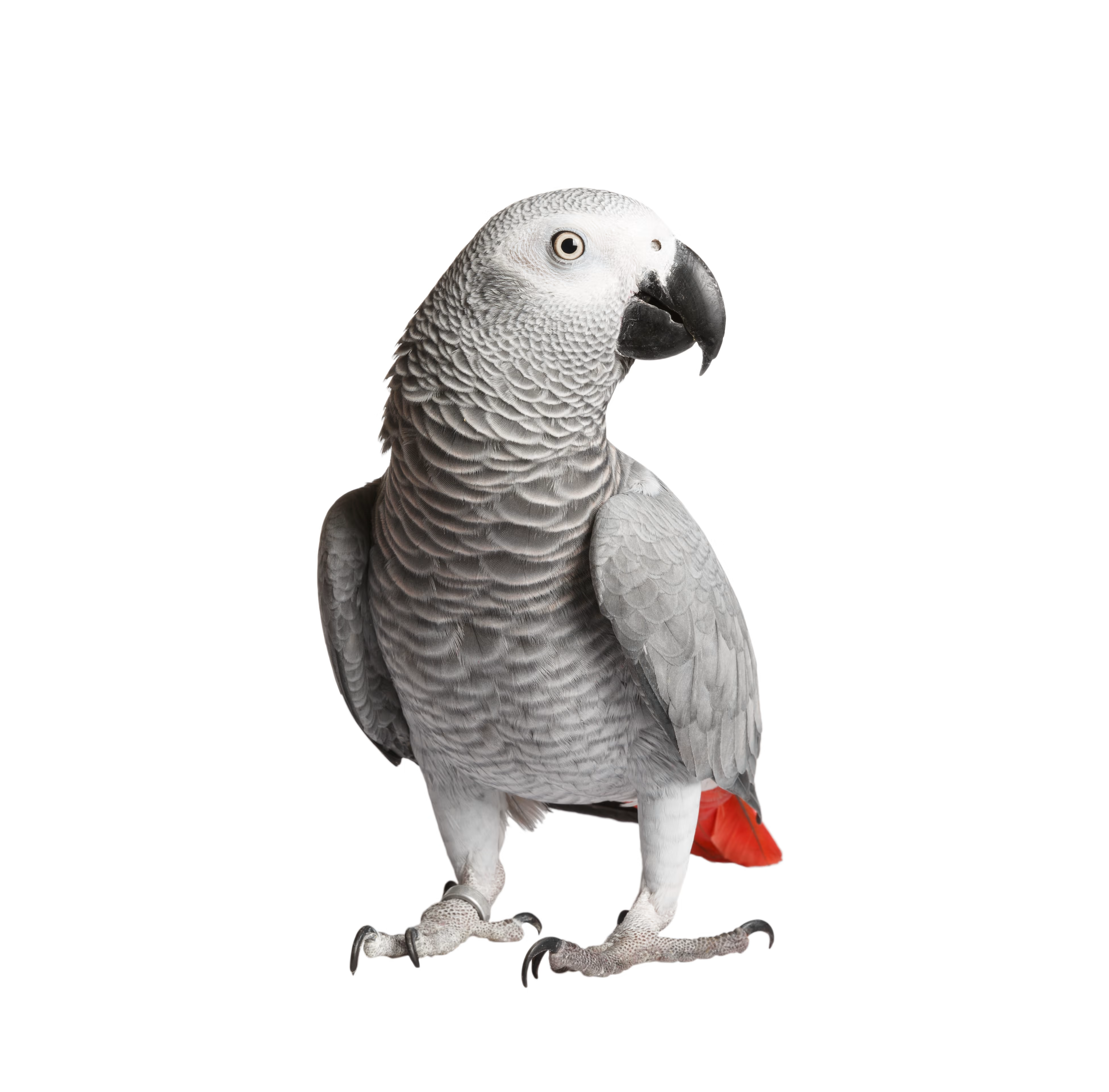
Expert Care for Your Large Hookbill: Food, Habitat, Health & Happiness
Learn how to take care of large Hookbill, recommended diet and housing setup. Find the right food, supplies and equipment at your neighborhood Petco.
Updated on October 23rd, 2025
- New Pet
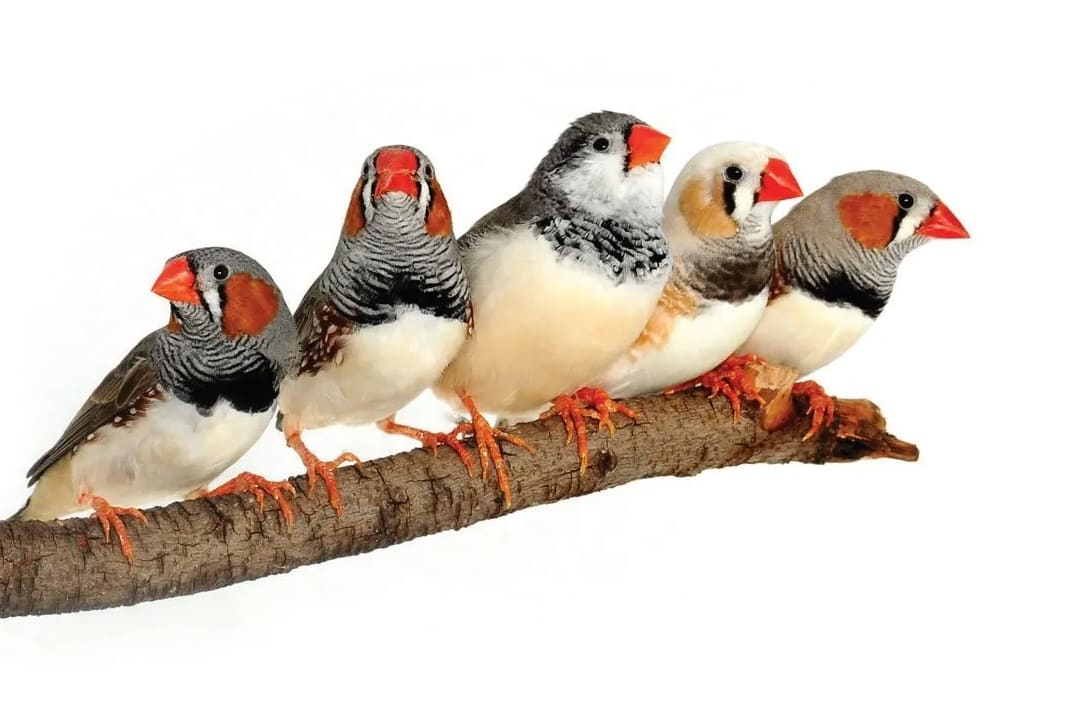
New Finch Owner: Master Finch Care for Food, Habitat & Health
Learn how to take care of your pet Finches, recommended cage size, diet & housing setup. Find the right food, supplies & equipment at your local Petco.
Updated on October 23rd, 2025
- Home & Habitat
How to Choose the Best Litter Box: A Guide for Happy Cats & Kittens
Do you know what to consider when shopping for the best litter box? If not, learn the importance of the size, material, and box types available for your cat.
Updated on October 23rd, 2025
- New Pet
First-Time Chinchilla Owner? Essential Care Guide & Fun Facts
Learn some fun facts about chinchillas, available at Petco. There’s lots to learn about these fun and fascinating pets.
Updated on October 23rd, 2025
- Health & Wellbeing
I plan on getting a winter white dwarf hamster and I was wonder what type of cage would she need I'm only getting 1 hamster and what's the best bedding Brad and food brand? How do you care for them?
Do not use an aquarium tank. A suitably sized (and secure) wire cage with a solid bottom is recommended. HabiTrail and Kaytee have excellent choices for cages. Buy the largest cage you can afford and fit in the chosen space. You can use recycled paper bedding such as CareFresh or Yesterday's News. Aspen shavings or pellets are also acceptable. Do not use pine or cedar shavings as these can be irritating. A commercial diet from Kaytee or VitaKraft can be fed from a ceramic bowl. A ceramic bowl prevents gnawing and tipping. A non chewable water bottle can be hung to provide fresh water daily. Other necessary items include chew toys and an exercise wheel. Find a veterinarian experienced in treating pocket pets and have your new addition examined to confirm good health. Feed, water and exercise daily. Clean the cage weekly. These little guys require very little care and can provide lots of entertainment. Congrats and enjoy!
Updated on September 24th, 2025
- Health & Wellbeing
What is the best bedding for my rabbit
Softwood litters i.e. pine shavings or sawdust newspaper, paper pulp bedding, wood pellets, paper pellets, shredded cardboard, straw and hay all make good bedding. The best is probably a combination of newspaper and hay since you feed hay anyway. Newspaper is also easily cleaned out.
Updated on September 24th, 2025
- Health & Wellbeing
Hello, my name is Sophia, and I’m getting a rabbit! I was wondering what brands of food and hay are recommended, and how often I should trim her claws, and get her teeth done? Also, what size cage is recommended? Thank you for your time!
Oxbow has pellets and timothy hay in their product line. The majority of the diet should be timothy hay or similar grasses. Pellets should be limited to no more than a 1/2 cup daily. Alfalfa should not be offered after 7 months of age. Trim nails every 3-4 weeks if necessary. Your veterinarian can show you how initially. Teeth should be checked monthly. A yearly exam should include a dental exam and teeth trimming if indicated. Symptoms of overgrown teeth include decreased appetite, drooling, pawing at the mouth, swelling or discharge.
Updated on September 24th, 2025
- Health & Wellbeing
I was wondering how do I get my rabbits to poop in her cage again? About 4 months ago we decided to let them out during the night till morning so they can have time out and my other rabbit kept biting her cage so that is one reason why we decided to
Thank you for your question about Hazel. What you’re describing is very common, and often occurs when rabbits are in a larger space. Since rabbits go to the bathroom so often, they will utilize many spaces as a litter box. One thing you can try is to put a litter box in the area where she is going to the bathroom in the play pen. You can put some of the fecal pellets in the litter box as well. For litter, I would recommend using recycled newspaper pelleted litter or recycled paper pulp bedding. Sometimes they will end up laying in their litter boxes - if this occurs, you can provide them with two litter boxes which often helps. I hope that gives you a place to start, and thanks for using Boop by Petco!
Updated on September 24th, 2025
- Health & Wellbeing
for a russian dwarf hamster, 7 weeks old, Dimensions: 13.500 inches H x 20.125 inches W x 33.000 inches L, is this enough ventilation? the holes are at the top of the container, 4"x24"
If the cage is cleaned frequently the ventilation may be adequate however I would be very nervous that the hamster would escape from these open areas. They can be very agile climbers and are escape artists. I would recommend a commercially available cage instead to ensure that your hamster does not escape! Also, even if you place a mesh over the area, if the hamster can get to the corner/edge of the plastic they can easily chew the plastic and escape that way!
Updated on September 24th, 2025