

Two Easy Ways to Start Earning Rewards!
Become a member today! Members-only pricing and offers, personalized care notifications, Vital Care points back on every purchase and more!
 Become a credit card member today!
Earn 2X Pals Rewards points at Petco
when you use Petco Pay!APPLY NOWLearn More About Petco Pay Benefits
CaribSea Reptile Substrate & Bedding

Related Searches
Related Articles & Questions
- Home & Habitat
Reptile UVB Lighting: Help Your Pet Thrive with the Right Lamp
Learn the importance of UVB light for your reptiles and the right reptile lights for your pet’s habitat.
Updated on March 30th, 2026
- New Pet
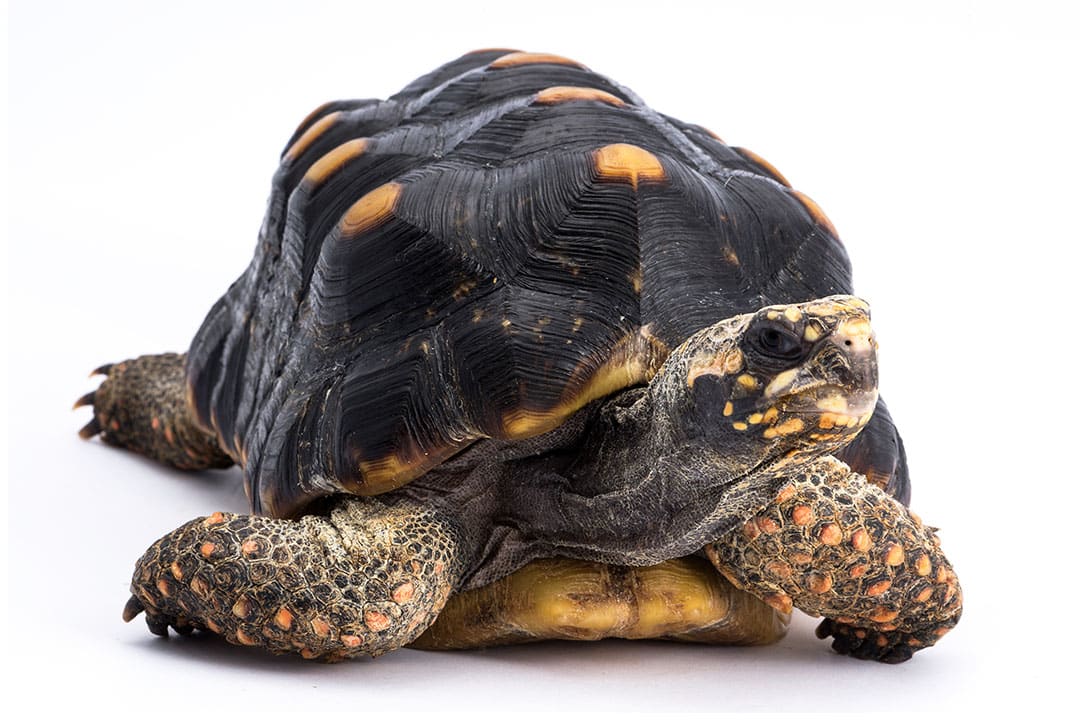
Pet Tortoise Care: Essential Guide to Food, Habitat & Health
Learn how to care for tropical tortoise, recommended diet & habitat setup. Find the right food, supplies & equipment at your neighborhood Petco.
Updated on October 23rd, 2025
- New Pet
Sand Boa Care: The Ultimate Beginner's Guide to Food, Habitat & Health
Learn how to care for a Sand Boa, recommended diet and habitat setup. Find the right food, supplies and equipment at your neighborhood Petco.
Updated on October 23rd, 2025
- Food & Nutrition
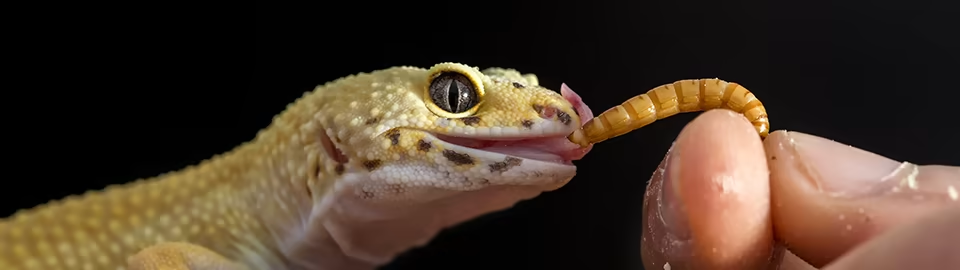
Optimal Reptile Diet: Feed Your Pet for Peak Health & Vitality
Do you have questions about what to feed a reptile? Petco has the answers! Visit us to learn about reptile dietary needs.
Updated on October 23rd, 2025
- New Pet
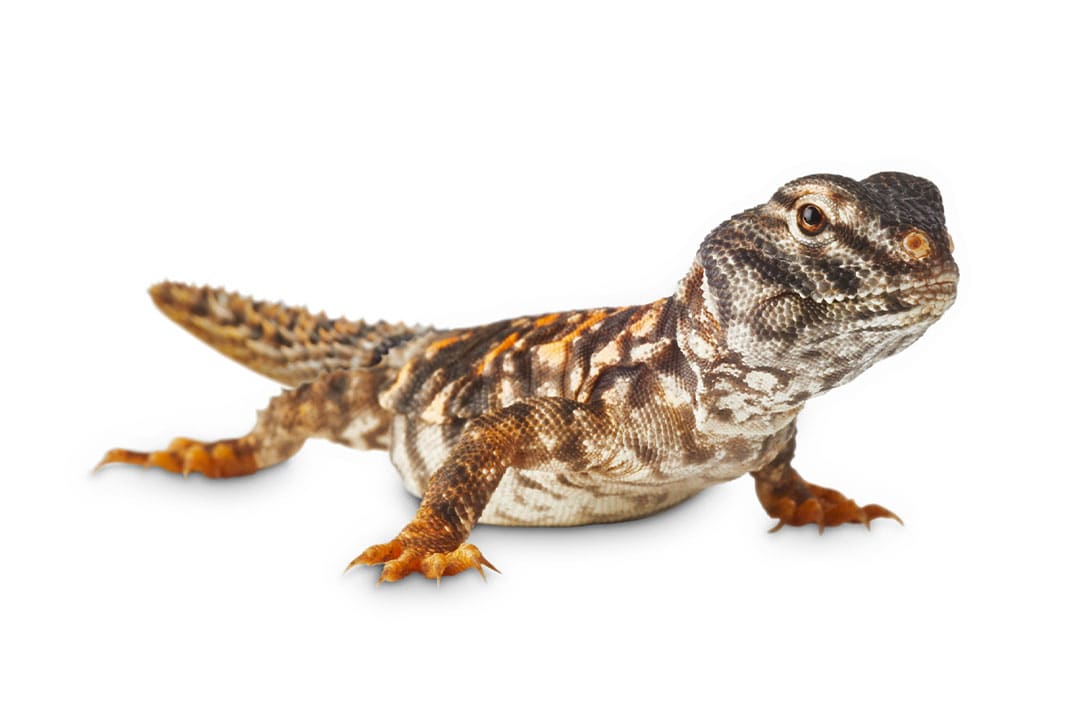
Your Ultimate Guide to Saharan Uromastyx Care: Food, Habitat & Health
Learn how to take care of Saharan Uromastyx, recommended diet and tank setup. Find the right food, supplies and equipment at your neighborhood Petco.
Updated on October 23rd, 2025
- Food & Nutrition
Currently I am using calcium sand. It doesn’t seem to be effecting Ash at all. Should I continue to use the sand or get something else such as eco earth?
Although some expert may disagree, as long as Ash isn't ingesting the calcium sand then you can continue to use it. Calcium sand is not the same as play sand which would not be recommended. If you don't want to use calcium sand, consider slate, reptile carpet or even paper towels for easy cleaning.
Updated on September 24th, 2025
- Health & Wellbeing
Our Anole lizard swallowed a piece of substrate bark today, about the size of his head. Will Eco Earth brand bark digest, or should I be concerned about blockage? He's a beloved family member, and although he is acting fine, I wanted your exper
A small enough piece should pass uneventfully. Monitor for lethargy, loss of appetite or lack of defecation. If necessary, see your veterinarian or an experienced herp vet. Soaking him in a warm 50/50 solution of water and unflavored PediaLyte will keep him well hydrated which can help the substrate pass easier.
Updated on September 24th, 2025
- Health & Wellbeing
I am setting up a new 55 gallon tank never used abstract can u buy now and use late? Would 110 pound be enough to have a three inch bed
An easily remembered rule of thumb is to plan on one pound of substrate per gallon to make a 1 inch bed. Using this formula, a 3 inch bed in a 55 gallon tank would need approximately 165 pounds of substrate. It is always recommended to get extra to have on hand in case you need it for future use. If you can clarify what is meant by "never used abstract can u buy now and use late?" in a new post, that portion can then be addressed.
Updated on September 24th, 2025
- Health & Wellbeing
I recently got some hermit crabs. The nearest pet store to me is an hour away so I made a visit to purchase supplies. But I didn't get as much substrate as I needed, unfortunately. I was planning to go and get more when I had the chance. But I belie
Thank you for reaching out about your hermit crab. If you are able to get the substrate, then yes, I would recommend adding it to the enclosure. This will allow the crabs a more appropriate area to perform their normal molting functions. When you add the substrate, you can try to decrease the amount of disturbance by putting it in an area near where Tamatoa is trying to bury himself. Please do not just pile it on top of him, if possible. That way he can move to the area when or if he is ready. I hope that this gives you a place to start, and good luck with your new family members!
Updated on December 4th, 2025
- Health & Wellbeing
What’s the difference between reptile water conditioner and any other kind of water conditioner life fish
Reptile water conditioner usually contains chemicals such as Water, Dechloraminating Agents, Synthetic Organic Polymers (Colloids), Chelating Agents, Electrolytes. The reptile conditioner usually also has a chemical that binds calcium in the water as well as a slime protecting agent that is good for amphibians and fish. Aquarium water conditioners (for fresh water fish) contains chemicals such as sulfates such as sodium thiosulfate. Thiosulfate is a Redox reducing agent. Either should be ok for reptiles or fish, however I would stick with reptile conditioner for reptile tanks or mixed (reptile and fish) tanks and for aquaria with fish only I would use specific aquarium water conditioner. The main reason to use a water conditioner is to remove chlorine in water. This, however, can also be attained by leaving the aquarium water fresh from the tap sitting over night. The chlorine will dissipate.
Updated on September 24th, 2025