Two Easy Ways to Start Earning Rewards!
Earn 2X Pals Rewards points at Petco
when you use Petco Pay!
Get It Today
Learn how to safely handle your aquatic life to avoid toxin & bacterial exposure. Find aquatic life care supplies at your neighborhood Petco pet care center.
Updated on November 13th, 2025
Although you may not realize it, aquaculture is something that touches our lives on a regular basis. Read more about what exactly aquaculture is, why it is important.
Updated on November 13th, 2025
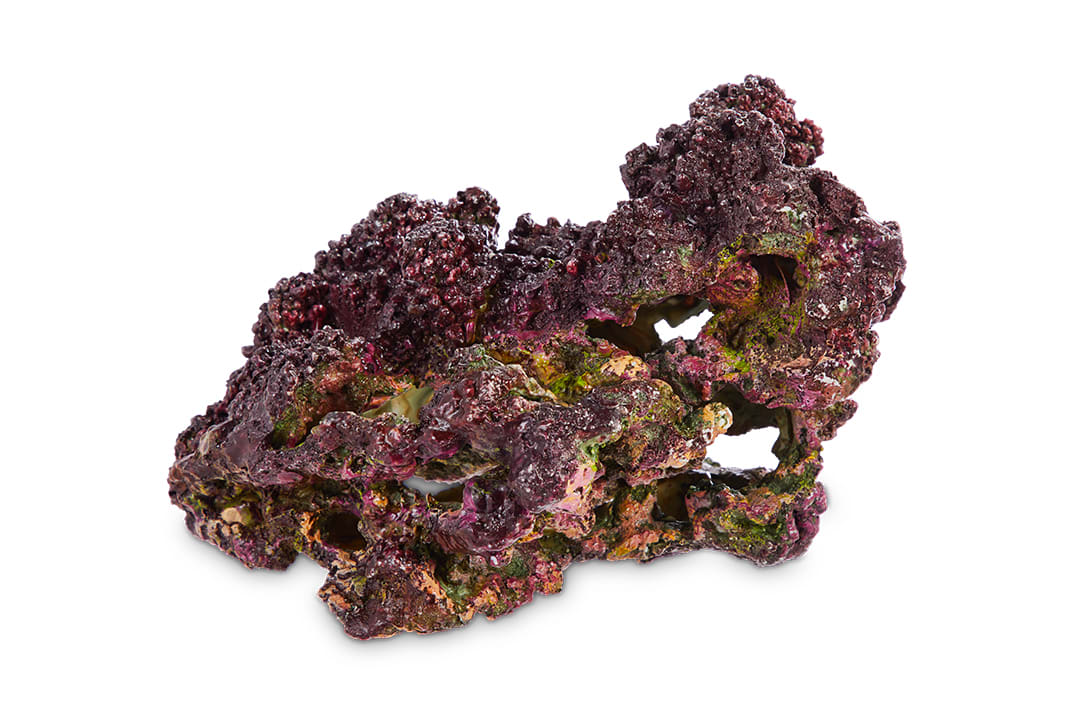
Learn how to care for live rock & sand. Live rock serves as a platform for coral and invertebrates and provides a surface for beneficial bacteria to live.
Updated on November 13th, 2025
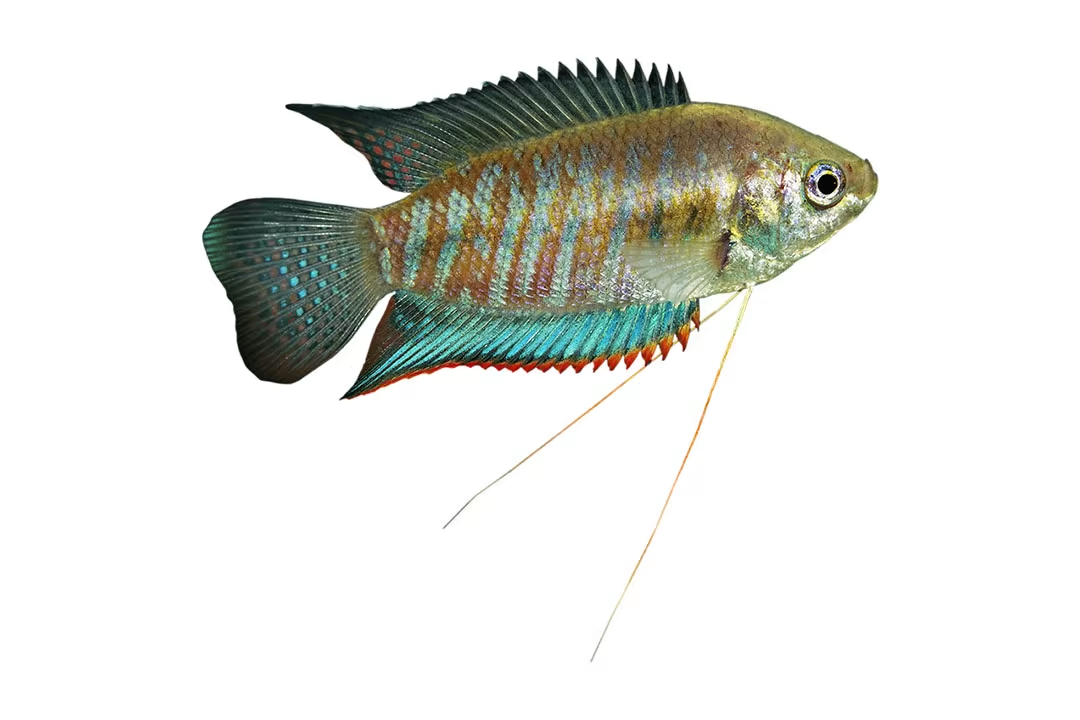
Learn how to care for Paradise fish, recommended diet and aquarium setup. Find the right food, supplies and equipment at your neighborhood Petco.
Updated on November 13th, 2025
Search Petco to learn about blackwater fish aquariums. We want to help you decide what lifestyle is best for your unique fish.
Updated on November 13th, 2025
Actually this is a good idea! I would however, make sure that the water temperature is the same as in the already running tank, so the good bacteria in the filter do not die. But , yes you can definitely do this without having to wait.
Updated on August 12th, 2025
It is possible the tank has not cycled properly which results in high ammonia and nitrite levels which can kill fish. Allow the tank to run, without fish, for at least 4-6 weeks. During this time, use a home test kit or submit a water sample for testing every few days. The local Petco may do this for free or for a small fee. What you are looking for is to have ammonia and nitrites at 0 ppm and nitrates at 20ppm or less. pH can hover around 7 for most community fish. Avoid large, rapid swings in pH though. What is happening in the tank during this time is that beneficial bacteria are populating the gravel/substrate and the filter. These bacterial populations are responsible for the Nitrogen Cycle. This cycle breaks down wastes from fish, uneaten food and plant matter into by-products that are filtered out or dissipate. You can "cycle" a tank with fish, however this increases the risk of loss. Once your tank has cycled, you can add fish. You will still need to monitor water chemistry a
Updated on August 12th, 2025
Anytime there is an unexpected loss of fish, water chemistry should be checked. Use a home test kit ( https://www.petco.com/shop/en/petcostore/product/api-freshwater-master-test-kit# ) or submit a water sample for testing. Most pet stores will do this for free or for a small fee. Confirm an absence ( 0 ppm ) of ammonia and nitrites with a nitrate level of 20 ppm. pH can range between 6.5 and 8, water temp should be 65 F to 75 F. If chemistry and water quality are within normal parameters, then illness or aggression would be other reasons for the loss. It is always recommended to quarantine fish in a separate tank for 2-4 weeks prior to adding them to the main tank. During this time, they can be treating for infection or parasites. I am sorry for the loss of your fish.
Updated on August 12th, 2025
Thanks for your question about your fish, and congratulations on your new family members! I didn't see how recently the tank was set up, but there are a couple of things that could be going on. I would start by checking your water quality - any abnormalities in water quality can make fish have abnormal behaviors, and the water looks a bit murky in the photos you provided. There may be parameters that need to be addressed depending on what you find. If you do not have a water quality kit, they can be purchased at the pet store or an aquarium store, or you can take a sample of your water in for evaluation to these places as well. Some will charge a small fee for this service, just so you are prepared. Also, with recent tank set ups, it can be stressful for fish as they are in a new habitat. I would recommend keeping the light on for only a few hours per day to start, as the bright lights can be shocking for them (since fish don't have eyelids). Gradually you can increase the length of t
Updated on August 12th, 2025
Java Moss, Java Fern, Anubias and Amazon Swords are among the easiest live plants to care for and cultivate in an aquarium. You can use aquarium soil or aquarium sand depending on the species of plant(s) chosen. When medicating fish, it is best to remove them to a hospital or quarantine tank. This will spare live plants as well as beneficial bacterial populations, especially if an antibiotic is used. Medicated food is also an option.
Updated on August 12th, 2025