Two Easy Ways to Start Earning Rewards!
Earn 2X Pals Rewards points at Petco
when you use Petco Pay!
Get It Today
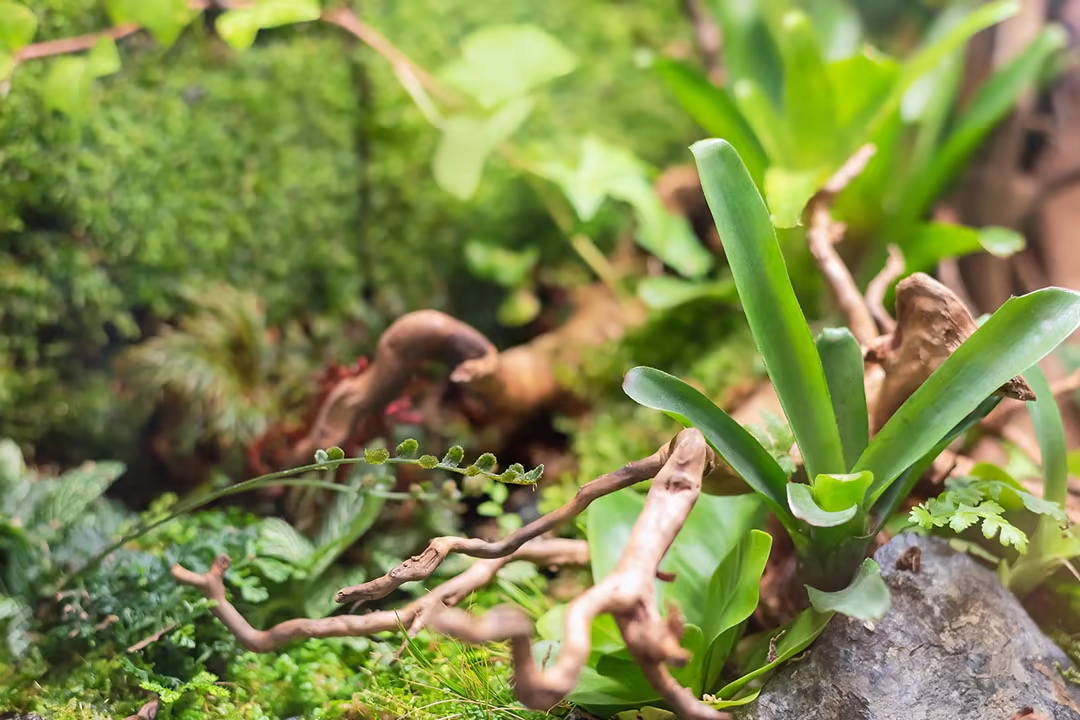
Tropical and desert terrarium plants are not only beneficial to terrestrial environments, but they also bring a more natural appearance to your reptile’s habitat.
Updated on November 13th, 2025
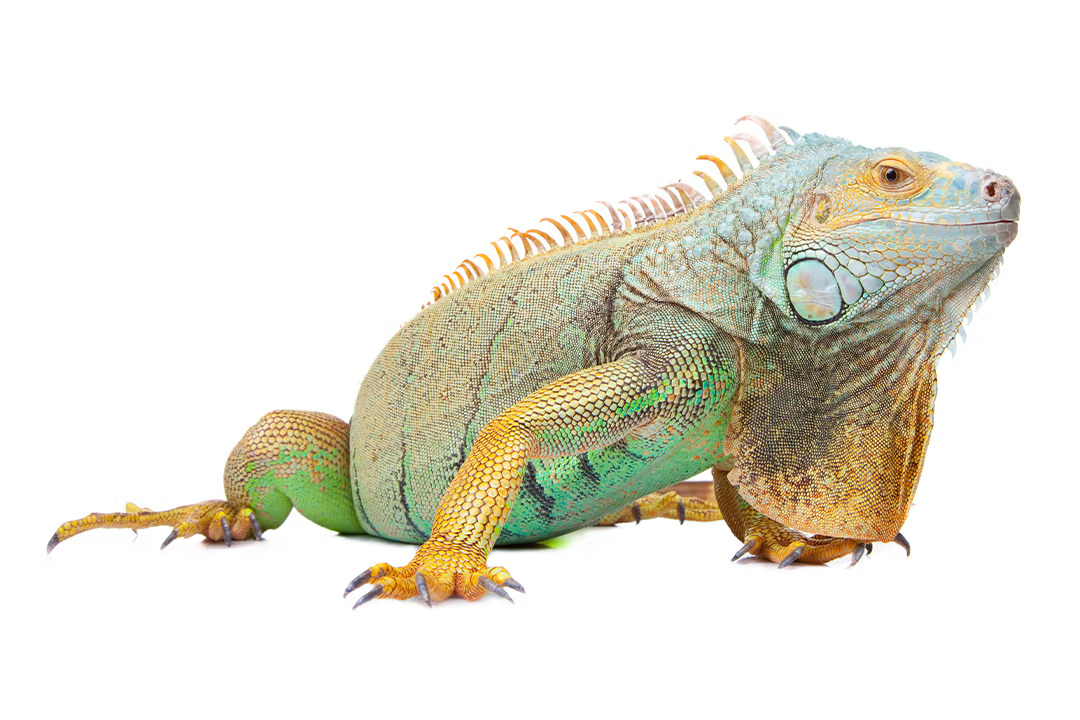
Learn how to take care of your Tropical Iguanas, recommended diet and housing setup. Find the right food, supplies and equipment at your neighborhood Petco.
Updated on November 13th, 2025
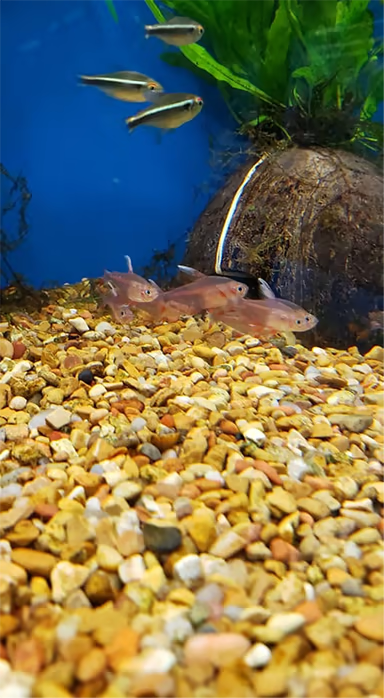
Choosing the right substrate for your aquarium is important and provides an area for beneficial bacteria to grow which keeps your aquatic environment safe.
Updated on November 13th, 2025
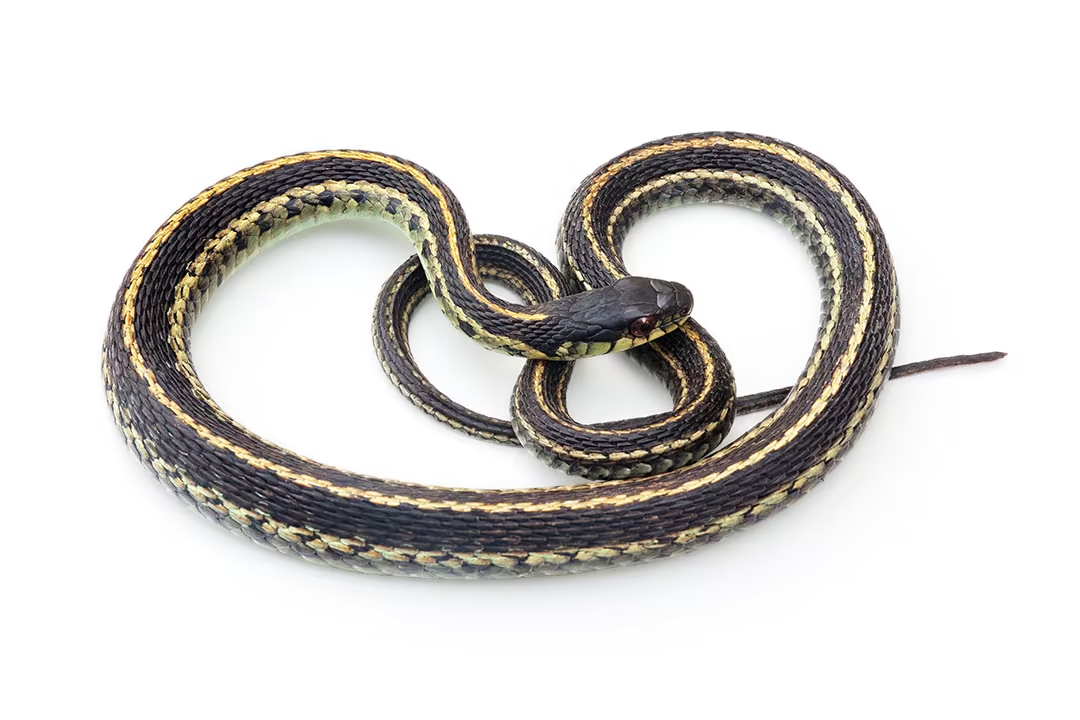
Learn how to take care of Garter & Water Snakes, recommended diet and habitat setup. Find the right food, supplies and equipment at your neighborhood Petco.
Updated on November 13th, 2025
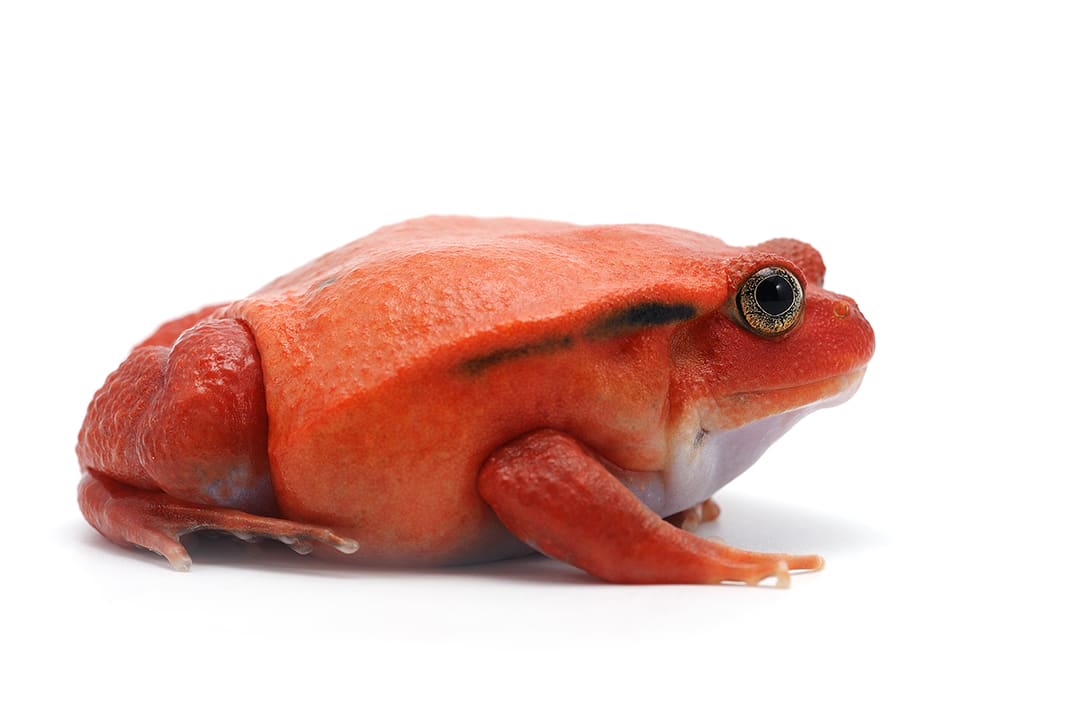
Learn how to take care of your Tomato Frog, tank size, diet & habitat setup. Find the right food, supplies and equipment at your neighborhood Petco.
Updated on November 13th, 2025
Fluker's or Maxuri pellets/sticks are quality diets. The diet should be varied to maximize nutrition. Offer leafy greens, crickets, small feeder fish, krill/shrimp (either can be freeze dried) or superworms in addition to a commercial pelleted diet.
Updated on August 12th, 2025
Reptile carpet, paper towels, butcher paper or even slate can be used as a substrate in iguana enclosures. If you choose reptile carpet/turf, be sure there are no strings or loose ends which could snag a toe or limb.
Updated on August 12th, 2025
Just prior to shedding, the skin will become dull and the eyes will turn a cloudy blueish white. The snake will also begin to rub on anything and everything in the enclosure. Increase humidity or provide a moist hide to facilitate shedding. A water bowl should be provided as well. Aspen shavings are ideal for bedding. Avoid anything dusty such as sand or kitty litter.
Updated on August 12th, 2025
Soak Razor in warm water for 15-20 minutes. Gently rub off any loose shed but do not pull or tear at it. If he is wiggly, you can place him in a small container with paper towels moistened with warm water for 15-20 minutes. The moist heat and humidity should help with the shed. Make sure he can breathe in the container. You can put this moist hide in his enclosure so he has a place to go when he is shedding. Monitor his stool and submit a sample to your vet to diagnose intestinal parasites if you see more "green liquid".
Updated on August 12th, 2025
A small enough piece should pass uneventfully. Monitor for lethargy, loss of appetite or lack of defecation. If necessary, see your veterinarian or an experienced herp vet. Soaking him in a warm 50/50 solution of water and unflavored PediaLyte will keep him well hydrated which can help the substrate pass easier.
Updated on August 12th, 2025