Two Easy Ways to Start Earning Rewards!
Become a member today! Members-only pricing and offers, personalized care notifications, Vital Care points back on every purchase and more!
 Become a credit card member today!
Earn 2X Pals Rewards points at Petco
when you use Petco Pay!APPLY NOWLearn More About Petco Pay Benefits
Fluker's Live Food for Spiders
Get It Today


Related Articles & Questions
- Food & Nutrition
Optimal Reptile Diet: Feed Your Pet for Peak Health & Vitality
Do you have questions about what to feed a reptile? Petco has the answers! Visit us to learn about reptile dietary needs.
Updated on November 13th, 2025
- New Pet
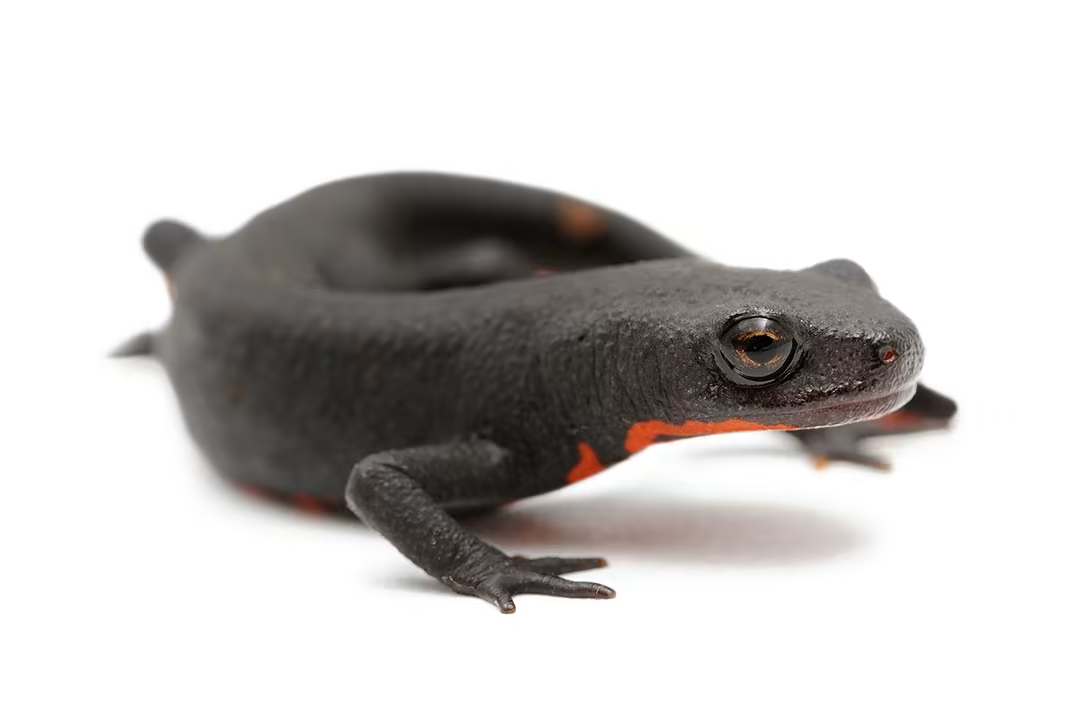
Mastering Pet Salamander & Newt Care: Food, Habitat, Health Guide
Learn How to Care for a Salamander & Newts, recommended diet and habitat setup. Find the right food, supplies and equipment at your neighborhood Petco.
Updated on November 13th, 2025
- Food & Nutrition
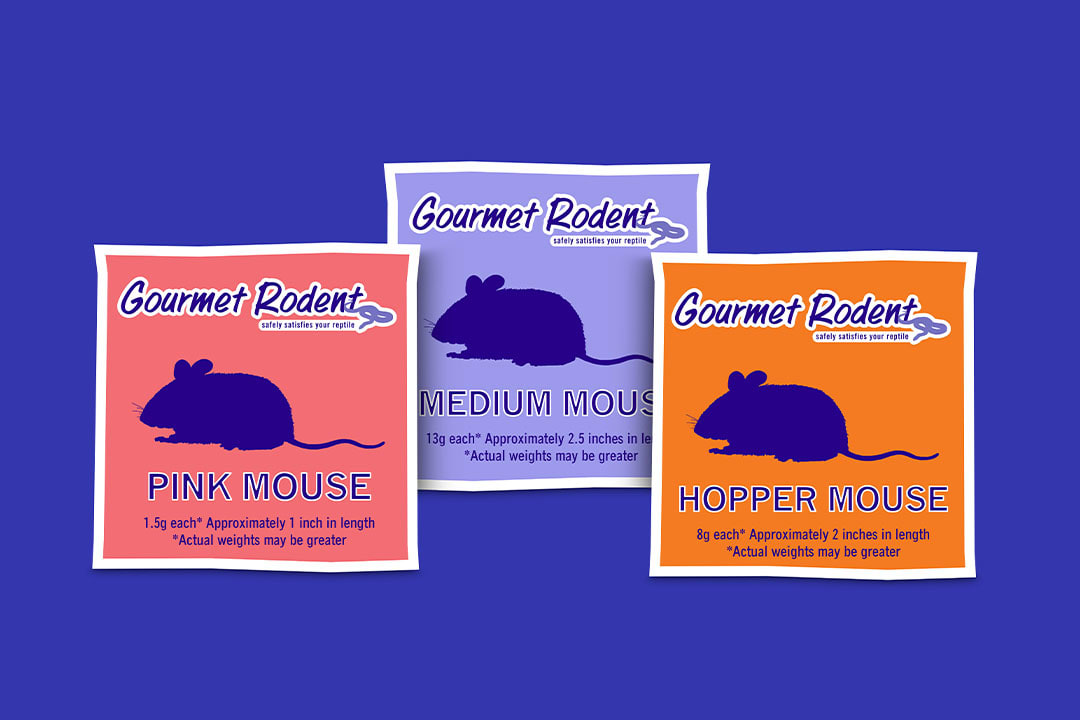
Boost Health: Frozen/Thawed Diet for Your Reptile & Amphibian
Learn how to thaw frozen mice for feeding time. Find out how to safely prepare and clean up after frozen meals at Petco.
Updated on November 13th, 2025
- New Pet
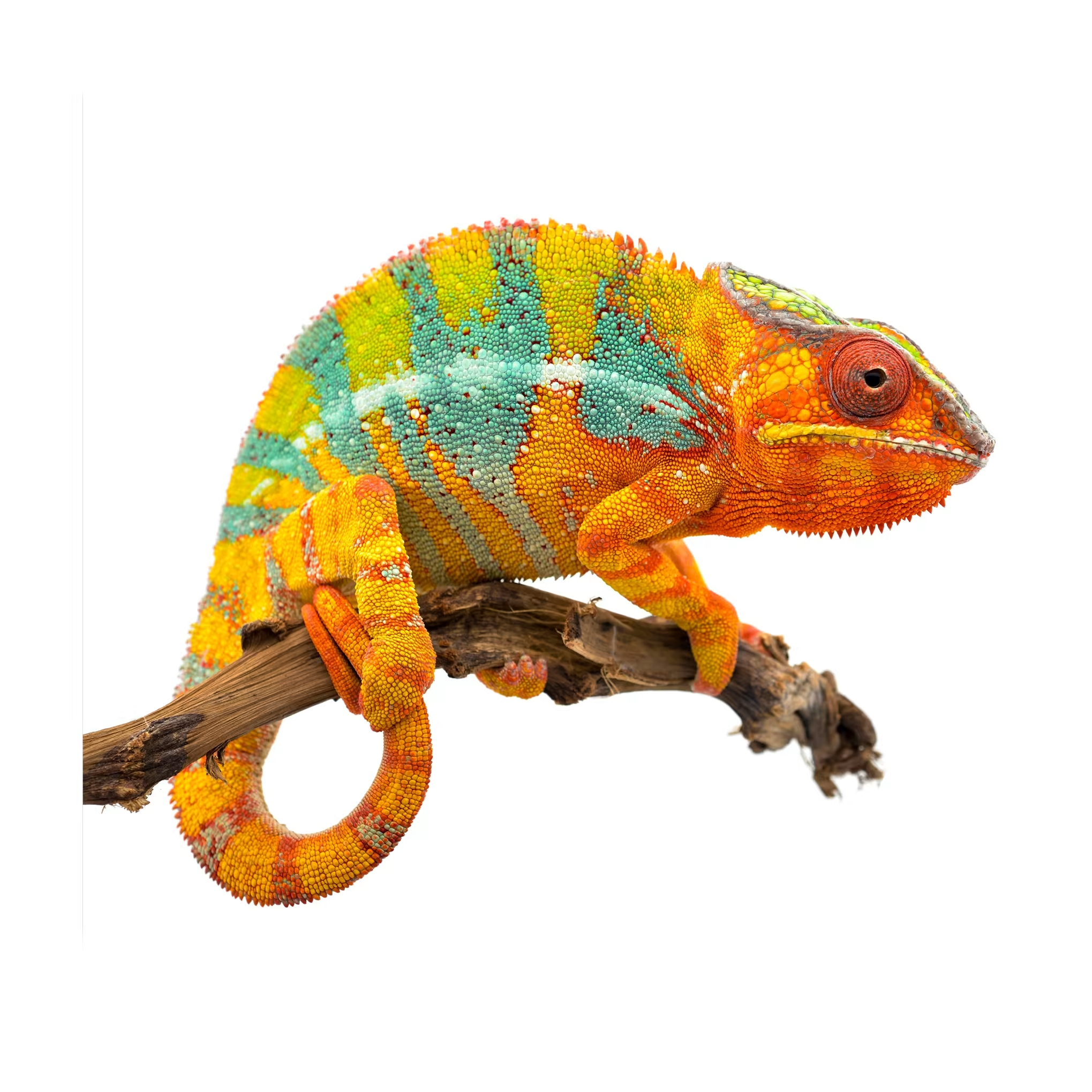
Warm Climate Chameleon Care: Best Food, Habitat & Health Tips
Learn how to care for warm climate Chameleons, recommended diet & habitat setup. Find the right food, supplies & equipment at your neighborhood Petco.
Updated on November 13th, 2025
- New Pet
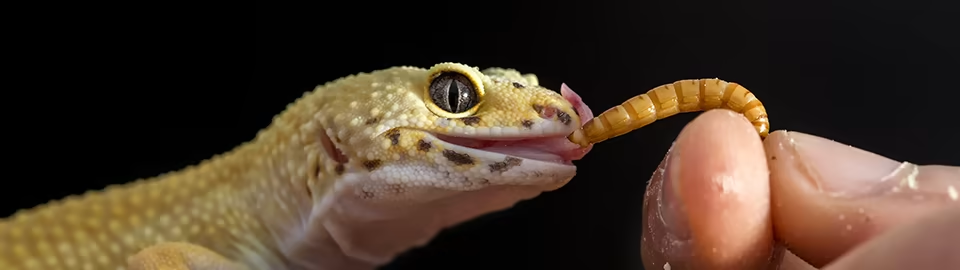
Leopard Gecko Care: The Ultimate Guide to Habitat, Food & Health
Learn how to care for a Leopard Gecko, recommended diet and habitat setup. Find the right food, supplies and equipment at your neighborhood Petco.
Updated on November 13th, 2025
- Health & Wellbeing
Hello! Is it a MUST to gut load my mealworms? ALso, do I HAVE to dust them in calsium if I'm providing the calcium in the crested gecko diet? One last thing: are mealworms or crickets better for my crestie? Thanks so much for all your help!
It is always recommended to gut load all prey to maximize nutritional value. Crickets, mealworms and other prey typically arrive from suppliers with a piece of fruit or gel for moisture and cardboard or simple oats for food. When you get them home, offer a high quality baby cereal mix, tropical fish flakes and fresh greens and veggies. The nutrition they receive will then be passed on to Rio. Crickets are more nutritious than mealworms, especially adequately gut loaded crickets. Less chitin as well unless they are freshly molted mealworms. If you feed a diet such as Repashy, Rio shouldn't need additional calcium unless he has a deficiency. This would need to be diagnosed by your herp veterinarian. Since you feed other foods as well, he may not be getting enough calcium, so dusting any live prey would be recommended.
Updated on August 12th, 2025
- Health & Wellbeing
Ever since Ash shed he hasn’t ate much. He’s only ate a couple worms here and there. The same goes for crickets. I have tried so hard to get him to eat better but he doesn’t seem to want to. What should I do?
Often when a reptile doesn’t want to eat, it is a sign that they don’t feel well. The most common reason behind them not feeling well is imperfections in their husbandry and diet. I would recommend consulting an online care sheet to ensure that your husbandry is as perfect as possible. Common areas of imperfection include temperature, lighting, and humidity. I would also recommend having Ash seen by a veterinarian, as they can help to counsel you about Ash’s husbandry as well. In addition to a thorough physical examination, they may recommend diagnostic testing including radiographs (x-rays) and blood work to evaluate systemic health. I hope that gives you a place to start, and thanks for using Boop by Petco!
Updated on August 12th, 2025
- Health & Wellbeing
Can a ten month old bearded dragon eat black soldier fly larvae? If yes how often?
Yes, BSFL can be fed to juvenile beardies. They can be fed to Mateo can be fed daily. Calcium supplementation is not necessary when feeding BSFL as they are naturally high in calcium. You will still need to supplement with a reptile multivitamin. They are also known as phoenix worms and calci-worms.
Updated on August 12th, 2025
- Food & Nutrition
Can I give my Chilean rosey red-haired tarantula green Hornworms as an alternative food source, then the Dubia hissing cockroach it lrg crickets
Rose hair tarantulas will eat a wide variety of invertebrate prey, as well as the occasional pinky mouse. Crickets, mealworms, waxworms, and roaches should all be included in a balanced diet for this species. These tarantulas will eat 3 to 5 large crickets a week, or a similar amount of other prey items. Food should be offered at least twice a week, and uneaten prey should be removed after 24 hours. Some rose hairs will eat more, and some will eat less. It is not uncommon for them to gorge themselves for several feedings and then to fast for up to a month.
Updated on August 12th, 2025
- Food & Nutrition
Am trying to find Amphibian food for my Grey’s Tree Frog with out vitamin D3. What will D3 do to the frog (male)
Thanks for reaching out about Carmine. Not sure what type of food you are searching for, a powder to top-coat insects. A variety of insects can be offered, and gut loaded. Vitamin D3 can be over supplemented so powdered should only be used once weekly. Exposure to ultraviolet B radiation is very important for the absorption of calcium in the intestinal tract. Catch insects outdoors, as long as your not spraying. Good luck.
Updated on August 12th, 2025