Two Easy Ways to Start Earning Rewards!
Earn 2X Pals Rewards points at Petco
when you use Petco Pay!
Get It Today
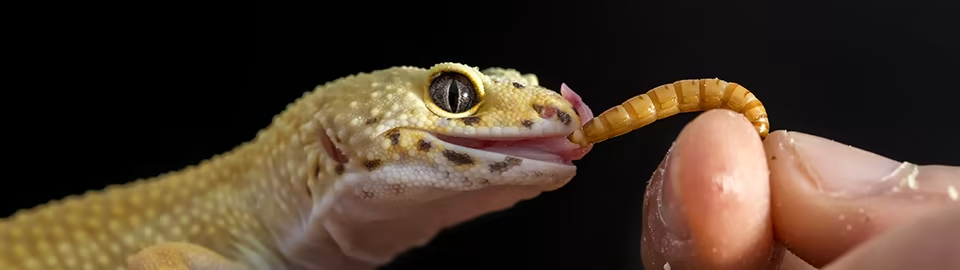
Do you have questions about what to feed a reptile? Petco has the answers! Visit us to learn about reptile dietary needs.
Updated on October 23rd, 2025
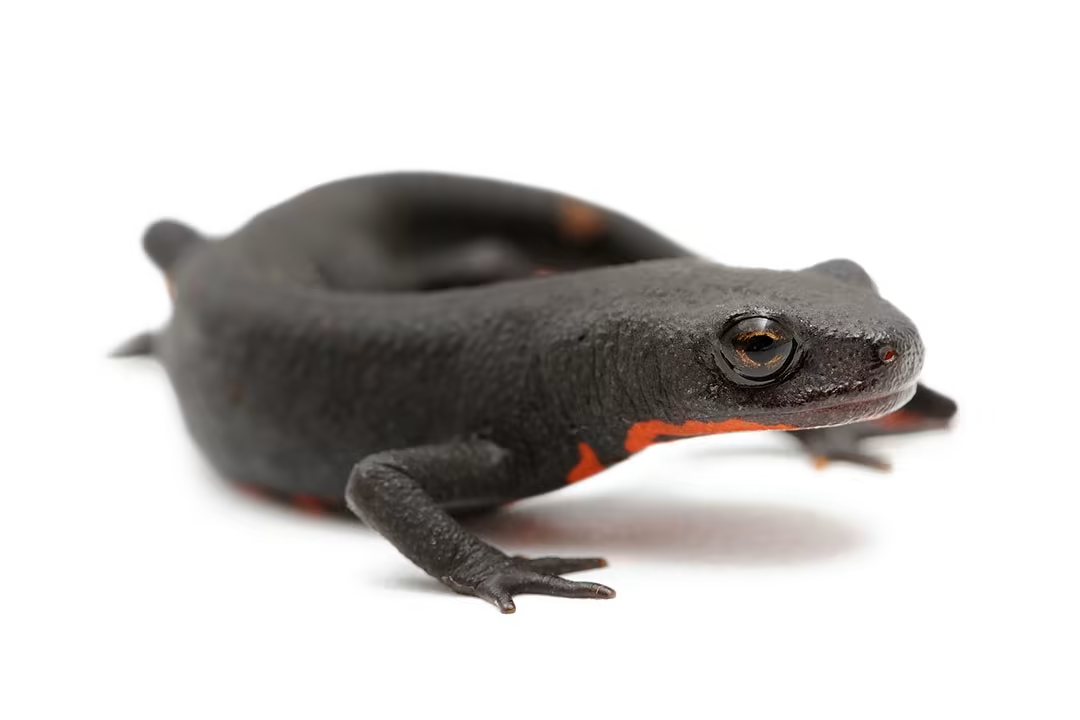
Learn How to Care for a Salamander & Newts, recommended diet and habitat setup. Find the right food, supplies and equipment at your neighborhood Petco.
Updated on October 23rd, 2025
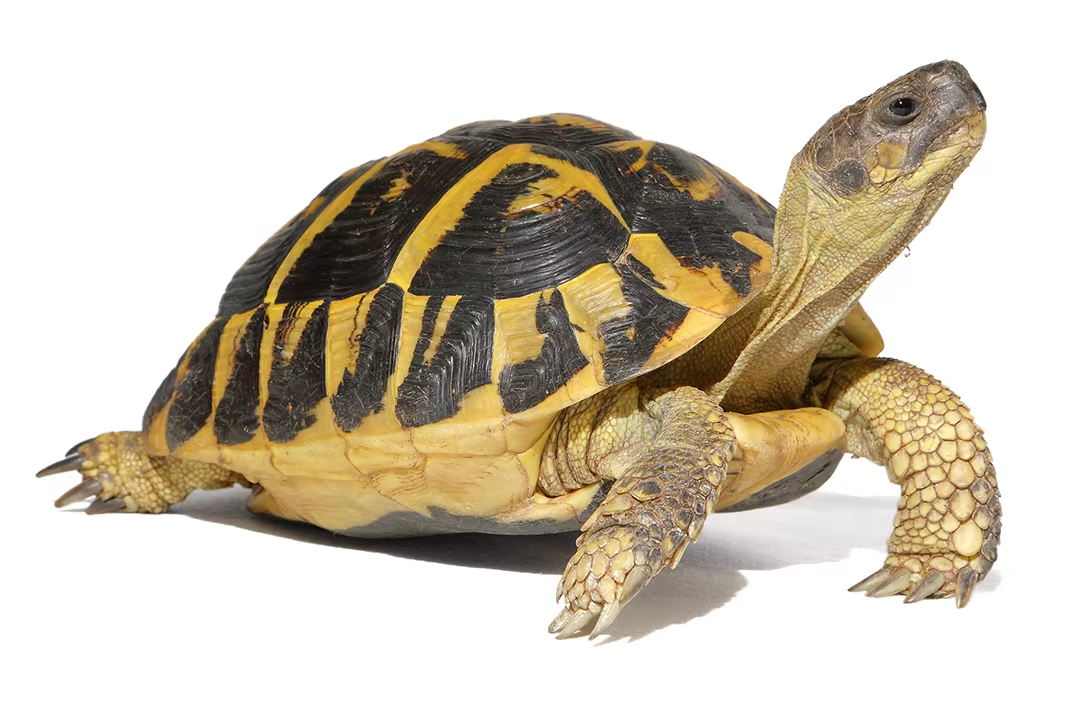
Learn how to take care of your Hermann's Tortoise, tank size, diet & habitat setup. Find the right food, supplies and equipment at your neighborhood Petco.
Updated on October 23rd, 2025
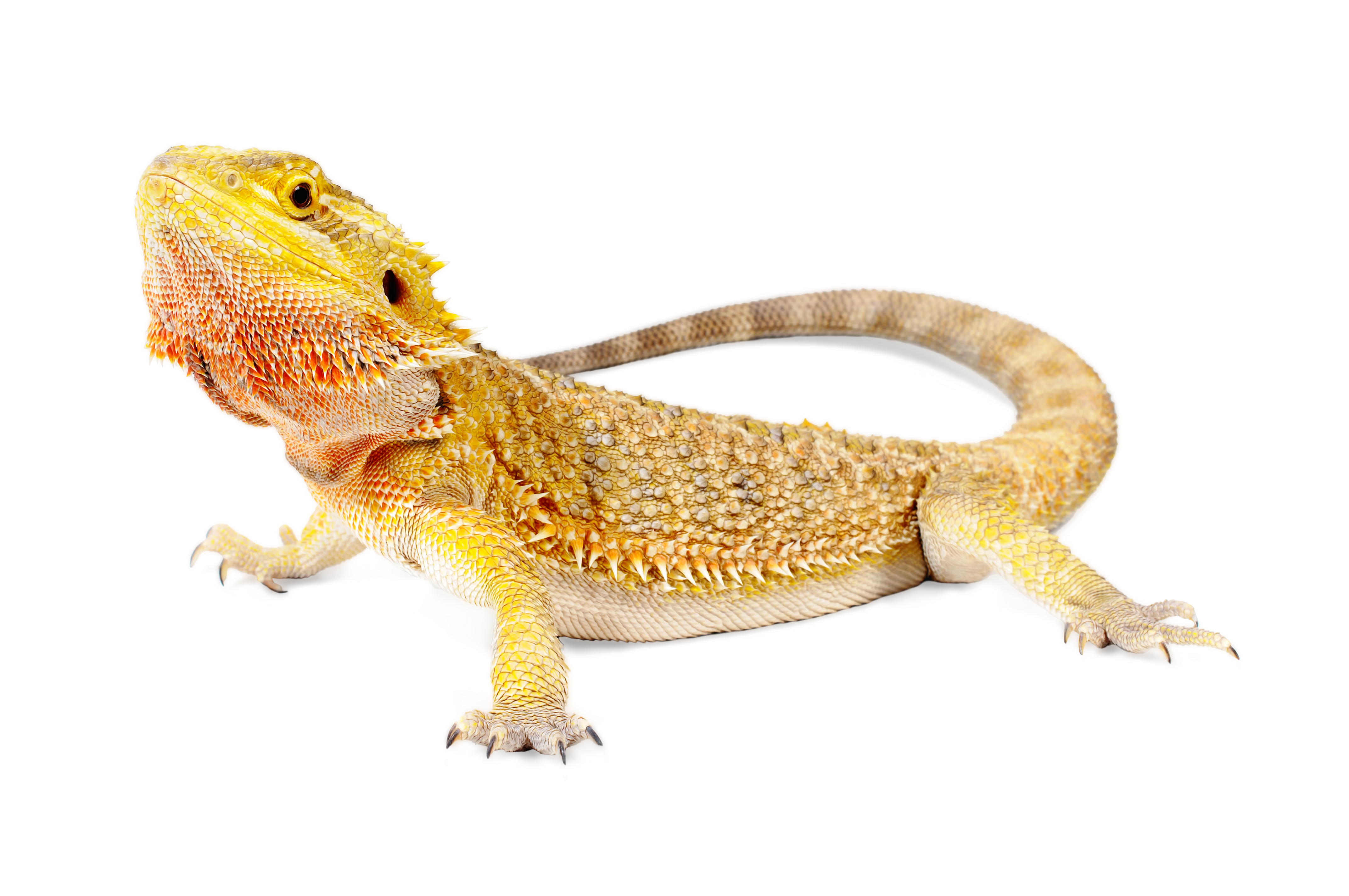
Learn how to care for arid lizards, recommended diet & habitat setup. Find the right food, supplies & equipment at your neighborhood Petco.
Updated on October 23rd, 2025
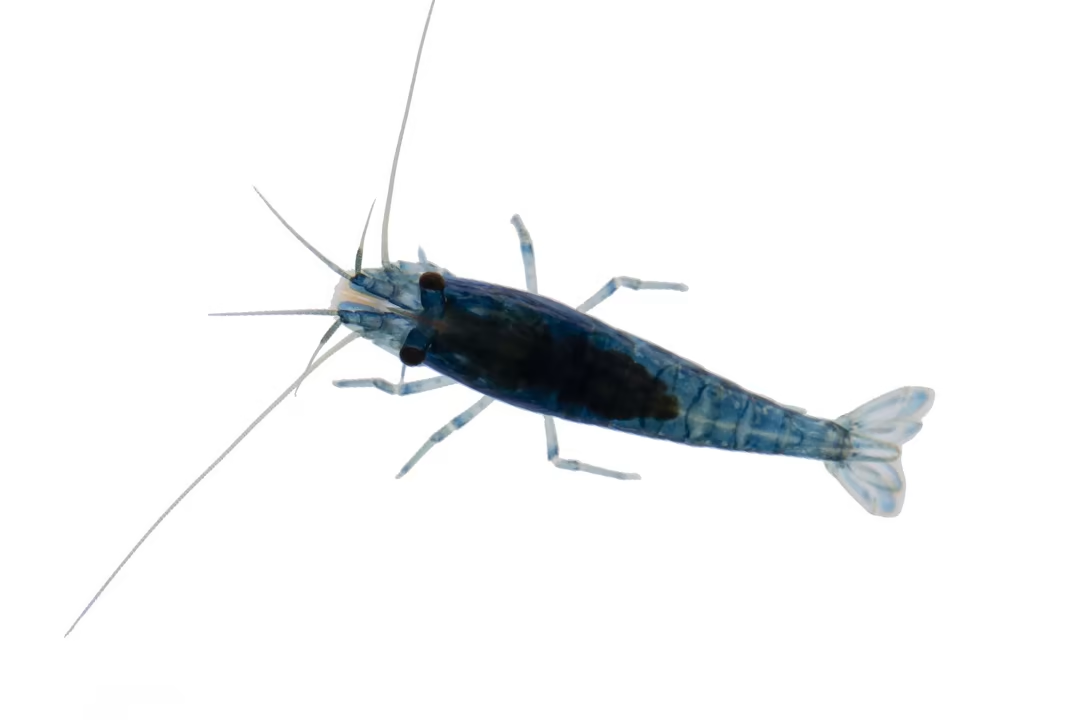
Learn how to care for Freshwater Shrimp, recommended diet & aquarium setup. Find the right food, supplies & equipment at your neighborhood Petco.
Updated on October 23rd, 2025
Fluker's or Maxuri pellets/sticks are quality diets. The diet should be varied to maximize nutrition. Offer leafy greens, crickets, small feeder fish, krill/shrimp (either can be freeze dried) or superworms in addition to a commercial pelleted diet.
Updated on September 24th, 2025
Offer a varied diet including pelleted food, fresh greens and prey such as tiny crickets or earthworms. You can get prey from the pet store, do not feed wild caught insects. It may take a day or two for him to acclimate to his new environment. Keep offering fresh food daily. Be sure environmental parameters are appropriate for the species of turtle you have. This includes adequate heat, UVB lighting and water quality. If you know the species, post it in a new question or request a consultation for more detailed care information.
Updated on September 24th, 2025
He can use a plastic tote until you get a tank, but it should be a much larger one than Guido is in right now. Find one that is at least 20 gallons. Provide water deep enough for him to swim in as well as a dry area to rest and bask. Provide a water filter, water heater,heat lamp and UVB light source. You can feed a commercial pelleted or stick diet supplemented with fresh greens and prey such as feeder fish or nightcrawlers. He may not be eating because water or ambient temperatures are too low. Low temps can affect appetite and digestion in reptiles. The link below will provide more information regarding slider care. http://www.anapsid.org/reslider.html
Updated on September 24th, 2025
Thanks for reaching out about Ruby. Meat such as chicken, is a poor food since it is low in calcium and high in phosphorus. My usually recommendation is 1/3-1/3-1/3, meaning parts vegetables (green, red, yellow, orange), pellets and live fish (goldfish, tetras). The benefit of whole live fish is environmental enrichment (hunting, foraging) and has a skeleton with calcium, muscle and organs rich in other nutrients. Vegetables provide a wide variety of vegetables and the pellets a fairly balanced diet. Water temperature, a basking site with UVB and heat and water quality are also important. Good luck.
Updated on September 24th, 2025

Shrimp should not be the sole source of nutrition. This may lead to deficiencies. Sliders are omnivorous and should be fed a combination of greens and proteins. Offer live prey such as crickets, minnows, nightcrawlers and superworms. Dark, leafy greens can be chopped finely and offered. A commercial pellet or stick formula should also be fed. To stimulate the appetite, you can soak pellets in some water used to rehydrate dried shrimp or krill. Fasting the turtles for a day or two will also get them hungry enough to eat pellets or prey. Be sure to provide adequate space, heat and lighting. Allow 10 gallons per inch of she'll as a guideline for tank size. Three sliders, when fully grown will need a large tank. UVB lighting will aid in calcium metabolism and heat is necessary for proper digestion and health in reptiles. Water temperature should range between 75F and 85F. A basking area should be 90F to 95F. Care should be taken when housing wild caught turtles with captive bred turtl
Updated on September 24th, 2025