Two Easy Ways to Start Earning Rewards!
Become a member today! Members-only pricing and offers, personalized care notifications, Vital Care points back on every purchase and more!
 Become a credit card member today!
Earn 2X Pals Rewards points at Petco
when you use Petco Pay!APPLY NOWLearn More About Petco Pay Benefits
Hagen Conure Shop


Related Articles & Questions
- New Pet
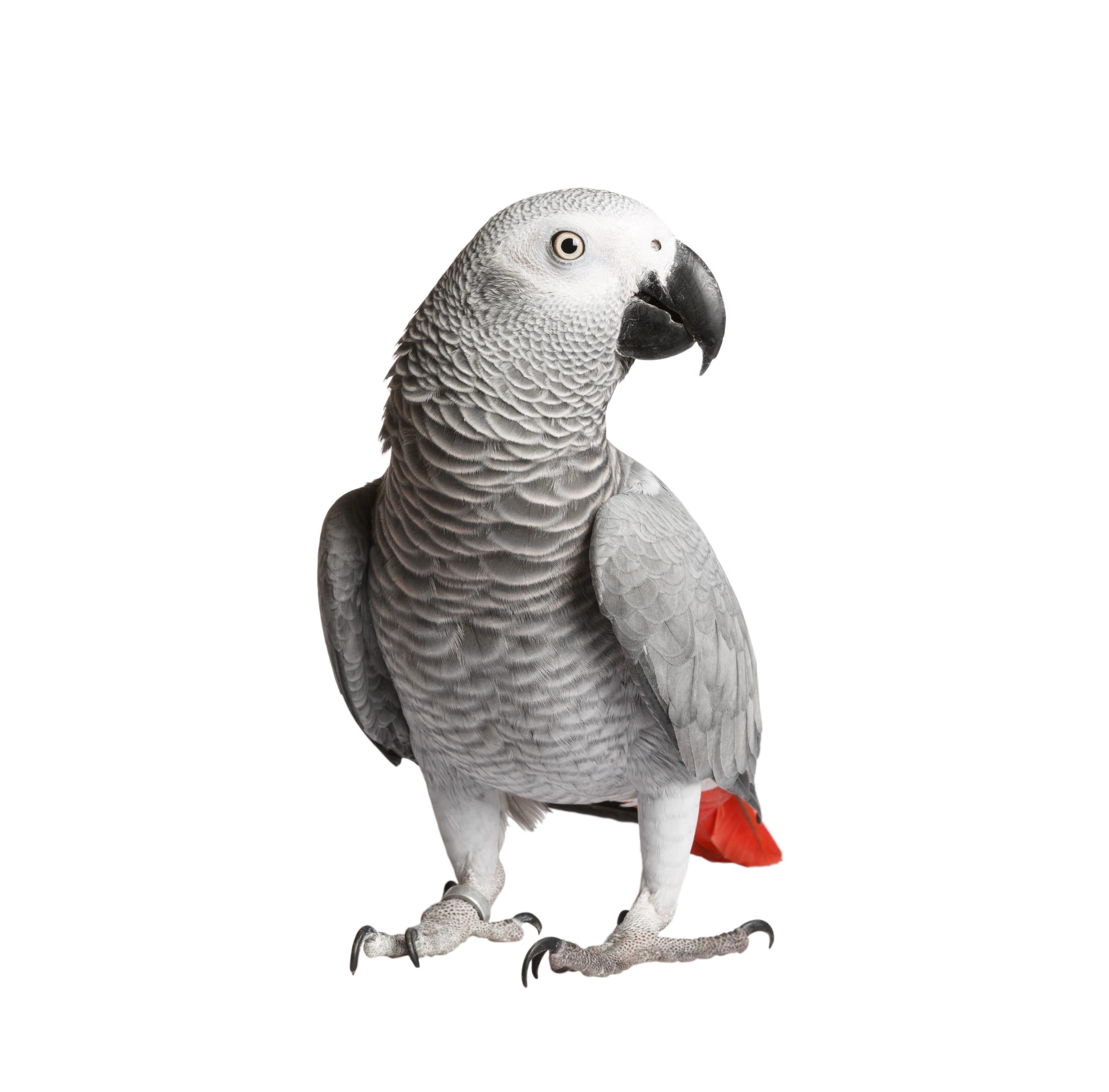
Expert Care for Your Large Hookbill: Food, Habitat, Health & Happiness
Learn how to take care of large Hookbill, recommended diet and housing setup. Find the right food, supplies and equipment at your neighborhood Petco.
Updated on November 13th, 2025
- New Pet
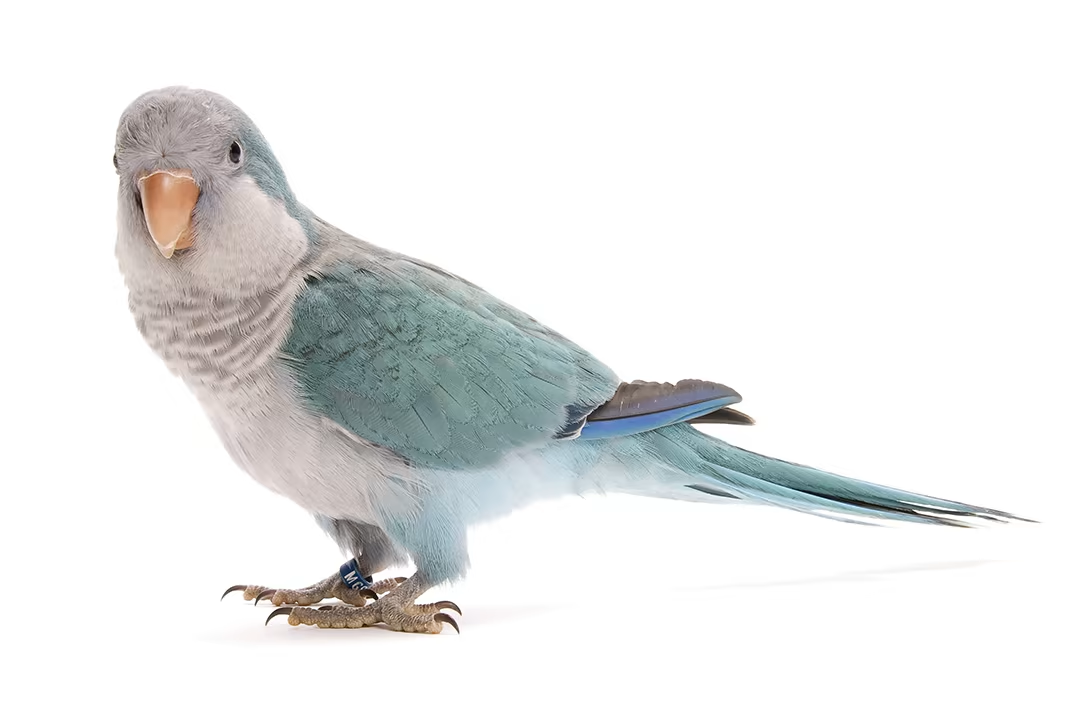
Master Medium Parakeet Care: Essential Guide for a Long, Happy Life
Learn how to care for a medium-sized parakeets, recommended diet & bird cage setup. Find the right food, supplies & equipment at your neighborhood Petco.
Updated on November 13th, 2025
- New Pet
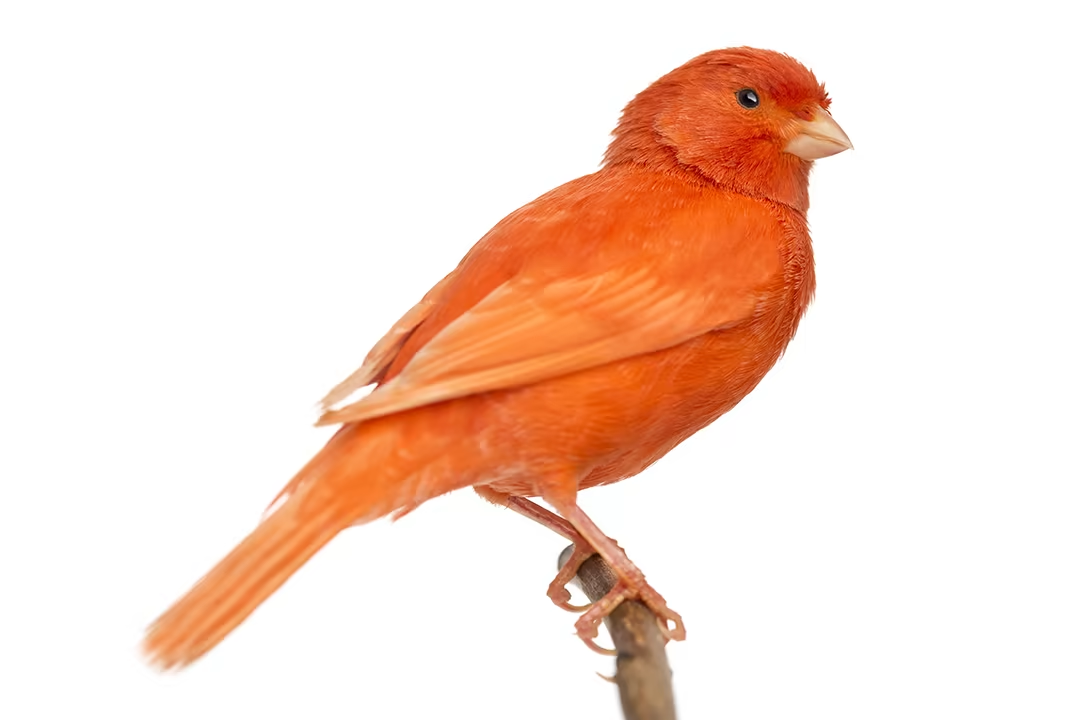
How to Care for Canaries: Food, Habitat, Health & Singing Guide
Learn how to care for a Canary, Canary facts, recommended diet and habitat setup. Find the right food, supplies and equipment at your neighborhood Petco.
Updated on November 13th, 2025
- New Pet
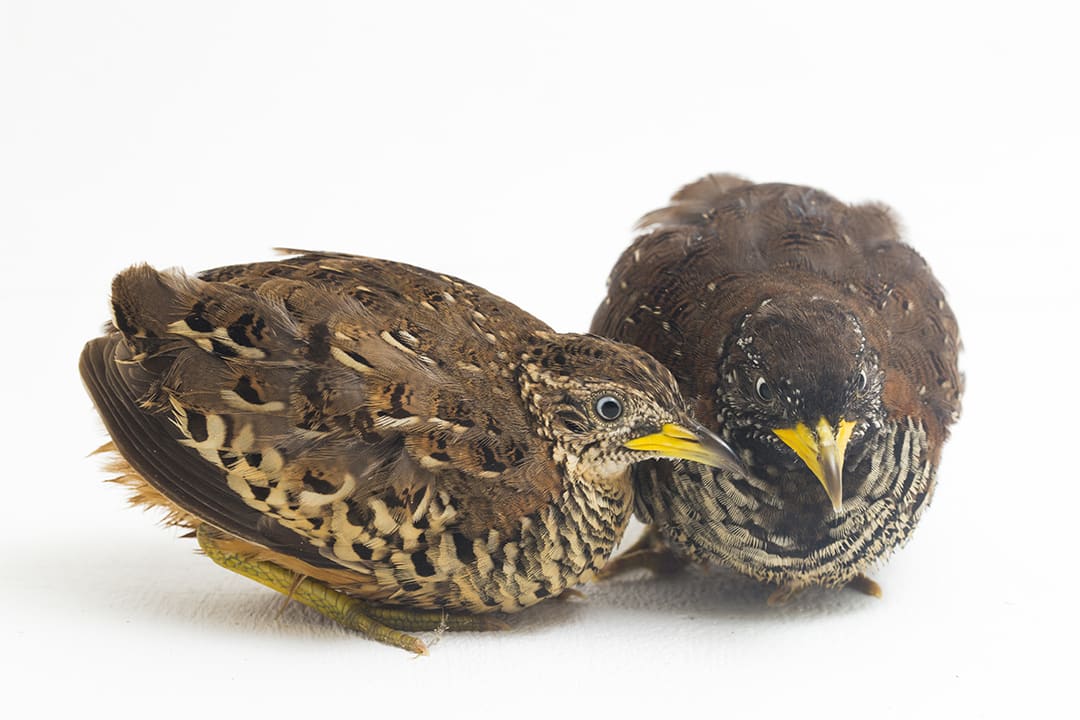
Button Quail Care: Essential Food, Habitat & Health Guide
Learn how to take care of Button Quails, recommended diet and housing setup. Find the right food, supplies and equipment at your neighborhood Petco.
Updated on November 13th, 2025
- Health & Wellbeing
Bird Emergency? Essential First Aid Kit & Steps to Save Your Pet
Get prepared to react calmly and efficiently when accidents happen by learning basic bird first-aid skills and putting together a pet bird first-aid kit.
Updated on November 13th, 2025
- Health & Wellbeing
It is possible we could be taking in my friends two parakeets. Where do I start? I want to know how to care for them properly before possible owning them. Do you have any tips, tricks, must know things?
Parakeets, also called Budgerigars, are small members of the parrot family and they can become good mimics. The average adult size is 7 inches long, head to end of tail. The average life span is between 10 to 20 years with proper care. A well-balanced Parakeet diet consists of: Specialized pellets should make up 60-70% of diet, fresh vegetables and fruits and small amounts of fortified seeds Clean, fresh, filtered, chlorine-free water, changed daily. Do not feed birds: avocado, fruit seeds, chocolate, caffeine or alcohol; it can cause serious medical conditions. Avoid sugar and high fat treats. Things to remember when feeding your Parakeet: Fresh food and water should always be available. Vegetables and fruits not eaten within a few hours should be discarded. Remember, treats should not exceed 10% of total food intake. Housing Parakeets acclimate well to average household temperatures, not to exceed 80°F; be cautious of extreme temperature changes. The habitat should area that is w
Updated on August 12th, 2025
- New Pet
I've got a few questions. First my two birds are having a hard time bonding with me how do I fix that? Second I think my hamster needs a bigger cage, picture below, 3rd my leopard gecko has a heating Rock does that mean I can leave his light off dur
Thanks for reaching out. Sound like you have a full house. 1. Birds will often bond together but continue to work with them in a quiet environ, offering treats to win and re-enforce trust. Toys, the radio or tv, can all assist with boredom. Setting up foraging toys so birds need to spend time looking for food. 2. There is no such thing as too big a cage. 3. Heating rocks are rarely approved for use, as they will eventually become faulty and get too hot, potentially damaging the animal. A heat lamp is recommended. 4. The bunny's litter box should be spot cleaned daily and full clean weekly. If you can smell it you waited too long. Good luck.
Updated on August 12th, 2025
- Health & Wellbeing
I have a 7 month old Black Capped Conure. I recently noticed the past couple times he has been sleeping at the bottom of his cage. He did that when I first got him but then we got him a bed. He has always slept in that bed since we got it. Should I b
Thanks for reaching out about Rico. Is he possibly getting cold? Monitor appetite and water consumption by the amount of feces and urine in the cage, daily. Paper or bottom substrate should be changed daily to assist with monitoring. If continued to be concerned, a veterinary visit is recommended, which is a good idea annually anyways. Check environmental temperature lows in the evening. Review and correct diet as it is easier to convert off seed while young than older. Good luck.
Updated on August 12th, 2025
- Health & Wellbeing
Can my Conure have rawhides? For example could my conure have a dog rawhide or if I got a rawhide from a butcher shop would that be okay for her? I know I have seen raw hides on bird toys but wonder if they can have it what type of rawhide can they
Rawhide has been and is used in some toys. Most birds (mine included) ignore it. It can be chewed, but monitor to make sure Maxcine doesn't ingest large bits. I wouldn't recommend rawhide from the local butcher.
Updated on August 12th, 2025
- Health & Wellbeing
What is some bird cage recommendation for 2 parakeet at the lowest price available, or if by any chance a free unwanted bird cage at nyc., Thank you
Thanks for reaching out about Aqua. You can search for free cages on sites such as Craigs List or local bird rescue groups. A minimal size is probably 2' x 2' x 3', but depends on how much time is spent in the cage. Flight is good exercise but needs to monitored so the birds don't get themselves into trouble flying around. No bird should be left outside of its cage unattended. If birds are active and out of the cage for a fair amount, the night cage can be smaller, as is for mostly sleeping. Good luck.
Updated on August 12th, 2025