Two Easy Ways to Start Earning Rewards!
Earn 2X Pals Rewards points at Petco
when you use Petco Pay!
Get It Today
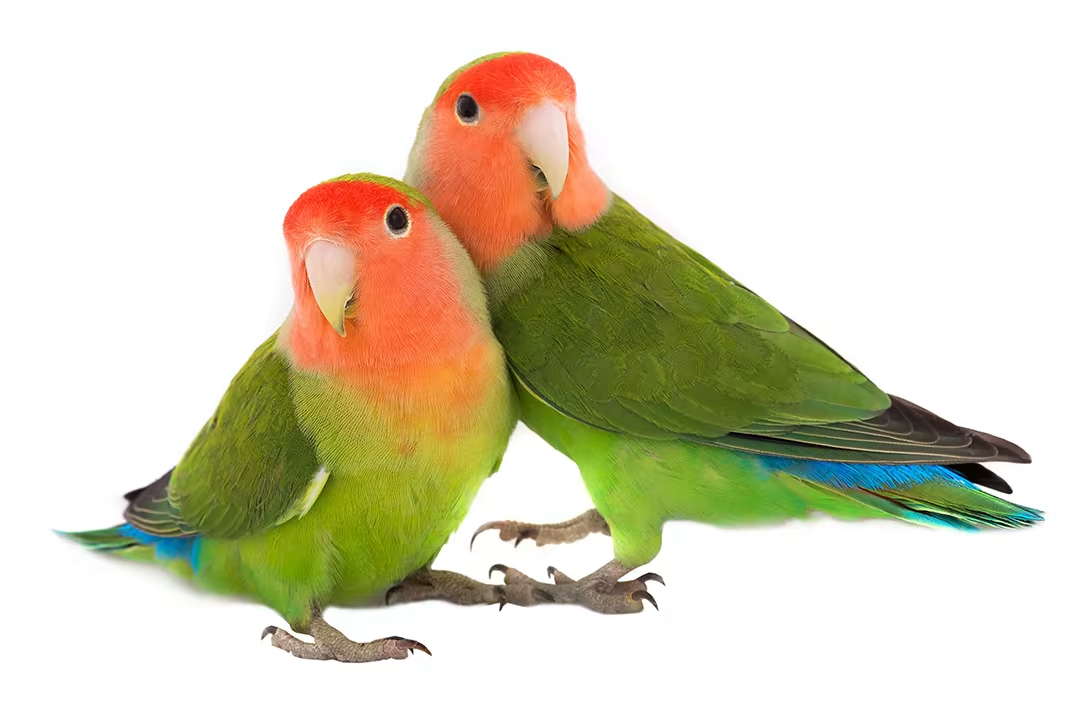
Learn how to take care of your Lovebirds, recommended cage size, diet and housing setup. Find the right food, supplies and equipment at your local Petco.
Updated on November 13th, 2025
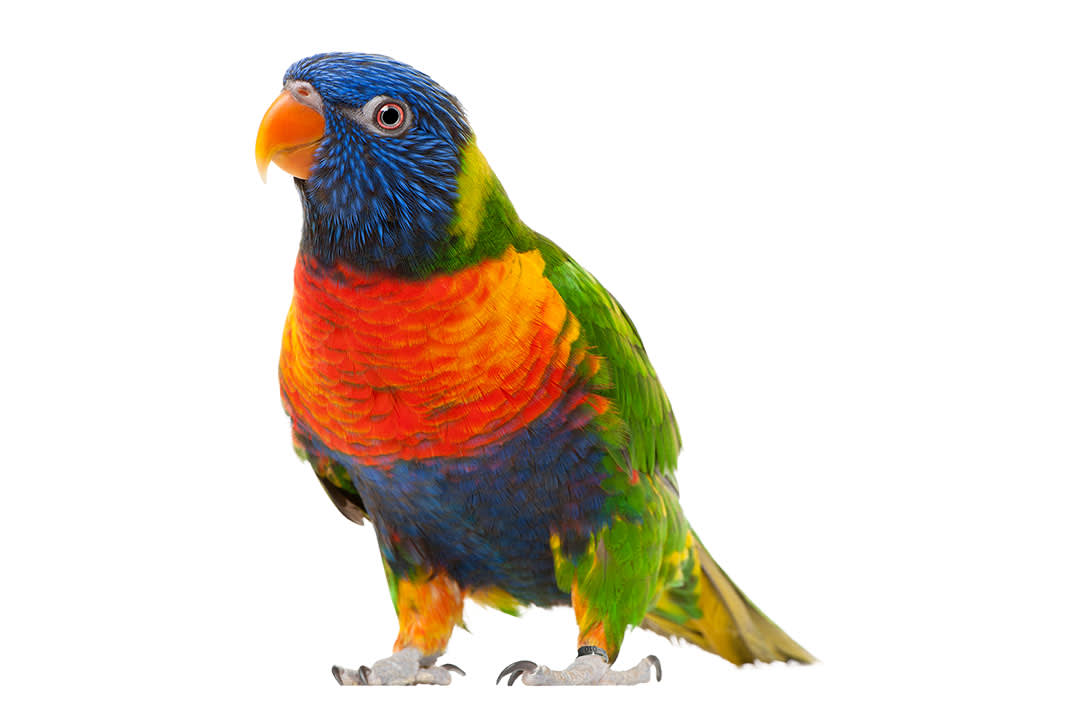
Learn how to take care of Lory and Lorikeets, recommended diet and habitat. Find the right food, supplies and equipment at your neighborhood Petco.
Updated on November 13th, 2025
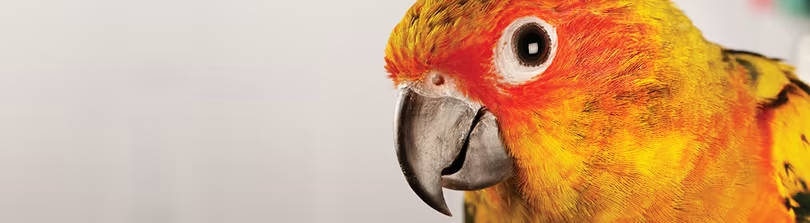
Learn more about preventing and stopping unhealthy feather plucking or feather picking as it could lead to serious health problems for your pet bird.
Updated on November 13th, 2025
Read more about changes in your pet birds' behavior like biting, feather plucking and more.
Updated on November 13th, 2025
Read more to learn some basics of bird grooming that include bathing, nail trimming, and wing clipping.
Updated on November 13th, 2025
Feed mainly a commercial pelleted diet such as Harrison's, Lafeber or Higgins pellets. This should make up about 80% of the diet. The other 20% can be a mix of a fortified seed mix and fresh fruits and vegetables.
Updated on August 12th, 2025
It is best to provide Ava with a few different types of perches. They should range in diameter. Natural perches are best, as they provide varying shapes which is best for your bird’s feet. A pedicure perch is also recommended (ie: "sweet feet" perch) which is a textured perch that helps keep toenails trimmed and smooth, as well as the bird’s beak. You can find a plethora of perches on Amazon. ( https://www.amazon.com/natural-perches-Parakeets/s?k=natural+perches+for+Parakeets )
Updated on August 12th, 2025
Harrison's bird food is the best pelleted bird food on the market in my opinion. Most avian vets recommend it and feed it to their own birds. For more information, here is their web address: https://www.harrisonsbirdfoods.com/
Updated on August 12th, 2025
Feed a good quality pelleted diet (Harrison's, Roudybush, Lafeber, Pretty Bird or Exact) supplemented with a fortified seed mix and fresh greens and vegetables. Provide a cuttlebone or mineral block. Always have fresh water available. Provide an appropriately sized nesting box and suitable nesting material (straw, Aspen shaving, shredded newspaper, etc.).
Updated on August 12th, 2025
Bird droppings normally contain some green as well as white and some liquid. If you feed mainly seeds, the droppings will be mostly green. A pelleted diet will make droppings darker. Some feather loss is normal as she matures. Her first molt may be around 8 months of age. Symptoms of illness that warrant an exam with your veterinarian include lethargy, decreased appetite, loose droppings, perched with feathers fluffed, vomiting or excessive regurgitation.
Updated on August 12th, 2025