Two Easy Ways to Start Earning Rewards!
Earn 2X Pals Rewards points at Petco
when you use Petco Pay!
Get It Today
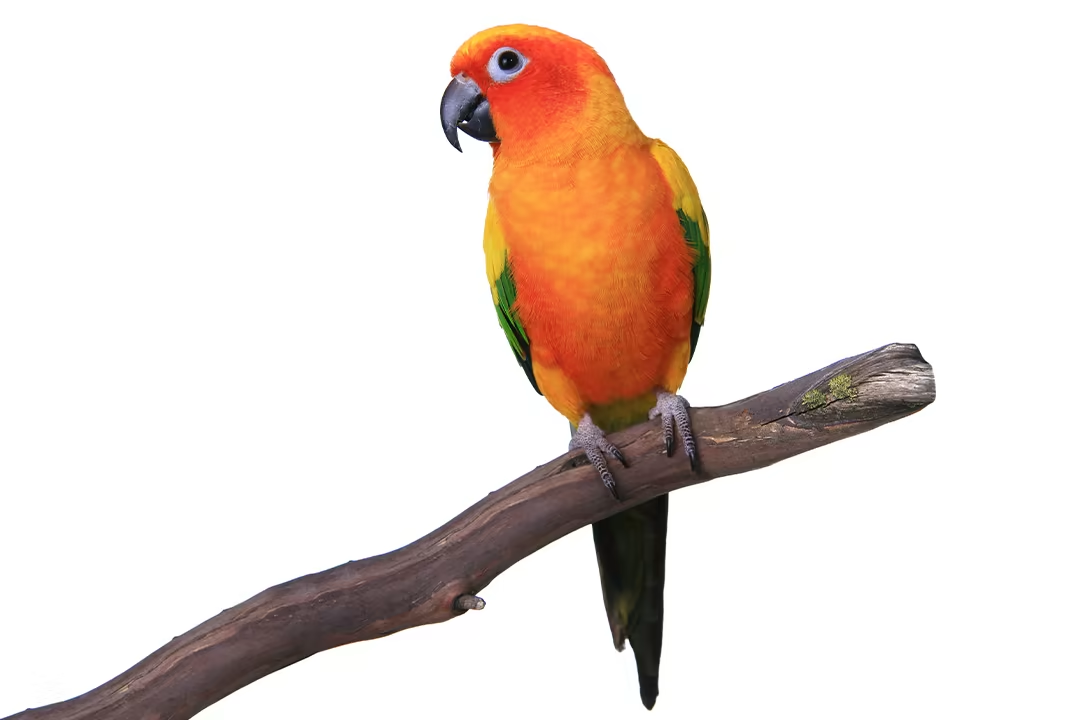
Learn how to take care of Sun Conures, recommended diet and housing setup. Find the right food, supplies and equipment at your neighborhood Petco.
Updated on November 13th, 2025
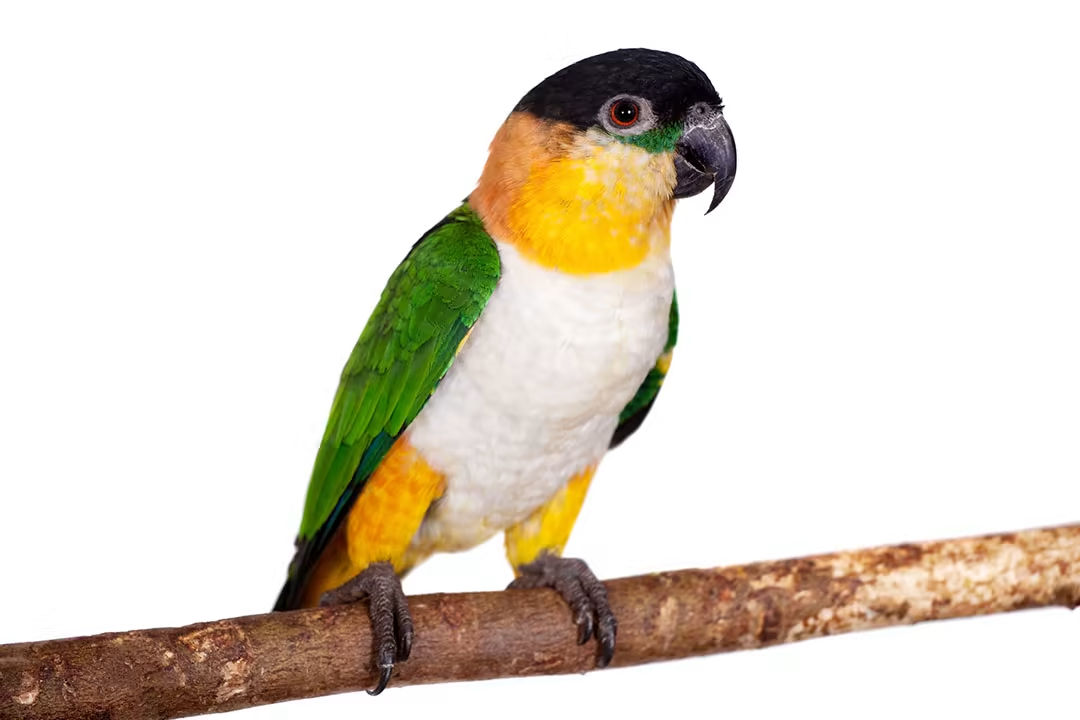
Learn some tips about bringing your new pet bird home for the first time. Find out what supplies and actions will help her feel most at home.
Updated on November 13th, 2025
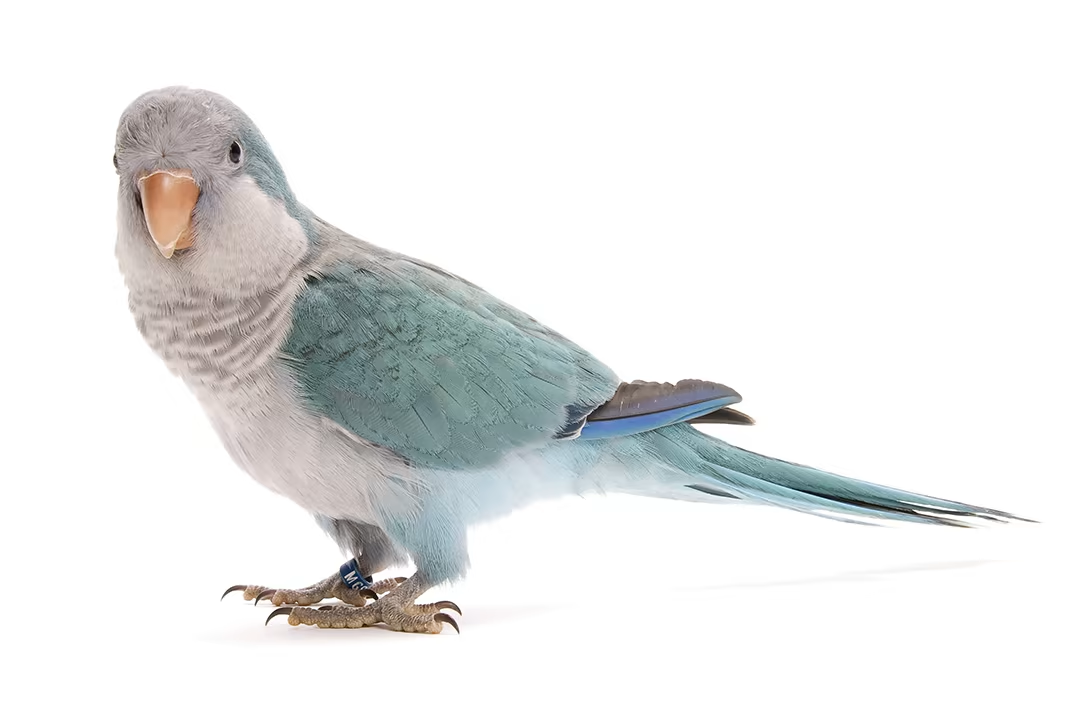
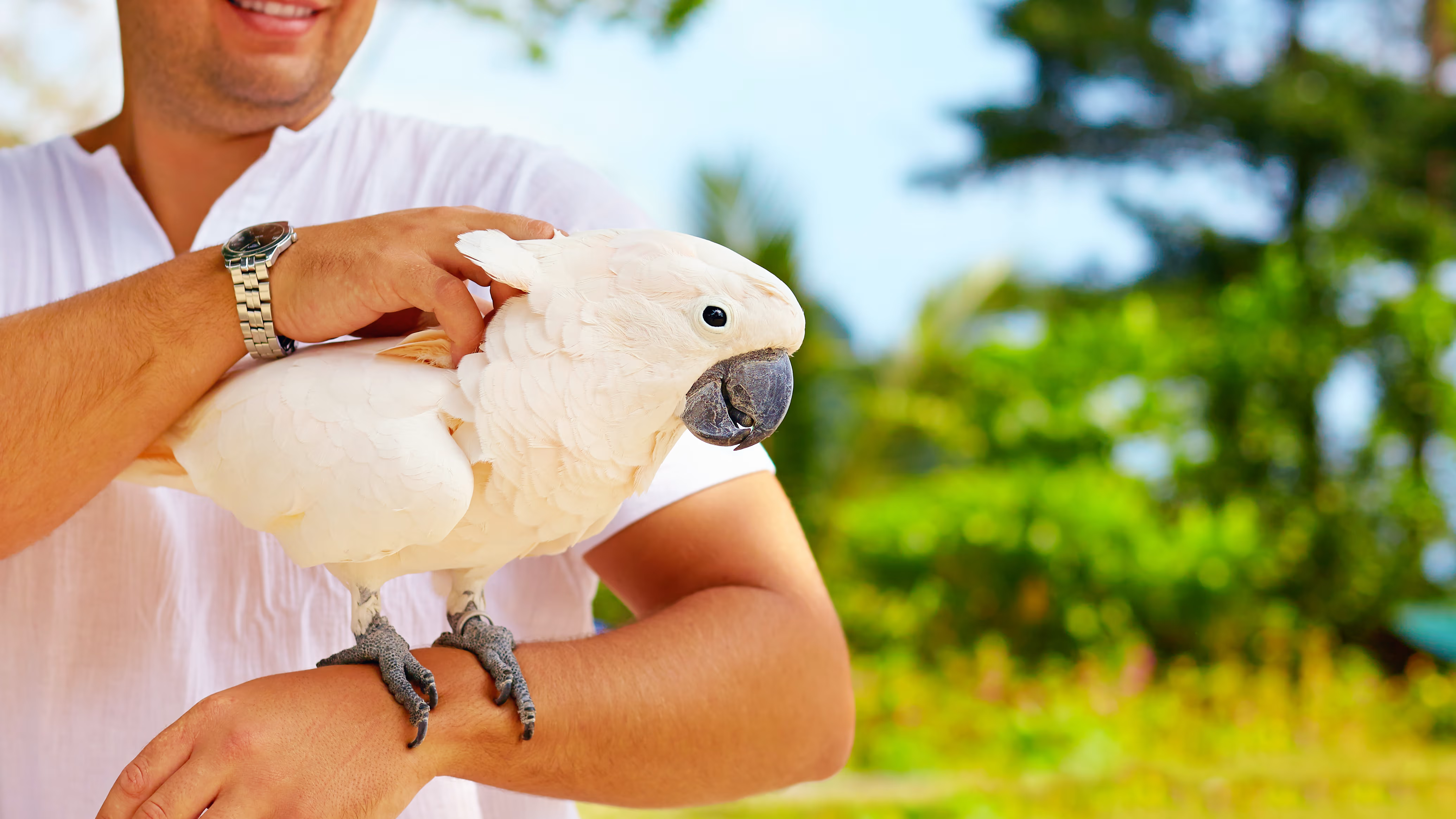
Learn how to care for small hookbill parrots, recommended diet & bird cage setup. Find the right food, supplies & equipment at your neighborhood Petco.
Updated on November 13th, 2025
Learn more about beachcombing tips with your water-friendly dog to understand how to get most out of your dog’s day at the beach.
Updated on November 13th, 2025
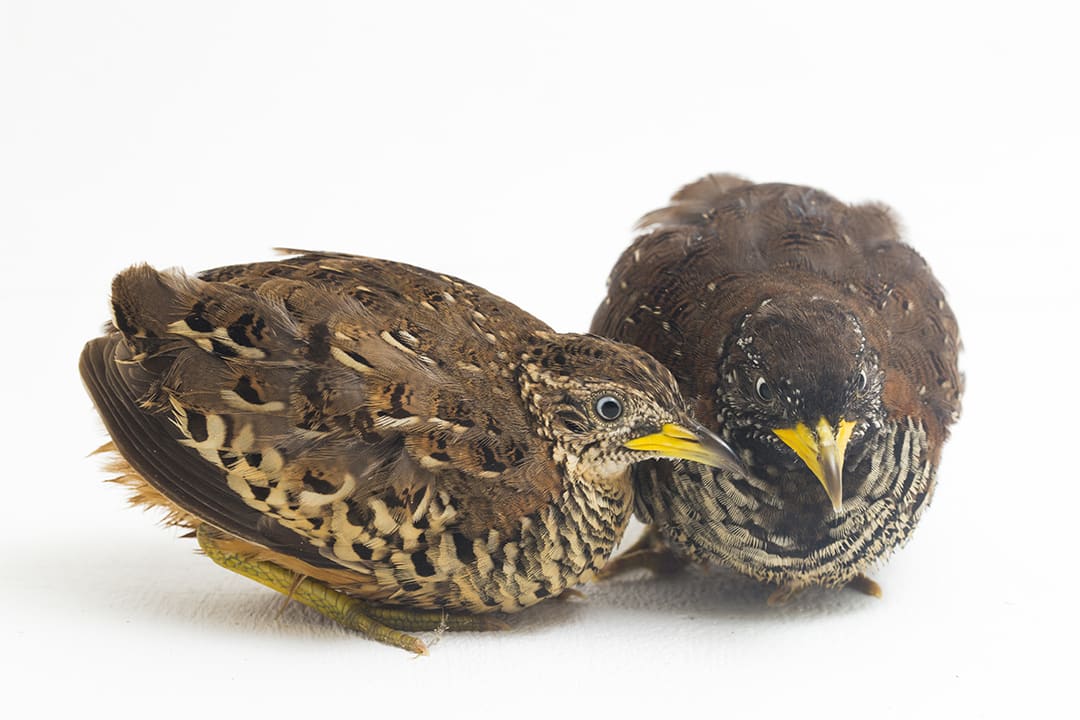
Learn how to take care of Button Quails, recommended diet and housing setup. Find the right food, supplies and equipment at your neighborhood Petco.
Updated on November 13th, 2025
Gradually introduce a pelleted diet such as Exact or Pretty Bird. You can soak it in warm water to make a mush or paste. When you have them out, pretend to show an interest in the new food as this may also pique their curiosity. Decrease the amount of millet offered and have other foods available at all times.
Updated on August 12th, 2025
Most pet stores will carry a balanced diet specific for parrots that offer a complete and balanced diet. You can also offer some fresh fruits and vegetables as an added treat. If you just got your bird home, he may still be adjusting to the new environment and so may be reluctant to be as social. Offering treats may help. If you do see any signs of illness, however, then a vet check up is best.
Updated on August 12th, 2025
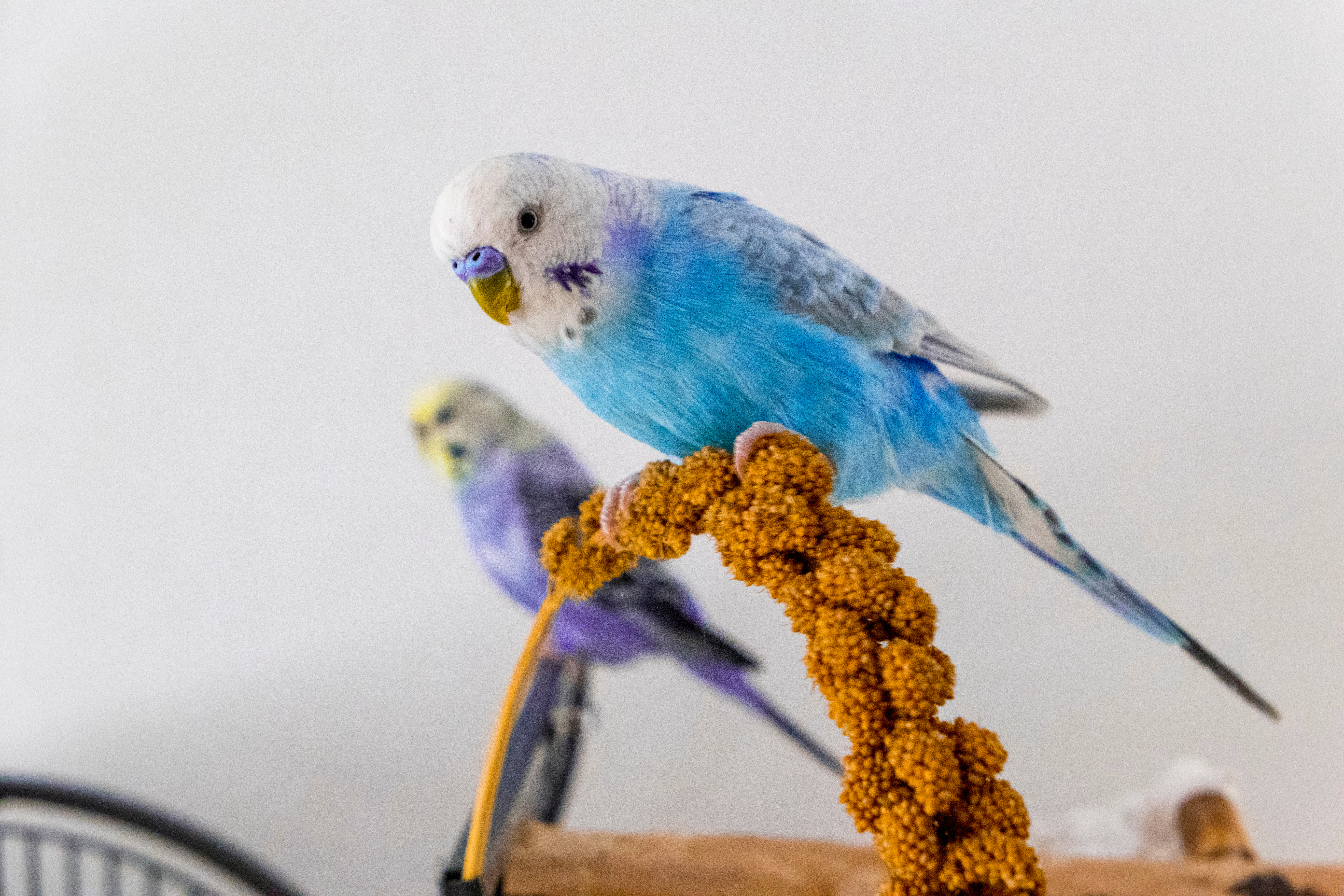
Parakeets, also called Budgerigars, are small members of the parrot family and they can become good mimics. The average adult size is 7 inches long, head to end of tail. The average life span is between 10 to 20 years with proper care. A well-balanced Parakeet diet consists of: Specialized pellets should make up 60-70% of diet, fresh vegetables and fruits and small amounts of fortified seeds Clean, fresh, filtered, chlorine-free water, changed daily. Do not feed birds: avocado, fruit seeds, chocolate, caffeine or alcohol; it can cause serious medical conditions. Avoid sugar and high fat treats. Things to remember when feeding your Parakeet: Fresh food and water should always be available. Vegetables and fruits not eaten within a few hours should be discarded. Remember, treats should not exceed 10% of total food intake. Housing Parakeets acclimate well to average household temperatures, not to exceed 80°F; be cautious of extreme temperature changes. The habitat should area that is w
Updated on August 12th, 2025

Time, patience, and lots of treats. If you notice Curio has a favorite food, you can start by offering that favorite food only when you're interacting with him. IE, when you pet him, approach his cage, let him out, etc. This can help him to associate you with something fun/good and also make him more curious every time you come by to spend time with him. The same can also be done with toys he likes to play with. Sitting near them when he's out of the cage playing, and feeding a treat every time he comes close or shows interest in you can help teach him that you are safe to interact with and play around. If at any time Curiou becomes nervous or scared, stopping the activity and letting him calm down is best. From there, you can go back to the previous way he was OK with (IE just giving a treat from your hand but not petting) and work again from there.
Updated on August 12th, 2025
Just like people- birds can become picky eaters. We love to eat potato chips over our veggies, and many birds will enjoy millet over their regular diet! You may need to remove all the 'extras' to see if it will encourage Pepper to start eating his diet again, or mix a little millet in to his regular food (however some birds will pick out their favorites). If he's acting ill in addition to not wanting to eat his regular food, and isn't still improving as you mentioned, or he absolutely refuses even if all millet is removed, seeking vet care is always a good idea to rule out an illness or something such as GI upset that could be causing his preferences to be changed. Until you can get to the vet, keeping him warm, in a separated hospital cage, and with easy access to food and water can help.
Updated on August 12th, 2025