Two Easy Ways to Start Earning Rewards!
Earn 2X Pals Rewards points at Petco
when you use Petco Pay!
Get It Today
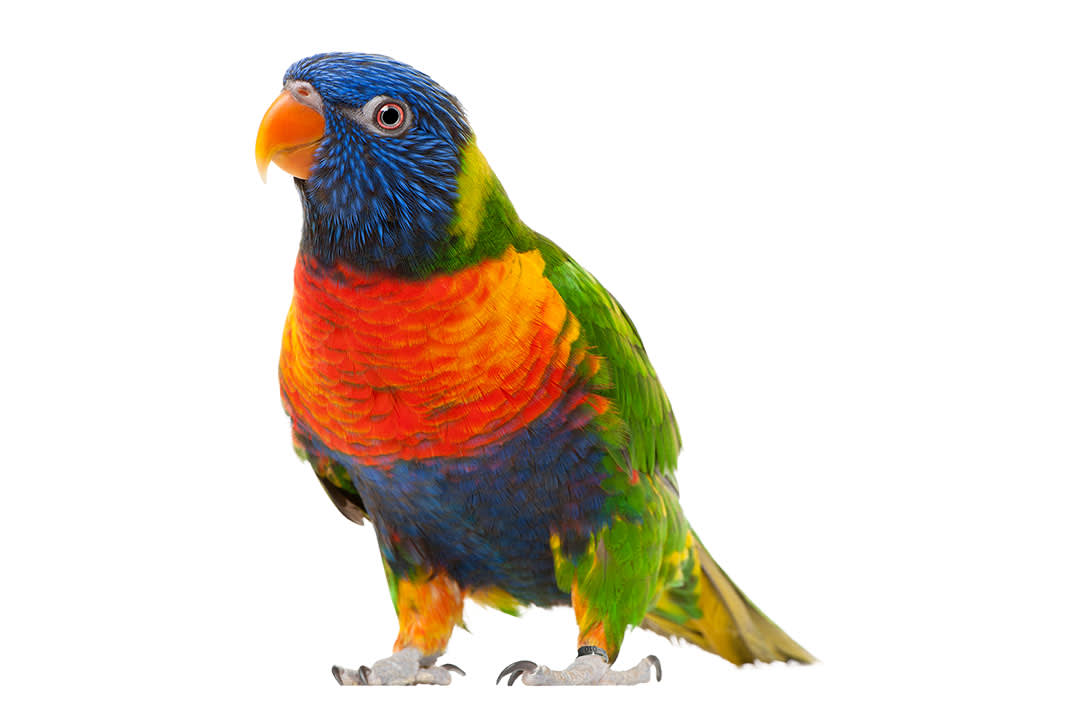
Learn how to take care of Lory and Lorikeets, recommended diet and habitat. Find the right food, supplies and equipment at your neighborhood Petco.
Updated on October 23rd, 2025
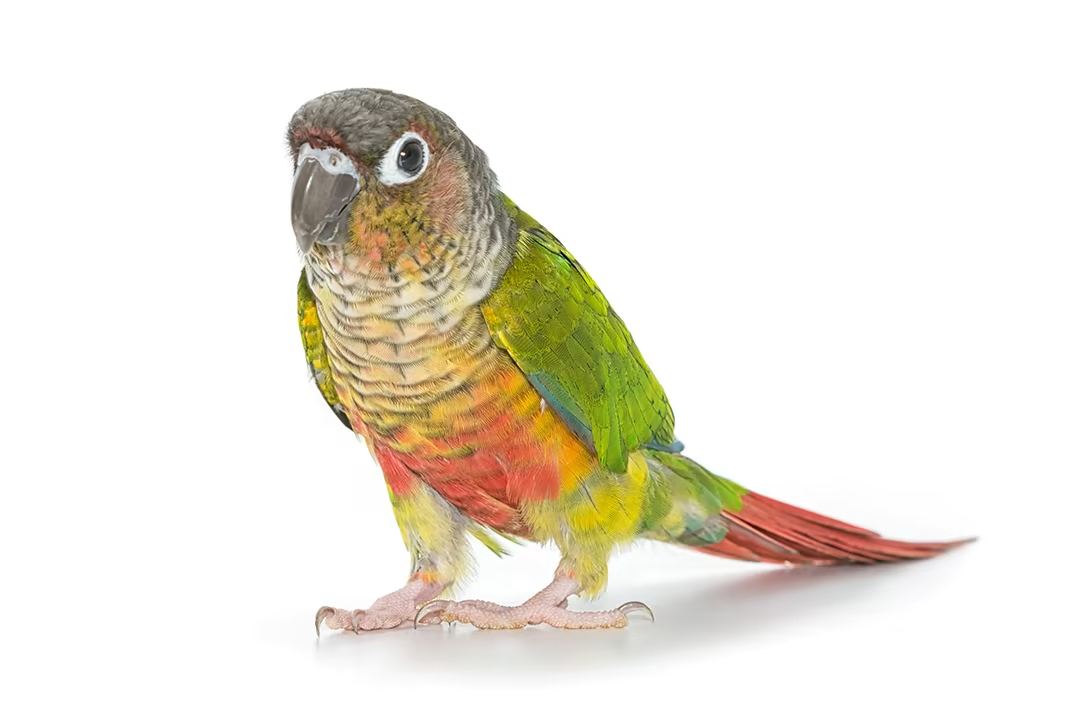
Green-cheek conures are highly inquisitive, bold, and engaging birds. Learn how to care for Green-cheek conures, what to feed them, habitat setup, and more.
Updated on October 23rd, 2025
Welcoming a new pet into your family is exciting! But it can be stressful for your new bird. Use these steps to help socialize your bird and welcome them into your home.
Updated on October 23rd, 2025
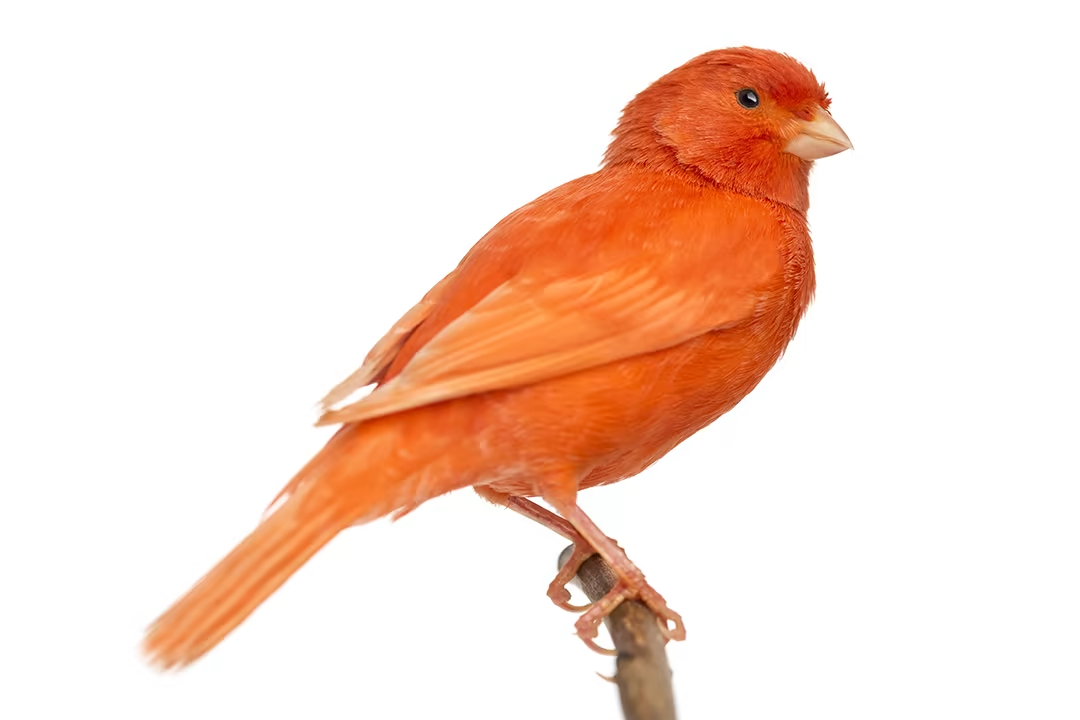
Learn how to care for a Canary, Canary facts, recommended diet and habitat setup. Find the right food, supplies and equipment at your neighborhood Petco.
Updated on December 21st, 2025
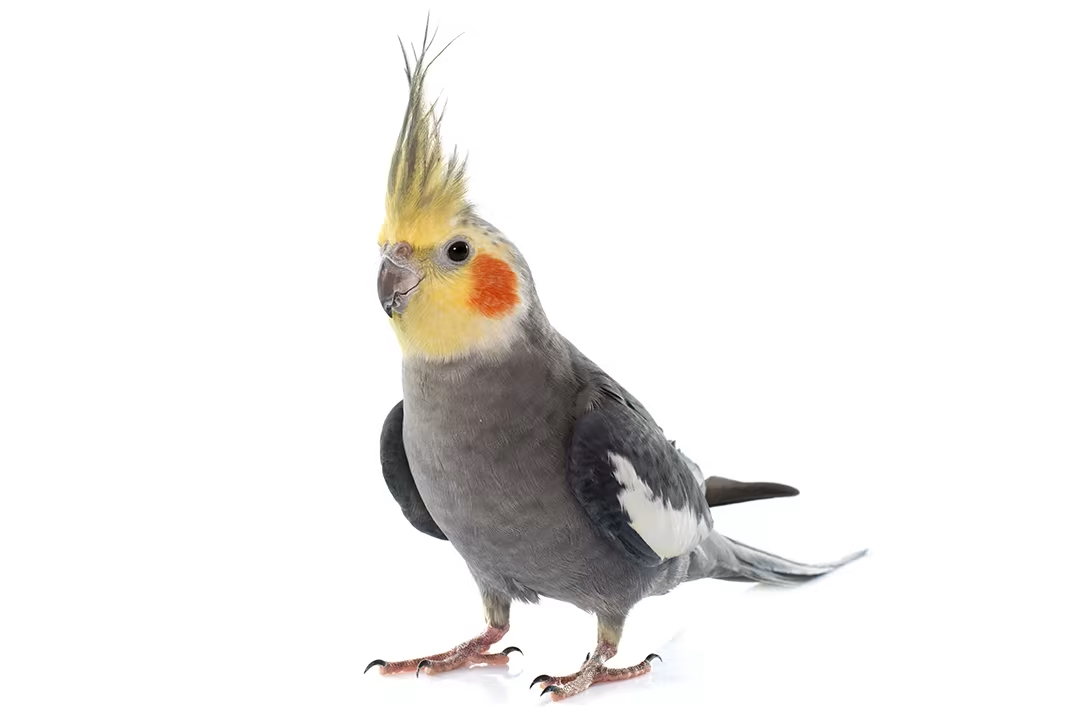
Cockatiels are small, crested members of the parrot family. They are known for their mellow nature. Gray is the most common color, but also available in fancy, lutino, and pied color variations.
Updated on October 23rd, 2025
Congratulations on your new pets! Lovebirds can live between 10-15 years if properly cared for. You should have several perches of different diameters and materials in their cage, a cuttlebone to keep their beaks trimmed, and some toys that are variable (some destructible toys such as crinkle paper are okay as well). You can also offer some leafy greens and fruits/veggies. I hope this helps and am happy to answer any other questions you may have!
Updated on September 24th, 2025
Thanks for reaching out about Kiki and including a photo. Vegetables are more important, including those that are red, yellow and orange in color, to provide a wide range of vitamins. Fruit are less important as mainly sugar, and should make up at most 10% of diet. Beans and legumes as a protein source is also important. Good luck.
Updated on September 24th, 2025
Thanks for reaching out about Pico and including pictures. Individual birds with respond differently to training techniques. Being the provider of treats and playful activities can gain trust. Letting Pico see you play with the other lovebird, and then want that same experience, might help also. This is a difficult one, because not all birds are tamable. Good luck. Be persistent.
Updated on September 24th, 2025
You can use grapes sliced in half or small bits of cheese as occasional treats. He may feel protective in his cage. You can desensitize him to your hand in the cage by leaving it in there for ever increasing periods of time. Use a small treat or reward after each episode. The vocalization and nibbling while being scratched is normal. When he begins to bite harder or gets "antsy", return him to his cage for a break.
Updated on September 24th, 2025
If treating for infections didn't help I would be worried that there is an underlying neurologic or muscular issue ongoing. Other problems such as parasites, underlying illness or malnutrition are other possibilities. It would be best to bring your bird back into the vet for additional tests including a neuro test, bloodwork, possible X-rays etc to help rule out more serious issues and get them treated. It sounds like he's getting lots of snacks, however adding in a balanced parrot diet (most pet stores carry them) that is a combination of nuts, seeds, and nutrition-balanced pellets should make up the majority of his diet. Fruits and veggies and snacks are great extras, but ensuring he has a balanced base diet can help prevent any nutritional deficiencies.
Updated on September 24th, 2025