Two Easy Ways to Start Earning Rewards!
Become a member today! Members-only pricing and offers, personalized care notifications, Vital Care points back on every purchase and more!
 Become a credit card member today!
Earn 2X Pals Rewards points at Petco
when you use Petco Pay!APPLY NOWLearn More About Petco Pay Benefits
Imagitarium Ball Python Cages, Tank & Terrariums
Get It Today


Related Articles & Questions
- New Pet
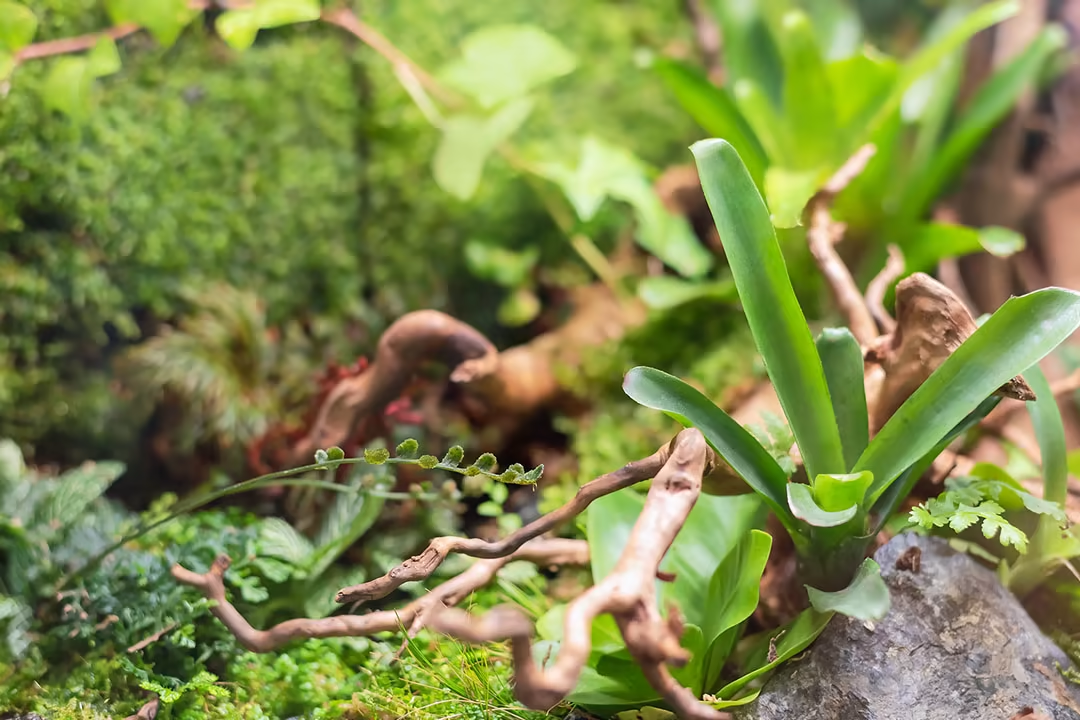
Terrarium Plant Care: Setup, Propagation & Reptile-Safe Plants
Tropical and desert terrarium plants are not only beneficial to terrestrial environments, but they also bring a more natural appearance to your reptile’s habitat.
Updated on November 13th, 2025
- New Pet
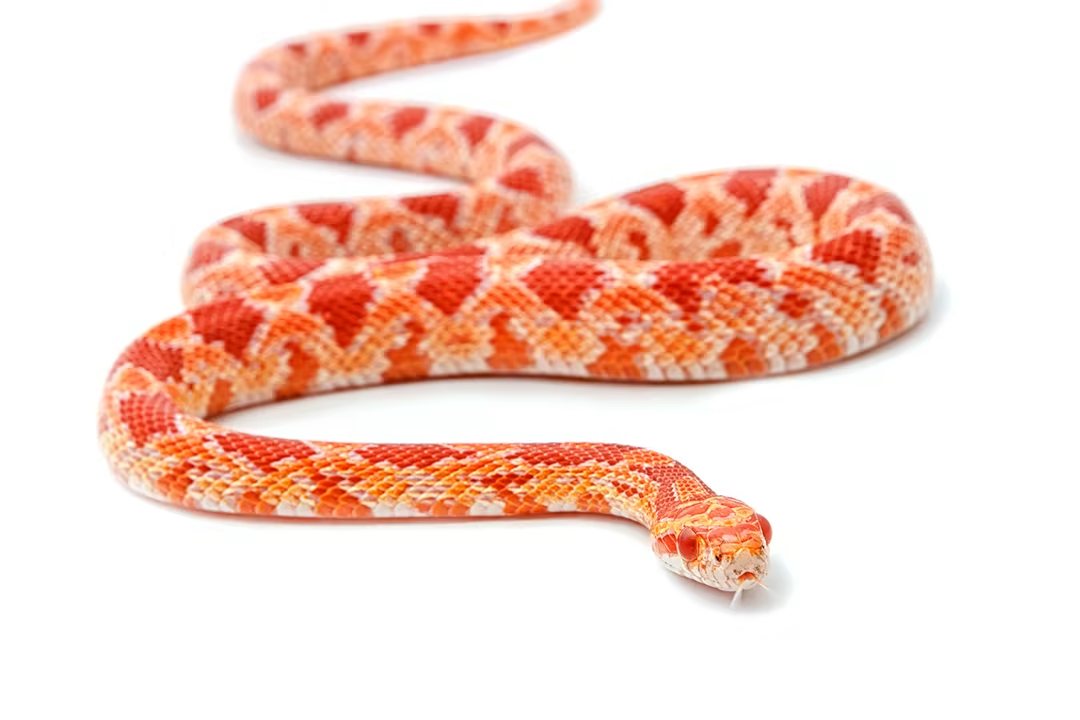
Corn Snake Care Guide: Habitat, Food, Health & Easy Beginner Tips
Corn Snakes are named for the pattern of their belly scales that resembles maize. Learn what to feed them, how large they grow, how to house them and more.
Updated on November 13th, 2025
- New Pet
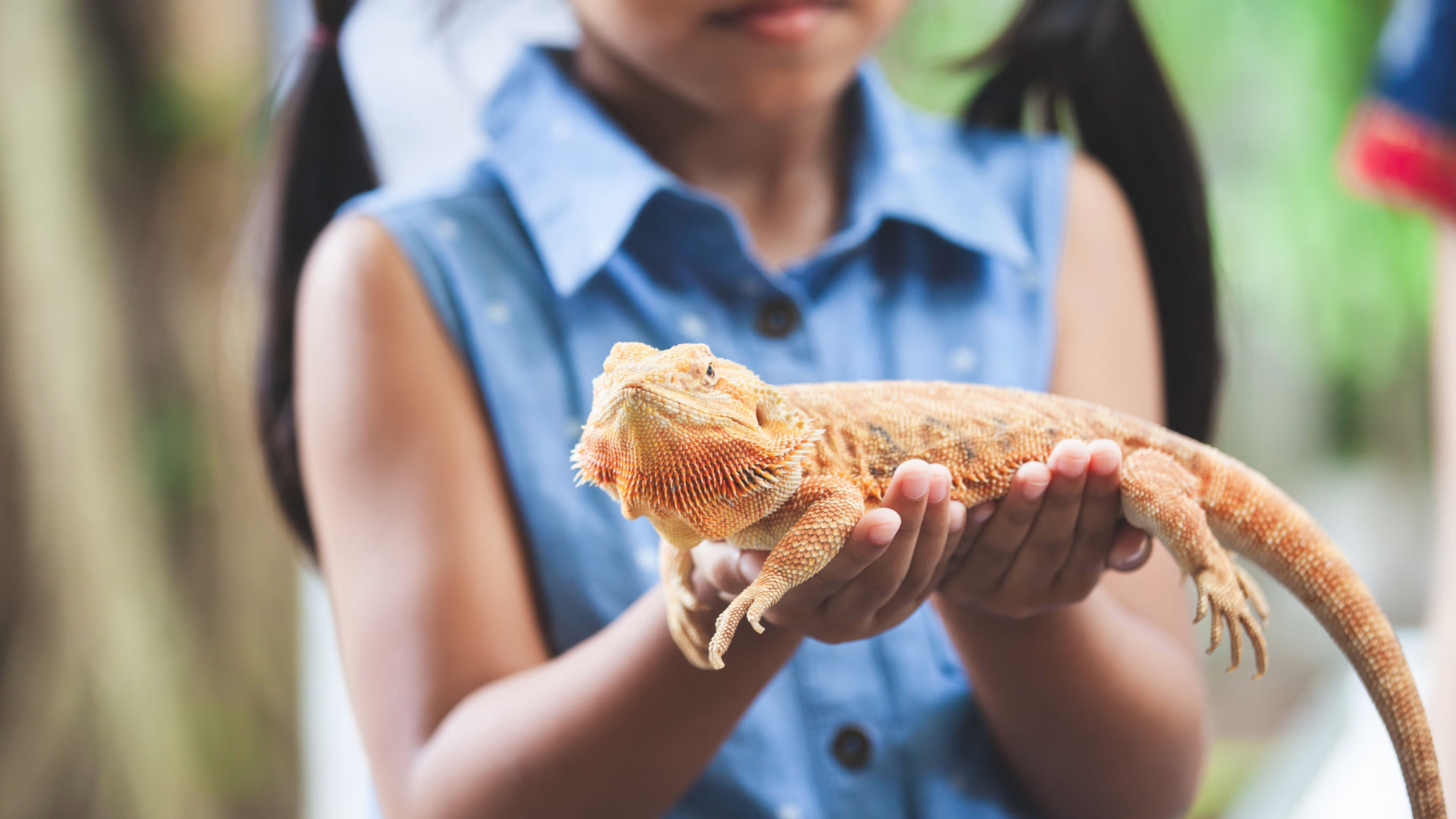
How to Safely Handle Reptiles: Stop Salmonella, Protect Your Family
Read more about our recommendations for preventing the transmission of infectious diseases in reptiles. Keep pets safe with these best practices.
Updated on November 13th, 2025
- New Pet
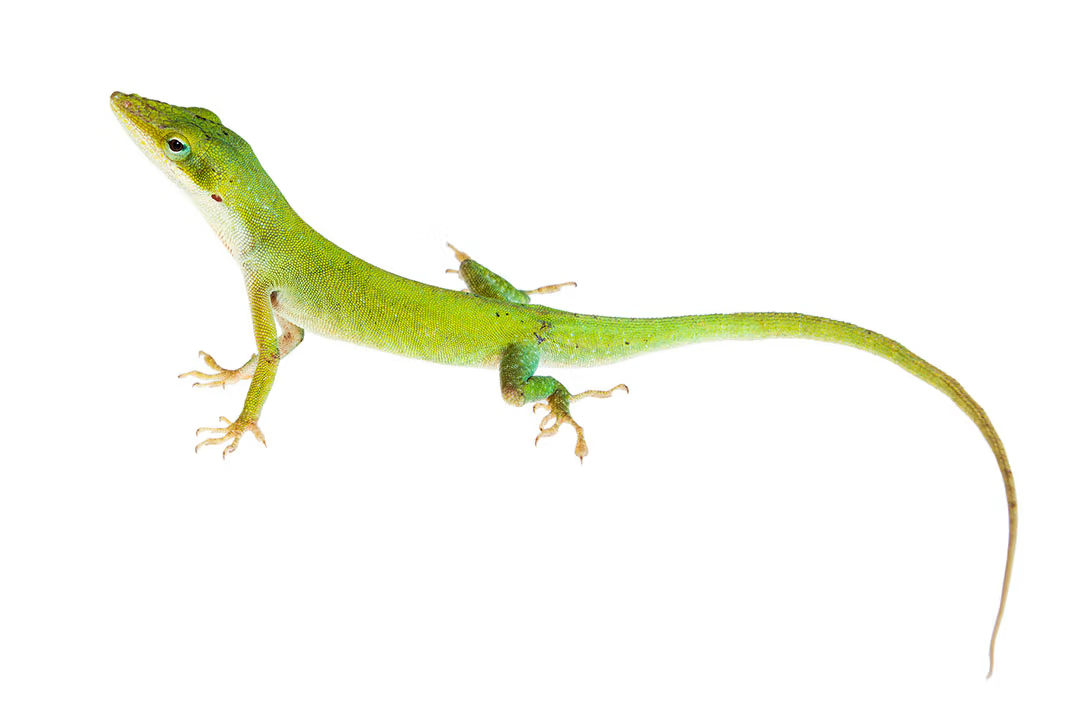
Green & Bahama Anole Care: Your Guide to Habitat, Food & Health
Learn how to take care of Green & Bahama Anoles, recommended diet and tank size. Find the right food, supplies and equipment at your neighborhood Petco.
Updated on November 13th, 2025
- New Pet
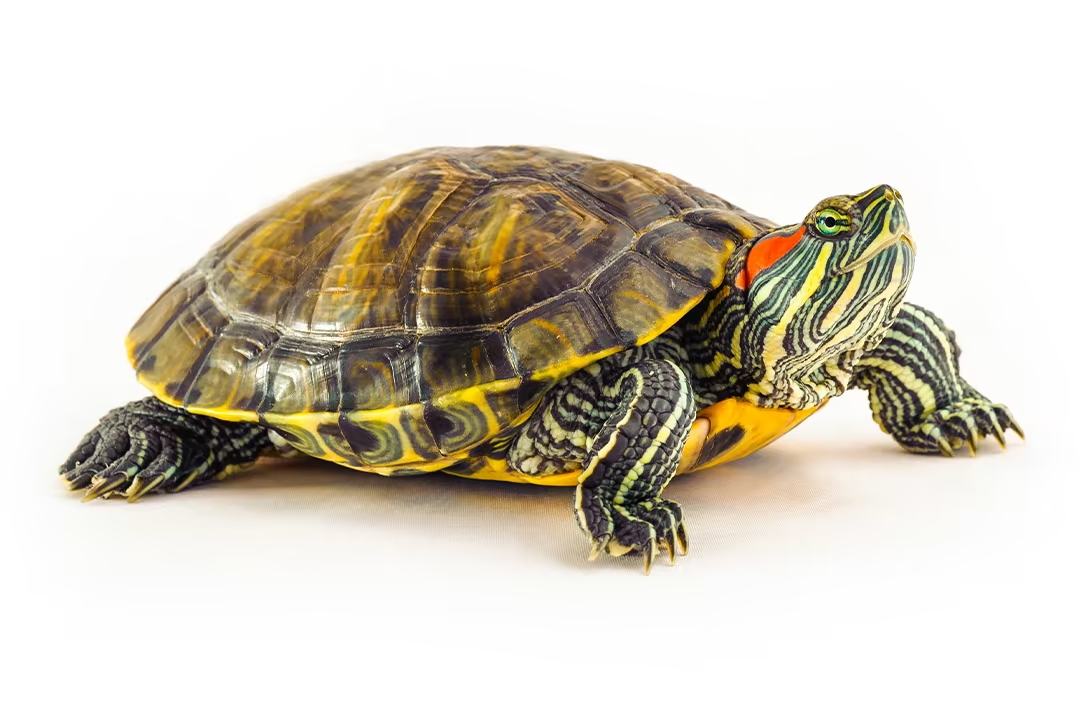
Aquatic Turtle Care: Master Tank, Food & Health for a Healthy Pet
Learn how to care for aquatic turtles available at Petco. Care Sheets provide you with essential info on how to best take care of these interesting pets.
Updated on November 13th, 2025
- Health & Wellbeing
What is the best gecko or other small reptile for a beginning reptile keeper that is relatively cheap not counting snakes because my boyfriend won't let me have one. One of my local pet stores has tokay geckos and leopard geckos the other one has a c
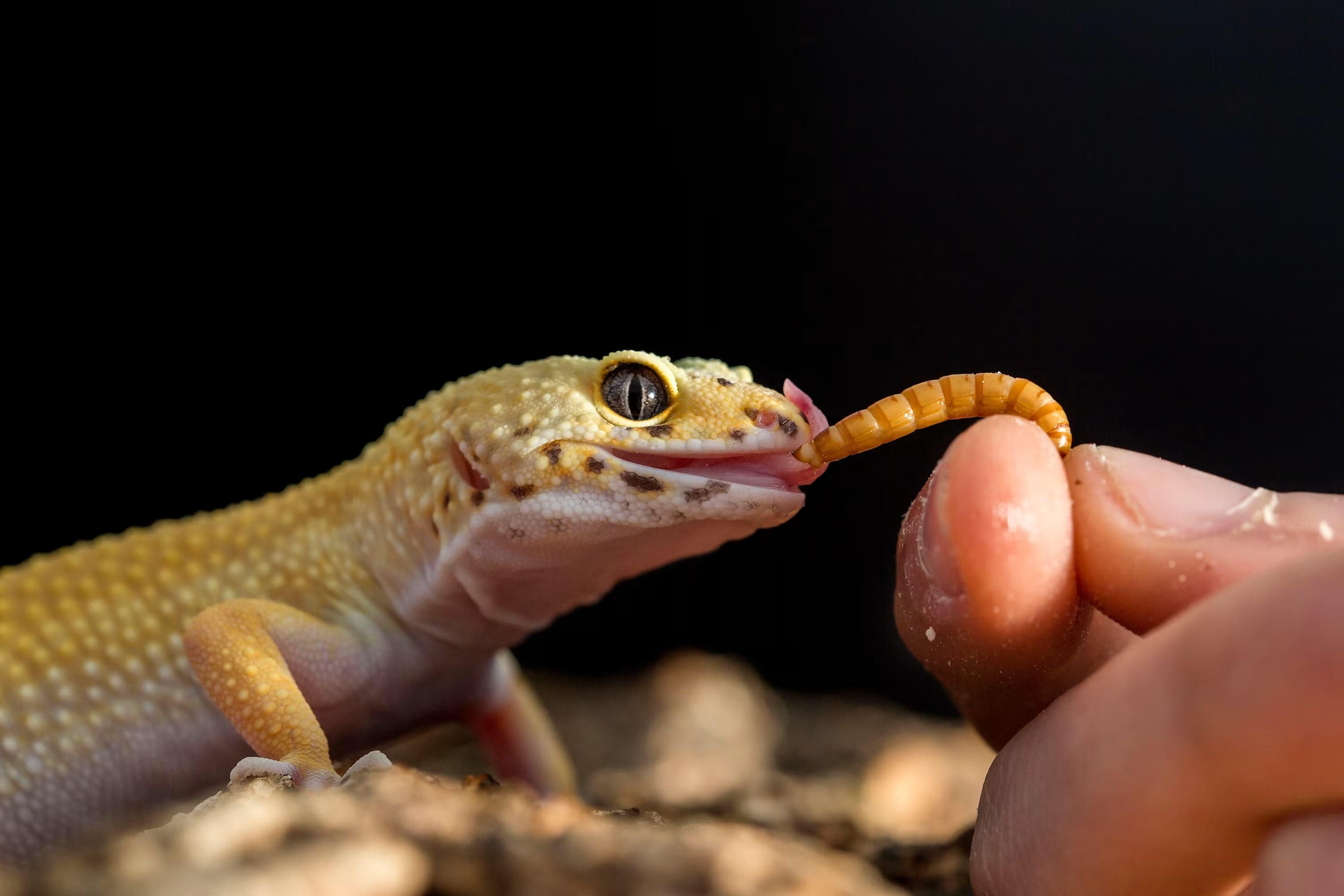
Leopard geckos are great "starter" reptiles. They don't require special lighting (UVB) like other reptiles. A 20 gallon tank is big enough for one. Add a heat source, hides and a water bowl and you are good to go. You can review gecko care at the links below. http://www.reptilesmagazine.com/Care-Sheets/Lizards/Leopard-Gecko/ http://www.anapsid.org/leopardgek.html
Updated on August 12th, 2025
- Health & Wellbeing
My ball python won't eat. When I got him from the store 5 weeks ago, they said they get him every Monday. I tried to stuck to that schedule but he didn't eat the first Monday but ate the second Monday and now it's been three weeks and he still won't
Check enclosure temperatures. Low temps can affect appetite in reptiles. A cold snake will not eat. Once that is done, survey the area around the cage for any negative stimuli. This could be bright lights, loud noises or vibrations or lots of traffic. Eliminate or reduce any negative stimuli if possible. Offer prey at dusk or early evening. Cover the cage afterwards for added privacy and security. If you feed frozen prey, be sure it is thoroughly thawed and warmed before offering. If he still won't eat, carefully check in and around his mouth for signs of injury or infection. This includes swelling, redness, bleeding or discharge. See your veterinarian if any of these signs are observed.
Updated on August 12th, 2025
- Health & Wellbeing
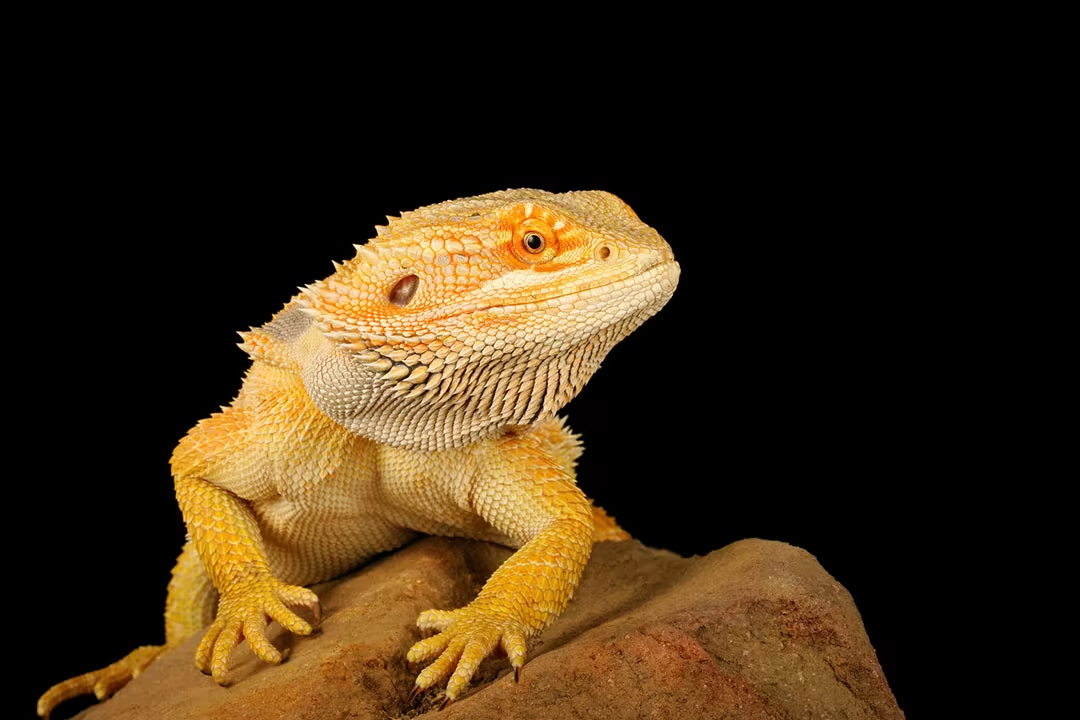
Is my set up for my bearded dragon good? (See attachment)
Thanks for your question about Smaug, and thanks for the photo as well! I think that you have a good start to your set up, and that we can tweak a few items. First, your lighting situation appears adequate - I see a UVB light (please change this bulb every 4-6 months), a basking light, and a ceramic heat bulb. I would ensure that your temperatures are appropriate for this species, and that you are monitoring them using digital thermometers (I think that you see both a digital and analog thermometers currently) at the level of Smaug. Analog thermometers are inaccurate, so I don't recommend using them (also, they are high up on the sides of the enclosure, so they wouldn't be giving an accurate temperature read for Smaug). For the cage furniture that you have, I like that you have places for Smaug to climb and hide. However, I would recommend having a hide on both the warm side of the enclosure and the cool side so that Smaug has choices. Same for the climbing structures. I may have misse
Updated on August 12th, 2025
- Health & Wellbeing
Male Ball Python 4 years old (aprox) 701 grams. Just got him, his cage had a small amount of mold in it He weezes occassionally. I have him in a tub now, with newspapers in the bottom and heat mat set to 91. His last meal I was told was the 13th
Wheezing can be a symptom of serious respiratory infection (either bacterial or fungal). Ideally, he should be seen by your veterinarian or a vet experienced in treating reptiles for diagnosis and to begin the appropriate medication. Monitor the humidity in his enclosure as this can complicate respiratory infection.
Updated on August 12th, 2025
- Health & Wellbeing
Hello, I've had a ball python for a year now (haven't sexed it) and it seems really small compared to other bps of the same age, I'm very inclined to believe that it is because I have had a very irregular feeding pattern (once I didn't feed it for a
All pythons vary in eating. Most eat weekly but based on shedding and weather they can eat less often. Most pythons grow based on their enclosure. If you want to have it grow bigger try a bigger enclosure and good husbandry (substrate,lighting,water) are super important.
Updated on August 12th, 2025