Two Easy Ways to Start Earning Rewards!
Become a member today! Members-only pricing and offers, personalized care notifications, Vital Care points back on every purchase and more!
 Become a credit card member today!
Earn 2X Pals Rewards points at Petco
when you use Petco Pay!APPLY NOWLearn More About Petco Pay Benefits
Imagitarium Live Food for Spiders
Get It Today


Related Articles & Questions
- New Pet
Is a Reptile Right for You? Essential Questions Before You Buy
Explore our tips about what to keep in mind when choosing the right pet reptile for your family. Consider what they need to stay happy and healthy.
Updated on November 13th, 2025
- New Pet
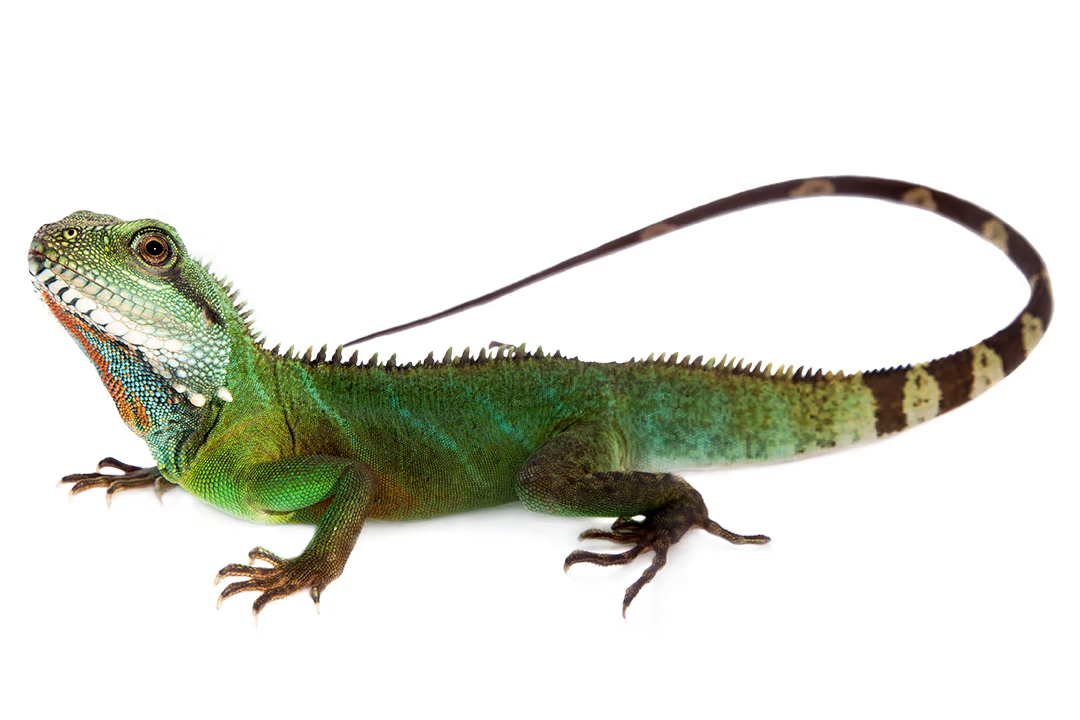
Ultimate Tropical Lizard Care: Habitat, Food & Health for a Happy Pet
Learn how to care for tropical lizards, recommended diet & habitat setup. Find the right food, supplies & equipment at your neighborhood Petco.
Updated on November 13th, 2025
- Food & Nutrition
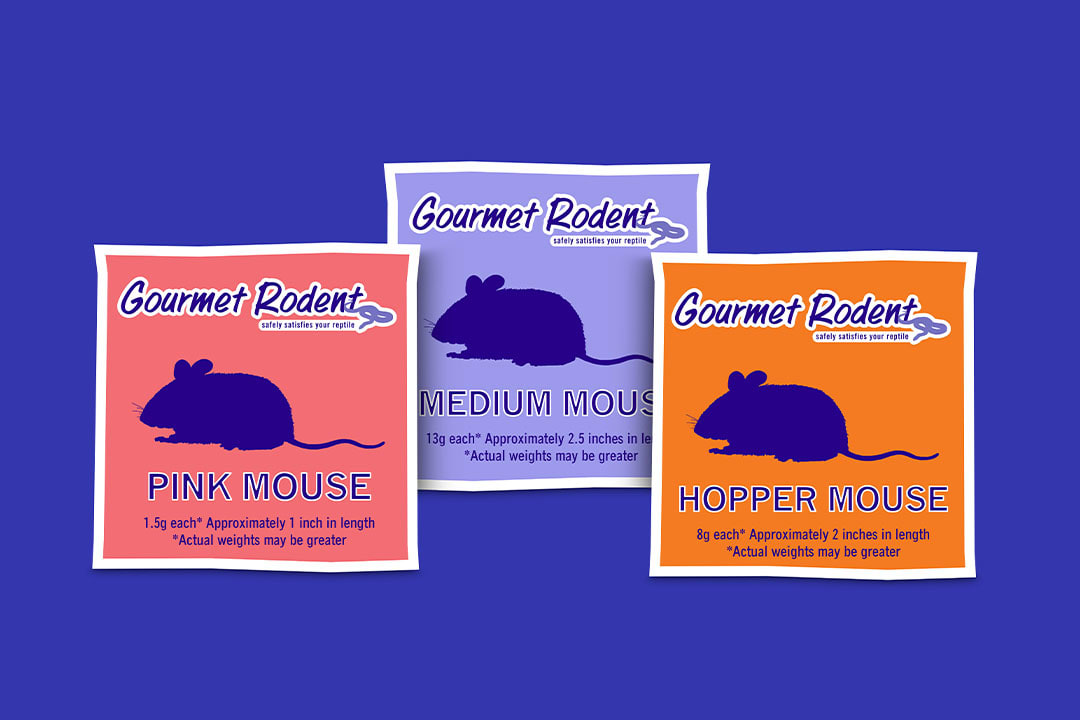
Boost Health: Frozen/Thawed Diet for Your Reptile & Amphibian
Learn how to thaw frozen mice for feeding time. Find out how to safely prepare and clean up after frozen meals at Petco.
Updated on November 13th, 2025
- New Pet
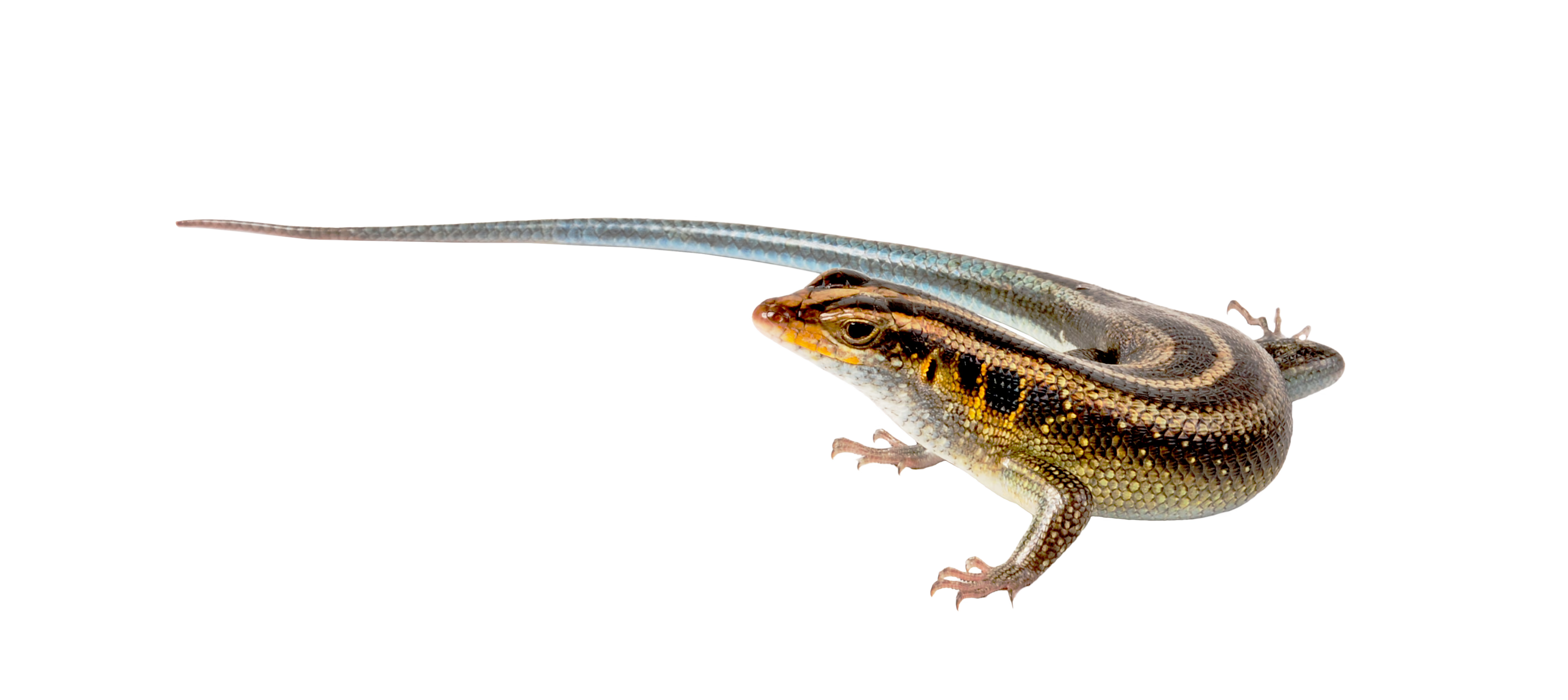
Arid Skink Care: Your Ultimate Guide to Habitat, Food & Health Tips
Learn how to care for an Arid Skink, recommended diet and habitat setup. Find the right food, supplies and equipment at your neighborhood Petco.
Updated on November 13th, 2025
- New Pet
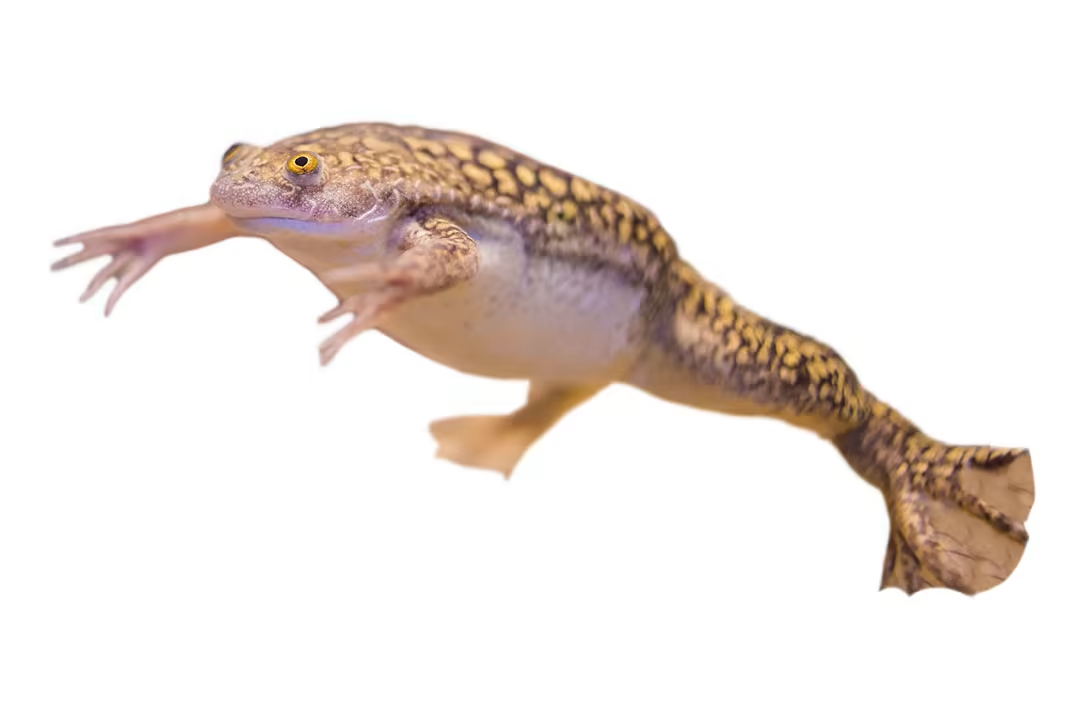
Freshwater Amphibian Care: Ultimate Tank, Food & Habitat Guide
Learn how to care for Freshwater Amphibians, recommended diet and habitat setup. Find the right food, supplies and equipment at your neighborhood Petco.
Updated on November 13th, 2025
- Health & Wellbeing
I have a seven year old red knee female tarantula. She has been climbing her tank and has been extremely active and refuses to eat. Recently I have noticed a few mites in her tank on which I haven't experienced before. I think maybe perhaps I need ne
The enclosure should be at least as wide as 3 times the length of her legs and twice as tall as the length of her legs. Most will do well in a 10 gallon tank, but if have the space and want to "splurge" a 20 gallon tank would be quite spacious. If you don't have the space or budget, then clean and sanitize her current enclosure. Add enough substrate (about half way up) to allow for burrowing. Confirm proper temperature and humidity as either may result in stress if incorrect. You can review care instructions here: http://www.tarantulapets.com/mexican-red-knee-tarantula-b-smithi/
Updated on August 12th, 2025
- Health & Wellbeing
What is the best gecko or other small reptile for a beginning reptile keeper that is relatively cheap not counting snakes because my boyfriend won't let me have one. One of my local pet stores has tokay geckos and leopard geckos the other one has a c
Leopard geckos are great "starter" reptiles. They don't require special lighting (UVB) like other reptiles. A 20 gallon tank is big enough for one. Add a heat source, hides and a water bowl and you are good to go. You can review gecko care at the links below. http://www.reptilesmagazine.com/Care-Sheets/Lizards/Leopard-Gecko/ http://www.anapsid.org/leopardgek.html
Updated on August 12th, 2025
- Health & Wellbeing
My Pet is a mid size lizard. Tegu began to tremble upper and lower toes. I could see his muscles spaz. He really cares for no food such as crickets and worms. He had a mouse 5 days ago. There was some soured watermelon in his cage I removed. I rea
Check the temperature in his enclosure. Low temps can affect appetite in reptiles. If he isn't eating or not exposed to high quality UVB lighting, he can become calcium deficient which could account for the tremors. If he is less than 30 inches long, confirm a basking temp of around 115 F. If he is bigger, bump basking temp to between 125 F and 135 F. Multiple lower wattage lights over a larger area are recommended over one high intensity light source. Try to get him to eat and offer a calcium supplement. If you can get a liquid supplement, that would be best right now. Zoo Med and Fluker's offer such a supplement.Soak him in a warm 50/50 solution of water and unflavored PediaLyte to treat or prevent minor dehydration. if he doesn't eat or if the tremors worsen, have him examined by your veterinarian or a vet experienced in treating reptiles as soon as possible.
Updated on August 12th, 2025
- Health & Wellbeing
Is my set up for my bearded dragon good? (See attachment)
Thanks for your question about Smaug, and thanks for the photo as well! I think that you have a good start to your set up, and that we can tweak a few items. First, your lighting situation appears adequate - I see a UVB light (please change this bulb every 4-6 months), a basking light, and a ceramic heat bulb. I would ensure that your temperatures are appropriate for this species, and that you are monitoring them using digital thermometers (I think that you see both a digital and analog thermometers currently) at the level of Smaug. Analog thermometers are inaccurate, so I don't recommend using them (also, they are high up on the sides of the enclosure, so they wouldn't be giving an accurate temperature read for Smaug). For the cage furniture that you have, I like that you have places for Smaug to climb and hide. However, I would recommend having a hide on both the warm side of the enclosure and the cool side so that Smaug has choices. Same for the climbing structures. I may have misse
Updated on August 12th, 2025
- Health & Wellbeing
What should I feed my red ear slider with shell pyramiding and how often?Also which heat lamp would you recommend?Picture 1 or 2?How many watts should I get for the heat lamp?
A proper diet for red-eared sliders includes a complete pellet, such as those made by ReptoMin, and dark leafy green vegetables. This can be fed once per day, and the amount should be based on how many pellets Cooper can eat in 5-7 minutes. This is just a guideline, and your veterinarian can help you to determine if this is appropriate based on Cooper's body condition score (i.e. whether she is overweight or not). For a heat lamp - photo 1 just looks like the dome, and there doesn't appear to be a bulb in it. The second lamp looks like it is a daytime only heat lamp - it is often beneficial to have a heat source that can be used during the day or at night, and if that is what you are looking for, I would recommend a ceramic heat bulb. If you are looking for only a daytime basking bulb, there are many brands that would be appropriate. The key words that you should look for are "daytime basking bulb." For watts - it depends on how far the bulb is away from your turtle - there are some b
Updated on August 12th, 2025