

Two Easy Ways to Start Earning Rewards!
Become a member today! Members-only pricing and offers, personalized care notifications, Vital Care points back on every purchase and more!
 Become a credit card member today!
Earn 2X Pals Rewards points at Petco
when you use Petco Pay!APPLY NOWLearn More About Petco Pay Benefits
Jungle

Related Articles & Questions
- New Pet
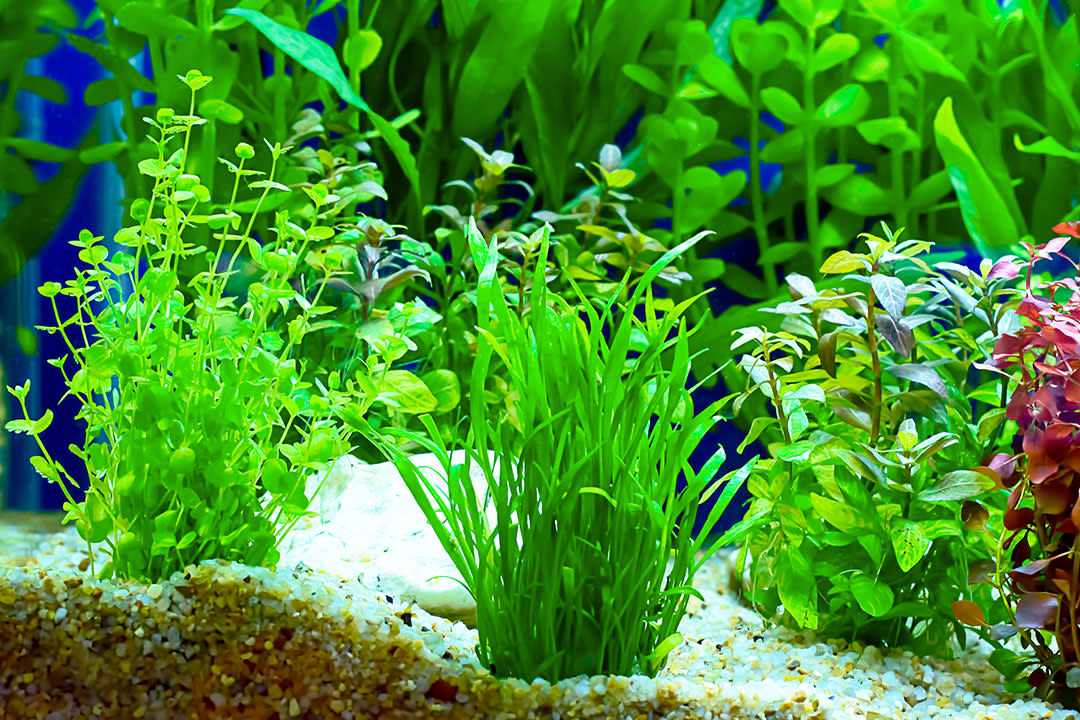
Master Aquatic Plant Care: Lush Aquarium Plants & Happy Fish
Tanks with live plants can be excellent additions to your home, bringing a touch of nature indoors. Learn how to take care of aquatic plants.
Updated on November 6th, 2025
- New Pet
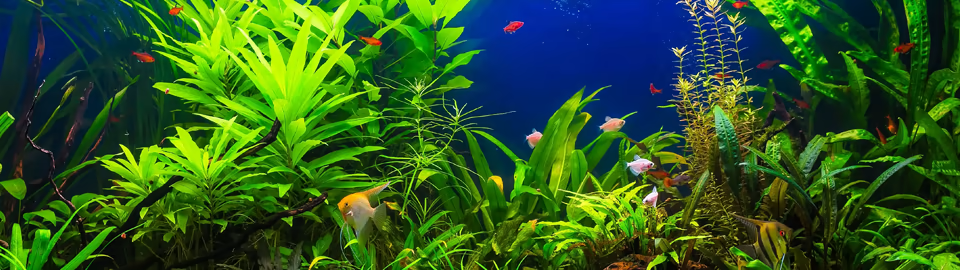
Perfect First Fish: Easy & Hardy Freshwater Pets for Beginners
Some fish species generally do well in smaller aquariums, are more adapted to aquarium life, & can be slightly more forgiving with water quality fluctuations.
Updated on October 23rd, 2025
- New Pet
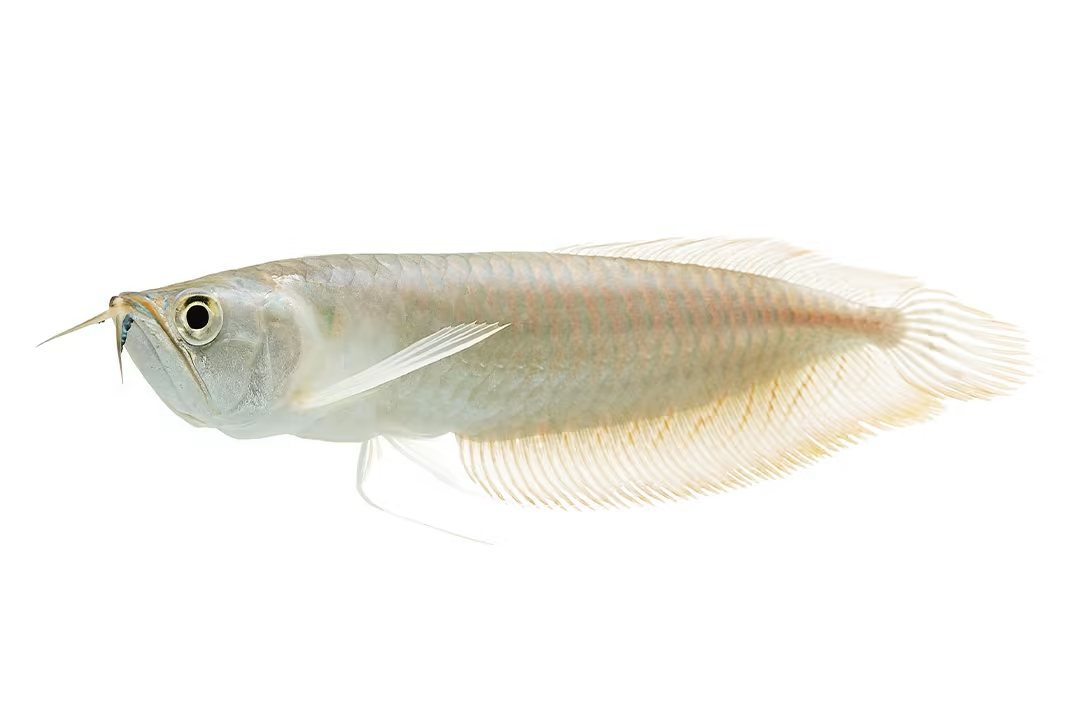
Arowana Care: Tank, Food, Health for a Thriving Predatory Jumper
Arowana are large and often aggressive with the potential of rapid growth. Learn how to care for Arowana, what to feed them, tank size, and more.
Updated on October 23rd, 2025
- New Pet
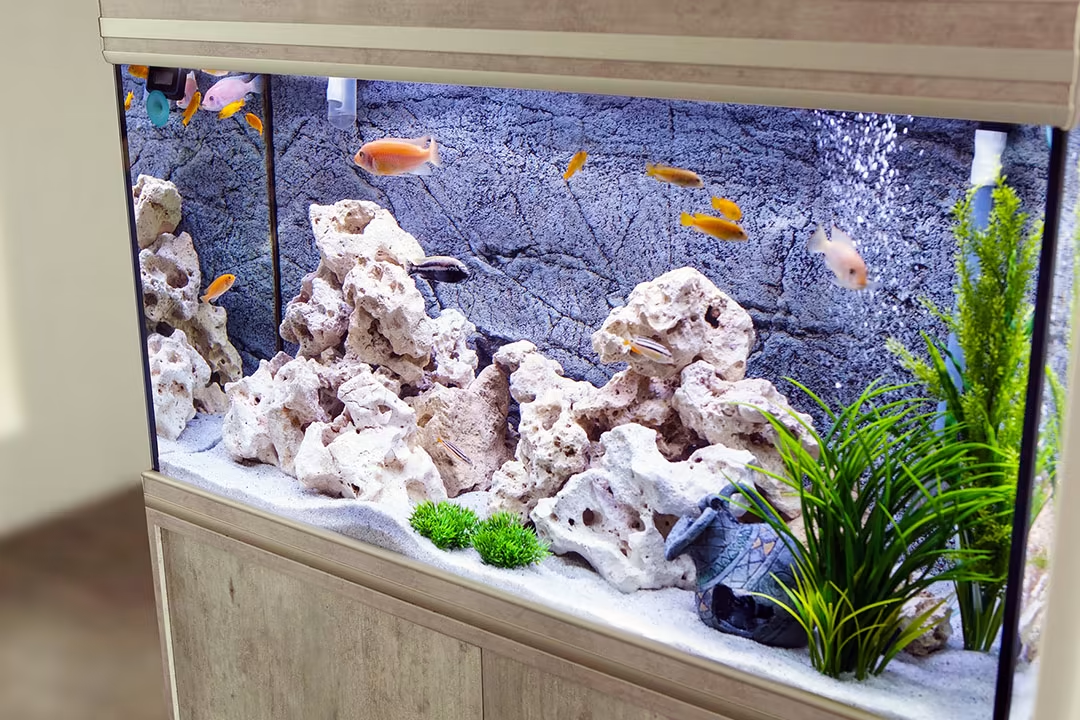
Aquarium Water Quality: Master Healthy Fish & Crystal Clear Tanks
Learn how to test your aquarium water. Poor water quality stresses fish, which leaves them susceptible to disease and possibly death.
Updated on October 23rd, 2025
- Seasonal Topics
Aquaculture for Pet Fish: Essential for Healthy Tanks & Happy Pets
Although you may not realize it, aquaculture is something that touches our lives on a regular basis. Read more about what exactly aquaculture is, why it is important.
Updated on October 23rd, 2025
- Health & Wellbeing
My fish is gone like I don’t know where it went. I had 4 fish living together in a 5 gallon tank. The fish are big but I don’t want to get another tank as that would be a lot of work.I only have fish they are my only pets so it’s not like a cat ate
That tank is way too small for those fish. I would get a larger tank as soon as possible as that can't be comfortable for them in such a small space. It is possible one hopped out of the tank and is stuck somewhere, or the fish ate the missing one since the tank is so small.
Updated on September 24th, 2025
- Health & Wellbeing
I have a few problems in my cichlids tank currently. 1. There are these tiny white gnat like flying bugs coming out of the water? 2. Brown algae on the glass won’t go away! But I have snails and an eel so I don’t know what to use that won’t kill the
Those could be copepods. They are typically harmless and difficult to completely eradicate. On the good side, they are a sign of a healthy tank and are useful in eating decaying matter in the aquarium. The brown algae can be due to insufficient lighting or lighting periods. You can wipe down the glass and plants, perform a partial water change and increase lighting. It can take weeks to month to resolve. Use only aged or conditioned water that is temperature matched to prevent stress or shock. Confirm stable water chemistry and quality. Make sure the water temperature is correct as well. Too warm or too cold can cause stress. Look the Jack Dempsey over for signs of injury or infection. Ich, bacterial infection or fungal infection can cause the fish too twitch or shiver. Plain aquarium salt (NOT table salt or Epsom salt) dissolved at 1 tablespoon per 5 gallons of water is a great general tonic that can reduce stress, improve gill function, treat minor infection and aid in any recover
Updated on September 24th, 2025
- Health & Wellbeing
Hi I recently got six fish and four of them are good but two of them which are the same type of fish haven't eaten anything ever since I got them I don't know if it's the food. And one seems lost and keeps bumping into the tank and they usually stay
The fish pictured are incompatible in the same tank. Angelfish (black ones) are tropical fish and do best in temps between 73 F and 84 F. Goldfish (white and orange) are cold water fish thriving in temps between 65 F and 72 F. It also appears as if one of your angels has some damage to a tail fin. This is typically due to fin nipping by other fish. You will need to remove either the angels or the goldfish and place them in a different tank. Check the water chemistry for elevated levels of ammonia or nitrites. This can occur in an uncycled tank or a tank that is overstocked. Partial water changes (30-50%) daily can decrease toxin levels. Use only aged or conditioned water that is temperature matched to prevent stress or shock. Confirm your filter is rated for at least twice the water volume of the tank, especially for the goldfish. The links below provide additional information for care of angels and goldfish. http://aquariumtidings.com/angelfish-care/ http://aquariumtidings.com/al
Updated on September 24th, 2025
- Health & Wellbeing
I got some new fish yesterday but I am not sure what type they are as they were s gift. They are black and a bit small. I want to know what type of fish they are and what they would need. Can you please help me with what type pf fish they are and wha
As for what kind of tank you will need: Basically a square fish tank, do not get a bowl. You will likely need a heater and an air pump, and a thermometer, It is easiest to by a complete kit at a pet shop. As for size of tank: The bigger is always the better....however a minimum size will be determined by the type of fish and their average size they will grow into, So once we know what type of fish you have and how many, we can tell you how big your tank needs to be and what type of "furniture" (rocks, plants, gravel) you will need.
Updated on September 24th, 2025
- Health & Wellbeing
hi, I need some help with water condition of my fish tank. I’ve recently got 6 new fish and added in my 10 gallon fish tank three days ago. I did set up my tank for 48 hours before adding fish but now the water gets cloudy with tiny air bubbles on th
48 hours is not long enough for a tank to properly cycle. Several weeks to a couple months are needed for beneficial bacteria to populate the substrate and filter. These bacteria break down wastes (ammonia, nitrites, nitrates) that are harmful to fish and can promote bacterial blooms resulting in cloudy water. The overfeeding likely contributed to the bacterial bloom. You can cycle with or without fish, however cycling with fish will increase the risk of loss. You'll need to monitor chemistry using a liquid test kit. The kits with strips are not as accurate. Perform partial water changes, no more than 25%, every few days or if ammonia levels begin to affect fish. Use only aged or conditioned water that is temperature matched to prevent stress or shock. Feed them every other day. Normally, you would add one fish at a time but that isn't possible for you now. Monitor chemistry and perform water changes until ammonia and nitrites are 0.25ppm or less and nitrates are 40ppm or less. This
Updated on September 24th, 2025