

Two Easy Ways to Start Earning Rewards!
Become a member today! Members-only pricing and offers, personalized care notifications, Vital Care points back on every purchase and more!
 Become a credit card member today!
Earn 2X Pals Rewards points at Petco
when you use Petco Pay!APPLY NOWLearn More About Petco Pay Benefits
JurassiPet
Get It Today


Related Articles & Questions
- New Pet
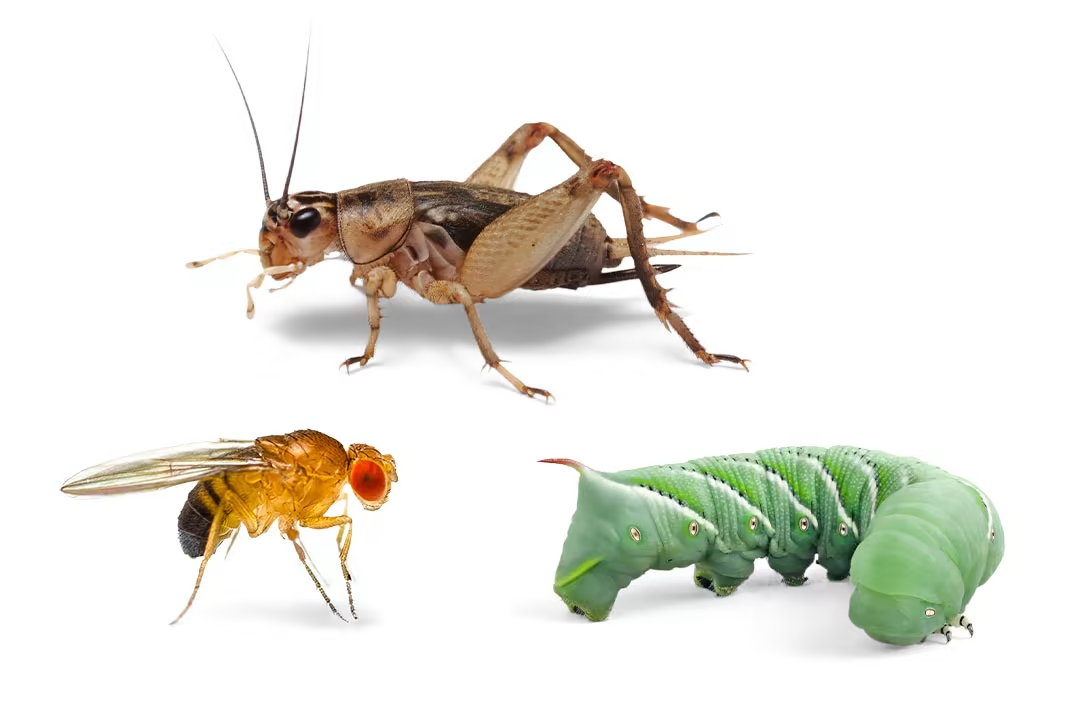
Reptile Feeding: Live Insect Selection & Care for Optimal Health
Learn about live insects for reptile feeding, recommended diet & habitat setup. Find the right food, supplies & equipment at your neighborhood Petco.
Updated on October 23rd, 2025
- New Pet
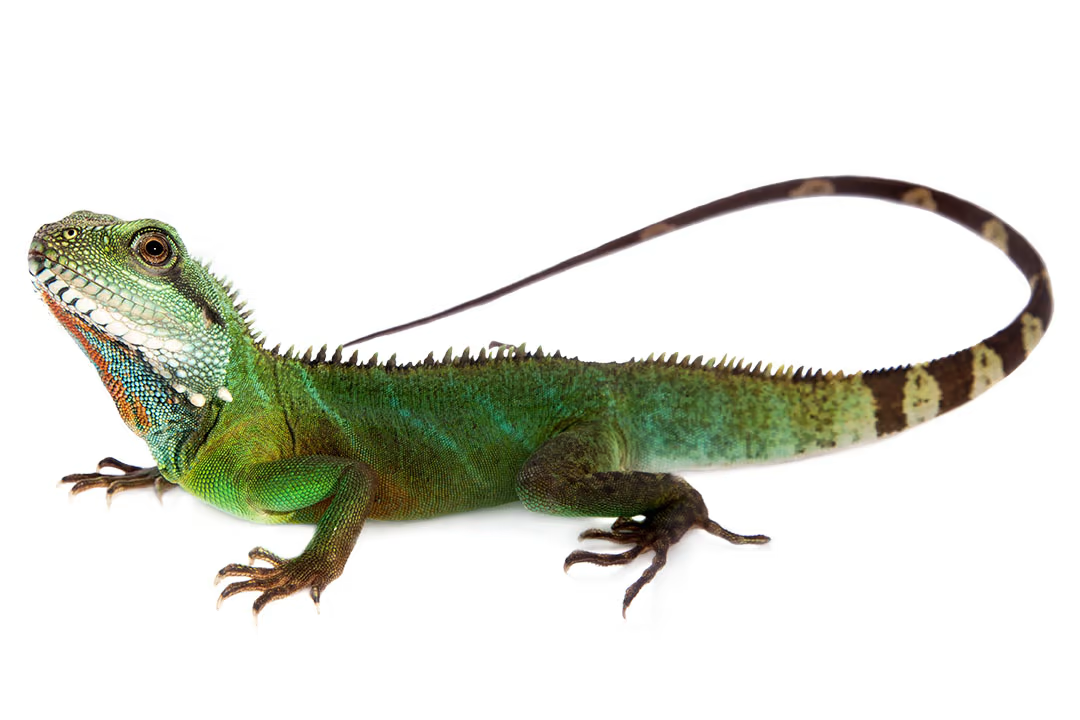
Ultimate Tropical Lizard Care: Habitat, Food & Health for a Happy Pet
Learn how to care for tropical lizards, recommended diet & habitat setup. Find the right food, supplies & equipment at your neighborhood Petco.
Updated on October 23rd, 2025
- New Pet
How to Safely Handle Reptiles: Stop Salmonella, Protect Your Family
Read more about our recommendations for preventing the transmission of infectious diseases in reptiles. Keep pets safe with these best practices.
Updated on October 23rd, 2025
- Home & Habitat
Clean Pet Toys, Beds & Habitats: Stop Germs, Keep Pets Healthy
Learn how to keep your pet's toys, bed, and habitat clean with these easy-to-follow tips, ensuring a healthier and happier environment for your pet.
Updated on October 23rd, 2025
- New Pet
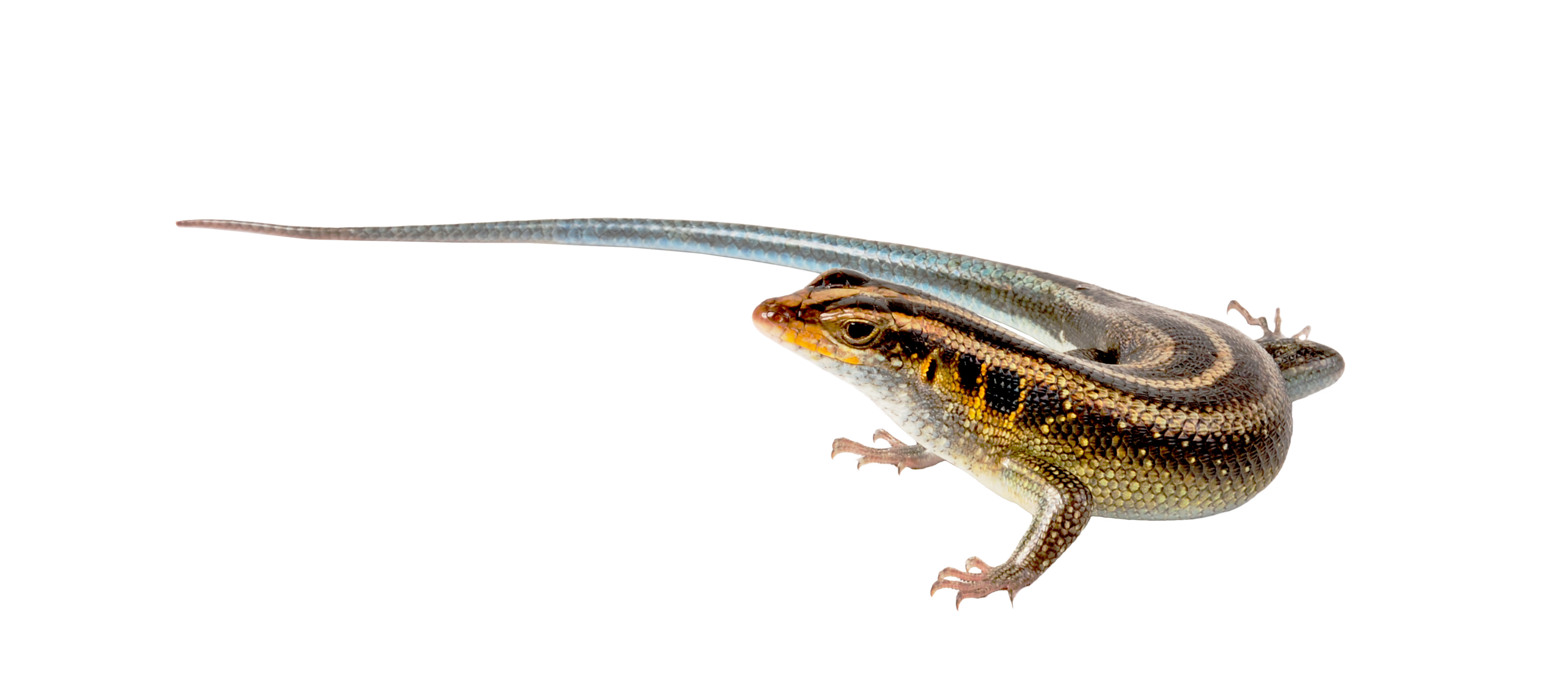
Arid Skink Care: Your Ultimate Guide to Habitat, Food & Health Tips
Learn how to care for an Arid Skink, recommended diet and habitat setup. Find the right food, supplies and equipment at your neighborhood Petco.
Updated on October 23rd, 2025
- Health & Wellbeing
My dog (35 pound, 2 year old corgi) ingested about two 50 grams (1.8 oz) bags of Fluker’s Repta Boost insectavore/carnivore high amp boost and appetite stimulant. The ingredients don’t seem dangerous but I need a second opinion.
At worst, you may see some stomach upset (vomiting or diarrhea). Either can typically be managed at home with a short fast followed by a bland diet fed in small, frequent amounts until symptoms resolved.
Updated on September 24th, 2025
- Health & Wellbeing
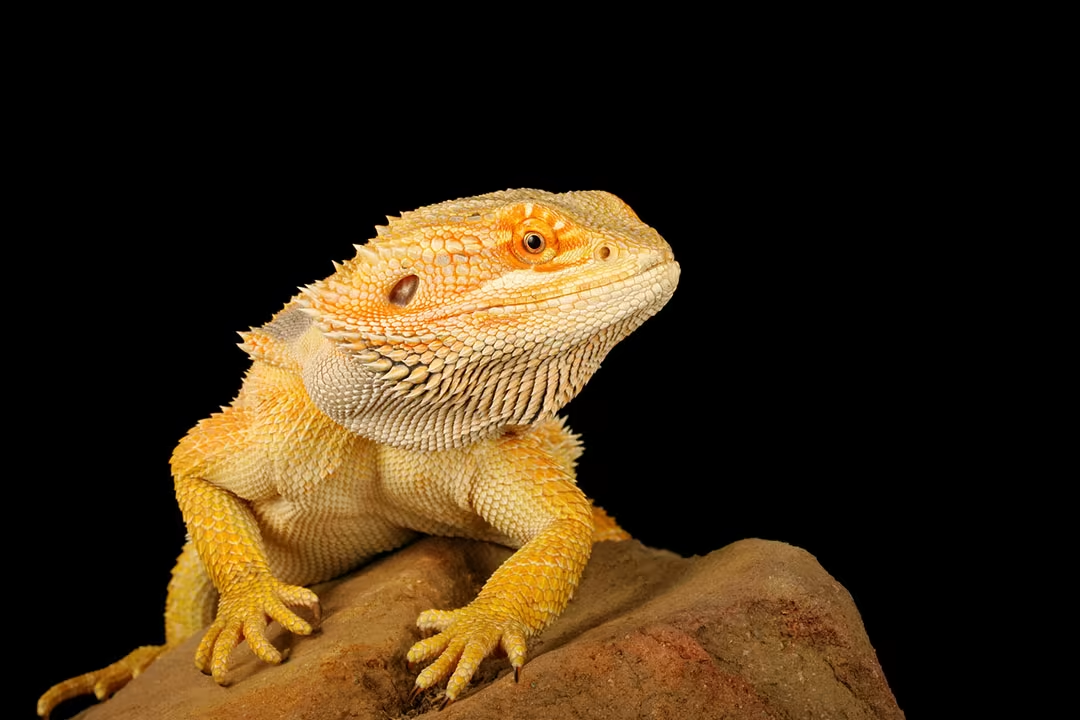
My bearded dragon never really been very active but she's alert and her eyes are clear, etc, but she stopped shedding sometime this fall and she doesn't go to the bathroom very often but she isn't blocked. She has at good appetite and I feed her ever
Thanks for your question about Tarzan. The lack of activity that you are describing may be normal for Tarzan, but when you then combine it with her not shedding and not going to the bathroom very often I begin to suspect that there is something else going on. I would recommend feeding Tarzan a small salad of dark leafy greens on a daily basis, with calcium supplementation 2-3 times per week based on her age. I would also recommend protein 2 times per week based on her age as well. You eluded to having recommended temperatures in the cage, but I didn't see how you were monitoring the temperatures or if there was UVB light provided. I would recommend monitoring using a digital thermometer and changing the UVB light every 4-6 months. I am glad that she seemed to be doing okay at her vet visit in the fall. I didn't see if blood work was performed, but that is something that I recommend for every reptile at regular intervals for wellness examinations, as reptiles are very good at hiding th
Updated on September 24th, 2025
- Health & Wellbeing
Also I don’t know if the boy is bullying her I don’t think he is but they sleep together and seem fine he just pulled off some skin when she was shedding and chased her once but didn’t try to hurt her
I am very sorry but you have not provided enough information for us to help you. What types of animal are you referring to? It just states reptile: are you talking about geckos, snakes, bearded dragons, turtles.........??? Do you have some photos of the skin that was pulled off? Please post again with more information and photos. Thank you.
Updated on September 24th, 2025
- Health & Wellbeing
Lightning’s toe, on his back right foot looks a bit odd, it looks like there is no scales there , and the “skin” on the toe looks like it’s about to fall off. Also the claw is in the toe and only sticks out a bit. He was shedding a few days ago but h
Soak him in warm water for 15-20 minutes daily until the bit of shed falls off. Monitor for swelling, discomfort, redness, lameness or lethargy. Keep his enclosure clean. If he develops any of the above symptoms, have him examined by your veterinarian or a vet experienced in treating reptiles.
Updated on September 24th, 2025
- Health & Wellbeing
My Uromastyx lizard ate a stargazer lily flower. It happened about three hours ago and he isn't showing any unusual symptoms or behavior. Are these lilies toxic/fatal for reptiles?
Unfortunately, most lilies are toxic to reptiles as well as small animals. Since the ingestion occurred a while ago, you'll need to monitor for symptoms such as lethargy, loss of appetite, decreased/increased thirst and a change in the color/amount of urates produced. Consider an exam with your veterinarian or an experienced herp vet. Baseline blood work should be submitted, then repeated in a few days or sooner if any of the above symptoms develop. Any treatment will be largely symptomatic.
Updated on September 24th, 2025