Two Easy Ways to Start Earning Rewards!
Earn 2X Pals Rewards points at Petco
when you use Petco Pay!
Get It Today
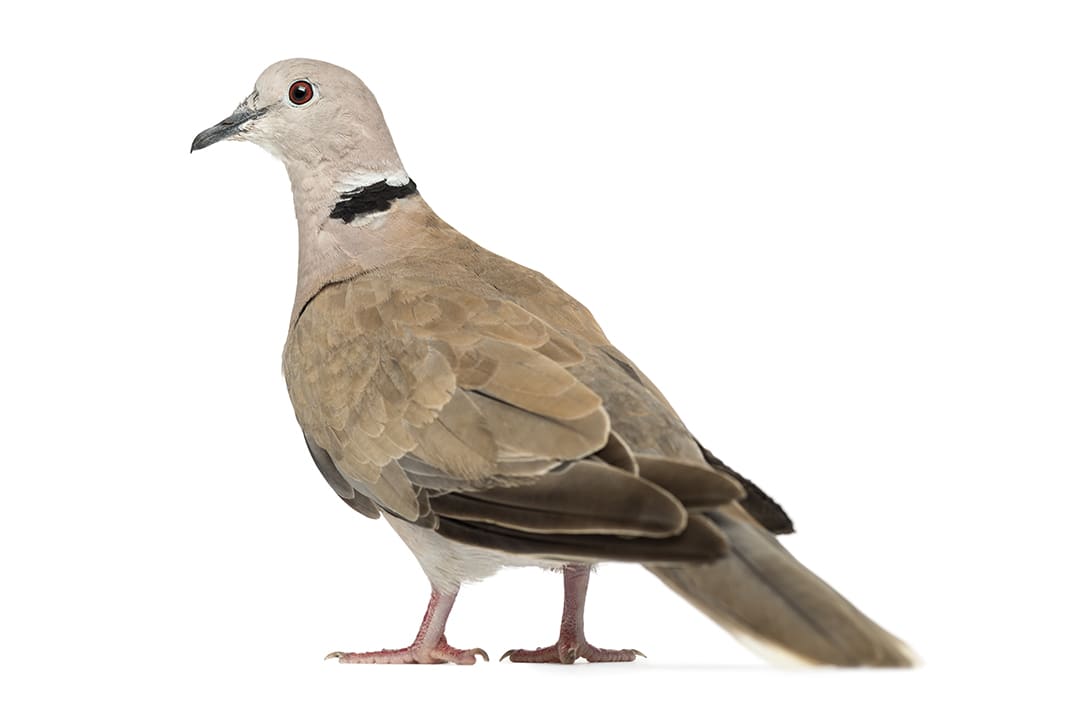
Learn how to care for your pet dove, recommended diet and cage setup. Find the right food, supplies and equipment at your neighborhood Petco.
Updated on November 13th, 2025
Learn more about preventing and stopping unhealthy feather plucking or feather picking as it could lead to serious health problems for your pet bird.
Updated on November 13th, 2025
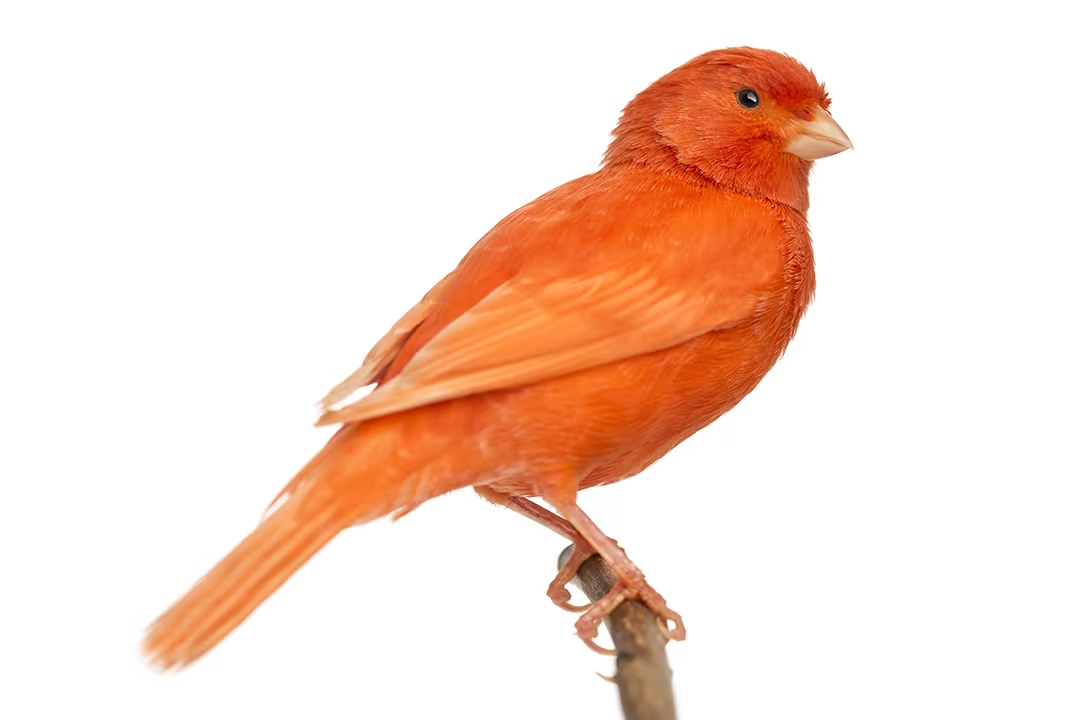
Learn how to care for a Canary, Canary facts, recommended diet and habitat setup. Find the right food, supplies and equipment at your neighborhood Petco.
Updated on November 13th, 2025
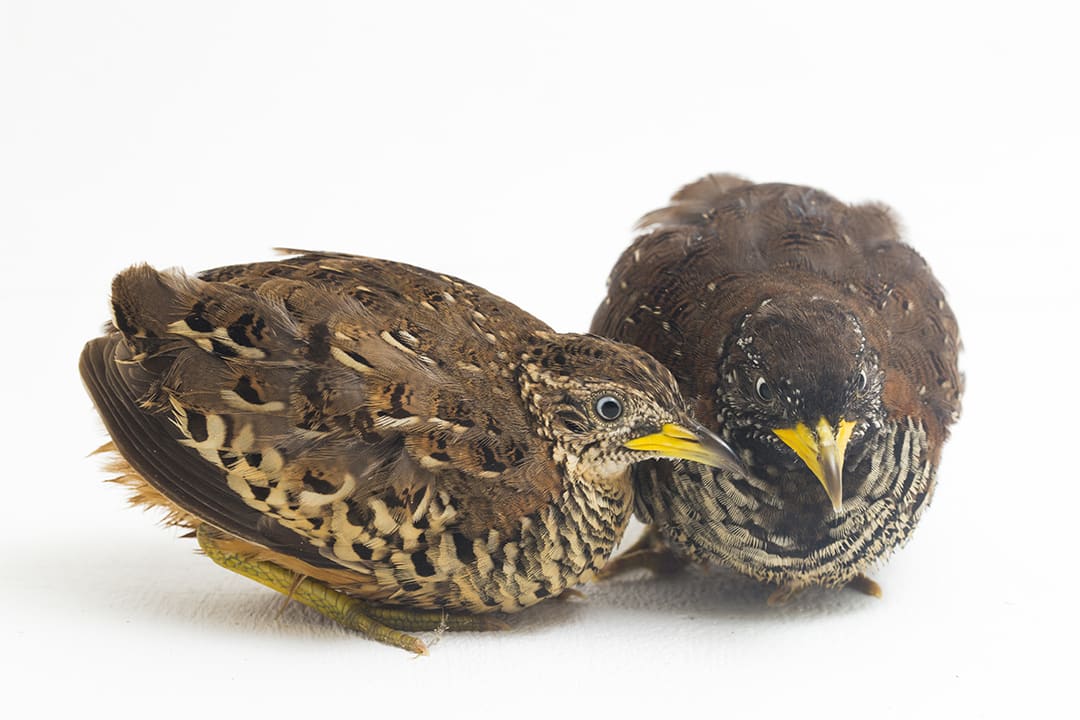
Learn how to take care of Button Quails, recommended diet and housing setup. Find the right food, supplies and equipment at your neighborhood Petco.
Updated on November 13th, 2025
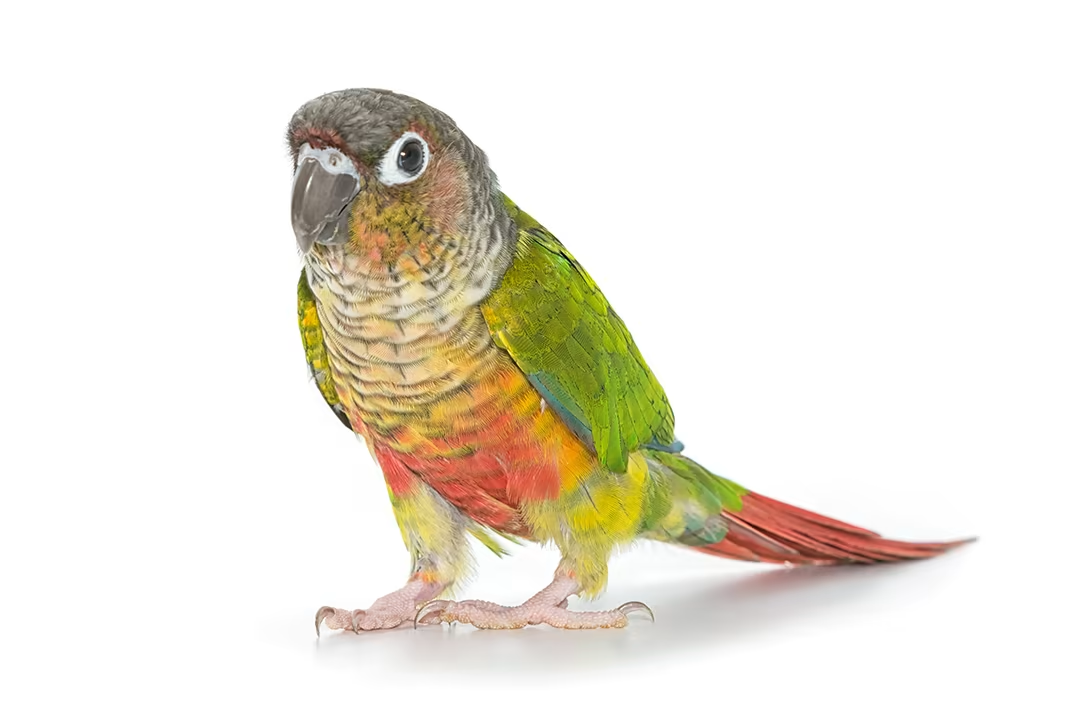
Green-cheek conures are highly inquisitive, bold, and engaging birds. Learn how to care for Green-cheek conures, what to feed them, habitat setup, and more.
Updated on November 13th, 2025
Follow directions for application on the container. Some sprays can be used directly on the bird (avoiding the eyes, nose and mouth), others cannot. Clean and sanitize her cage, bowls, perches and toys. Discard anything that cannot be sanitized. Change the cage paper or substrate daily. Provide a mineral block, pumice stone or cuttlebone to maintain beak length. Your avian veterinarian can trim the beak if necessary. Concrete or textured perches can also be used as they promote healthy feet as well as provide natural beak trimming opportunity.
Updated on August 12th, 2025
Monitor him for repeated regurgitation, lethargy, decreased appetite or injury to the wing. If the regurgitation doesn't stop or it Jub Jub develops other symptoms, have him examined by your veterinarian or a vet experienced in treating birds.
Updated on August 12th, 2025
If the skin is broken and bleeding, Lemon Drop is at risk for infection. Even if you have no local avian veterinarian, a small animal vet should be able to treat her. A specialist can be consulted online or by phone. The antibiotics and medications used are similar, just the dose is much smaller. A small e-collar (cone) may need to be fashioned to prevent her from plucking. In the meantime, lean and sanitize the cage, bowls, toys and perches. Discard anything that cannot be sanitized. Use paper towels on the cage bottom and change them daily to keep the cage clean. Provide a variety of toys and treats to keep her distracted from picking. Bathe or mist her with warm water a few times a week to promote preening and healthy skin and plumage.
Updated on August 12th, 2025
That's a lot of questions! When getting a new bird, it is best to keep them in a separate cage for a few weeks (quarantine) to make sure they do not spread any illness to each other. Once the new bird checks out safe, you can keep them near each other to get used to hearing/seeing each other, and then gradually introduce them, whether on a shared play pen, or in a cage that is large enough to comfortably house both. Make sure you have extra food and water dishes, toys, perches, etc so that they cannot fight over these resources or become territorial. Each bird will have different markings depending on the type of coloration the bird is (there are different varieties of markings) so this will greatly depend on if you purchase a bird with similar markings or not.
Updated on August 12th, 2025
Ideally, it should be examined by an experienced wildlife or avian veterinarian. The symptoms reported may be due to injury or infection on or around the feet. It may also be diet related. Dog food and cheese are not appropriate foods as these birds subsist on a diet of small prey, insects, fruits and vegetables. It is never recommended to feed wildlife as it can be detrimental to them and dangerous to you.
Updated on August 12th, 2025