Two Easy Ways to Start Earning Rewards!
Earn 2X Pals Rewards points at Petco
when you use Petco Pay!
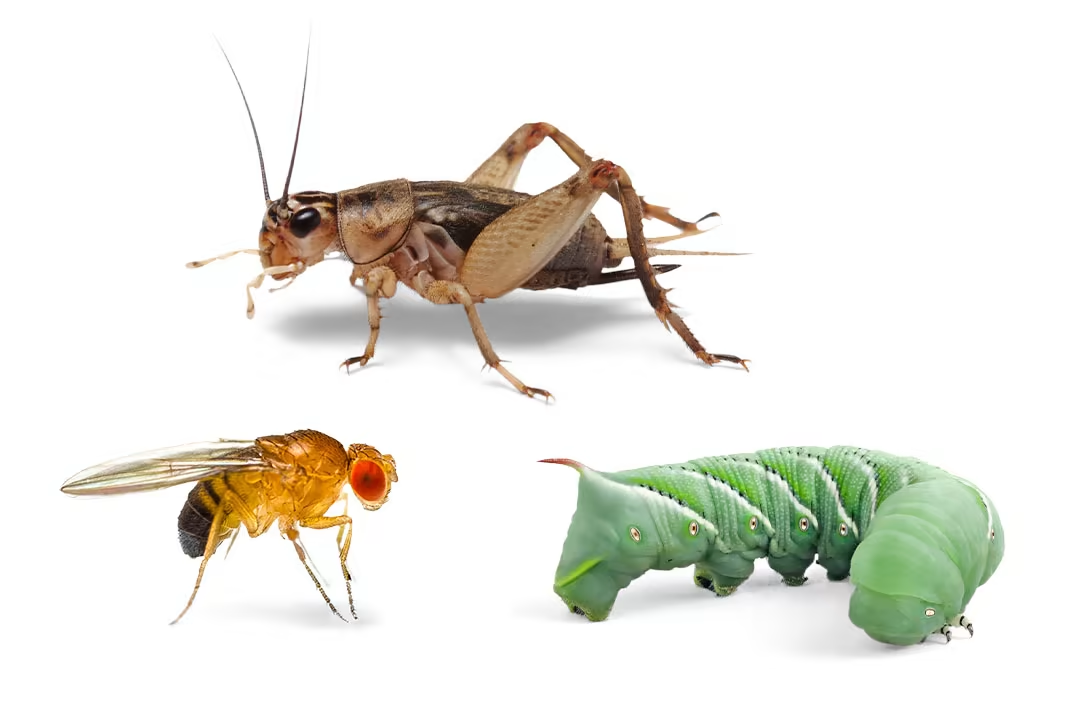
Learn about live insects for reptile feeding, recommended diet & habitat setup. Find the right food, supplies & equipment at your neighborhood Petco.
Updated on November 13th, 2025
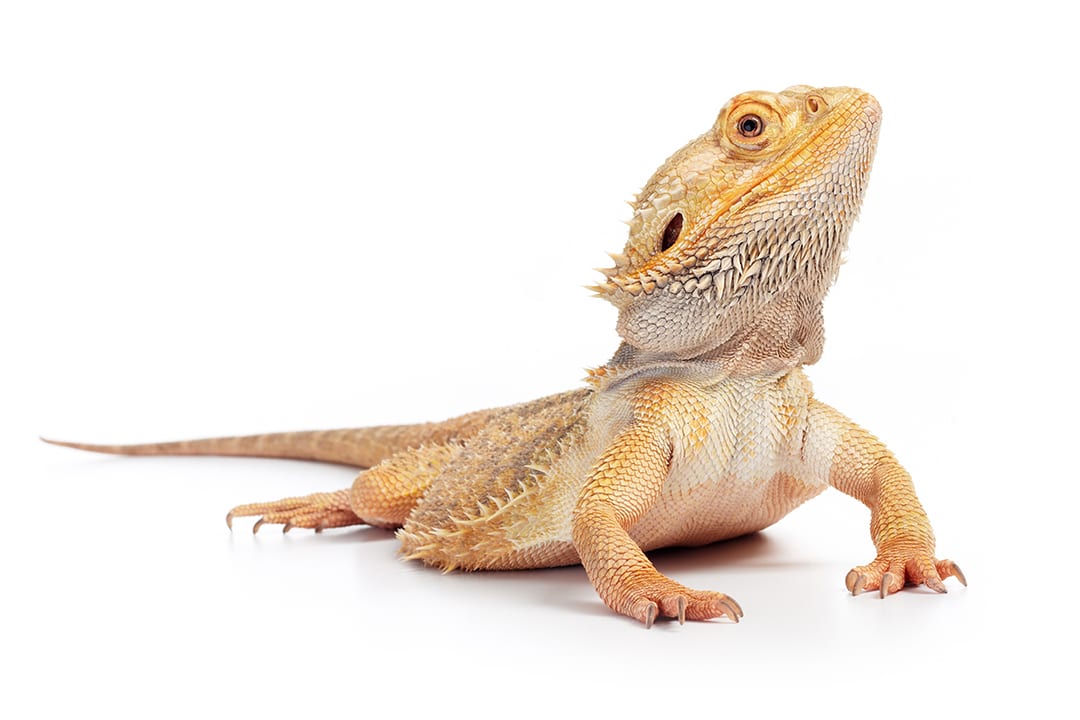
Learn how to care for a Bearded Dragon, recommended diet and habitat setup. Find the right food, supplies and equipment at your neighborhood Petco.
Updated on November 13th, 2025
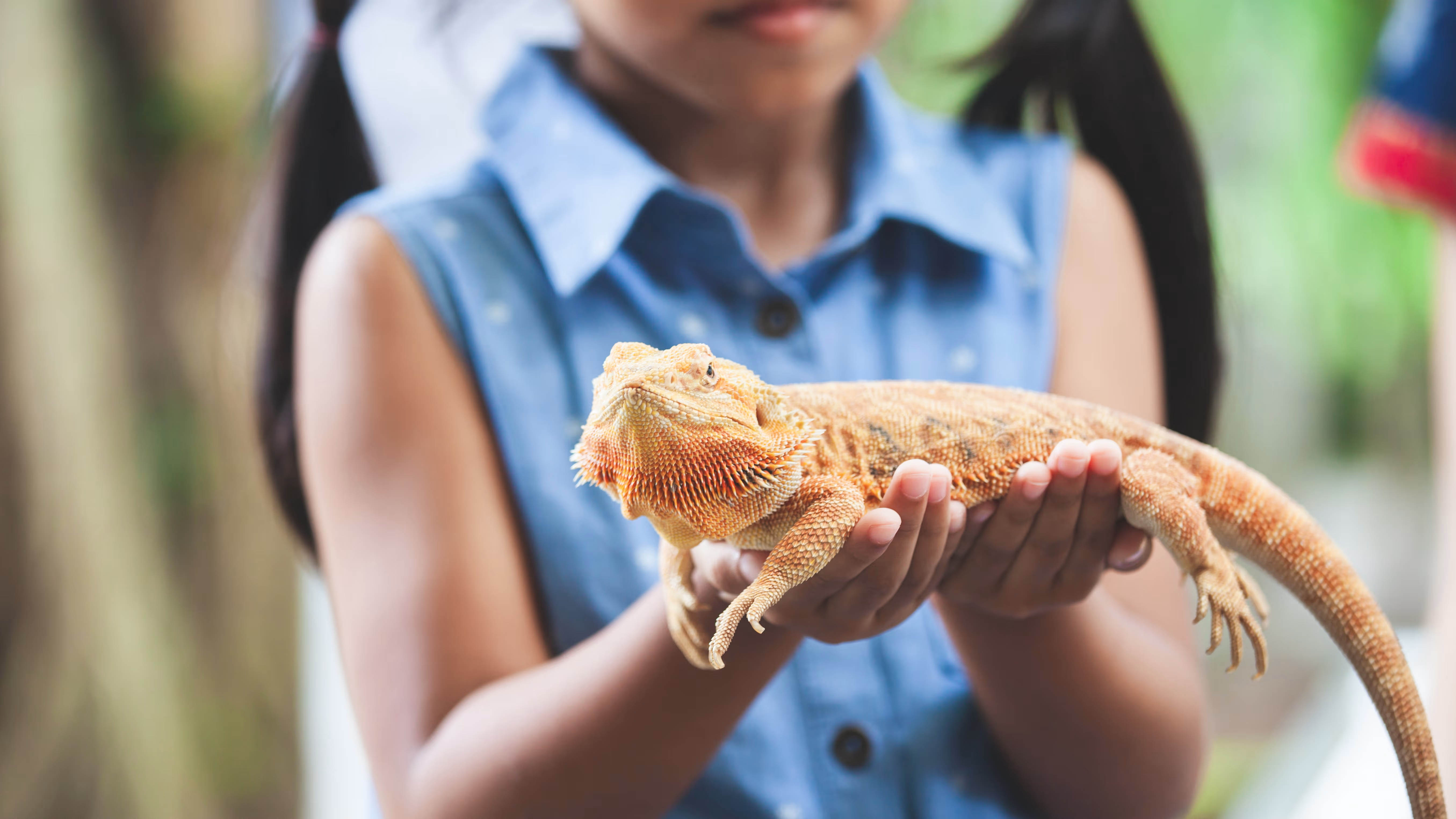
Learn the signs your bearded dragon is gravid and how to care for a pregnant beardie. Also, find out if the eggs are fertile and how to care for bearded dragon eggs.
Updated on November 13th, 2025
Do you have questions about bearded dragon poop? Visit Petco.com to find all the answers about the health of your bearded dragon poop.
Updated on November 13th, 2025
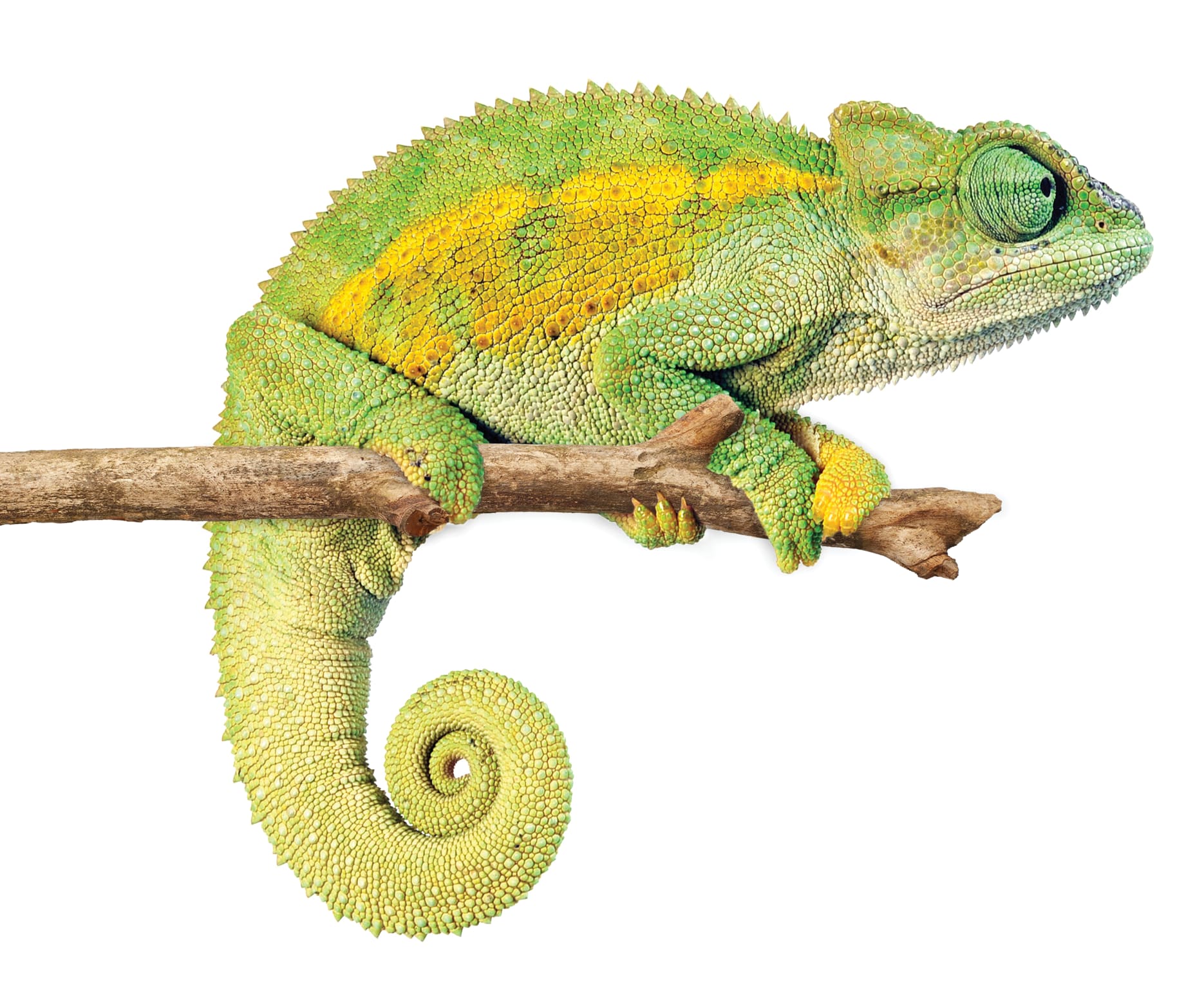
Learn how to care for cool climate Chameleons, recommended diet & habitat setup. Find the right food, supplies & equipment at your neighborhood Petco.
Updated on November 13th, 2025
Bearded dragons do best on a staple diet if crickets and roaches with vegetables and fruit to add variety. Here is a link toba great website which tells you what you can feed and how often, what to give for treats and what to never feed. https://www.beardeddragoncare101.com/best-foods-bearded-dragon/
Updated on August 12th, 2025
Bearded dragon owners can also add plants to the habitat, but take care when adding real plants. If a live plant is in the habitat, the bearded dragon might decide to use it as a snack. If the plant is toxic to bearded dragons, your pet could end up very sick, or dead. Artificial plants are the best option since they are easy to clean, never need water, and are very naturalistic. Most pet stores carry a wide variety of artificial plants to choose from. If you decide to use live plants, junipers are one of the most recommended plants to use. Junipers are slow-growing and do not require much water.
Updated on August 12th, 2025

A 7 month old bearded dragon is still in fast growth and development mode and needs a lot of high quality insect protein and fats (they mobilize vitamins such as VitD3) and not so much vegetable and greens. Feed approximately 50% insects and 50% greens. Feed him as much as he wants. You can feed dubia roaches, crickets, hornworms, (wax worms and super worms as treats) for the insect portions.
Updated on August 12th, 2025
Choose the largest cage your space and budget will allow. At minimum, a 55 gallon enclosure should be considered. Acceptable substrates include slate, reptile carpet, decomposed granite or large gravel. Yes, setting up a bio-active environment for beardies is possible. It will take a bit of research and effort to get it right.
Updated on August 12th, 2025
Her diet is not nutritionally balanced. An adult beardie (12 months and older) should be eating mostly fresh greens and vegetables, about 75-80% of the diet with the remainder comprised of protein (crickets, dubia roaches, etc). For juveniles, the percentages are reversed. All food should be appropriately sized to make eating easier. The rule of thumb is to offer no greens or prey that is bigger than the space between the eyes. A multivitamin and a calcium supplement are also critical to good health. A bearded dragon also need appropriate temperature and UVB lighting. There should be a cool side, warm side and a basking area. The UVB light should be unobstructed and no more than 14-16 inches from th3e surface of the tank. You can find specifics for diet and environment here: http://www.anapsid.org/bearded.html http://www.peteducation.com/article.cfm?c=17+1796&aid=2730 The gagging may be diet related or not. The black beard is a sign of stress. These symptoms could be nutritional, en
Updated on August 12th, 2025