Two Easy Ways to Start Earning Rewards!
Earn 2X Pals Rewards points at Petco
when you use Petco Pay!
Get It Today
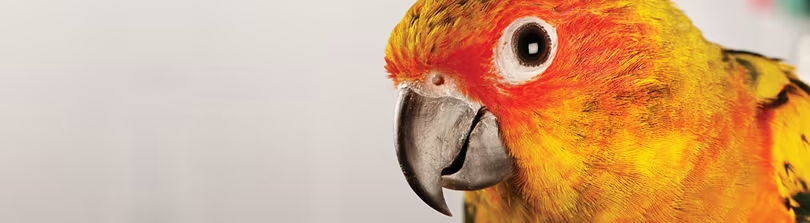
Get prepared to react calmly and efficiently when accidents happen by learning basic bird first-aid skills and putting together a pet bird first-aid kit.
Updated on October 23rd, 2025
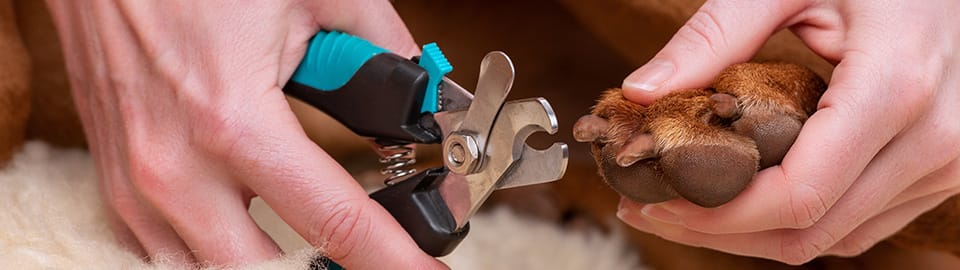
Learn more about dog nail trimming and paw caring for your pet to help them look good and feel great.
Updated on October 23rd, 2025

Learn how to prepare your pet with our pet disaster plan. Learn how to evacuate with pets or shelter in place & what you may need in your pet emergency kit.
Updated on October 23rd, 2025

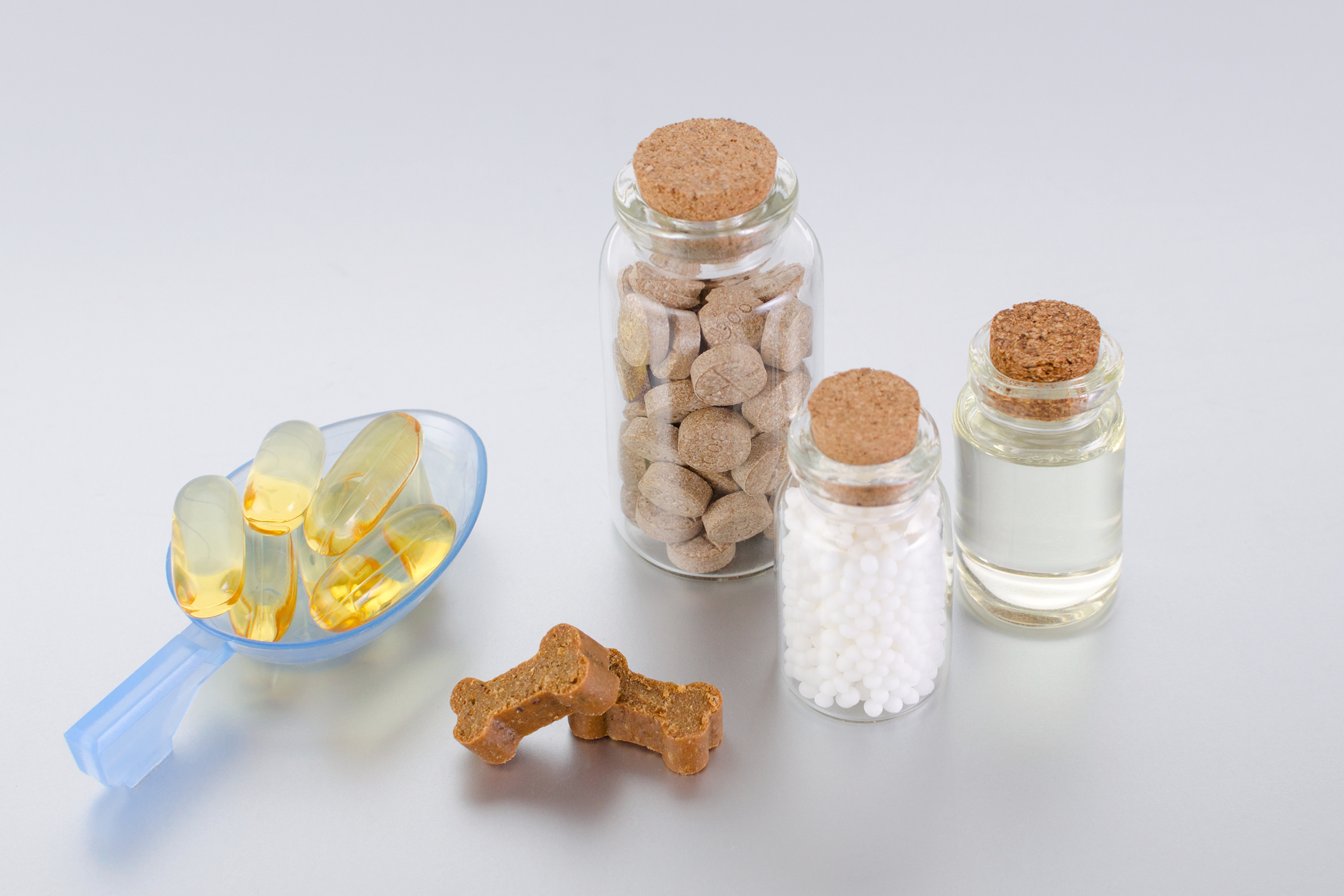
Discover how to choose the best supplements for your pet’s health, from essential vitamins to joint support and digestion aids. Learn age-specific and seasonal supplement tips for cats and dogs.
Updated on October 23rd, 2025
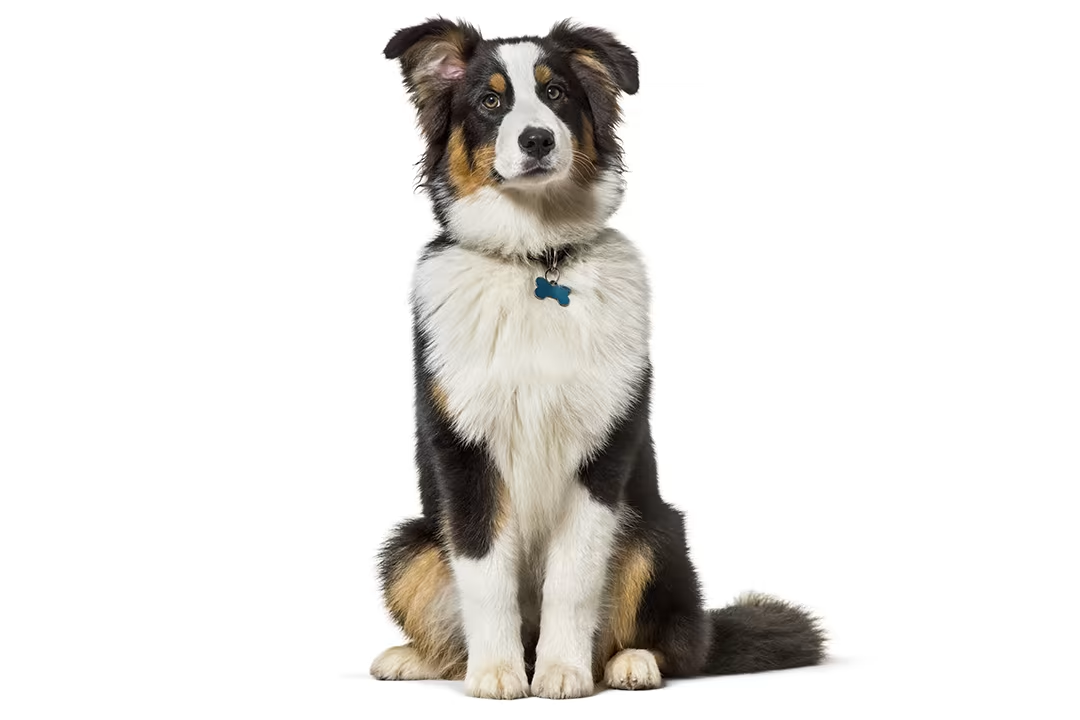
Learn how to care for your dog, recommended diet and training. Find the right food, supplies and equipment at your neighborhood Petco.
Updated on March 5th, 2026
Keep a magnifying glass, scissors, tweezers, hemostats or needle-nose pliers, and a penlight in the first aid kit for removing thorns, or other foreign objects. Nail clippers and a nail file are handy as well. Also keep styptic powder or cornstarch on hand to stop bleeding from a broken or torn nail. Grease-cutting dish soap can be included in the kit to clean away oil or other debris on your rat's fur. A first aid kit should also include cotton swabs, cotton balls, cloth and paper towels, disposable gloves, lubricant jelly, and a rectal thermometer. Other things to include in your kit are a wound disinfectant such as chlorhexidine, eye wash solution, sterile saline, and ear cleaning solution. Bandaging material is important as well. The most commonly used bandaging supplies include square gauze of various sizes (sterile is best), non-stick pads, paper and adhesive first aid tapes, gauze rolls, and Vetwrap. Finally, It is important to have your veterinary clinic's phone number and di
Hi and thanks for posting on Boop by Petco! If you are interested in creating a first aide kit, I would recommend including the following items: 1. Gauze pads and rolls 2. Medical Tape 3. Antiseptic spray 4. Hydrogen Peroxide 5. An ice pack 6. Medical gloves (either latex or non latex) 7. Lubricant (petroleum jelly is ok) 8. Thermoeter 9. Scissors 10. Tweezers 11. Cotton Balls and Q-tips. 12. Sterile Saline Solution For any of the above, any brand will be okay. First aid kits are meant to be a temporary solution until Jackie can see her veterinarian. I hope this helps!
First, consider seeking veterinary care since wounds can often be deeper than they appear and can get easily infected. 1. Clip the hair away from the wound using buzzing-type clippers, not scissors or a razor. This is so you can monitor the wound and keep the hair out of the way to help with healing and keeping it clean. 2. Disinfect the wound once with peroxide or a first aid chlorhexidine wound soap. Do not continue to use peroxide, or alcohol, as this will delay healing. 3. Apply an antibacterial ointment, such as Neosporin, twice daily. If needed to clean the wound, use a warm wet wash cloth to gently wipe away and dried fluid. 4. Prevent all licking or scratching of the wound by using an e-collar. Licking will delay healing and spread bacteria into the wound 5. See a vet if Leo experiences prolonged lethargy, decreased appetite, vomiting, diarrhea, or a rectal temperature over 102.5, or if there is creamy discharge or discharge with a foul odor, or there is swelling around the w
It looks he just scraped his pad. This is a minor injury. You can use this topical spray to assist with healing. ( https://www.petco.com/shop/en/petcostore/product/bird/bird-health-and-wellness/vetericyn-animal-wound-and-skin-care )
I am so sorry that Misty girl got into a fight. It sounds like the wound is large enough that it likely needs stitches and likely isn't too late. I would strongly recommend contacting your vet for an exam and treatment. If it is small enough, they may be able to place staples and help it heal. But she will likely also need oral antibiotics to help it heal as wounds from other dogs usually get infected because dogs have a lot of nasty bacteria in their mouths. Until you can get her to the vet, I would also recommend that you keep her from licking or scratching it. You can use a small t-shirt (depending on its location) or an e-collar (the lampshade collars found at a pet store). I hope she starts feeling better soon!