

Two Easy Ways to Start Earning Rewards!
Become a member today! Members-only pricing and offers, personalized care notifications, Vital Care points back on every purchase and more!
 Become a credit card member today!
Earn 2X Pals Rewards points at Petco
when you use Petco Pay!APPLY NOWLearn More About Petco Pay Benefits
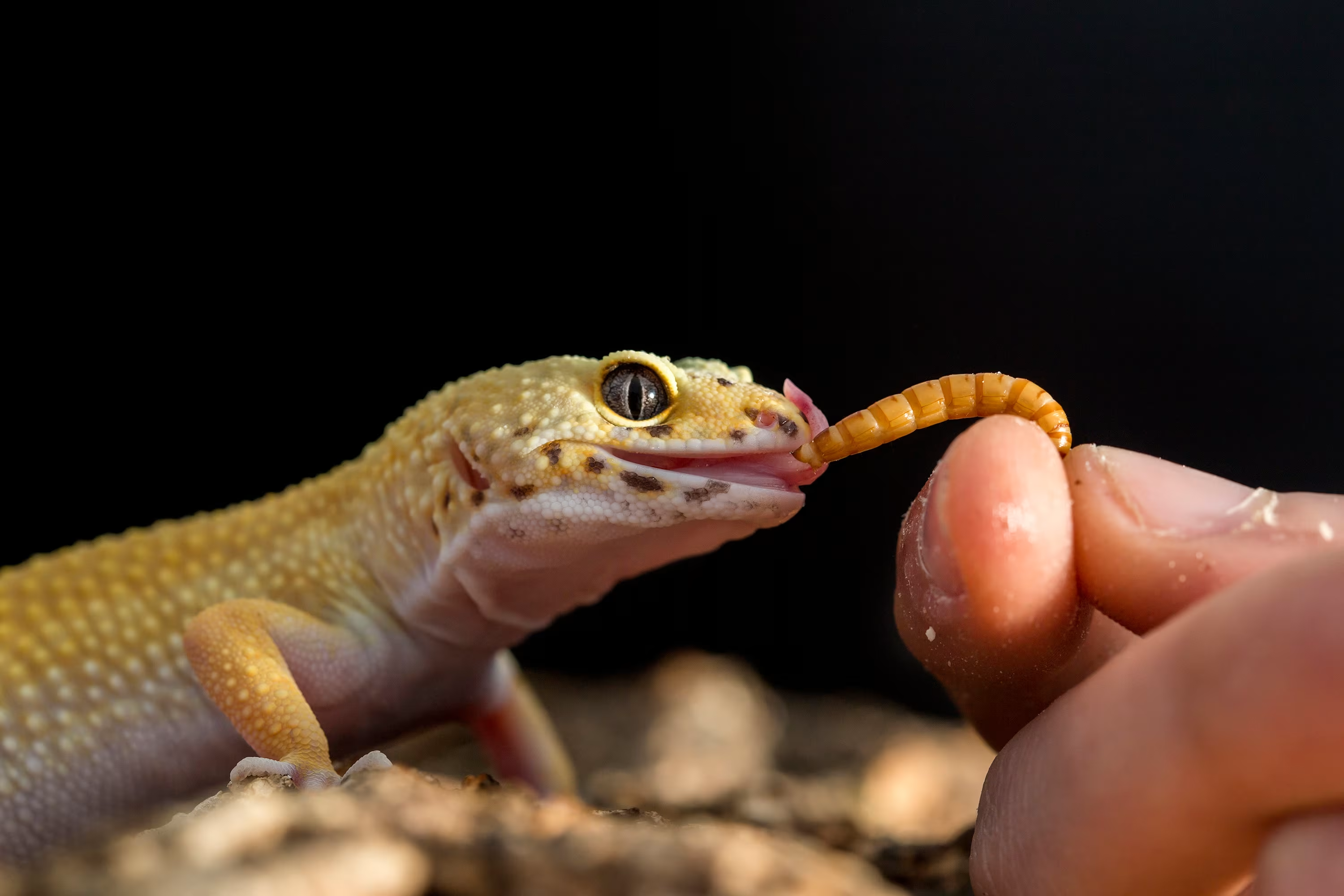
Nature Zone Leopard Gecko Food
Get It Today


Related Articles & Questions
- New Pet
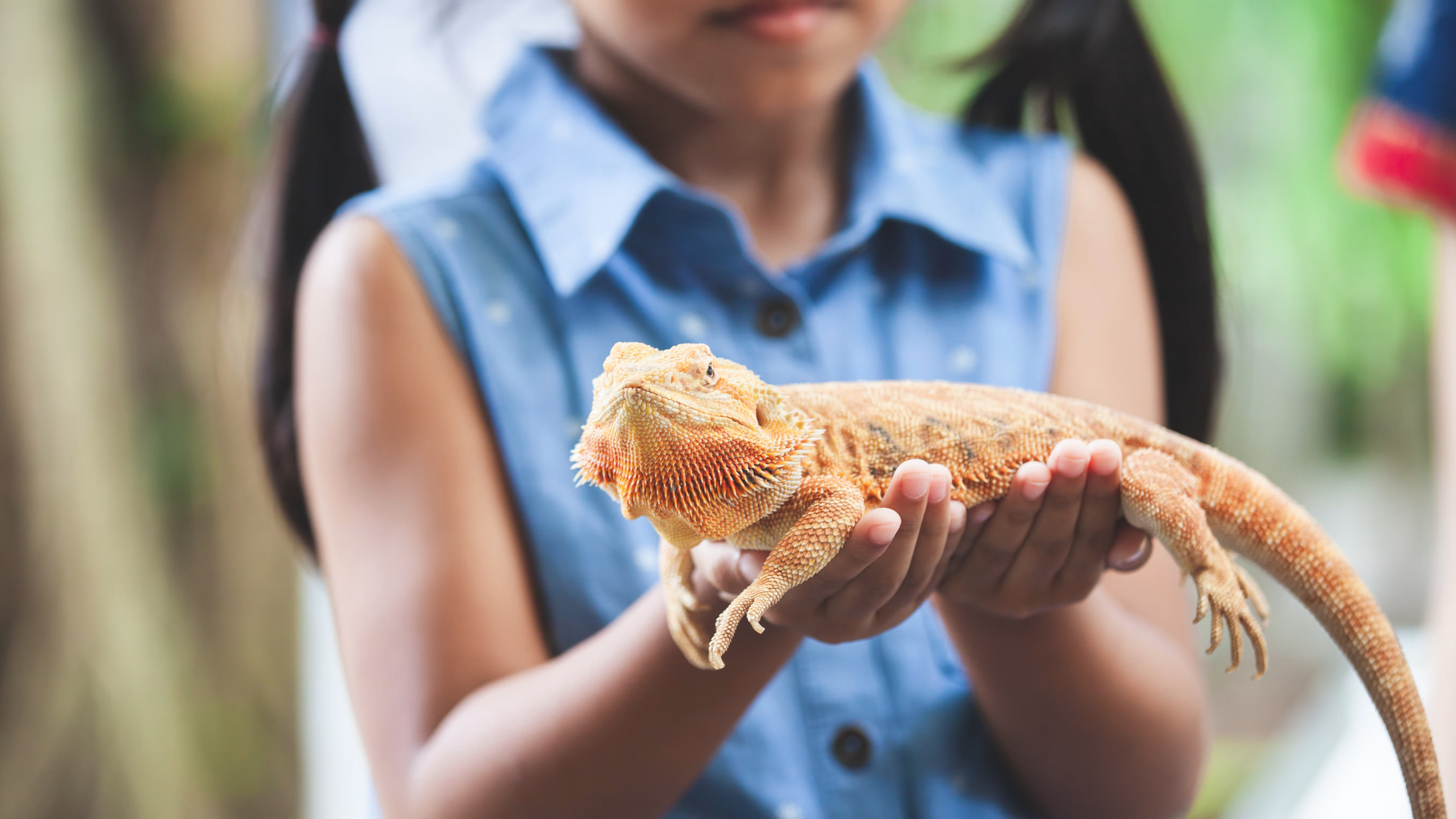
Ultimate Tropical Lizard Care: Habitat, Food & Health for a Happy Pet
Learn how to care for tropical lizards, recommended diet & habitat setup. Find the right food, supplies & equipment at your neighborhood Petco.
Updated on October 23rd, 2025
- Food & Nutrition
Optimal Reptile Diet: Feed Your Pet for Peak Health & Vitality
Do you have questions about what to feed a reptile? Petco has the answers! Visit us to learn about reptile dietary needs.
Updated on October 23rd, 2025
- Home & Habitat
Reptile UVB Lighting: Help Your Pet Thrive with the Right Lamp
Learn the importance of UVB light for your reptiles and the right reptile lights for your pet’s habitat.
Updated on March 30th, 2026
- Health & Wellbeing
How to Spot an Overweight Leopard Gecko: Key Signs & What to Do
Learn from Petco how to tell if your leopard gecko is overweight. These signs can help prevent health issues like metabolic bone disease and heart failure.
Updated on October 23rd, 2025
- New Pet
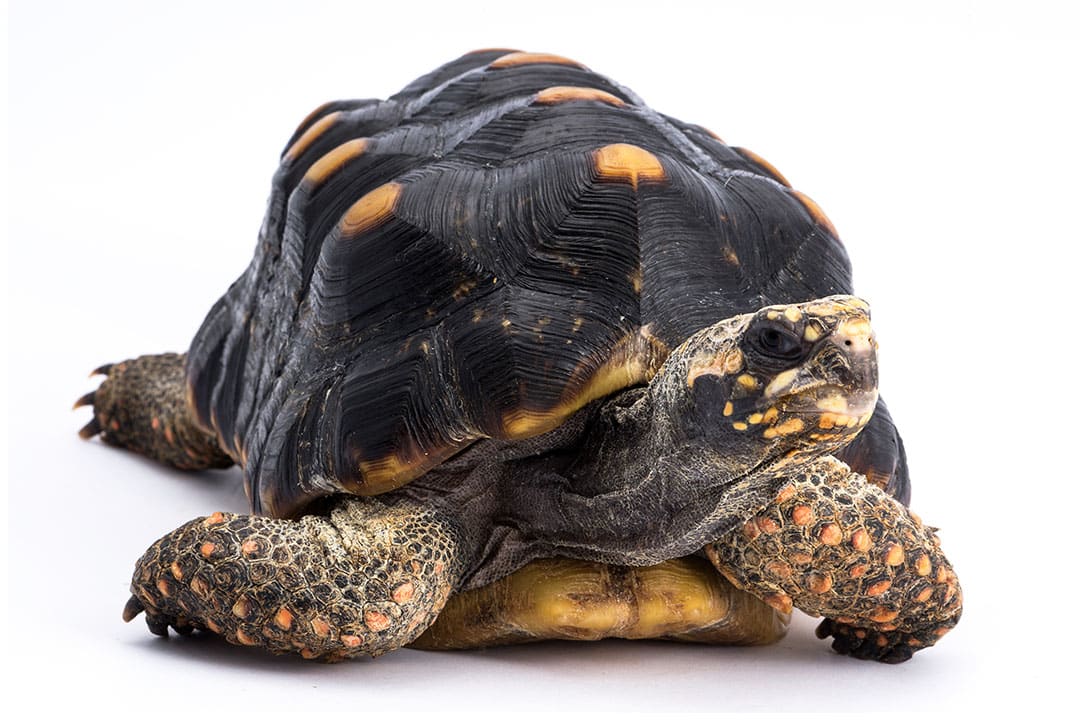
Pet Tortoise Care: Essential Guide to Food, Habitat & Health
Learn how to care for tropical tortoise, recommended diet & habitat setup. Find the right food, supplies & equipment at your neighborhood Petco.
Updated on October 23rd, 2025
- Food & Nutrition
My female leopard gecko has gone slightly pale and has lost some weight. She goes for the live foods I hand feed her but when she strikes at it and gets it in her mouth, she then just drops it and let's it go. Then she will follow it, sometimes catch
Go back to basics. Check the temperature and humidity in the enclosure, make sure prey aren't too big and confirm she isn't ill or injured. This may require a physical exam with your veterinarian. Consider supplementing with Fluker's Repta-Boost, or similar product, to get additional nutrients and calories into her.
Updated on September 24th, 2025
- Health & Wellbeing
SO i am thinking about getting a leopard gecko, but i am not spending a ridiculous amount of money on a cage so i am using a plastic laundrey hamper that seems about maybe 10 gallons and i am setting up little hiddy spots and stuff but i dont know wh
A 10 gallon tank can be purchased in the local Petco for less than twenty dollars ( https://www.petco.com/shop/en/petcostore/product/fish/fish-aquariums-kits/aquariums-up-to-ten-gallons/aqueon-standard-glass-aquarium-tank-10-gallon ). It would be easier to keep and secure than a laundry hamper. Given the temps required for geckos, plastic may not be the best option either. You will need a a heat lamp for day use and maybe a heat source if nighttime temperatures drop below 70 F. You can use slate, reptile carpet, plain paper towels or a coconut fiber substrate. Review gecko care at the link below. http://www.reptilesmagazine.com/Care-Sheets/Lizards/Leopard-Gecko/
Updated on September 24th, 2025
- Health & Wellbeing
Question is too long to fit in this text box, please see attached photo! Regarding a leopard gecko & trouble eating
Confirm proper environmental parameters, especially temperature. If it is too cold, reptiles will not eat or properly digest meals. The crickets pictured may be a bit too big for her. Feed prey no larger than the space between her eyes. You can go down in size, just feed more of them. Gut load crickets for 24 hours prior to feeding and dust regularly with calcium and multivitamin supplements to maximize nutritional value. Give her a few days to acclimate to her new surroundings. Soak in a warm 50/50 solution of water and unflavored PediaLyte to prevent or treat mild dehydration. If her appetite does not improve, have her examined by a veterinarian experienced in treating reptiles. Submit a stool sample to diagnose intestinal parasites. This link will provide more information regarding care: http://www.anapsid.org/leopardgek.html You can find an experienced herp vet here: http://www.anapsid.org/vets/califs.html
Updated on September 24th, 2025
- Health & Wellbeing
My gecko, Treasure, is about 6 months old i think. Petco, where we bought him from told us that he is a leopard gecko. we aren't even sure if he's a boy either. he looks completely identical to a western banded. his daytime light went out weeks ago s
Most species of geckos, being nocturnal, do not require UVB lighting. Being cold blooded though, they do need a heat source. Your body temp will not be sufficient for good health. Replace the light/heat source with an appropriate bulb. You can easily buy one online or at most pet stores. Low temps will stress him which can lead to illness. Low temps also affect appetite activity and digestion. Sexing geckos is fairly easy. An adult male will have a bulge behind the vent that is very noticeable. You will also see a row of femoral pores shaped like a "V" in front of the vent in male geckos. Since he is going into a shed, provide a moist hide in the enclosure and/or increase the humidity temporarily. These two species look similar but there are differences. To help with identification, closely exam your gecko. Leos will lose their bands and develop spots, hence the name, as they mature. They also get much bigger than banded geckos. Leos also have rougher, bumpier skin as opposed to a
Updated on September 24th, 2025
- Food & Nutrition
So, the last two weeks my female gecko has not eaten. I took. Her too the vet yesterday. They said she was egg bound. So, being a new reptile owner, I didn't have the proper egg laying area for her. How do I help her out with this. I have a shoe box
Thanks for reaching out about Zoey and including a photo. The nest area should also be warm, and a little moist. Try to encourage her to enter the area. If she ever becomes lethargic, a veterinary visit to induce egg laying, might be in order. Monitor food intake but also defecation. Good luck.
Updated on September 24th, 2025