Two Easy Ways to Start Earning Rewards!
Become a member today! Members-only pricing and offers, personalized care notifications, Vital Care points back on every purchase and more!
 Become a credit card member today!
Earn 2X Pals Rewards points at Petco
when you use Petco Pay!APPLY NOWLearn More About Petco Pay Benefits
Nature's Miracle Lovebird Shop
Get It Today


Related Articles & Questions
- New Pet
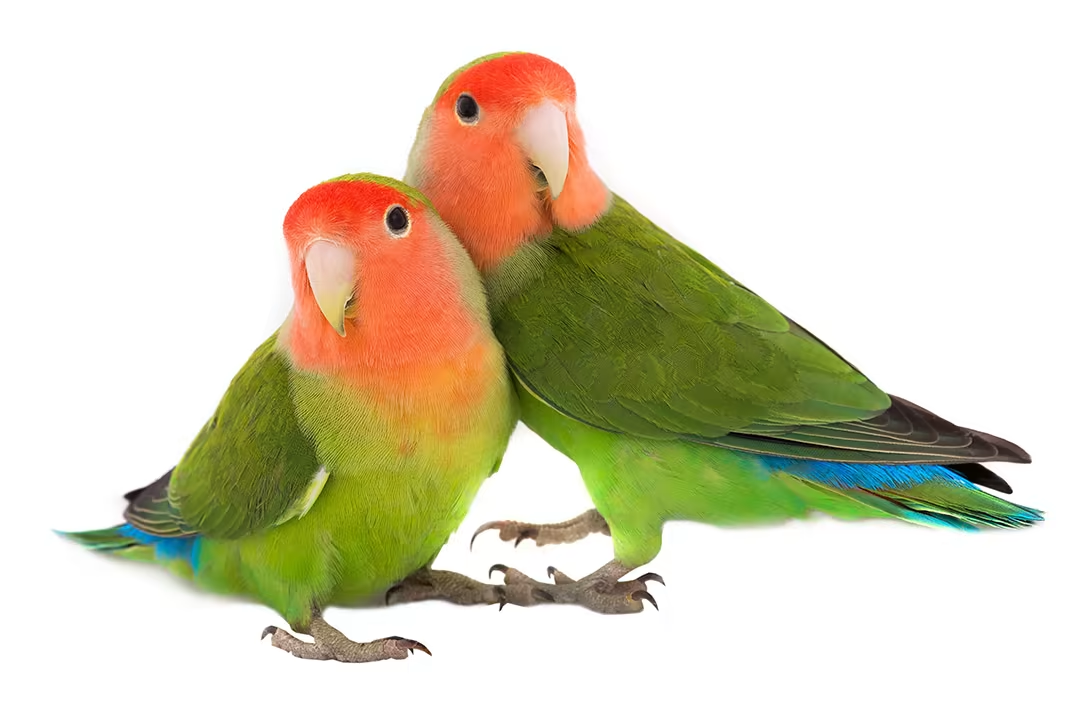
Lovebird Care: Your Complete Guide to Food, Habitat & Health
Learn how to take care of your Lovebirds, recommended cage size, diet and housing setup. Find the right food, supplies and equipment at your local Petco.
Updated on November 13th, 2025
- New Pet
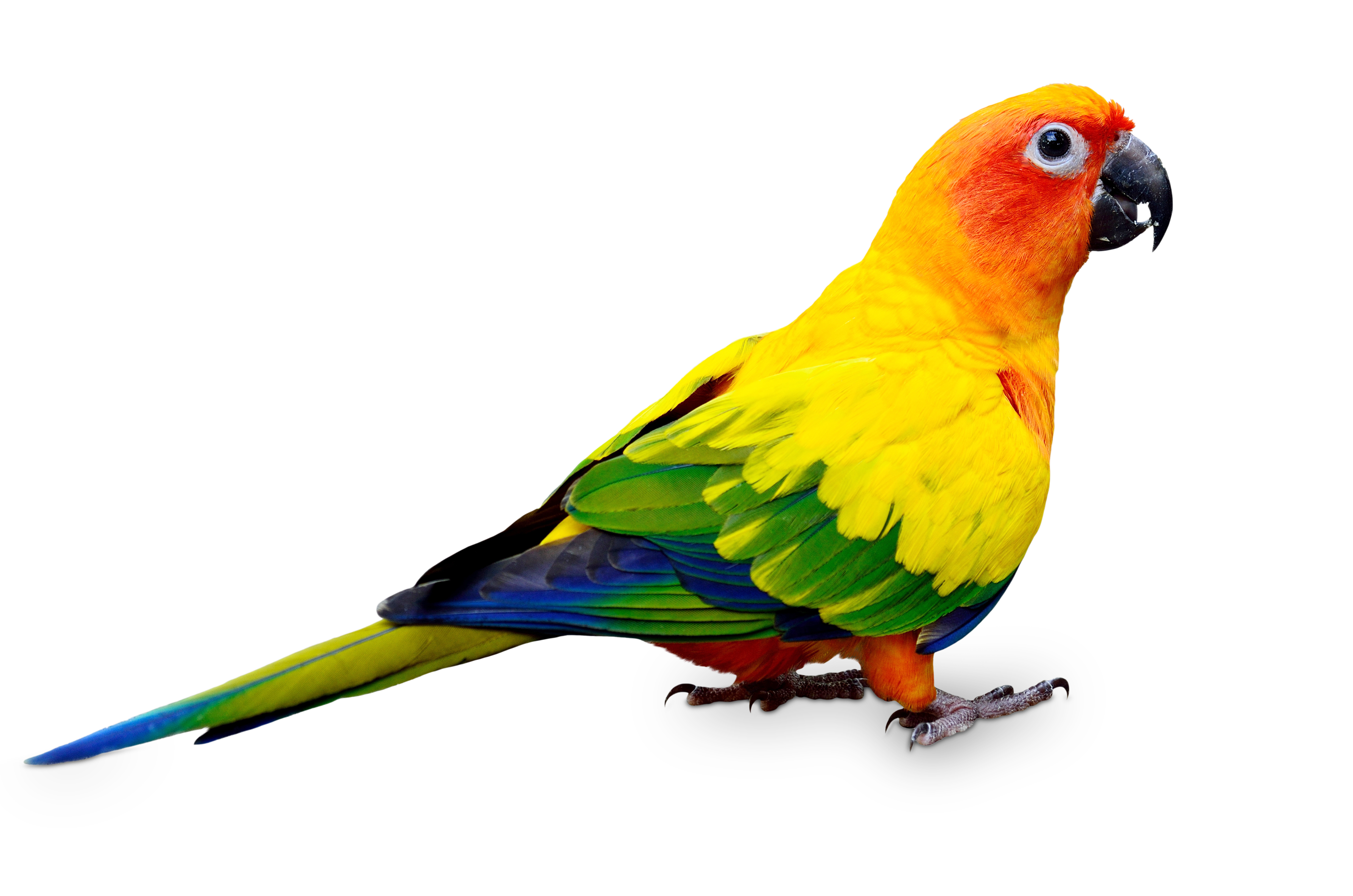
Conure Care Guide: Food, Habitat, Health & Tips for a Thriving Conure
Learn how to take care of Conures, recommended diet and housing setup. Find the right food, supplies and equipment at your neighborhood Petco.
Updated on November 13th, 2025
- New Pet
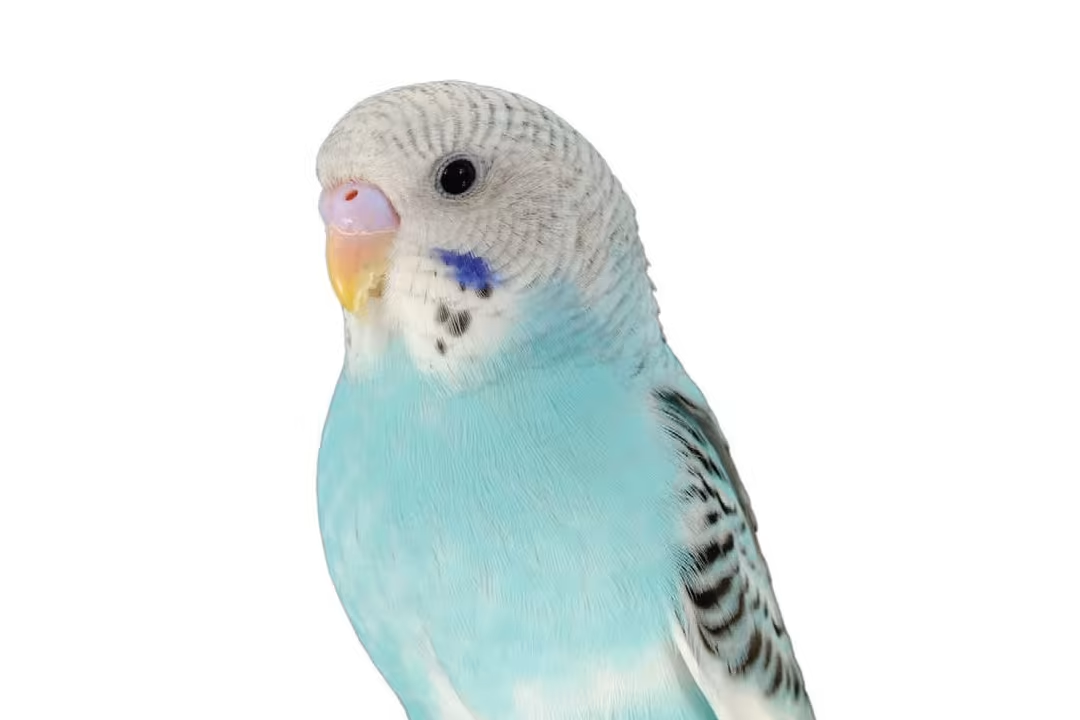
Parakeet Care: Your Complete Guide to Budgie Food, Habitat & Health
Learn how to care for parakeets (budgies), recommended diet and habitat setup. Find the right food, supplies and equipment at your neighborhood Petco.
Updated on November 13th, 2025
- Health & Wellbeing
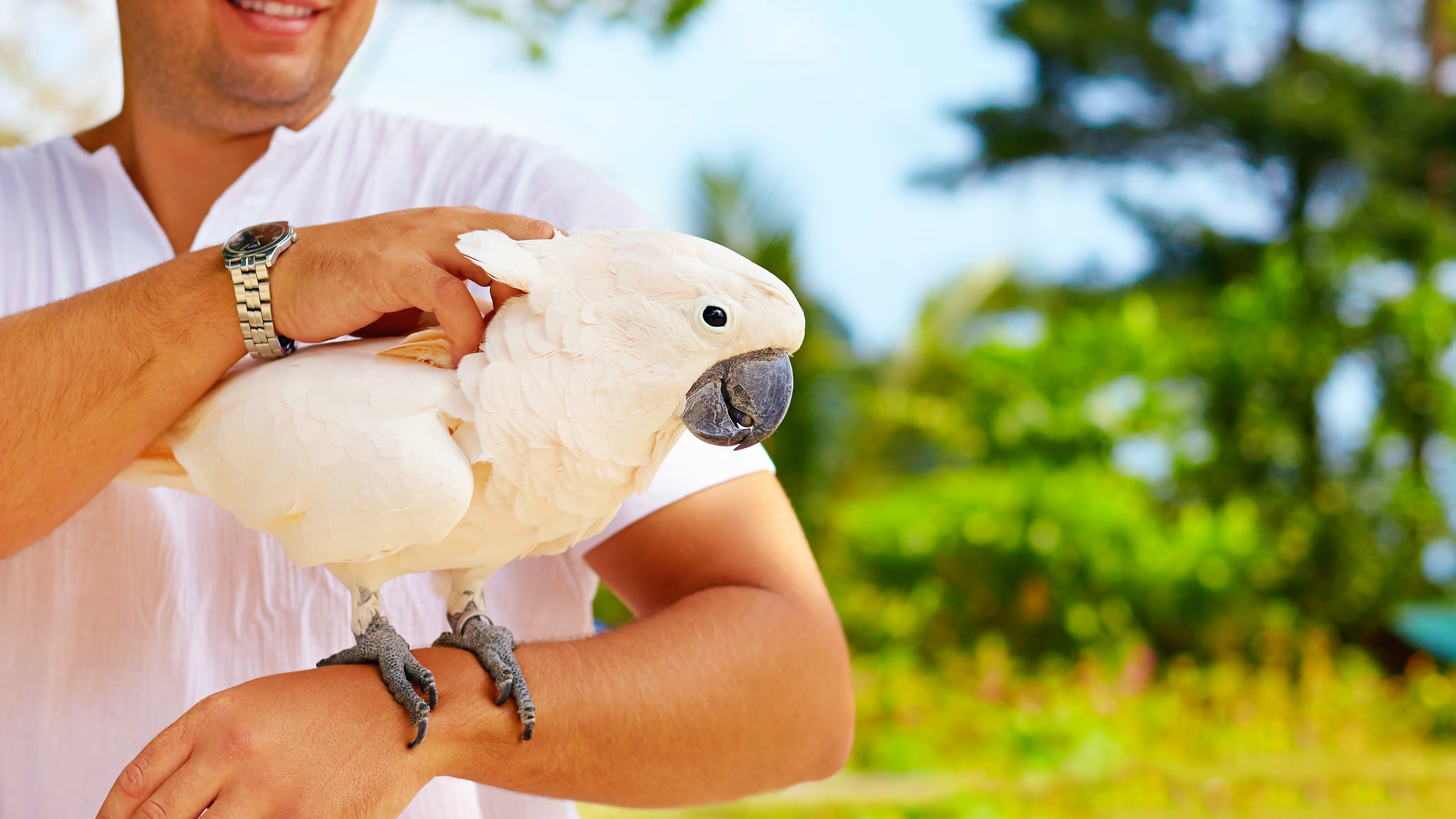
Bird Emergency? Essential First Aid Kit & Steps to Save Your Pet
Get prepared to react calmly and efficiently when accidents happen by learning basic bird first-aid skills and putting together a pet bird first-aid kit.
Updated on November 13th, 2025
- Health & Wellbeing
Stop Bird Feather Plucking: Understand Causes & Effective Solutions
Learn more about preventing and stopping unhealthy feather plucking or feather picking as it could lead to serious health problems for your pet bird.
Updated on November 13th, 2025
- Health & Wellbeing
I’m having a pair of pet birds candy and tweety , these are the African love birds I think they are having health issues,where they are not eating food ,sitting on bottom of the cage ,and having watery stools or droppings
Thanks for reaching out about Candy and Tweety. Heat support in the 80-85 F range can give comfort. With both birds ill, inhaled or ingested toxins, a virulent bacterial or viral disease are probable and a veterinary visit is needed ASAP, as birds have little reserves to fall back on. Good luck.
Updated on August 12th, 2025
- Health & Wellbeing
This baby lovebird was thrown out of the nest by his mum, his sibling is much bigger and stronger. He had a lot of food/snot build up on his nose which I removed. He is sneezing sometimes and his nostrils have a clear snotty discharge. It's hard for
Thanks for reaching out about Eggbert and including a photo. These baby parrots need to be fed every 3-4 hours, almost as soon as the crop empties. Providing heat and humidity support are very important. Concerns are over some underlying disease (bacterial, viral, developmental) and that is why hen kicked it out of the nest. A veterinary visit might be needed to assess and determine if antibiotics might be needed. Good luck.
Updated on August 12th, 2025
- Health & Wellbeing
My love bird seems to have a bumble foot how can i treat it at home?
Epsom salt soaks of the affected foot as well as treating any open wounds and keeping the area clean and free of debris may help with minor infections, however if the foot does not recover, worsens, or Baby blue is showing other signs of illness, it is best to seek veterinary care in person so the area can be properly cleaned, drained, and antibiotics or other treatments started.
Updated on August 12th, 2025
- Health & Wellbeing
i have a budgie and i he is in problem. he sleeps most of the time with fluffed up feather and from there is clear fluid discharge from his nose. there is no avian vet in my city, what should i do? can you suggest me some medication or any procedure
Thanks for reaching out about Pearl. It is illegal to recommend or prescribe any medications without seeing a patient, so that is not possible. Providing heat support in the 80-85 F range can give comfort. Removing perches and providing a soft towel on which to stand will require less energy expenditure. Maybe a dog/cat veterinary can at least provide some antibiotics or consult with another veterinarian. There is a fair chance this is not bacterial in nature, including metabolic (liver, renal), ingested toxins (plants, metals), other. Good luck.
Updated on August 12th, 2025
- Grooming
My pet bird was acting weird while I was heating the oven, turns out someone had left a pan in while it pre heated. I immediately turned off the oven and aired out the room. The bird is chirping quietly and moving around grooming his feathers, should
Thanks for reaching out about Buddy. Keeping good ventilation is important as bird's respiratory tracts are very sensitive to toxins (thats why canaries in coal mines). If breathing is impaired, a veterinary emergency visit is needed for oxygen support, anti-inflammatories, and possibly antibiotics. Teflon and other non-stick pans can release toxic substances when heated up to a high temperature, and can be fatal to birds. Monitor appetite and water consumption. Good luck.
Updated on August 12th, 2025