Two Easy Ways to Start Earning Rewards!
Earn 2X Pals Rewards points at Petco
when you use Petco Pay!
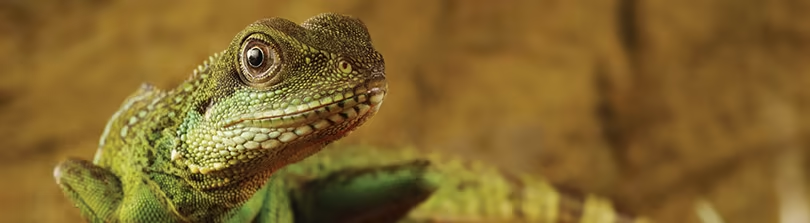
Learn how to setup your reptiles terrarium to ensure your reptile lives a wholesome & happy life. Shop at your local Petco for all reptile terrarium needs.
Updated on December 22nd, 2025
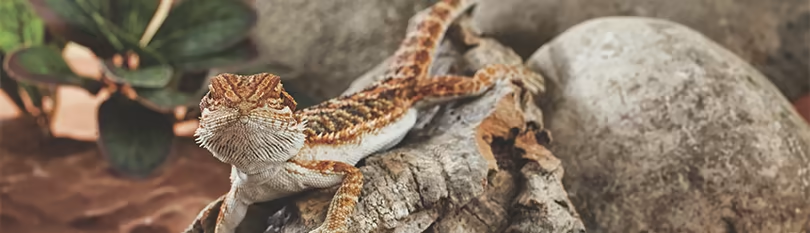
Learn the importance of UVB light for your reptiles and the right reptile lights for your pet’s habitat.
Updated on December 22nd, 2025
When it comes to reptile habitats, one of the most essential elements to creating a happy home for your pet is including the appropriate type of lighting. Zoo Med helps outline which lights are right for your pet.
Updated on December 22nd, 2025
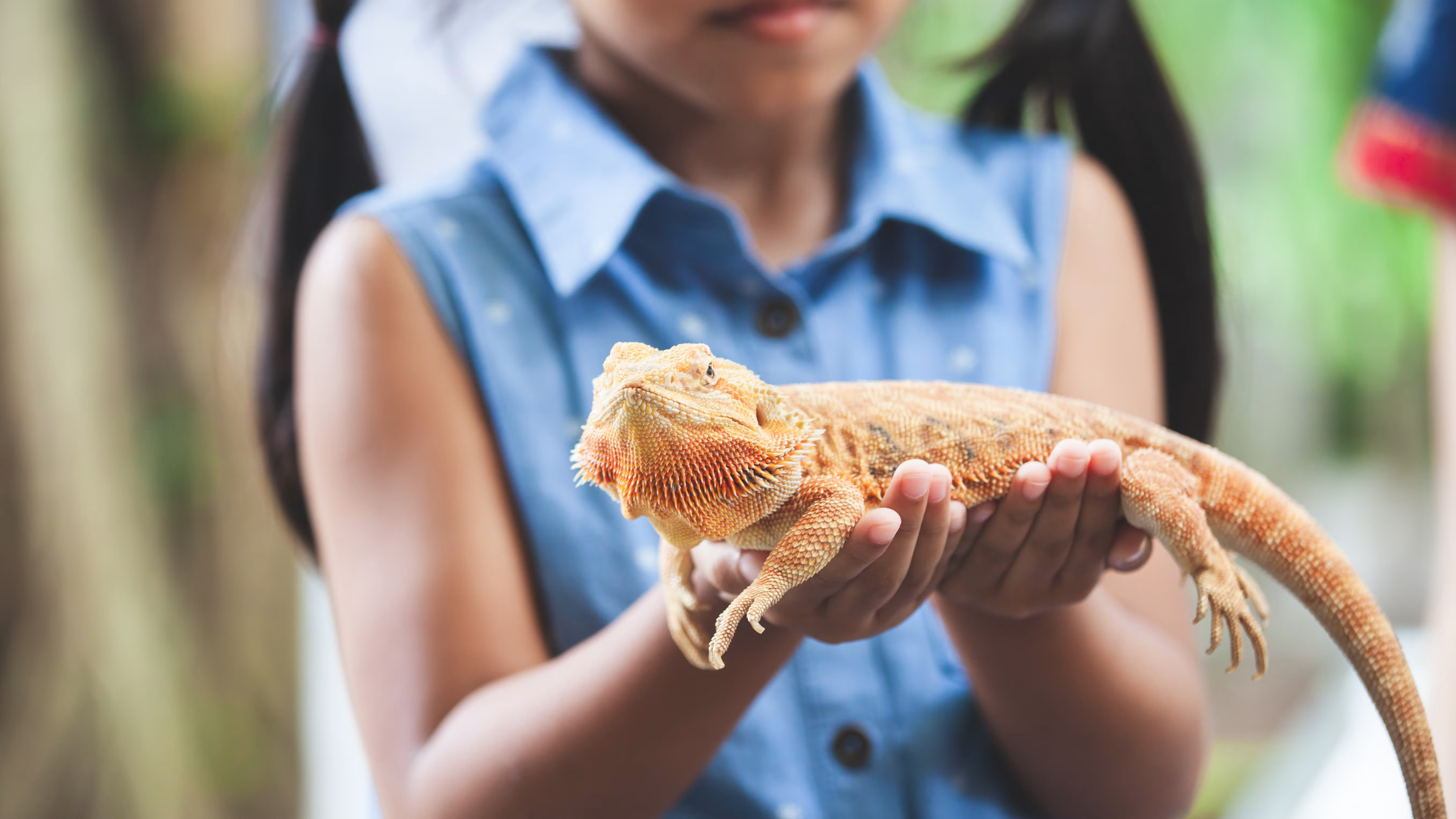
Read these guidelines about handling reptiles to provide a safe and fun environment for your pet, friends and family.
Updated on December 22nd, 2025
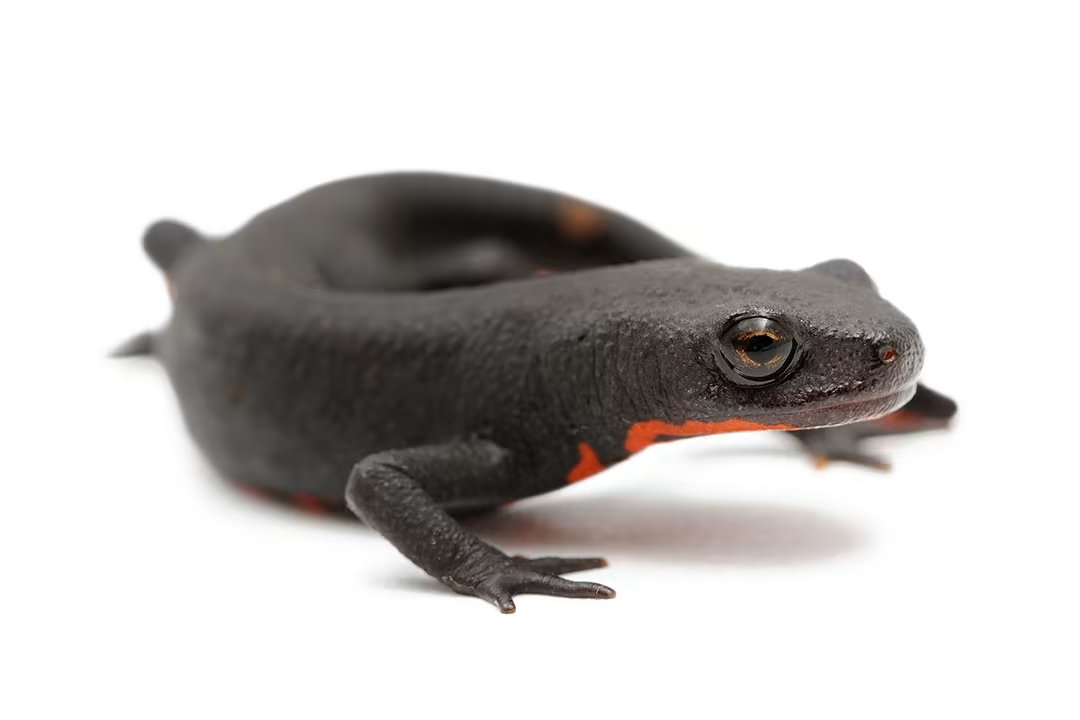
Learn How to Care for a Salamander & Newts, recommended diet and habitat setup. Find the right food, supplies and equipment at your neighborhood Petco.
Updated on December 22nd, 2025
Ideally, the UVB light source should run the entire length of the tank. A thermometer/hygrometer should be on each end of the tank to confirm cool and warm sides. Use a digital thermometer to verify temps. Those little ones you have can be inaccurate. Provide a hide on both sides as well. Personally, I would remove the fake grass as it has the potential to cause eye injuries. Your tank looks good otherwise.
Updated on November 25th, 2025
It is too small to be used for much beyond transport, quarantine or temporary housing (i.e. during cleaning of main enclosure). The plastic construction does not allow for light or heat sources which most reptiles or exotic pets require.
Updated on November 25th, 2025
Thanks for your question about Smaug, and thanks for the photo as well! I think that you have a good start to your set up, and that we can tweak a few items. First, your lighting situation appears adequate - I see a UVB light (please change this bulb every 4-6 months), a basking light, and a ceramic heat bulb. I would ensure that your temperatures are appropriate for this species, and that you are monitoring them using digital thermometers (I think that you see both a digital and analog thermometers currently) at the level of Smaug. Analog thermometers are inaccurate, so I don't recommend using them (also, they are high up on the sides of the enclosure, so they wouldn't be giving an accurate temperature read for Smaug). For the cage furniture that you have, I like that you have places for Smaug to climb and hide. However, I would recommend having a hide on both the warm side of the enclosure and the cool side so that Smaug has choices. Same for the climbing structures. I may have misse
Updated on November 25th, 2025
You must treat both the environment and the pet. You can try some over the counter products but many can be ineffective if the environment is not treated concurrently. Ivermectin can be dispensed by your veterinarian to use systemically or topically. Do not treat with ivermectin without the advice of your veterinarian as it is quite easy to overdose. A 30 minute soak in a diluted Betadine bath can remove most mites and may soothe irritated skin. Remove the substrate, bag it and take it outdoors. Clean and sanitize the cage, bowls and tank furniture. You can use hot, soapy water followed by a 1:30 dilution of bleach and water followed by a thorough rinsing on the tank, bowls and non porous surfaces. Discard anything that cannot be sanitized. You may need to clean and sanitize the enclosure weekly for several weeks. The pet may need multiple treatments as well.
Updated on November 25th, 2025
Leopard geckos are great "starter" reptiles. They don't require special lighting (UVB) like other reptiles. A 20 gallon tank is big enough for one. Add a heat source, hides and a water bowl and you are good to go. You can review gecko care at the links below. http://www.reptilesmagazine.com/Care-Sheets/Lizards/Leopard-Gecko/ http://www.anapsid.org/leopardgek.html
Updated on November 25th, 2025