Two Easy Ways to Start Earning Rewards!
Become a member today! Members-only pricing and offers, personalized care notifications, Vital Care points back on every purchase and more!
 Become a credit card member today!
Earn 2X Pals Rewards points at Petco
when you use Petco Pay!APPLY NOWLearn More About Petco Pay Benefits
Omega One Betta Fish Shop
Get It Today


Related Articles & Questions
- Health & Wellbeing
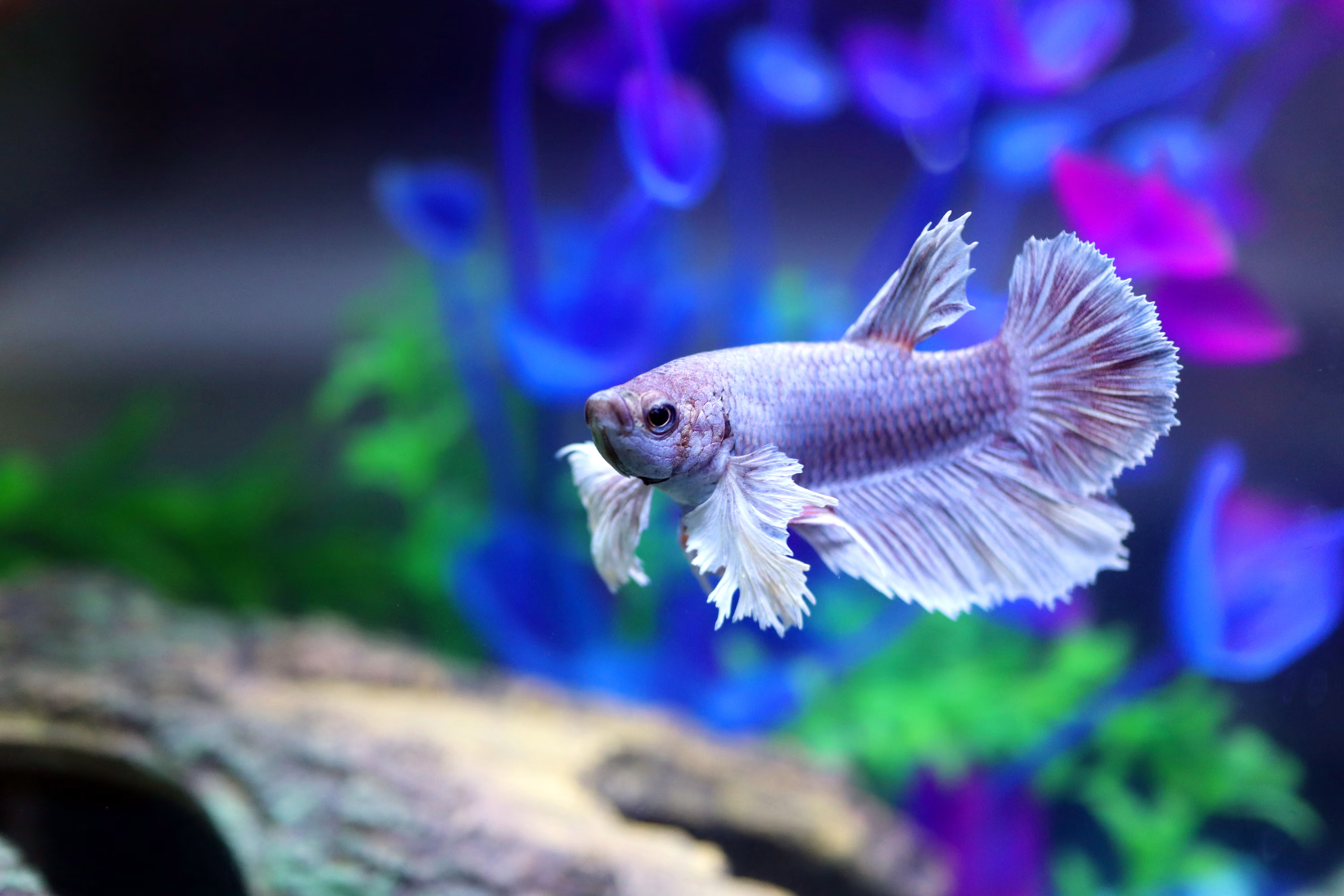
Play with Your Betta Fish: Easy Ways to Engage & Keep Them Happy
You may not take your betta fish for a walk, but this aquatic pet still needs daily activity. Petco shares how to encourage daily exercise and play into your betta fish's life.
Updated on November 13th, 2025
- New Pet
Freshwater Semi-Aggressive Fish: Top Secrets for a Thriving Tank
Learn how to care for semi-aggressive fish, recommended diet & aquarium setup. Find the right food, supplies & equipment at your neighborhood Petco.
Updated on November 13th, 2025
- New Pet
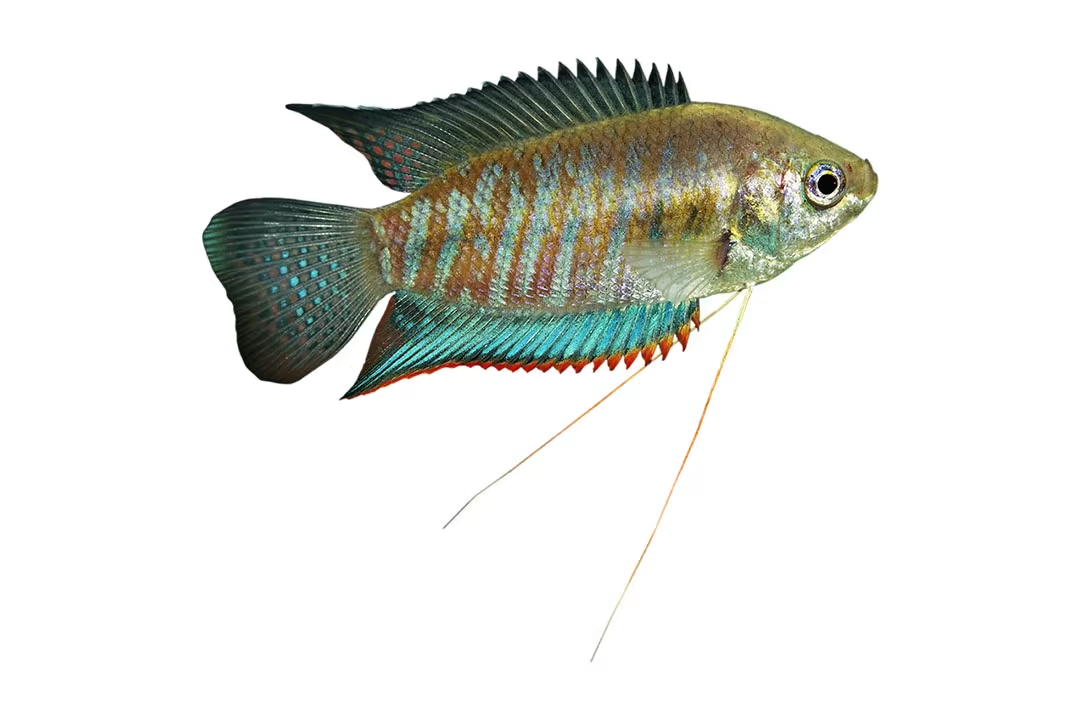
Paradise Fish Care: Complete Guide to Tank Size, Food, & Habitat Setup
Learn how to care for Paradise fish, recommended diet and aquarium setup. Find the right food, supplies and equipment at your neighborhood Petco.
Updated on November 13th, 2025
- New Pet
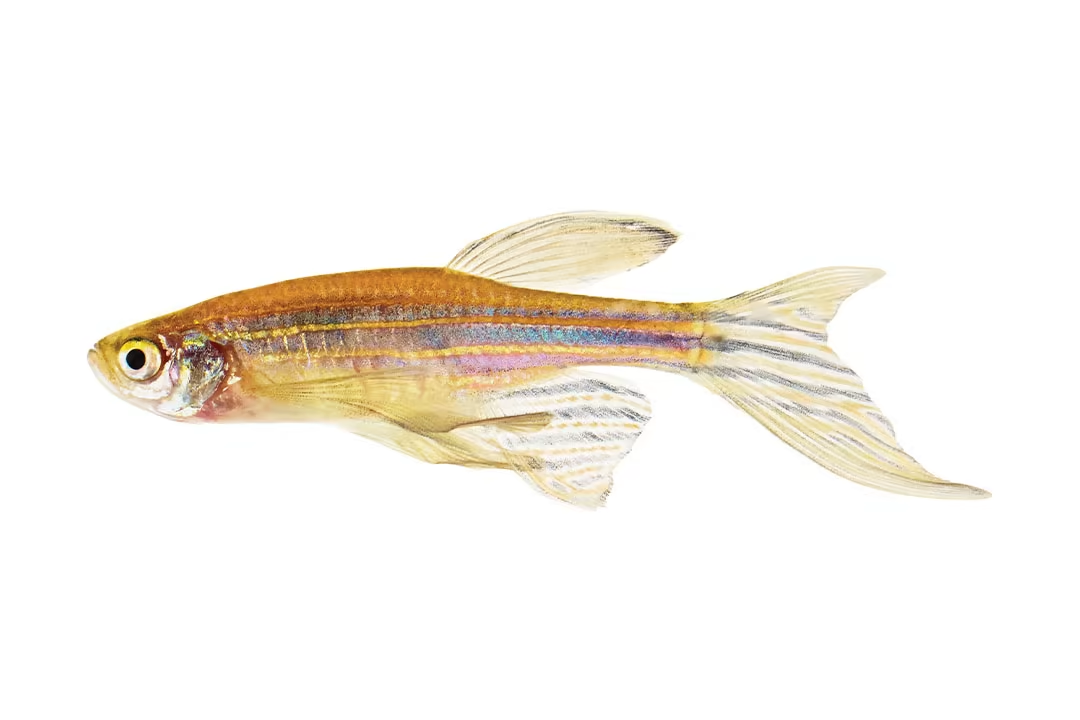
Danio Fish Care: Tank Setup, Food, & Compatibility for Beginners
Learn how to take care of Danios, recommended diet and tank setup. Find the right food, supplies and equipment at your neighborhood Petco.
Updated on November 13th, 2025
- New Pet
Aquarium Water Quality: Master Healthy Fish & Crystal Clear Tanks
Learn how to test your aquarium water. Poor water quality stresses fish, which leaves them susceptible to disease and possibly death.
Updated on November 13th, 2025
- Health & Wellbeing
Hello. I have a female Koi Betta fish named Coral. I estimate she is about 8-9 months old. So far she is doing very good but for the past few days her color has faded and she has been near the top of the water and she has not been eating. I am not su
Check the water chemistry. Elevated ammonia or nitrites can drive her towards the surface. Perform a partial water change daily to stabilize chemistry and maintain water quality if indicated. Use only aged or conditioned water that is temperature matched to prevent further stress or shock. Bettas do best between 78F and 80F. Plain aquarium salt (NOT table salt) can be used as a general tonic to reduce stress, improve gill function and aid in any recovery. Dissolve 1 teaspoon of salt per gallon of water in a cup of tank water and gently pour it into the tank. Treat for 10-14 days then reassess the condition. These steps should get her eating again. If not, try soaking the pellets in some garlic juice to stimulate the appetite and provide an immune system boost.
Updated on August 12th, 2025
- Health & Wellbeing
my betta fish is normally very active and attentive, but starting yesterday and continuing today he is very lazy. he is sitting, swimming slowly and won’t eat. he isn’t his normal self (i do have a heater and the water temp is correct).
Hi, and thanks for your question. Begin by submitting a water sample for quality testing. Most pet stores will do this for free or a nominal fee. Clinical examination should always include a water quality check, even if you have done so already. Water testing should be performed with a quality test kit, measuring NH4, NO2 and NO3. High ammonia levels, PH imbalances may be responsible for these signs. Oxygen concentration and quality of the filters should be determined as well. If water quality is good and there are no major imbalances, your fish should get examined to look for any sign of bacterial/fungal infection and eventually water should be treated. Hope this answer was helpful, but please do not hesitate to contact us again on the forum or by requesting a consultation if you have any more questions or to discuss it any further. If this answer was helpful please let us know, this will be used to improve our service!
Updated on August 12th, 2025
- Health & Wellbeing
I do not know if anybody knows much about betta fish but I think there is something wrong with my male betta. I bought him at a large petstore about 2ish years ago. He is kept in a heated, filtered, 2.5 gallon aquarium. Lately, he hasn't been eating
Check the water chemistry to confirm 0 ppm ammonia and nitrites with a 40ppm or less nitrate level. A partial water change can be done daily if necessary to stabilize chemistry and maintain water quality. Use only aged or conditioned water that is temperature matched to prevent stress or shock. For Bettas, a temp between 78F and 80F is recommended. Plain aquarium salt (NOT table salt) can be used as a general tonic to reduce stress, increase gill function and aid in any recovery. It may also treat minor infection. Dissolve 1 teaspoon of salt per gallon of water in a cup of tank water and gently pour it into the tank. Treat for 10-14 days. When performing water changes, treat only the amount of water being replaced, not the entire tank volume. Soaking pellets in garlic juice may stimulate the appetite and can provide a boost to the immune system. Fasting him for 2-3 5ays then feeding bits of cooked and shelled green peas may relieve constipation. He's pretty old for a Betta. Most
Updated on August 12th, 2025
- Health & Wellbeing
Is my beta fish dying??
She seems quite emaciated and fin may be affected by bacterial infection. To approach this problem begin by submitting a water sample for quality testing. Most pet stores will do this for free or a nominal fee. Clinical examination should always include a water quality check, even if you have done so already. Water testing should be performed with a quality test kit, measuring NH4, NO2 and NO3. High ammonia levels, PH imbalances may be responsible for these signs. Oxygen concentration and quality of the filters should be determined as well. If water quality is good and there are no major imbalances, your fish should get examined to look for any sign of bacterial/fungal infection and eventually water should be treated. Hope this answer was helpful, but please do not hesitate to contact us again on the forum or by requesting a consultation if you have any more questions or to discuss it any further.
Updated on August 12th, 2025
- Health & Wellbeing
My crowntail beta as said was mail on it's container looks really fat and my other beta gets the same types of food at the same The what's the problem
Your fish is definitely a male Betta. The finnage and vibrant color give it away. His condition has several potential causes ranging from bloated/constipation or swim bladder disease (treatable) to tumor (possibly treatable) to dropsy (usually fatal). It he isn't defecating or has trouble swimming upright, it may be the first two problems, a mass would need to be diagnosed by a veterinarian experienced in treating aquatic pets, dropsy is a serious concern. If your dishes scaled are protruding giving him the appear of a pinecone, he may have dropsy. Dropsy is a severe bacterial infection that affected the kidneys and other organs causing fluid retention and swelling. Many of these conditions are caused by poor water quality or over feeding. Test your water first then correct any imbalances via partial water change using aged or conditioned water. Rinse the filter media and confirm adequate filtration. Check water temperature. Bettas do best between 78 F and 80 F. Cold temps can lead t
Updated on August 12th, 2025