

Two Easy Ways to Start Earning Rewards!
Become a member today! Members-only pricing and offers, personalized care notifications, Vital Care points back on every purchase and more!
 Become a credit card member today!
Earn 2X Pals Rewards points at Petco
when you use Petco Pay!APPLY NOWLearn More About Petco Pay Benefits
Pro Clear Aquatic Systems Aquarium Equipment


Related Articles & Questions
- New Pet
Aquarium Water Quality: Master Healthy Fish & Crystal Clear Tanks
Learn how to test your aquarium water. Poor water quality stresses fish, which leaves them susceptible to disease and possibly death.
Updated on October 23rd, 2025
- New Pet
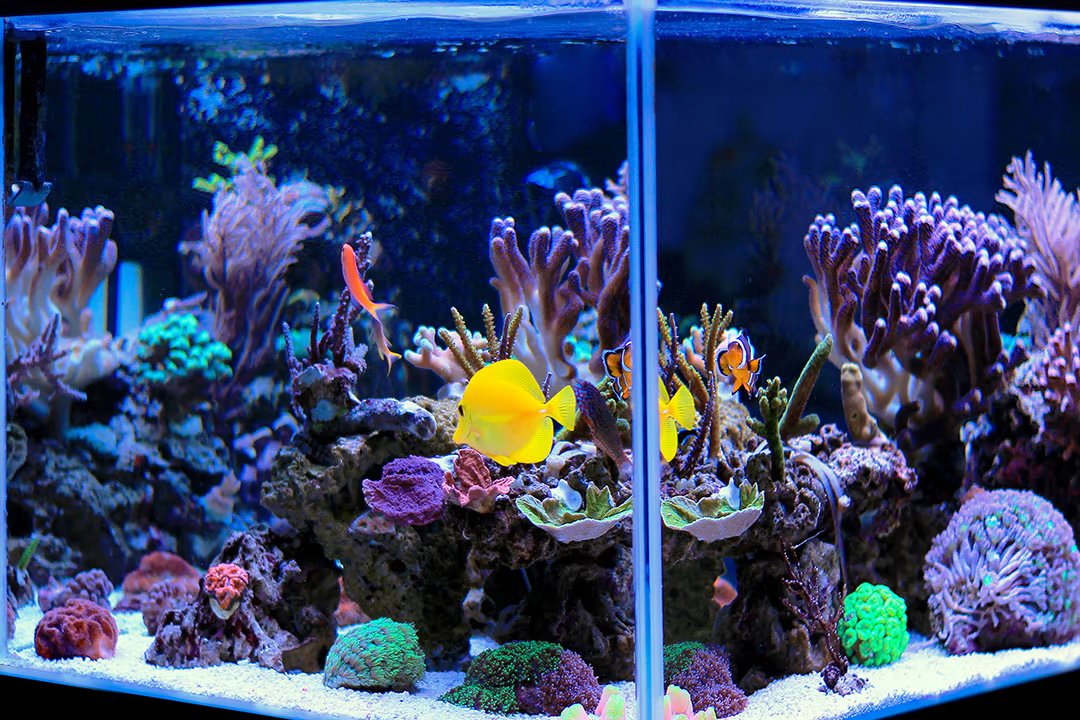
Build Your Thriving Saltwater Tank: Easy Setup for Marine Life
Learn how to set up a saltwater fish tank and key considerations regarding placement, supplies needed, and the overall set up process.
Updated on October 23rd, 2025
 Product Guides
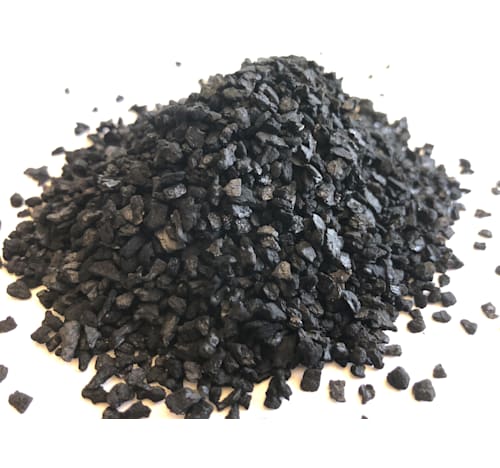
Activated Carbon for Aquariums: Get Crystal Clear Water & Healthy Fish
What is activated carbon and should you add it to your aquarium filter? Learn about activated carbon's uses, maintenance, and how to add it to your filter.
Updated on October 23rd, 2025
- New Pet
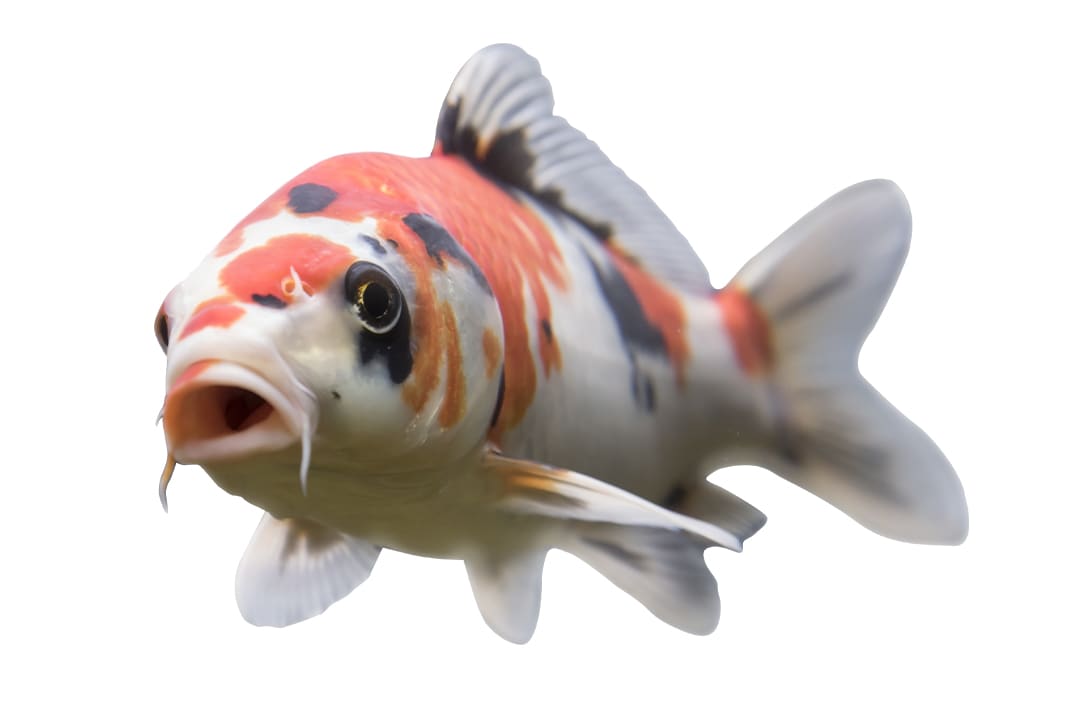
Mastering Koi Care: Optimal Tank, Food, Water Quality & Health Tips
Learn how to care for a Koi, recommended diet and aquarium setup. Find Koi for sale, supplies and equipment at your neighborhood Petco.
Updated on October 23rd, 2025
- New Pet
Perfect New Fish Tank: Water Quality & Cycling for Healthy Fish
Before establishing an aquarium at home, learn more about the basics of fish care.
Updated on October 23rd, 2025
- Health & Wellbeing
I'm about to buy some new fishes mostly Tetra Can you help me what fish should I buy because I am beginner in this things. Please tell me what sort of things I should bring I have a one foot tank now other than that What should I purchase from Aquar
Before you buy any fish, you will need to set up the tank. A basic set up includes: a tank, filter, hood/light, heater, gravel and some decor. The tank should run without fish for at least 4 to 6 weeks. This gives it time to cycle. The Nitrogen Cycle is critical to the health of the tank and any fish you will be keeping. During this time, beneficial bacterial will populate the filter and substrate (gravel). These bacteria will be responsible for breaking down fish wastes and other wastes (uneaten food, dead plants, etc.). You will need a home test kit to monitor water chemistry (ammonia, nitrites, nitrates, pH) or you will have to submit water samples for testing. Most pet stores will do this for free or for a small fee. At first, you will see high levels of ammonia and nitrites. Over time, as bacteria grow, these levels will drop. When ammonia and nitrites are at 0 ppm and nitrates are below 20 ppm, you can consider adding fish. Regular (every 1 or 2 weeks) partial water changes as we
Updated on September 24th, 2025
- Health & Wellbeing
What is the best way to clean a fish tank? Am I allowed to remove the fish so i can clean it more properly?
Hello, and thank you for using Boop by Petco. The most common (and easiest) way to clean a fish tank is with a siphon-style cleaner. Fish tanks should be cleaned in stages, generally replacing 10-15% of the water at a time. There are times where a larger cleaning might be necessary, but removing the fish and changing too much of the water at once can be quite a shock and can be dangerous to the fish, so this should be saved for only extenuating circumstances. Here's a helpful video on using a siphon cleaner: http://video.petco.com/v/18852/how-to-clean-your-aquarium-with-the-aqueon-siphon-vacuum-/ And some more reading you may find interesting on general fish tank cleaning and maintenance: http://www.firsttankguide.net/waterchange.php Hope this helps!
Updated on September 24th, 2025
- Health & Wellbeing
Can use mineral water for aquarium. My tap water has lot of heavy metals. I have 10 galloon tank with 4 guppy 4 danio 1 silver dollar. 1silver dollar and 1 pleco died bcoz of 2 gold fish earlier in my tank. So i decided to use RO water. Can i use.
RO water is devoid of minerals and trace elements that help stabilize pH and other parameters. If you can add these after filtration then use your RO water. Otherwise, RO is commonly used to "top off" fish tanks that lose water via evaporation.
Updated on September 24th, 2025
- Health & Wellbeing
Hi, I just got a fish from a friend and I don’t rlly know anything about that fish, it’s rlly small(about 4cm) and I want to know the breed of the fish and how to take care of it. Thanks you
Thanks for reaching out about you fish. It is believed to be a Comet goldfish. Water quality and nutrition is the key to success. Testing water parameter for pH, ammonia, nitrite and nitrate will give you guidance for a healthy environment. Purchased food should be rotated out every 3 months as vitamin C and other nutrients degrade over time. Trying to maintain water temperature can be challenging with out a heater, but most fresh water fish tolerate some changes. Good luck.
Updated on September 24th, 2025
- Health & Wellbeing
My marine class are getting Silver Perch. We are putting them in this enclosure. What type of equipment will we need to keep them away from disease, pests, and also what filters and water temperature will we need to keep them alive. How do we breed
Depending on the number of fish you get, water quality will be the most important factor in maintaining their health. You'll need quite a large filter for a tank that size. Ideally, choose one that is rated to handle at least twice volume of water in the tank. Mechanical, chemical and biological filtration are all recommended as well as the inclusion of an ultraviolet filter. Silver perch are hardy and can tolerate a wide range of water parameters but thrive at temps between 23 C and 28 C. You may need a heater or heaters capable of maintaining that range. They will spawn anywhere between October and April depending on the age of the fish. Mature fish will spawn early, between October and February, while younger fish will spawn late winter into early Spring. They are an omnivorous species but do well on a commercial pelleted fish chow. One suggestion would be to contact local owners of fish ponds, pond builders and large scale breeders to get more detailed information and to see ope
Updated on September 24th, 2025