Two Easy Ways to Start Earning Rewards!
Earn 2X Pals Rewards points at Petco
when you use Petco Pay!
Get It Today
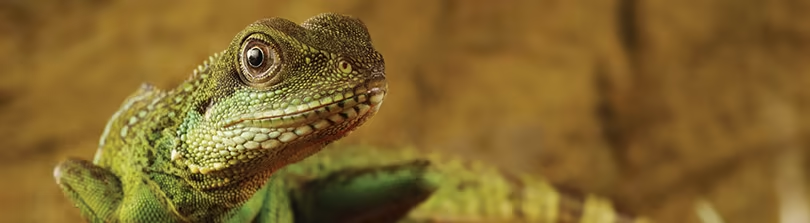
Learn how to setup your reptiles terrarium to ensure your reptile lives a wholesome & happy life. Shop at your local Petco for all reptile terrarium needs.
Updated on November 13th, 2025
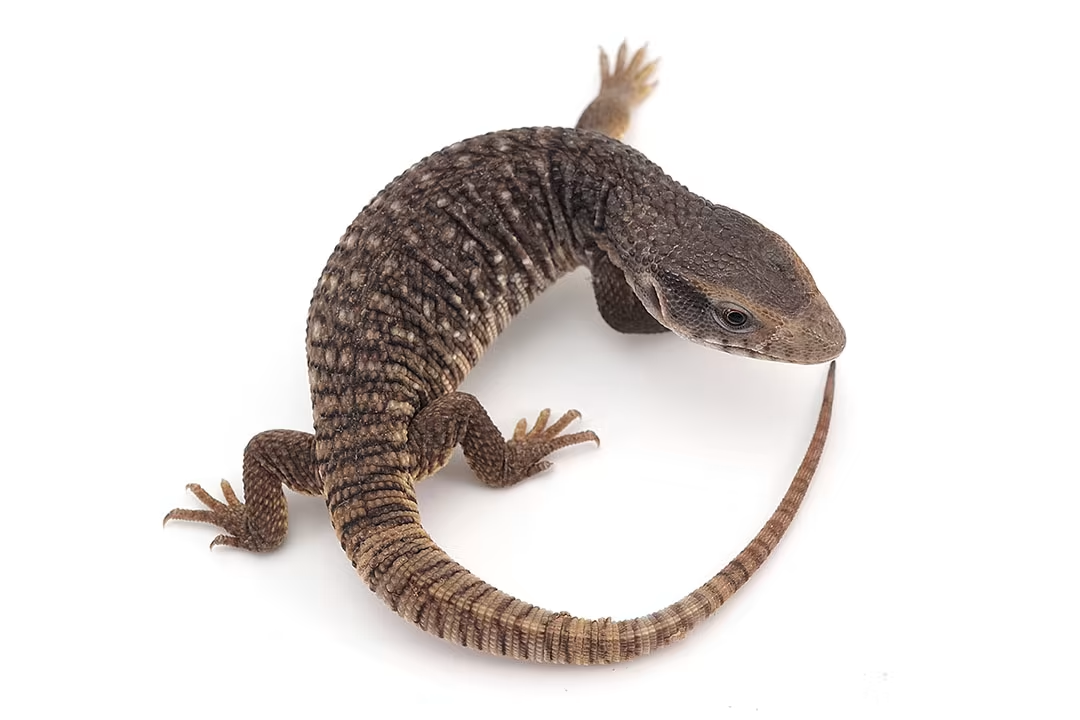
Learn how to care for a monitor lizard, recommended diet and habitat setup. Find the right food, supplies and equipment at your neighborhood Petco.
Updated on November 13th, 2025
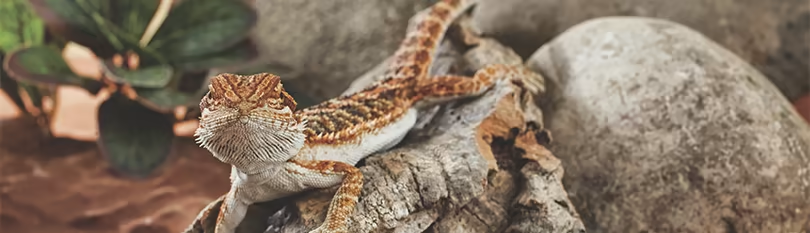
When it comes to reptile habitats, one of the most essential elements to creating a happy home for your pet is including the appropriate type of lighting. Zoo Med helps outline which lights are right for your pet.
Updated on November 13th, 2025
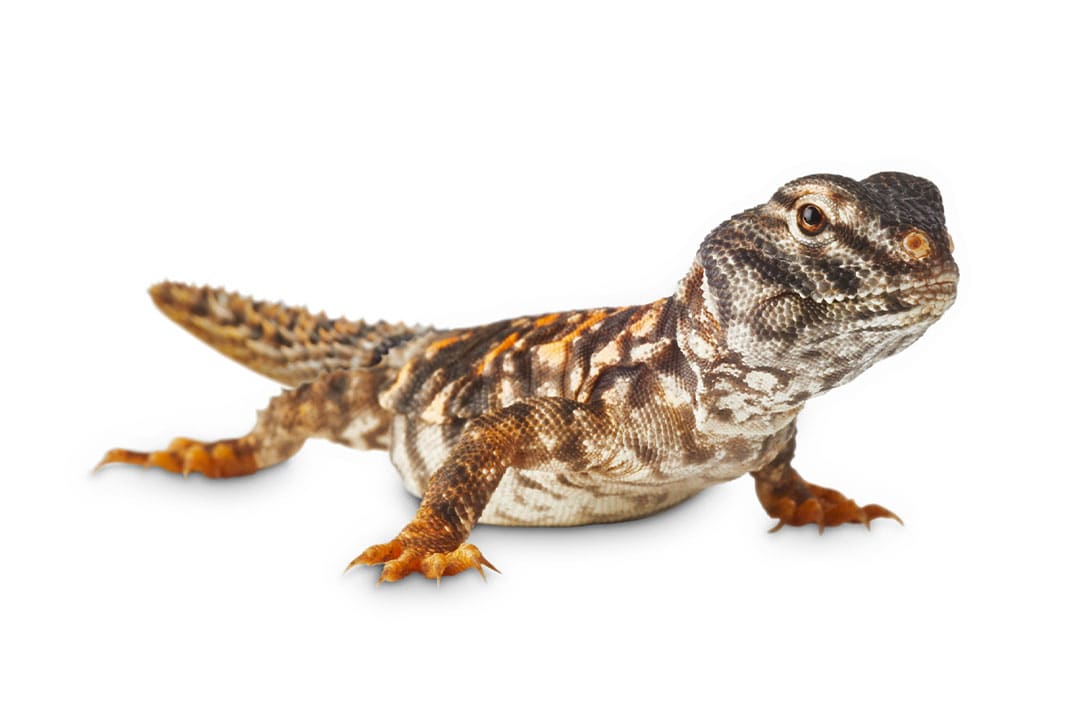
Learn how to take care of Saharan Uromastyx, recommended diet and tank setup. Find the right food, supplies and equipment at your neighborhood Petco.
Updated on November 13th, 2025
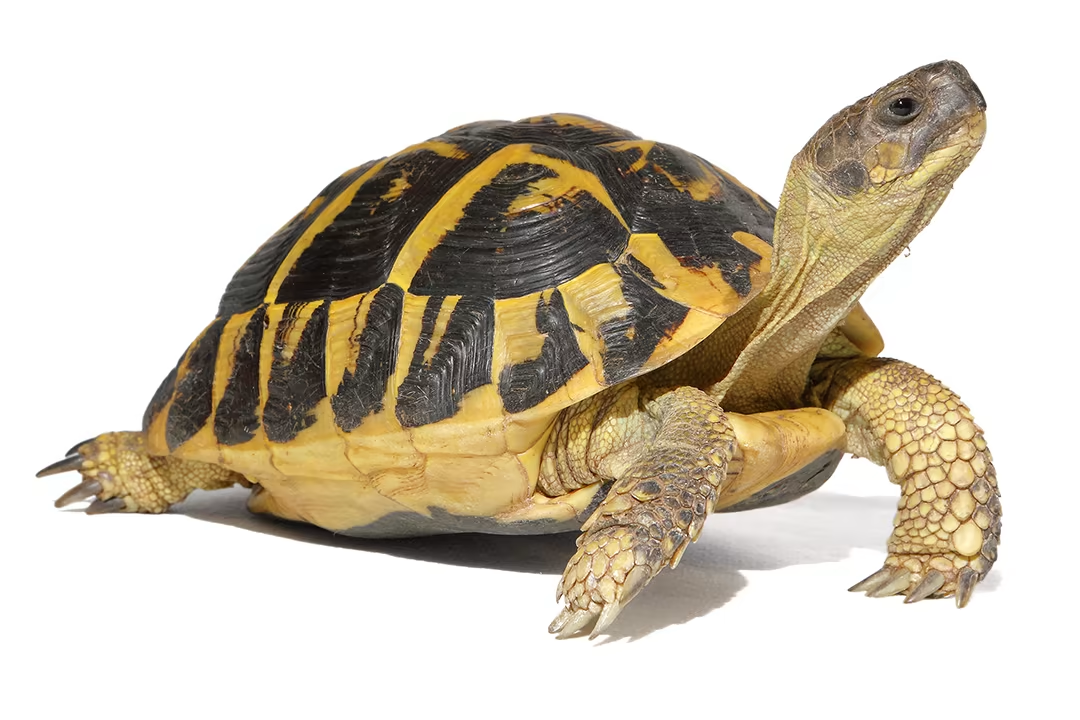
Learn how to take care of your Hermann's Tortoise, tank size, diet & habitat setup. Find the right food, supplies and equipment at your neighborhood Petco.
Updated on November 13th, 2025
It does appear to be of the takydromus species. These grass lizards are common and fairly easy to keep. Being adept climbers, more vertical space should be offered in an enclosure. Branches and vines can be placed for climbing. Bring reptiles, they need an external heat source and UVB lighting. Daytime temps can range from 24 C to 30 C (75-85 F). Provide a basking spot of around 35 C to 38 C (95-100 F) using a heat lamp. Aim for 70-80% humidity. Provide a shallow bowl for water. Mist the cage daily. Feed appropriately sized prey, no bigger than the space between the eyes, that have been gutload for 24 hours prior to offering. This will maximize nutritional value. Crickets, mealworms, dubia roaches, waxworms or wingless fruit flies can all be offered. Dust prey with a calcium supplement and a multivitamin supplement several times weekly. Ideally, the wound should be addressed by a veterinarian experienced in treating reptiles. You can clean it with dilute Betadine or chlorhexidine
Updated on August 12th, 2025
Have him examined by your veterinarian or an experienced herp vet to diagnose and treat any infection related to the loss of the tail. In the meantime, increase tank temps by about 5-10 degrees F, soak daily in a warm 50/50 solution of water and unflavored PediaLyte for 20 minutes. Once he warms up and rehydrates, offer appropriately sized prey. Gutload prey for 24 hours prior to offering to maximize nutritional value. Supplement with a product such as Fluker's Repti-Boost to get weight back on him. You can clean the stump with diluted betadine or chlorhexidine. Use paper towels for substrate until the stump is healed.
Updated on August 12th, 2025
Why change a working system? You are obviously doing very well in the way you keep your turtle. Since apparently your turtle is doing well, it is getting everything it needs with the Reptomin. You could try offering it leafy greens, freeze-dried shrimp or krill, crickets, superworms, rosy red minnows and even pinky mice as an occasional treat.
Updated on August 12th, 2025
At worst, you may see some stomach upset (vomiting or diarrhea). Either can typically be managed at home with a short fast followed by a bland diet fed in small, frequent amounts until symptoms resolved.
Updated on August 12th, 2025
It will take patience and consistency on your part. Spend time sitting by the cage. He may run or hide initially, but when he doesn't, place your hand in the cage for ever increasing periods of time. Once again, he may run and hide but make no attempt to touch or hold him. Once he stops running from your hand, use special food treats/prey to entice him onto your hand. Eventually, he will anticipate your presence as meaning a potential meal or treat.
Updated on August 12th, 2025