

Two Easy Ways to Start Earning Rewards!
Become a member today! Members-only pricing and offers, personalized care notifications, Vital Care points back on every purchase and more!
 Become a credit card member today!
Earn 2X Pals Rewards points at Petco
when you use Petco Pay!APPLY NOWLearn More About Petco Pay Benefits
Rep-Cal Bearded Dragon Food
Get It Today


Related Articles & Questions
- Food & Nutrition
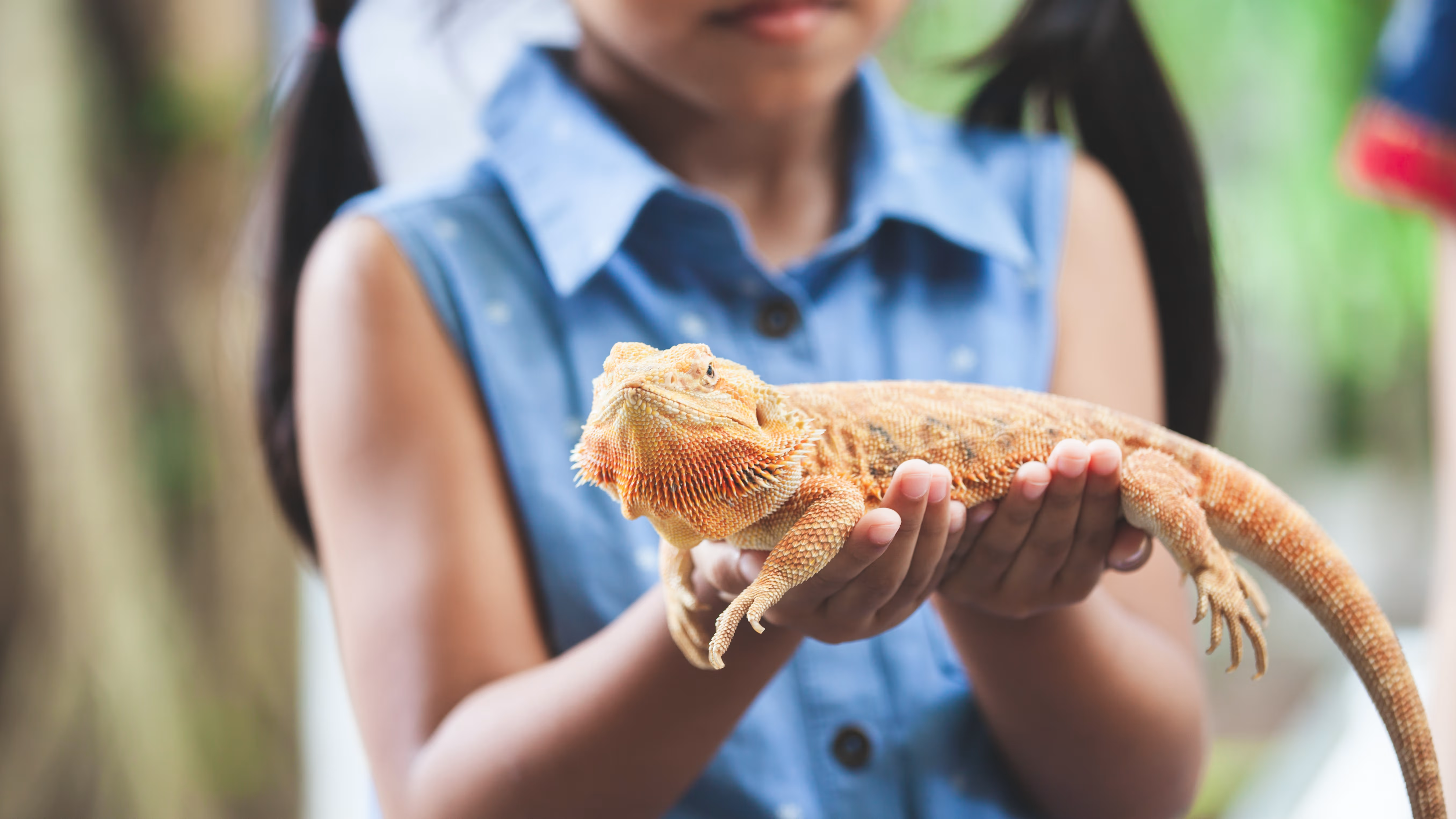
Bearded Dragon Food: What to Feed for Optimal Health & Happiness
Do you have questions about what type of food to feed your bearded dragon? Visit Petco to find all the answers on what to feed your bearded dragon.
Updated on October 23rd, 2025
- New Pet
Bearded Dragon Care: Essential Facts for a Healthy, Long, Happy Life
Learn some fun facts about beard dragons, available at Petco. There’s lots to learn about these fun and fascinate pets.
Updated on October 23rd, 2025
- Health & Wellbeing
Is Your Bearded Dragon Gravid? Signs, Prep & Aftercare Guide
Learn the signs your bearded dragon is gravid and how to care for a pregnant beardie. Also, find out if the eggs are fertile and how to care for bearded dragon eggs.
Updated on October 23rd, 2025
- New Pet
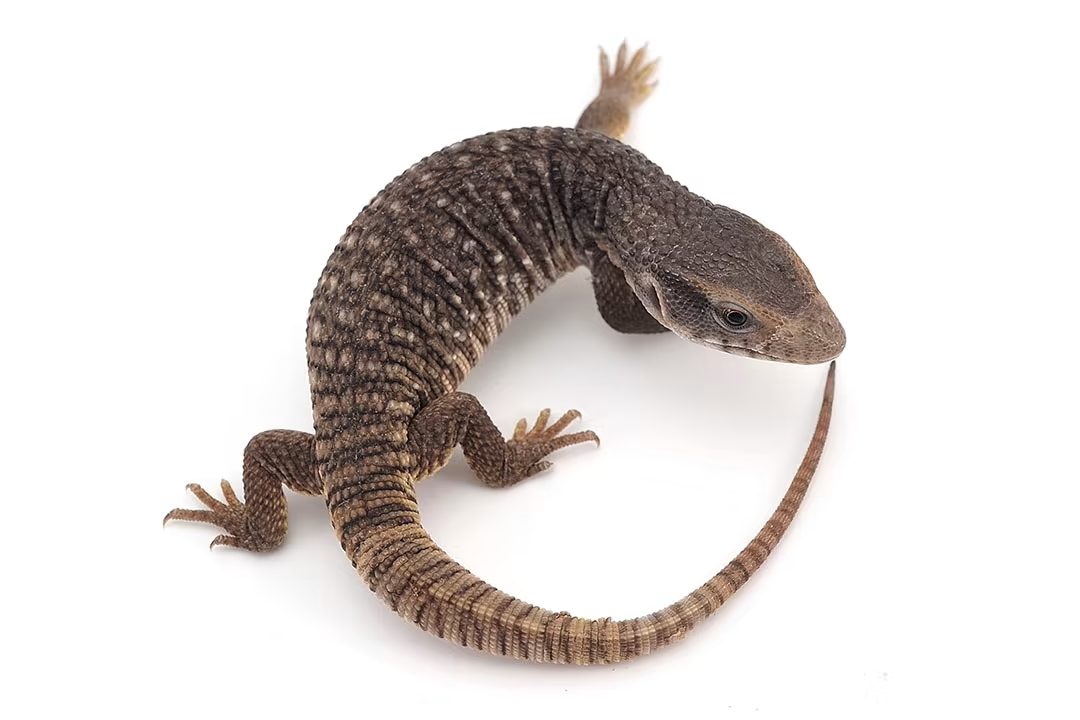
Savannah Monitor & Tegu Care: Setup, Feeding & Health Tips
Learn how to care for a monitor lizard, recommended diet and habitat setup. Find the right food, supplies and equipment at your neighborhood Petco.
Updated on October 23rd, 2025
- New Pet
Is a Reptile Right for You? Essential Questions Before You Buy
Explore our tips about what to keep in mind when choosing the right pet reptile for your family. Consider what they need to stay happy and healthy.
Updated on October 23rd, 2025
- Health & Wellbeing
Can i give my Bearded Dragon a bath when he gets older? What do they prefer to eat? What activities do they like most?
Beardies can have regular soaks even as juveniles, especially when they are shedding. Use warm water and fill a container no higher than Lucky Man's shoulder. Never leave him unsupervised while he is bathing. Bearded dragons are omnivorous. They eat plant and animal matter. Greens and veggies should make up about 20% of the diet. Acceptable foods include carrots, green beans, squash, mustard greens, collard greens and dandelion greens. Prey should be of appropriate size. Beardies can eat crickets, locusts or dubia roaches. Wax worms can be offered as treats. Never feed insects caught indoors or in the yard. Raise your own, buy online or from a pet store. They do enjoy being held once acclimated and are very curious about their environment. Follow the link for more information: http://www.anapsid.org/bearded.html
Updated on September 24th, 2025
- Food & Nutrition
My roommate has a bearded dragon that she hasn’t given food or water to in quite some time. I’m worried about the bearded dragon and I don’t have the money to get anything for them.
Reptiles can go some time without eating, but they do need to eat eventually. Crickets are not expensive. Fresh greens and vegetables can also be purchased rather inexpensively. You can soak Toad in a warm 50/50 solution of water and unflavored PediaLyte or just warm water to maintain hydration. He does need to eat though. If your friend cannot provide adequate care, he or she should consider rehoming Toad. Review dragon care at the links below. http://www.reptilesmagazine.com/Care-Sheets/Lizards/Bearded-Dragon/ http://www.anapsid.org/bearded.html
Updated on September 24th, 2025
- Health & Wellbeing
I have a tiny bearded dragon baby and is there anything I need to look out for specifically to see if she is unwell
Monitor for lethargy, loss of appetite or loose stool. Dehydration is a common cause of hatchling death. Mist her several times a day. Do not use a water bowl as it presents a risk of drowning. Feed appropriately sized prey. This can include roaches, crickets or silkworm. Fresh, chopped greens and a commercial pelleted diet should also be offered. Offer a calcium supplement daily and a multvitamin 5 days per week. Her enclosure should contain climbing furniture, a basking area, a heat lamp, UVB lightsource and a couple hides (one on the cool side, one on the warm side). Follow this link for more information: http://www.anapsid.org/bearded.html
Updated on September 24th, 2025
- New Pet
I just recently adopted a baby bearded dragon who is trying to pull out of failure to thrive he is a little bloated and constipated trying to give him water and Emeraid IC .07ml seem to be pulling out of it for a while but past 3 days is not as inter
Confirm proper enclosure temperatures. Young dragons need warmer temps than adults. You can review care and feeding at the link below. http://www.anapsid.org/bearded.html Soak him in a warm 50/50 solution of water and unflavored PediaLyte for 20-30 minutes daily. This will provide warmth and hydration. be careful when feeding or administering water by syringe, you can easily cause him to aspirate fluids into his lungs which will cause respiratory infection. Fluker's Repta Boost is another supplement that can be used if the EmerAid is not sufficient. Submit a stool sample to your veterinarian to diagnose intestinal parasites.
Updated on September 24th, 2025
- Health & Wellbeing
Hello, my bearded dragon isn't growing for the past 8 months. He's only 10 inches from head to tail and this really concerns me. I feed him a proper diet, 4-7 crickets a day occasionally with some reptile calcium. His temperature is 89 degrees F and
Oscar should be eating 2-3 times that amount. He should be fed twice daily. Gut load prey for 24 hours prior to feeding. He should be getting calcium 5 days a week and a multivitamin twice a week. He can eat crickets, dubia roaches and phoenix worms in addition to fresh chopped greens. His basking area should be 90-100 F. The rest of the tank should range from 76 F on the cool side to 86 F on the warm side. Make sure the UVB light is 10" - 12" away from him but no more than 18" away and not blocked by glass or plexiglass. Have him examined by your veterinarian or a vet experienced in treating reptiles. Submit a stool sample to diagnose intestinal parasites.
Updated on September 24th, 2025