Two Easy Ways to Start Earning Rewards!
Become a member today! Members-only pricing and offers, personalized care notifications, Vital Care points back on every purchase and more!
 Become a credit card member today!
Earn 2X Pals Rewards points at Petco
when you use Petco Pay!APPLY NOWLearn More About Petco Pay Benefits
Rep-Cal Aquatic Turtle Shop
Get It Today


Related Articles & Questions
- New Pet
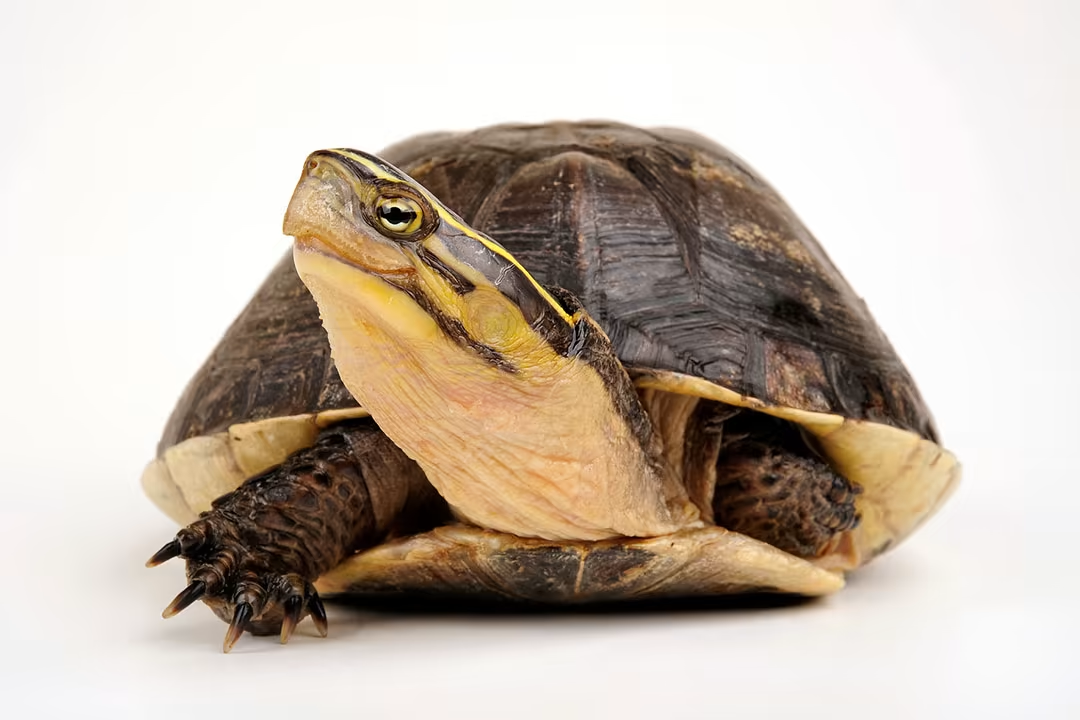
Terrestrial Turtle Care Guide: Food, Habitat, & Setup for a Happy Pet
Learn how to care for terrestrial turtles, recommended diet & habitat setup. Find the right food, supplies & equipment at your neighborhood Petco.
Updated on November 13th, 2025
- Home & Habitat
Reptile UVB Lighting: Help Your Pet Thrive with the Right Lamp
Learn the importance of UVB light for your reptiles and the right reptile lights for your pet’s habitat.
Updated on November 13th, 2025
- New Pet
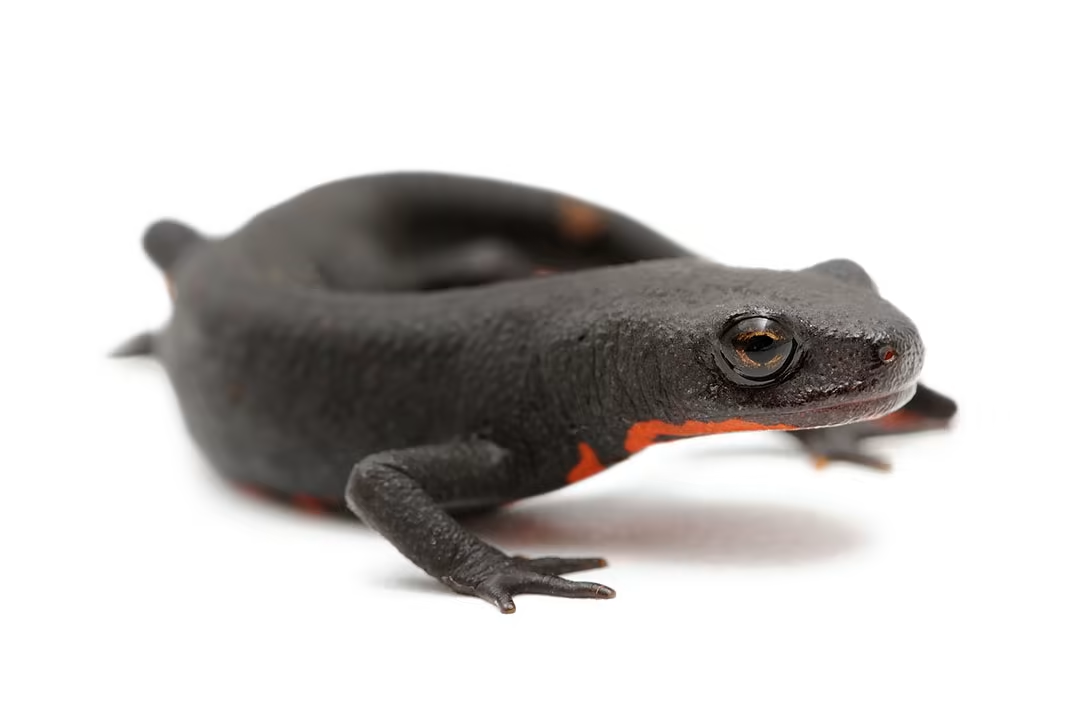
Mastering Pet Salamander & Newt Care: Food, Habitat, Health Guide
Learn How to Care for a Salamander & Newts, recommended diet and habitat setup. Find the right food, supplies and equipment at your neighborhood Petco.
Updated on November 13th, 2025
- New Pet
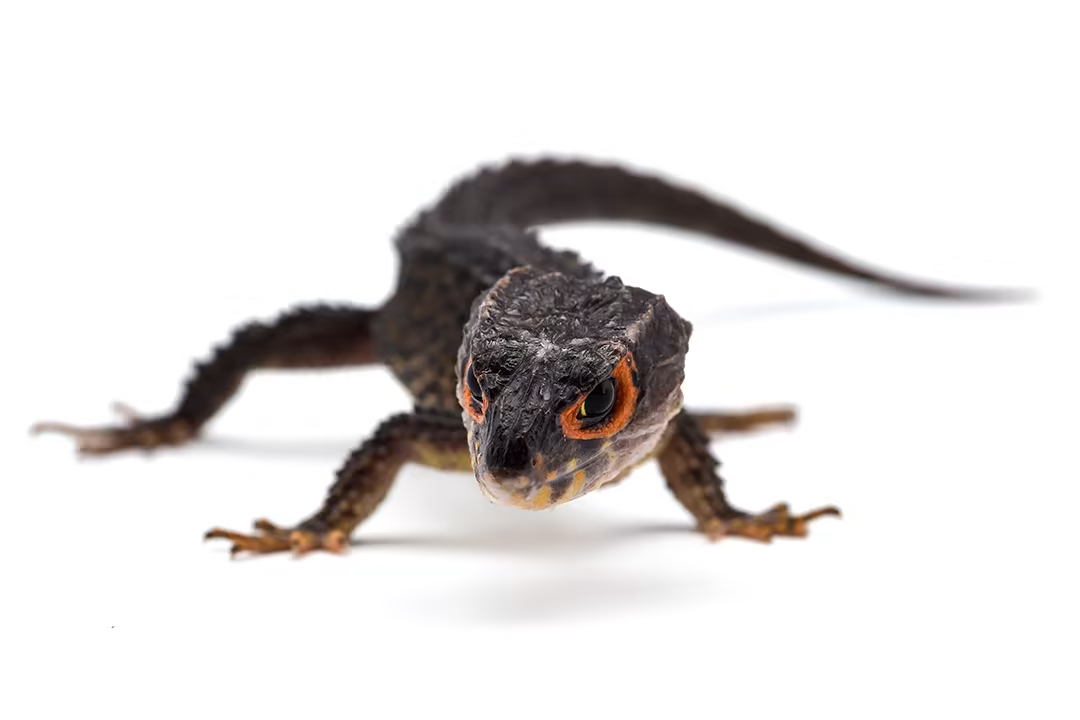
Ultimate Red-Eyed Crocodile Skink Care Guide: Habitat, Food & Health
Learn how to care for Red-Eyed Crocodile Skink, recommended diet & aquarium setup. Find the right food, supplies & equipment at your neighborhood Petco.
Updated on November 13th, 2025
- New Pet
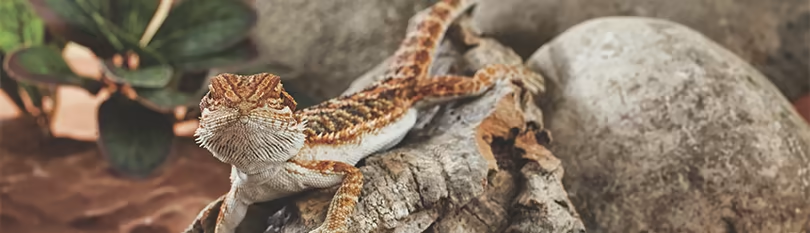
Your Ultimate Guide to Saharan Uromastyx Care: Food, Habitat & Health
Learn how to take care of Saharan Uromastyx, recommended diet and tank setup. Find the right food, supplies and equipment at your neighborhood Petco.
Updated on November 13th, 2025
- Health & Wellbeing
Hello I just got a Reeves turtle and was asking is dirt a good substrate for basking area as I saw it on YouTube? Thanks
An acceptable substrate would be river rocks or large gravel. Anything smaller could potentially be ingested causing an impaction or obstruction. You could also leave the bottom bare. The basking area doesn't necessarily need substrate. A ramp out of the water leading to a simple platform is acceptable.
Updated on August 12th, 2025
- Health & Wellbeing
I need help to figure out where I should put my turtle
Thanks for using Boop by Petco! Here is a link of a good example of a good environment for an aquatic turtle though there is going to be some variation depending on the species. Have a good night! https://www.myturtlecam.com/habitat.php
Updated on August 12th, 2025
- Health & Wellbeing
I keep getting conflicting info on feeding red eared sliders. Some articles say 75% of the diet should be leafy greens ONLY (no fruit unless you want turtle to have diarrhea) and 25% commercial turtle food. (NO "people"food like meat or chicken) This
Thanks for reaching out about Ruby. Meat such as chicken, is a poor food since it is low in calcium and high in phosphorus. My usually recommendation is 1/3-1/3-1/3, meaning parts vegetables (green, red, yellow, orange), pellets and live fish (goldfish, tetras). The benefit of whole live fish is environmental enrichment (hunting, foraging) and has a skeleton with calcium, muscle and organs rich in other nutrients. Vegetables provide a wide variety of vegetables and the pellets a fairly balanced diet. Water temperature, a basking site with UVB and heat and water quality are also important. Good luck.
Updated on August 12th, 2025
- Food & Nutrition
Only a week ago I transferred my two red eared sliders to a preformed pond enclosure, cleaned the filter, added common goldfish from the pet store to the water -- Not adding the water they came in into the pond obviously. I noticed both had a dull wh
If you have exceptionally "hard" water, it could be calcium deposits, but you would likely have noticed it prior to or during the transfer. Have the water tested to be sure. Dry dock them for 2-3 hours a day for the next few days and see if that makes a difference. You can use a soft bristled brush and some diluted chlorhexidine (Hibiclens) to gently scrub the shells before dry docking. Continue to monitor for lethargy, decreased appetite and softness or pitting on the shells. See your veterinarian or a vet experienced in treating reptiles for a physical exam if necessary.
Updated on August 12th, 2025
- Health & Wellbeing
So. My grandparents found a tiny tiny turtle 6 days ago at Lowes one of his eyes is bulging & the other is completely closed never to be open. Also, we think his leg is broken. We are not sure I need help. I would like to keep him, just to help him g
It appears that the little one, a red eared slider, has suffered a significant trauma. He may lose that eye. Ideally, he should be physically examined by a veterinarian experienced in treating reptiles. He may need the leg fixed, antibiotics and pain medication. Set him up in a small tank with water no deeper than twice the length of his shell. Keep it clean via filtration and regular partial water changes. The water will need to be warm. Additionally, he will need a basking area easily accessible from the water, a heat lamp and a UVB light source. You can feed a combination of animal protein (feeder fish, nightcrawlers, raw beef heart), commercial turtle pellets and fresh greens and vegetables. Turtles eat in the water which can be messy, so you'll need to remove any uneaten food promptly. You can find more care information at the link below. Below that is a link to find a vet experienced in treating reptiles. http://www.anapsid.org/reslider.html https://arav.site-ym.com/search/
Updated on August 12th, 2025