

Two Easy Ways to Start Earning Rewards!
Become a member today! Members-only pricing and offers, personalized care notifications, Vital Care points back on every purchase and more!
 Become a credit card member today!
Earn 2X Pals Rewards points at Petco
when you use Petco Pay!APPLY NOWLearn More About Petco Pay Benefits
RESCUE Llama & Alpaca Supplies
Get It Today


Related Articles & Questions
- New Pet
Welcome Your New Guinea Pig: Essential Care & Setup Guide
Bringing home a new guinea pig is a fun time. Make sure you have the right items on hand with this guinea pig supplies checklist.
Updated on October 23rd, 2025
- Care Sheets
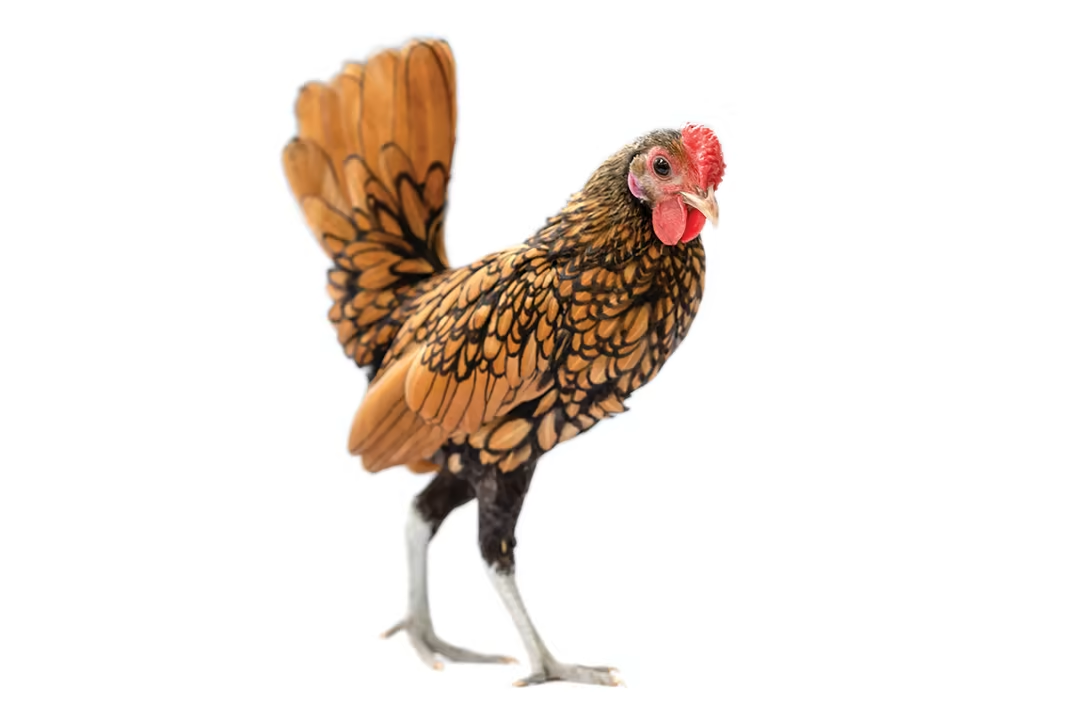
Backyard Chicken Care: Essential Guide for Happy, Healthy Hens
Learn how to take care of a Chicken, recommended diet and habitat setup. Find the right food, supplies and equipment at your neighborhood Petco.
Updated on October 23rd, 2025
- Care Sheets
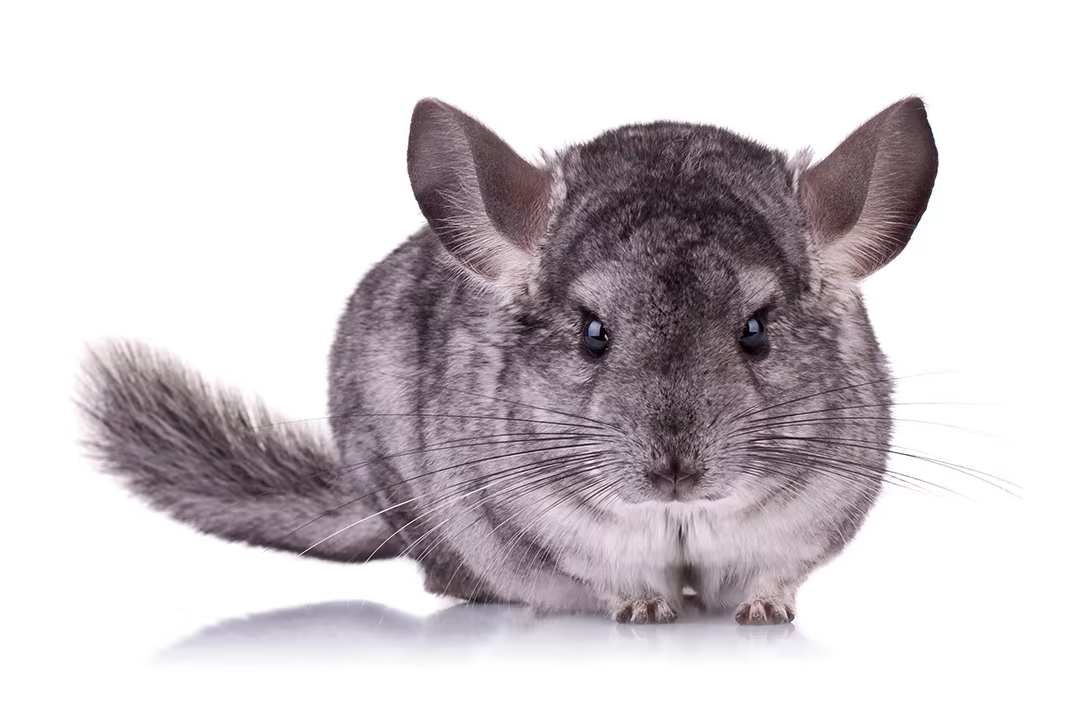
Chinchilla Care: Your Guide to Food, Habitat & Health Success
Chinchillas have an inquisitive and gentle nature, but also have a lot of energy. Learn about the care and supply needs for pet chinchillas.
Updated on October 23rd, 2025
- New Pet
Find Your New Pet: Best Places to Adopt a Dog or Cat Safely & Happily
Learn about animal shelters, humane societies & breed rescue groups. Visit your neighborhood Petco pet care center & meet adoptable pets in your area.
Updated on October 23rd, 2025
- Care Sheets
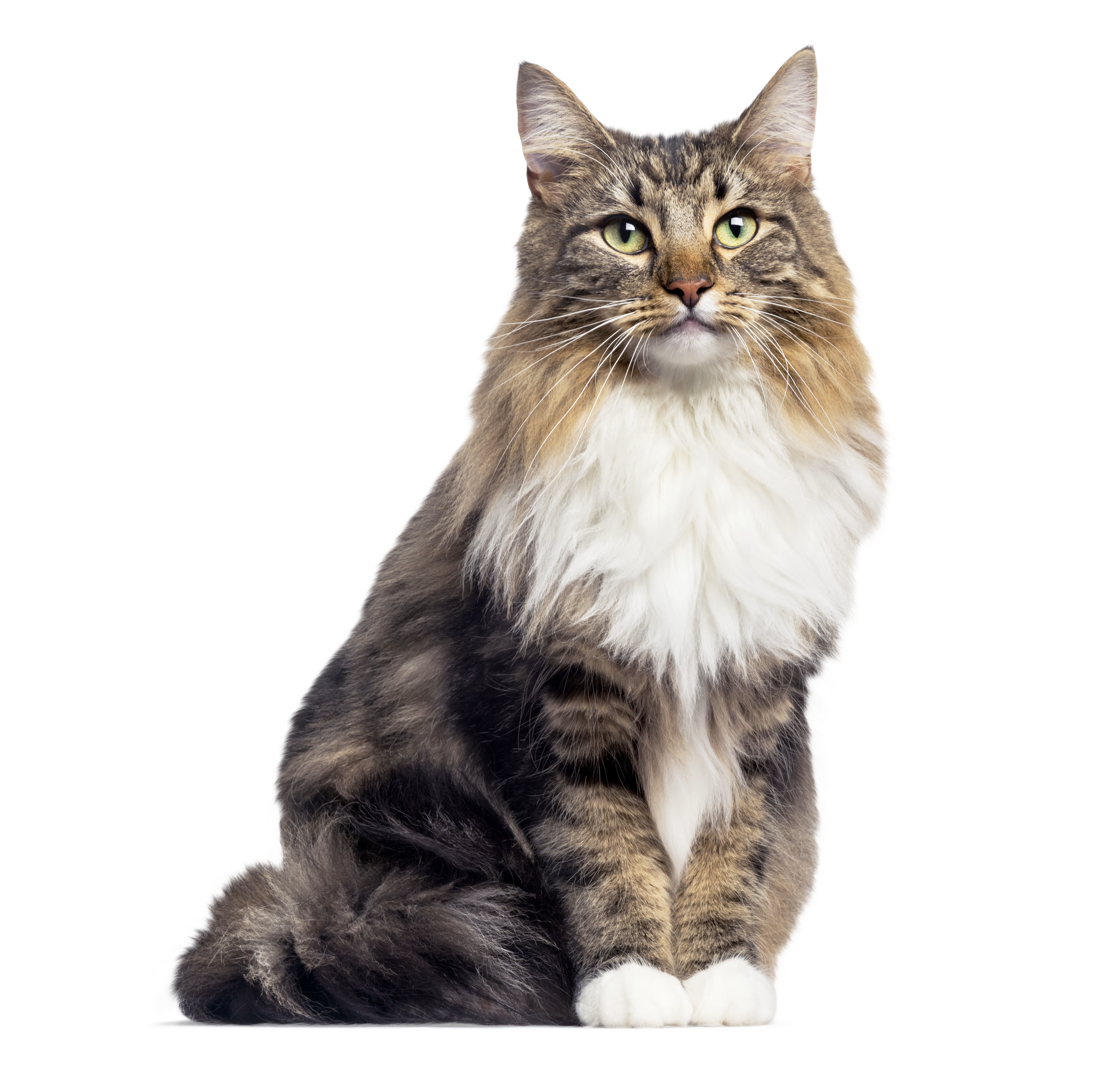
Your Cat's Best Life: Feeding, Health, Behavior & Home Guide
Learn how to care for your cat, recommended diet and grooming care. Find the right food, supplies and equipment at your neighborhood Petco.
Updated on October 23rd, 2025
- Health & Wellbeing
My alpaca won't stand up. What are the reasons and what should I do?
If Butter is unable to or unwilling to rise, a veterinarian needs to examine him. This is particularly important if this has been going on for more than a day. The most common causes of unwillingness to rise are traumatic injury, debilitation from an infectious disease, or a neurologic condition. One condition somewhat common to alpacas and llamas that can cause this type of clinical signs is infestation with a parasite known as Parelaphostrongylus tenuis. It affects their central nervous system and can cause inflammation serious enough to cause neurologic signs. Your veterinarian may be able to determine if this parasite is the cause of the issues with a fecal test. A thorough physical exam by a vet familiar with camelids will be the only way to begin to figure out the cause of Butter's issues. Definitely seek a vet if things are not turning around very soon. Hope this helps.
Updated on September 24th, 2025
- Health & Wellbeing
How to prevent colic and laminitis in my rescued, underweight mare?
Hello. Your horse is severely underweight. It is important to go slow trying to put weight back on her. She should have access to pasture & a good prairie grass hay all day. If you did not worm her using ivermectin, that is what I would recommend ( Ivermectin Gold so you also get tapeworms ). I would normally recommend the Panacur Power Pack, but she may be too debilitated to use this now. Maybe in a couple of months come back with this. There is no one way to prevent colic or laminitis. Access to hay, controlling parasites, controlled access to concentrates ( grain, especially the sweet feeds ), and limited access to high energy feeds like corn & alfalfa should keep her healthy, but horses are horses & you cannot control everything. And do have a veterinarian come out & check her vitals, teeth, pull blood for a Coggins & update all necessary vaccinations. Thanks for rescuing her & thanks for using Boop by Petco.
Updated on September 24th, 2025
- Health & Wellbeing
How can I help my older goat with arthritis feel more comfortable?
Hello! Lots of animals can benefit from supplements like glucosamine. Your local feed store should be able to point you in the right direction for brands and types available for livestock. Wraps are unlikely to help Bella. If wraps are applied wrongly or too tight you can actually cause more harm than good so I wouldn't recommend it. Keeping her warm in cold weather (like a barn) and lots of straw for padding will also help to keep her warm and comrortable
Updated on September 24th, 2025
- Health & Wellbeing
How to help my rescued, wild 3-year-old stallion gain weight?
You should do a 5 day Panacur PowerPac dewormer. I'm not sure where you can buy it there. It is the only dewormer to kill encysted small strongyles which can cause ill thrift and decreased weight. ( https://www.ubuy.za.com/search/index/view/product/B0035IWHKA/s/panacur-paste-horse-wormer-powerpac/store/store ) We'd like to help you but you really should ask your local veterinarian about how to help him pick up weight. We do not know what products you have available to you in South Africa. Your local vet would know. In the U.S. we use Beet Pulp quite a bit to help horses gain weight. If he wild he may be burning off all the calories he is taking in. It is best to have him gelded if he is not going to be used for breeding. That will also help him to gain weight.
Updated on September 24th, 2025
- Health & Wellbeing
My rescue horse has cracked hooves & face hair loss. How to help?
The hoof cracks are not that bad in the photos. Cracking can be due to any number of things: * hoof being too dry * injury to the hoof * poor nutrition Your farrier can help you more regarding what care you need to do for the hooves. There are no quick fixes. There are biotin supplements you can use and hoof dressings but I honestly don't think they work that great. They won't hurt though if you want to use them. Getting him a good diet is the most important. ( https://www.jefferspet.com/search?utf8=%E2%9C%93&animal%5B%5D=&q=biotin&button=search ) ( https://www.jefferspet.com/search?utf8=%E2%9C%93&animal%5B%5D=&q=hoof+dressing&button=search ) As for the face, I would not be concerned; I don't see anything that looks diseased. The hair should grow back over time with a good diet. He probably just rubbed it off. Keep in mind that all horses, especially rescues, need to have their teeth checked. I suggest you have a vet out to examine the teeth. If there is an issue he can't chew
Updated on September 24th, 2025