Two Easy Ways to Start Earning Rewards!
Earn 2X Pals Rewards points at Petco
when you use Petco Pay!
Get It Today
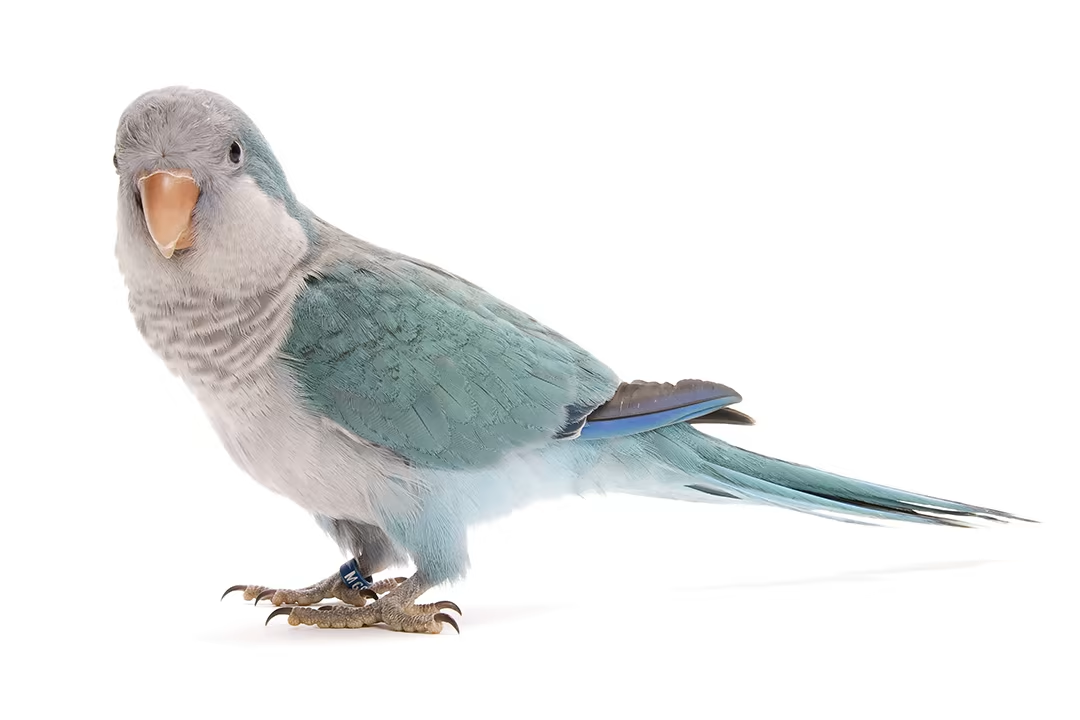
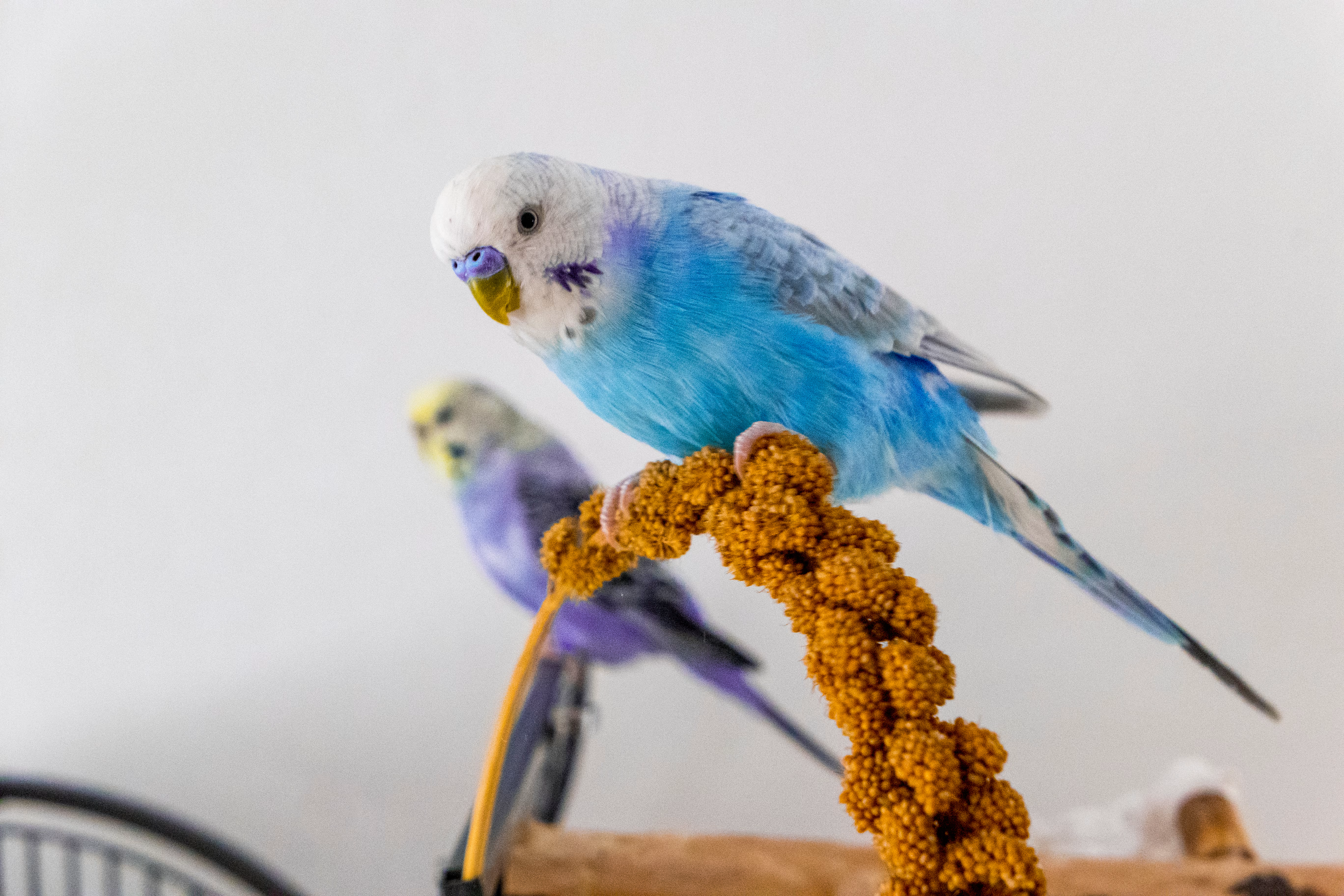
Learn how to care for a medium-sized parakeets, recommended diet & bird cage setup. Find the right food, supplies & equipment at your neighborhood Petco.
Updated on October 23rd, 2025
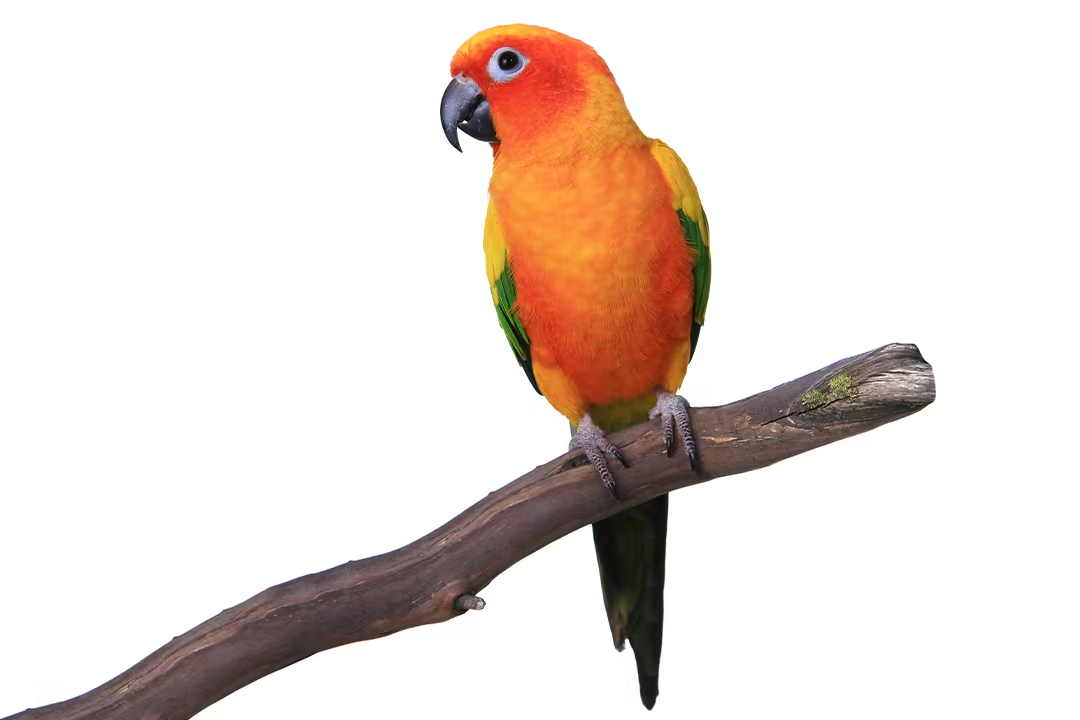
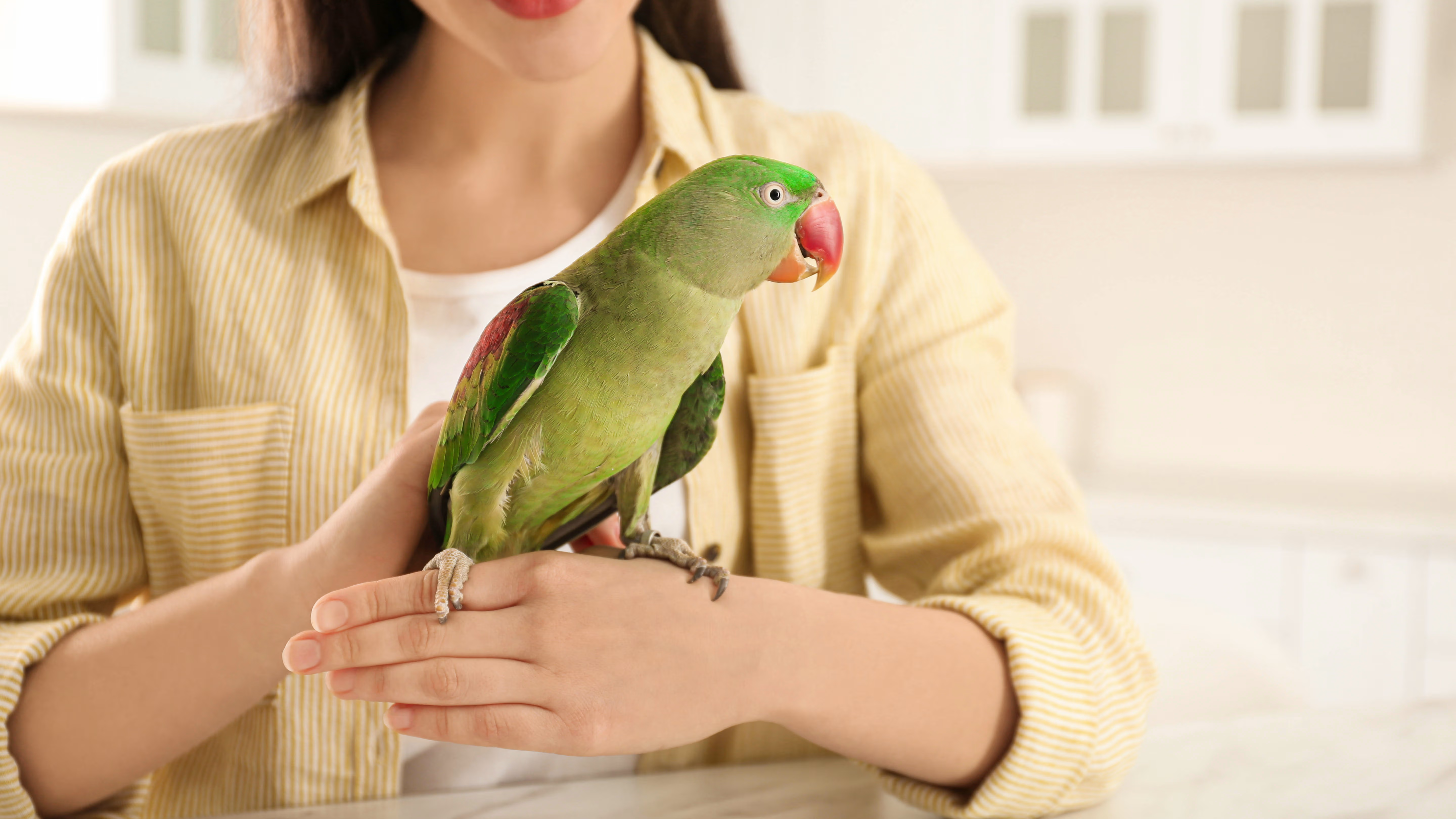
Learn how to take care of Sun Conures, recommended diet and housing setup. Find the right food, supplies and equipment at your neighborhood Petco.
Updated on October 23rd, 2025
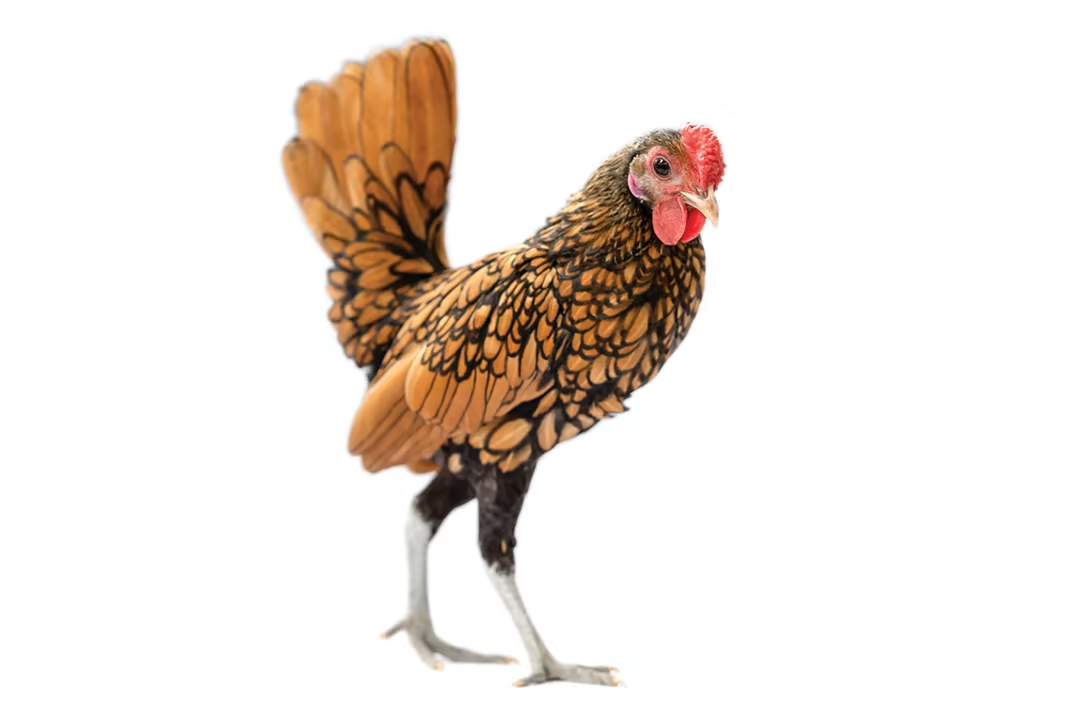
Learn how to take care of a Chicken, recommended diet and habitat setup. Find the right food, supplies and equipment at your neighborhood Petco.
Updated on October 23rd, 2025
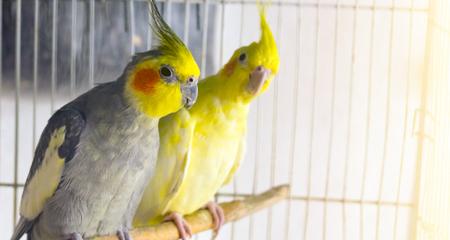
Regular cleaning and disinfection of a bird cage and accessories is one of the keys to keeping a bird healthy. Learn how to clean a bird cage, what to wear.
Updated on October 23rd, 2025
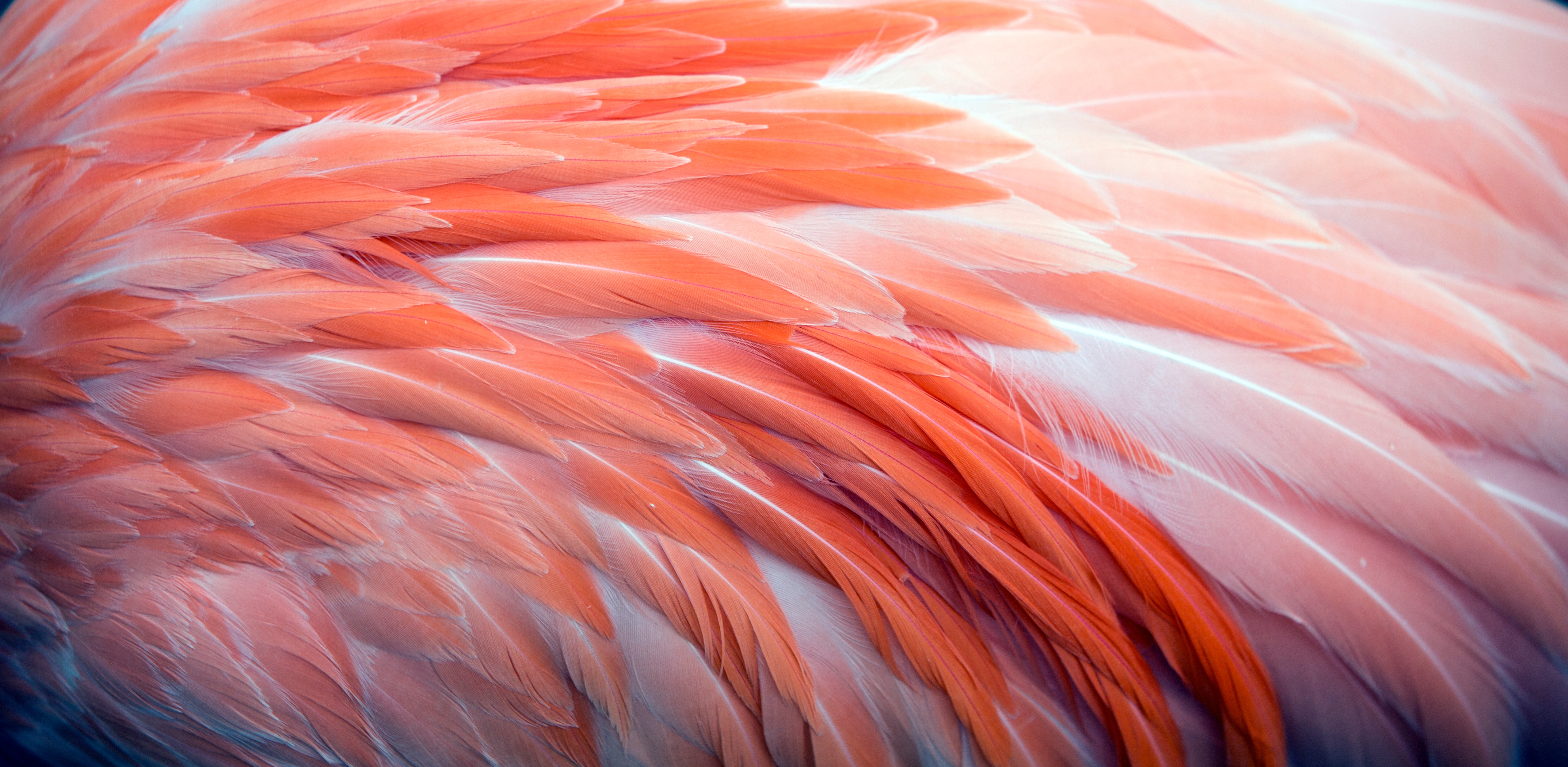
As there are different types of hair on furred animals, birds have different kinds of feathers, each having a particular function.
Updated on October 23rd, 2025
Thanks for reaching out about Rangu. This depends on the type of bird. If we are discussing a parrot (lovebird to macaw), seeds are a poor diet, as is very hight in fat and low in vitamin/minerals. The diet should consist of a wide variety of vegetables, a proteins source such as beans/legumes, cooked carbohydrates as an energy source, and avian pellets. Good luck.
Updated on September 24th, 2025
The cuttlebone helps to provide the bird with minerals, but they don't really tend to eat it massively. As long as it is available in the cage the bird will pick at it as necessary. One cuttlebone could last a small bird years. Ensure you are feeding a good quality seed mix and Ringo should be great.
Updated on September 24th, 2025
Hello. Pedro should be eating 70% compete pelleted food like ZuPreem or Roudybush. A high quality seed mix or nitro berries worth fresh vegetables can make up the remainder of the diet. A diet of only millet with some greens and herbs is deficient in many important nutrients (protein, vitamin A, etc). I’d strongly recommend an exam by a veterinarian soon to assess overall heath and work diligently to transition him to a pelleted diet. Your vet can provide guidance in this transition, but you can also read more about it here: http://m.drsfostersmith.com/pic/article.cfm?articleid=121
Updated on September 24th, 2025
Hello. All birds should have fresh food and water changed every day. Clean the cage about once a week or more often as needed based on size of cage and mess produced. Tap water may be fine to give depending on your water source, so check with your municipality about that. If in doubt, offer bottled water. Feed about 65-75% complete pellets like ZuPreem or Roudybush, and the rest can be fresh veggies, some seed, and nuts. Have Tweety examined by an avian vet at least once a year for wellness, since catching problems early gives the best chance of successful treatment. Avian vets are listed at aav.org. Good luck!
Updated on September 24th, 2025
Thanks for your questions about birds. You can shower with birds, but it is recommended that they sit on a perch or on the shower rod during the shower, not that they are directly hit by the spray. A safer way to give them a shower is by using a gentle mist directed over the top of them with a spray bottle. When provided with appropriate and balanced nutrition, a cuttle bone is not necessary for parrots. The food that you posted is a reliable pelleted diet, but you would need to ensure that you got an appropriate size for the species - for example, the mini pellets would be good for a conure but not for an Amazon. If you have never had a bird before, it may be a big commitment to get a medium to large sized parrot. When cared for appropriately, these large parrots can live many decades - ideally 50 years or more. You may potentially consider starting with a smaller parrot, such as a cockatiel (life span of up to 25 years) or a budgerigar (life span around 8 years). I hope that gives
Updated on September 24th, 2025