Two Easy Ways to Start Earning Rewards!
Earn 2X Pals Rewards points at Petco
when you use Petco Pay!
Get It Today
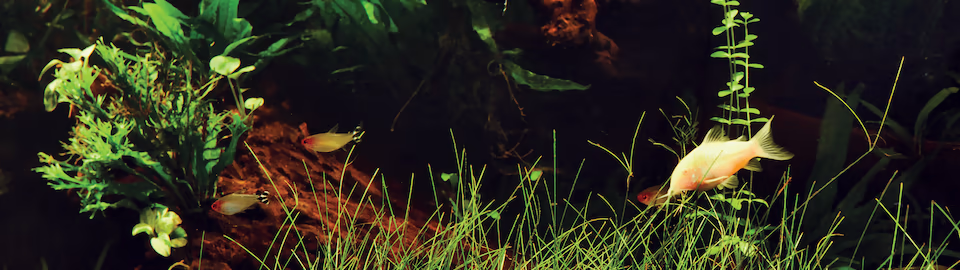
Learn how to pick the right aquarium plants, substrate, lighting, and fertilizers to ensure that your aquarium plants thrive and stay healthy.
Updated on November 13th, 2025
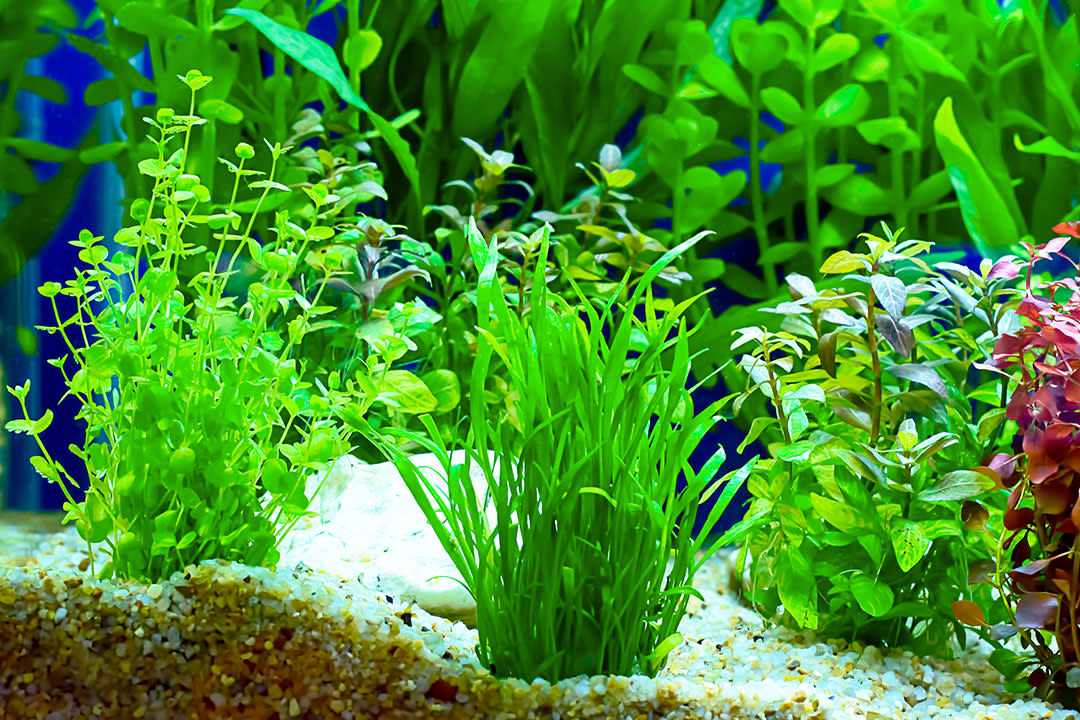
Tanks with live plants can be excellent additions to your home, bringing a touch of nature indoors. Learn how to take care of aquatic plants.
Updated on November 13th, 2025
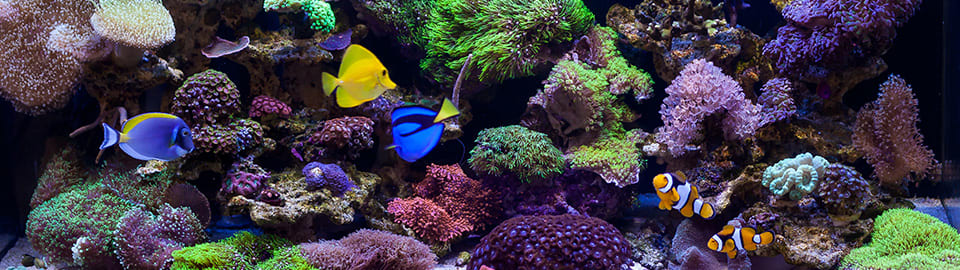
Everything you need to know about how to start a fish tank. Learn about setting up an aquarium, choosing the right type, and acclimating new fish to your tank.
Updated on November 13th, 2025
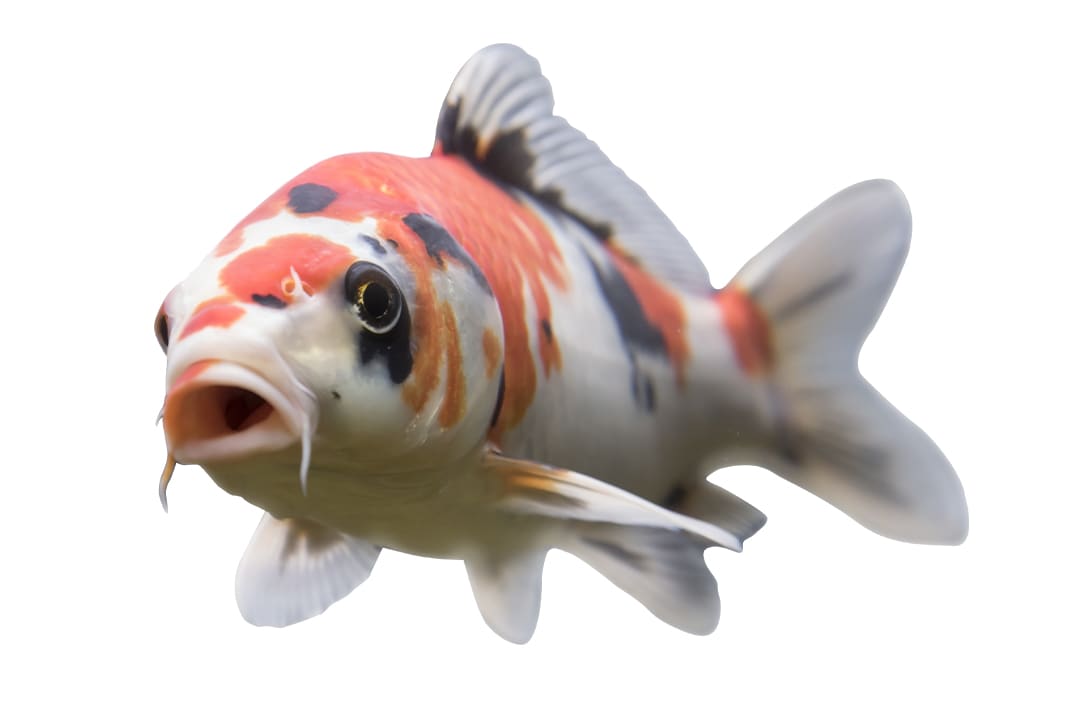
Learn how to care for a Koi, recommended diet and aquarium setup. Find Koi for sale, supplies and equipment at your neighborhood Petco.
Updated on November 13th, 2025
Although you may not realize it, aquaculture is something that touches our lives on a regular basis. Read more about what exactly aquaculture is, why it is important.
Updated on November 13th, 2025
A small tank with one Betta will require minimal upkeep. Most small HOB (hang on back) filters will be sufficient. Tetra, Fluval and Aqueon make a wide range of acceptable filters. The tank should have a cover or hood as well as a light and a heater. Bettas do best between 78 F and 80 F. Feed 1-3 pellets once or twice daily. Change the filter as per manufacturer instructions. Rinse filter media with tank water, not tap water, to preserve beneficial bacterial populations. A partial water change, no more than 20-20% of total tank volume, may be necessary every 2 weeks to maintain water quality and stable chemistry. Use only aged or conditioned water that is temperature matched to prevent stress or shock. Water conditioner brands include: AmQuel Plus, NovAqua, Prime, StressZyme and StressCoat. You don't need all of them. Follow the directions on the bottle. Allow the tank to cycle before adding a fish. This will allow beneficial bacterial populations to colonize the filter and substrate
Updated on August 12th, 2025
Check water chemistry first. Use a home test kit or submit a water sample for testing. The local Petco may do this for free or for a small fee. Aim for an absence ( 0 ppm) of ammonia and nitrites with nitrates at 20 ppm or less. Perform partial water changes, no more than 30% at a time, to stabilize chemistry and/or to improve water quality. Use only conditioned water that is temperature matched to prevent stress or shock. Check water temp as well. Any of these can drive a fish to the surface. The "flashing" (darting about) can be due to infection (bacterial, fungal or parasites). Consider a broad spectrum antibiotic or an "all in one" product to treat multiple infections. Look in the Aquarium section of the local Petco for options. Follow label directions carefully and remove the carbon filter insert during treatment if indicated.
Updated on August 12th, 2025
Pimafix is an acceptable "natural" antifungal treatment. Melafix is for bacterial infections. Kanamycin, erythromycin or metronidazole are good broad spectrum antibiotics. Fungus Cure (by API) is an excellent antifungal. You can find these medications in the aquarium section of most pet stores or even online. Follow label directions carefully and remove the carbon filter insert during treatment if indicated. The cornerstone of any treatment is to first maintain pristine water quality and stable chemistry.
Updated on August 12th, 2025
Keep her in the hospital tank until she heals. maintain adequate water quality and temperature via frequent water changes, filtration and the use of a small, submersible heater. Plain aquarium salt (NOT table or Epsom salt) can be used as a general tonic to reduce stress, increase gill function, treat minor infection and aid in recovery. Dissolve up to 1 teaspoon of salt per gallon of water. Treat for 10-14 days then reassess fin condition.
Updated on August 12th, 2025
Check the water chemistry and temperature. Use a home test kit or submit a water sample to test fro elevated ammonia or nitrite levels. Most pet stores will do this for free or for a small fee. Partial water changes can be done, if indicated, to stabilize chemistry and improve or maintain water quality. Ideally, you want 0 ppm ammonia and nitrites with nitrates at 20 ppm or less in a non-planted tank or 40 ppm or less in a planted tank. Use only aged or conditioned water that is temperature matched to prevent stress or shock. You'll need to keep the temp at the upper limits for Red Tails in order to keep the Angelfish comfortable. That would be in the 78F to 80 F range. Both have similar pH requirements, 6.8 to 7.5. You can fast the Angel for 2-3 days then feed bits of cooked, shelled green peas. This will usually resolve constipation and bloating. Pristine water quality may resolve the patch on your shark. Recommending a medication without more information or a clear image would be
Updated on August 12th, 2025