

Two Easy Ways to Start Earning Rewards!
Become a member today! Members-only pricing and offers, personalized care notifications, Vital Care points back on every purchase and more!
 Become a credit card member today!
Earn 2X Pals Rewards points at Petco
when you use Petco Pay!APPLY NOWLearn More About Petco Pay Benefits
Timberline Fisheries Reptile Food


Related Articles & Questions
- Home & Habitat
Reptile UVB Lighting: Help Your Pet Thrive with the Right Lamp
Learn the importance of UVB light for your reptiles and the right reptile lights for your pet’s habitat.
Updated on March 30th, 2026
- New Pet
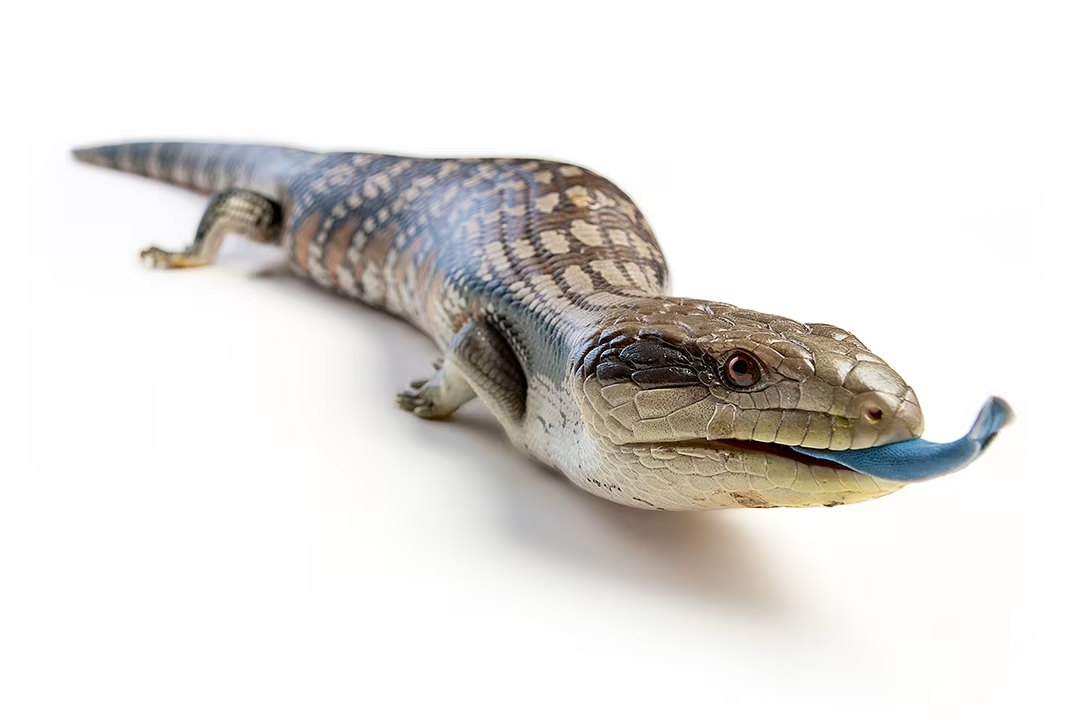
Tropical Skink Care: Habitat, Food, Health & Handling Guide
Learn how to care for Blue-Tongued Skink, recommended diet and habitat setup. Find the right food, supplies and equipment at your neighborhood Petco.
Updated on October 23rd, 2025
- New Pet
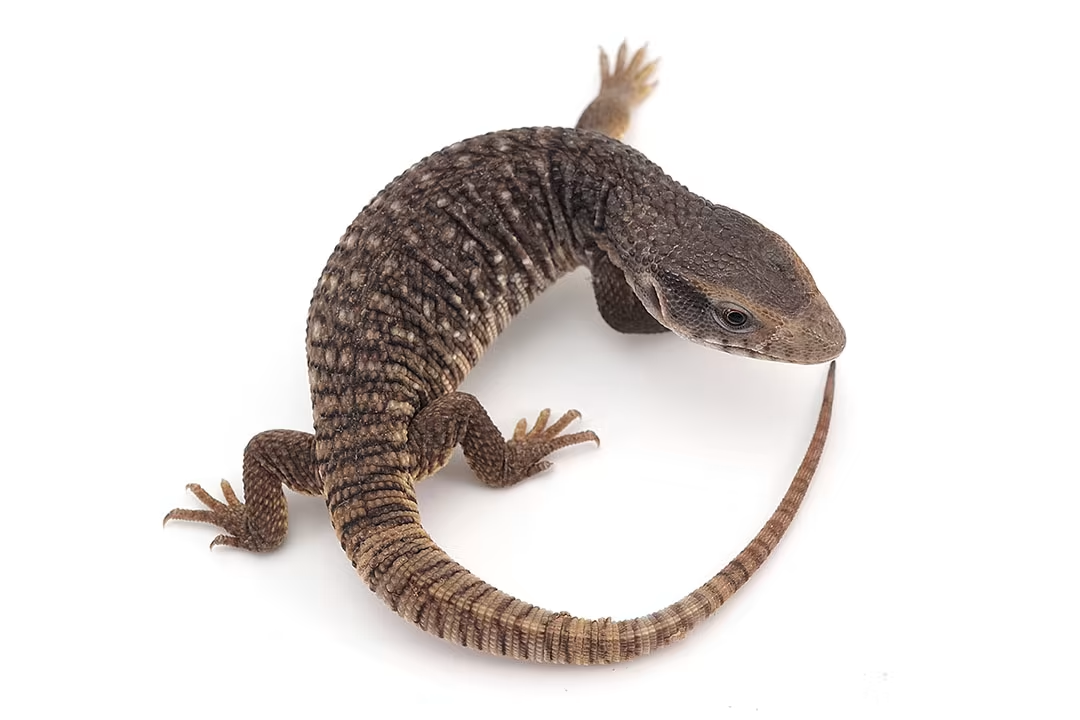
Savannah Monitor & Tegu Care: Setup, Feeding & Health Tips
Learn how to care for a monitor lizard, recommended diet and habitat setup. Find the right food, supplies and equipment at your neighborhood Petco.
Updated on October 23rd, 2025
- New Pet
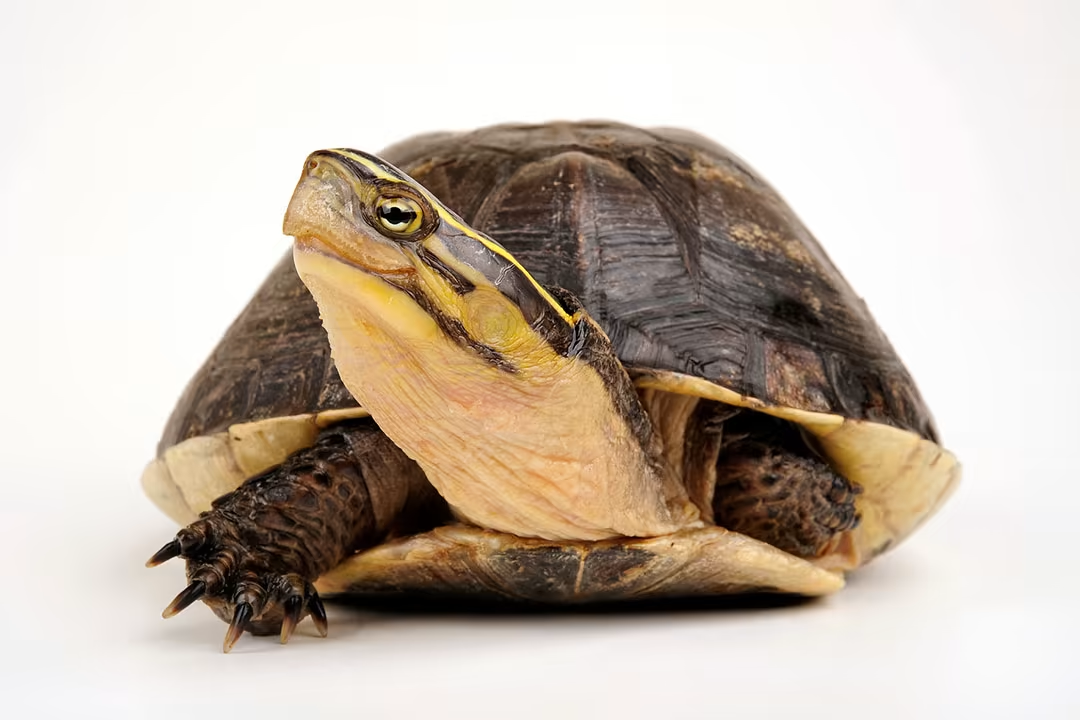
Terrestrial Turtle Care Guide: Food, Habitat, & Setup for a Happy Pet
Learn how to care for terrestrial turtles, recommended diet & habitat setup. Find the right food, supplies & equipment at your neighborhood Petco.
Updated on October 23rd, 2025
- New Pet
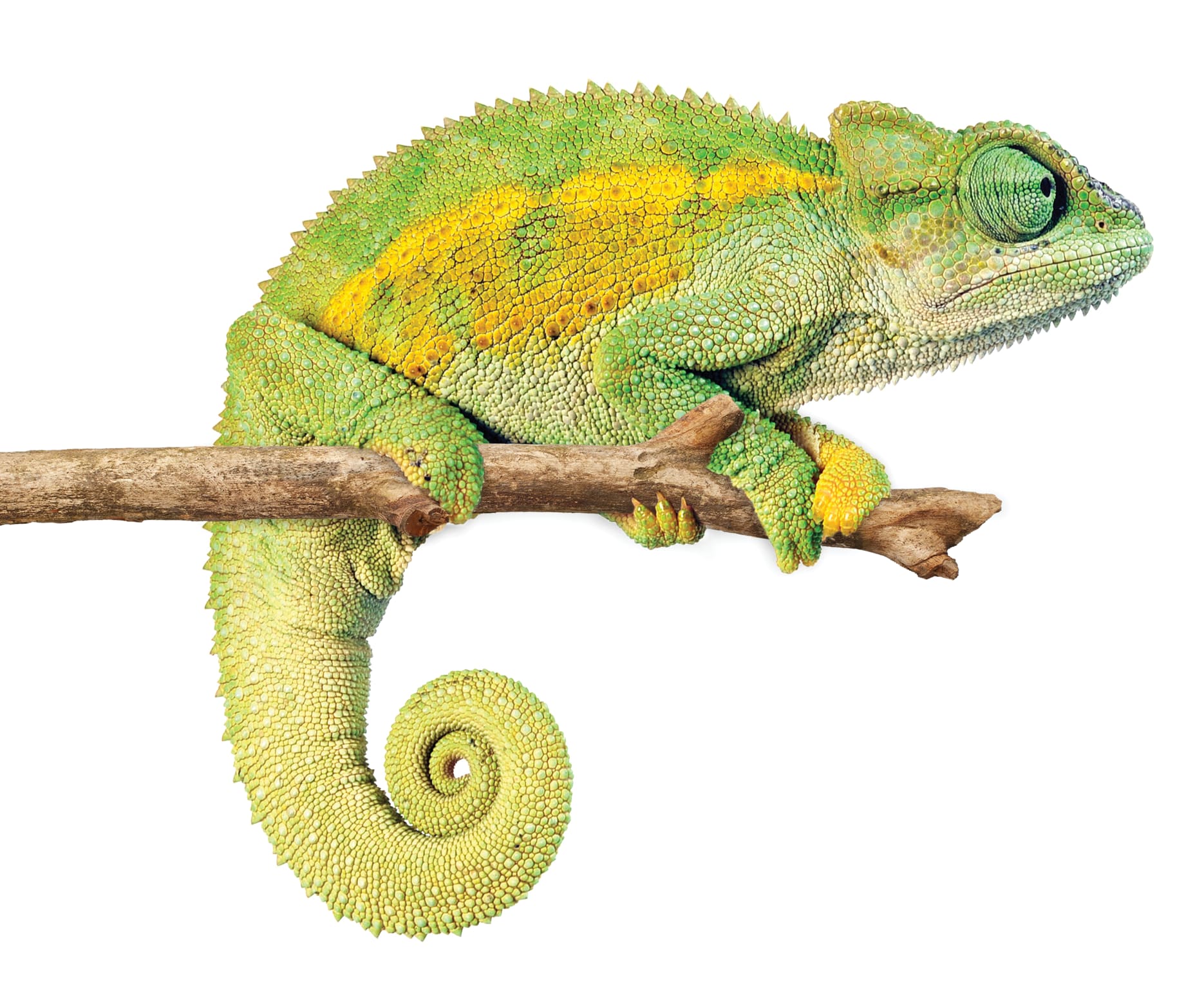
Cool Climate Chameleon Care: Habitat, Food, Health & Setup Secrets
Learn how to care for cool climate Chameleons, recommended diet & habitat setup. Find the right food, supplies & equipment at your neighborhood Petco.
Updated on October 23rd, 2025
- Health & Wellbeing
What brand of food is best to buy my red eared slider? And what kind of food?
Fluker's or Maxuri pellets/sticks are quality diets. The diet should be varied to maximize nutrition. Offer leafy greens, crickets, small feeder fish, krill/shrimp (either can be freeze dried) or superworms in addition to a commercial pelleted diet.
Updated on September 24th, 2025
- Health & Wellbeing
What should I feed my red ear slider with shell pyramiding and how often?Also which heat lamp would you recommend?Picture 1 or 2?How many watts should I get for the heat lamp?
A proper diet for red-eared sliders includes a complete pellet, such as those made by ReptoMin, and dark leafy green vegetables. This can be fed once per day, and the amount should be based on how many pellets Cooper can eat in 5-7 minutes. This is just a guideline, and your veterinarian can help you to determine if this is appropriate based on Cooper's body condition score (i.e. whether she is overweight or not). For a heat lamp - photo 1 just looks like the dome, and there doesn't appear to be a bulb in it. The second lamp looks like it is a daytime only heat lamp - it is often beneficial to have a heat source that can be used during the day or at night, and if that is what you are looking for, I would recommend a ceramic heat bulb. If you are looking for only a daytime basking bulb, there are many brands that would be appropriate. The key words that you should look for are "daytime basking bulb." For watts - it depends on how far the bulb is away from your turtle - there are some b
Updated on September 24th, 2025
- Health & Wellbeing
my gf caught this lizard in Jeju, South Korea; we think it's of the Takydromus family; she is caring for him because she's worried about his injury - she has ordered mealworms for him to eat--any other recommendations? - he has had one of his hi
It does appear to be of the takydromus species. These grass lizards are common and fairly easy to keep. Being adept climbers, more vertical space should be offered in an enclosure. Branches and vines can be placed for climbing. Bring reptiles, they need an external heat source and UVB lighting. Daytime temps can range from 24 C to 30 C (75-85 F). Provide a basking spot of around 35 C to 38 C (95-100 F) using a heat lamp. Aim for 70-80% humidity. Provide a shallow bowl for water. Mist the cage daily. Feed appropriately sized prey, no bigger than the space between the eyes, that have been gutload for 24 hours prior to offering. This will maximize nutritional value. Crickets, mealworms, dubia roaches, waxworms or wingless fruit flies can all be offered. Dust prey with a calcium supplement and a multivitamin supplement several times weekly. Ideally, the wound should be addressed by a veterinarian experienced in treating reptiles. You can clean it with dilute Betadine or chlorhexidine
Updated on September 24th, 2025
- Health & Wellbeing
Hello! Is it a MUST to gut load my mealworms? ALso, do I HAVE to dust them in calsium if I'm providing the calcium in the crested gecko diet? One last thing: are mealworms or crickets better for my crestie? Thanks so much for all your help!
It is always recommended to gut load all prey to maximize nutritional value. Crickets, mealworms and other prey typically arrive from suppliers with a piece of fruit or gel for moisture and cardboard or simple oats for food. When you get them home, offer a high quality baby cereal mix, tropical fish flakes and fresh greens and veggies. The nutrition they receive will then be passed on to Rio. Crickets are more nutritious than mealworms, especially adequately gut loaded crickets. Less chitin as well unless they are freshly molted mealworms. If you feed a diet such as Repashy, Rio shouldn't need additional calcium unless he has a deficiency. This would need to be diagnosed by your herp veterinarian. Since you feed other foods as well, he may not be getting enough calcium, so dusting any live prey would be recommended.
Updated on September 24th, 2025
- Health & Wellbeing
Hi! I was wondering what reptile/amphibian/insect/arachnid I can keep in a medium eco terra faunarium? (Roughly 7.5 x 12 inches)
It is too small to be used for much beyond transport, quarantine or temporary housing (i.e. during cleaning of main enclosure). The plastic construction does not allow for light or heat sources which most reptiles or exotic pets require.
Updated on September 24th, 2025