

Two Easy Ways to Start Earning Rewards!
Become a member today! Members-only pricing and offers, personalized care notifications, Vital Care points back on every purchase and more!
 Become a credit card member today!
Earn 2X Pals Rewards points at Petco
when you use Petco Pay!APPLY NOWLearn More About Petco Pay Benefits
Tropical Marine Centre Betta Fish Food


Related Articles & Questions
- Food & Nutrition
Worry-Free Fish Feeding: Vacation Sitters & Auto Feeder Guide
Do you have questions about feeding your fish while on vacation? Petco has the answers! Visit us to learn about fish dietary needs.
Updated on October 23rd, 2025
- New Pet
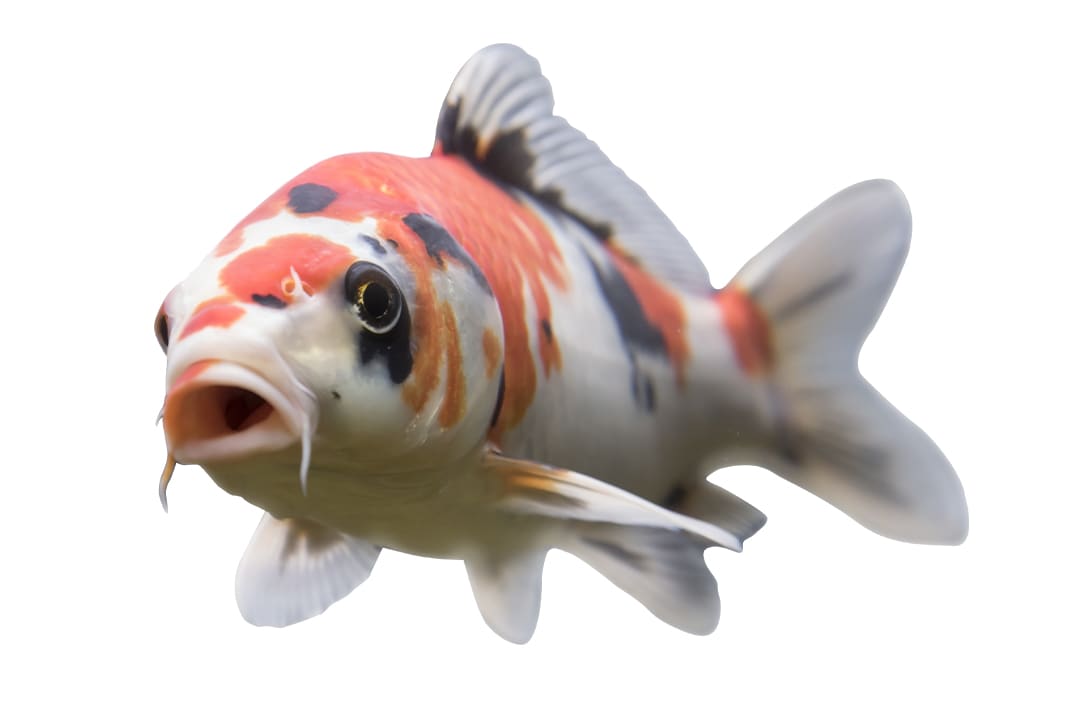
Mastering Koi Care: Optimal Tank, Food, Water Quality & Health Tips
Learn how to care for a Koi, recommended diet and aquarium setup. Find Koi for sale, supplies and equipment at your neighborhood Petco.
Updated on October 23rd, 2025
- New Pet
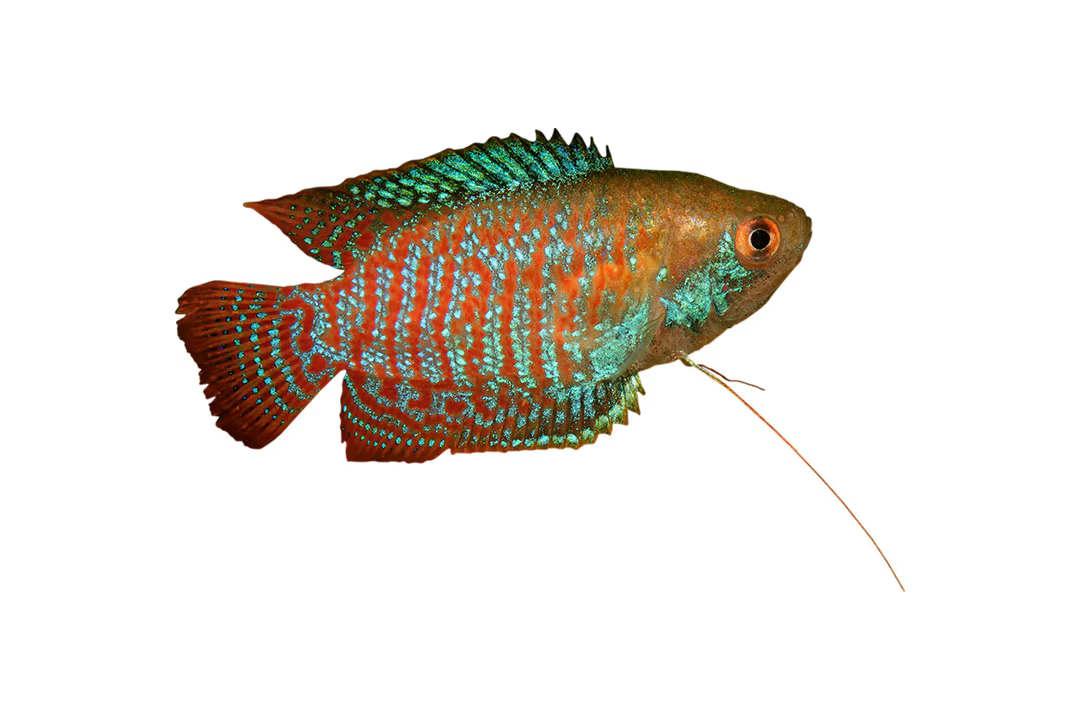
Mastering Gourami Care: Tank Setup, Food, & Habitat for Beginners
Learn how to care for Gourami, recommended diet and aquarium setup. Find the right food, supplies and equipment at your neighborhood Petco.
Updated on October 23rd, 2025
- New Pet
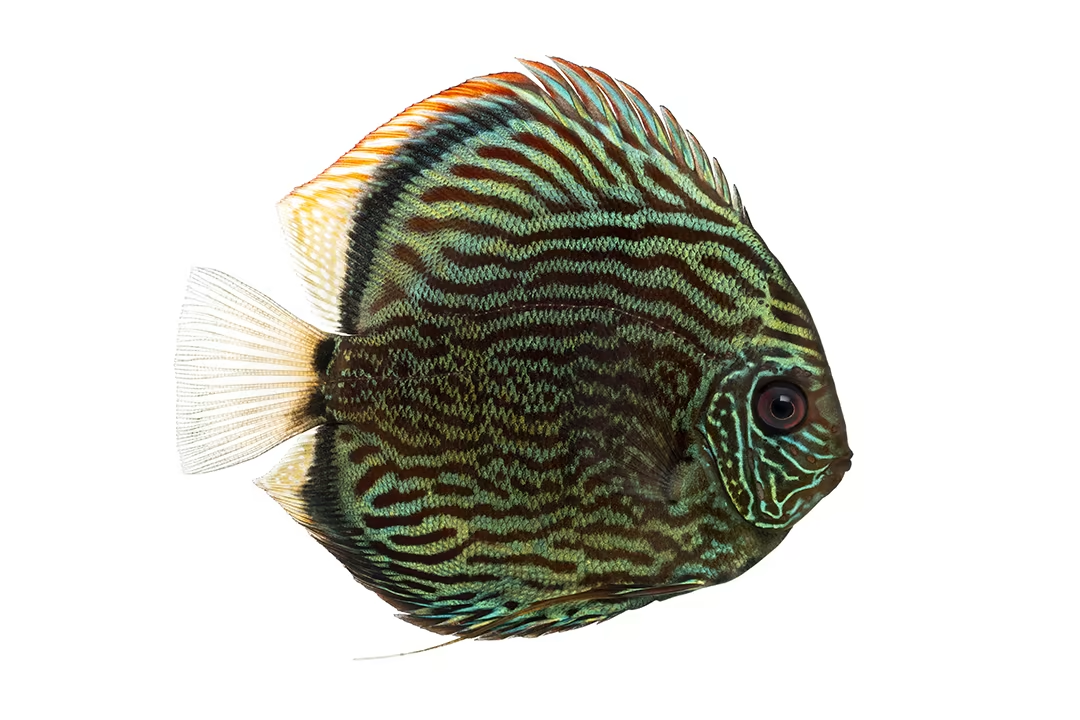
Mastering Discus Fish Care: Tank Setup, Feeding & Water Quality Guide
Learn how to care for a Discus, recommended diet and aquarium setup. Find Discus for sale, supplies and equipment at your neighborhood Petco.
Updated on October 23rd, 2025
- New Pet
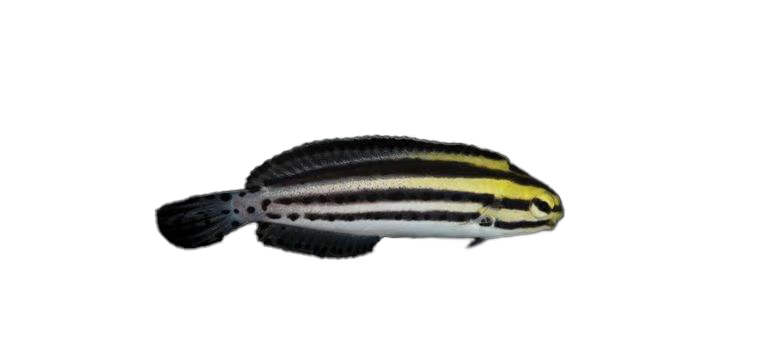
Fang Blenny Care Guide: Food, Tank Size, & Compatibility Tips
Learn how to care for Fang Blenny, recommended diet and aquarium setup. Find the right food, supplies and equipment at your neighborhood Petco.
Updated on October 23rd, 2025
- Training & Behavior
My Betta isn't eating, what should I do?
Check the water temperature first. Bettas are tropical fish and do best between 78 F and 80 F. Next, check water quality. This can be done by using a home test kit or by submitting a water sample for testing. The local pet store may do this for free or for a small fee. Aim for an absence ( 0 ppm) of ammonia and nitrites with nitrates at 20 ppm or less. Perform partial water changes if necessary. Use only conditioned water that is temperature matched to prevent stress or shock. Offer an appropriate diet as well. Bettas are carnivorous, so make sure the flake or pellet is not mainly vegetable matter. Hikari makes a great Betta diet in pellet form. You can also offer blood worms, shrimp or Daphnia to add variety to the diet.
Updated on September 24th, 2025
- Health & Wellbeing
I got a baby betta fish and was wondering how do I care for it : as in habitat , water changes , feeding and heating
Mushu is very cute! Betta care is very easy. Ideally, a 5 gallon tank should be used to house your Betta. A smaller tank can be used, but the maintenance (water changes) will be much more frequent. A filter is always recommended otherwise water changes will be required every few days to maintain water quality. With a filter, 20% water changes can be done weekly or every two weeks. Use only aged or conditioned water that is temperature matched to prevent stress or shock. Choices for conditioners include AmQuel Plus, NovAqua, StressCoat, Prime or StressZyme. A small submersible heater is necessary since Bettas are tropical fish. They do best in slow moving water between 78F and 80F. You can feed a pelleted diet such as Hikari Micro Pellets until he grows bigger. Baby brine shrimp, daphnia, bloodworms and blackworms can also be fed. Feed one or twice daily. He should only need 2-3 pellets at each feeding. The conditioners and food can be found in the aquarium section of the local P
Updated on September 24th, 2025
- Health & Wellbeing
We recently just two more Bettas. They are roomies and seem to coexist with each other. When we feed them is the concern. Tia will not eat anything. Anything Bea doesn’t get to tia eats then spits out. We have crushed the pellets into pieces for her
Check water chemistry and quality as well as temperature. Try a different brand of pellets. You can also try micro pellets, they may be easier to eat. Soaking food in some garlic juice may stimulate her to eat.
Updated on September 24th, 2025
- Food & Nutrition
Hello. My betta fish is a baby and I don't know how much to feed her. Whenever I go over to her tank, she swims around and begs for food. I don't know how much I should feed her. I feed her on flake once a day everyday. Should I be feeding her more?
While she is a baby, you can feed her twice a day. Only feed as much as she can eat in a minute or two. If you feed too much the feed will fall to the ground and then contaminate the water.Later, when she is grown up you can change to feeding her once a day. Your fish figured out that you feed her when you come near the tank, So it is fairly normal for her to beg.
Updated on September 24th, 2025
- Health & Wellbeing
My baby beta fish has not been able to swim up lately, he stays at the very bottom of the tank and barely moves. He has trouble swimming and I found him almost floating vertically. Please help.
Check the water chemistry and temperature. Elevated ammonia or nitrites can be toxic and low temps can affect activity. Bettas do best between 78 F and 80 F. You can use a home test kit or submit a water sample for testing. Most pet stores will do this for free or for a small fee. Perform partial water changes, if indicated, to stabilize chemistry and maintain or improve water quality. Aim for 0 ppm ammonia and nitrites with nitrates at 40 ppm or less. If possible, turn don the filter flow so the little guy isn't pushed around by a strong current. Bettas prefer slow moving water. Lower the water level to make it easier for him to surface. Bettas are air breathers. Feed Micro Pellets or crush regular pellets so he can eat them. You can moisten pellets with a bit of garlic juice to stimulate his appetite.
Updated on September 24th, 2025