Two Easy Ways to Start Earning Rewards!
Become a member today! Members-only pricing and offers, personalized care notifications, Vital Care points back on every purchase and more!
 Become a credit card member today!
Earn 2X Pals Rewards points at Petco
when you use Petco Pay!APPLY NOWLearn More About Petco Pay Benefits
White Mill Parrot Shop
Get It Today


Related Articles & Questions
- Care Sheets
Expert Care for Your Large Hookbill: Food, Habitat, Health & Happiness
Learn how to take care of large Hookbill, recommended diet and housing setup. Find the right food, supplies and equipment at your neighborhood Petco.
Updated on October 23rd, 2025
- Care Sheets
Master Medium Parakeet Care: Essential Guide for a Long, Happy Life
Learn how to care for a medium-sized parakeets, recommended diet & bird cage setup. Find the right food, supplies & equipment at your neighborhood Petco.
Updated on October 23rd, 2025
- New Pet
First-Time Bird Owner? Essential Guide to Your Pet Bird's Perfect Home
Learn some tips about bringing your new pet bird home for the first time. Find out what supplies and actions will help her feel most at home.
Updated on October 23rd, 2025
- Care Sheets
Small Hookbill Parrot Care: Food, Habitat, Health & Behavior Tips
Learn how to care for small hookbill parrots, recommended diet & bird cage setup. Find the right food, supplies & equipment at your neighborhood Petco.
Updated on October 23rd, 2025
- Care Sheets
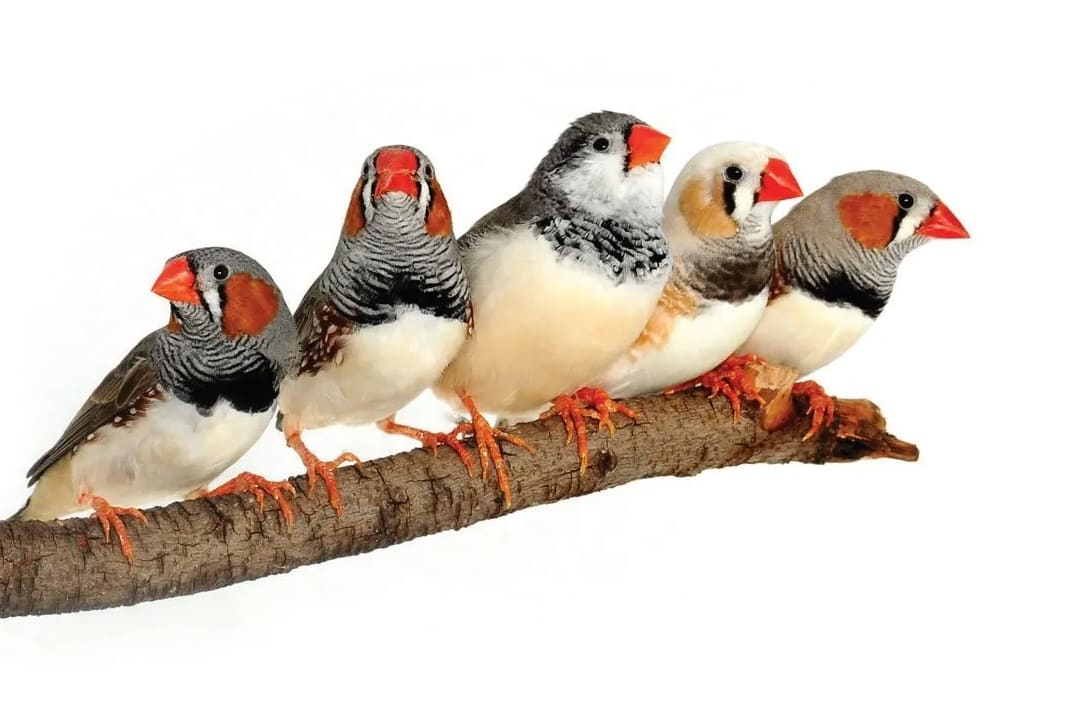
New Finch Owner: Master Finch Care for Food, Habitat & Health
Learn how to take care of your pet Finches, recommended cage size, diet & housing setup. Find the right food, supplies & equipment at your local Petco.
Updated on October 23rd, 2025
- Health & Wellbeing
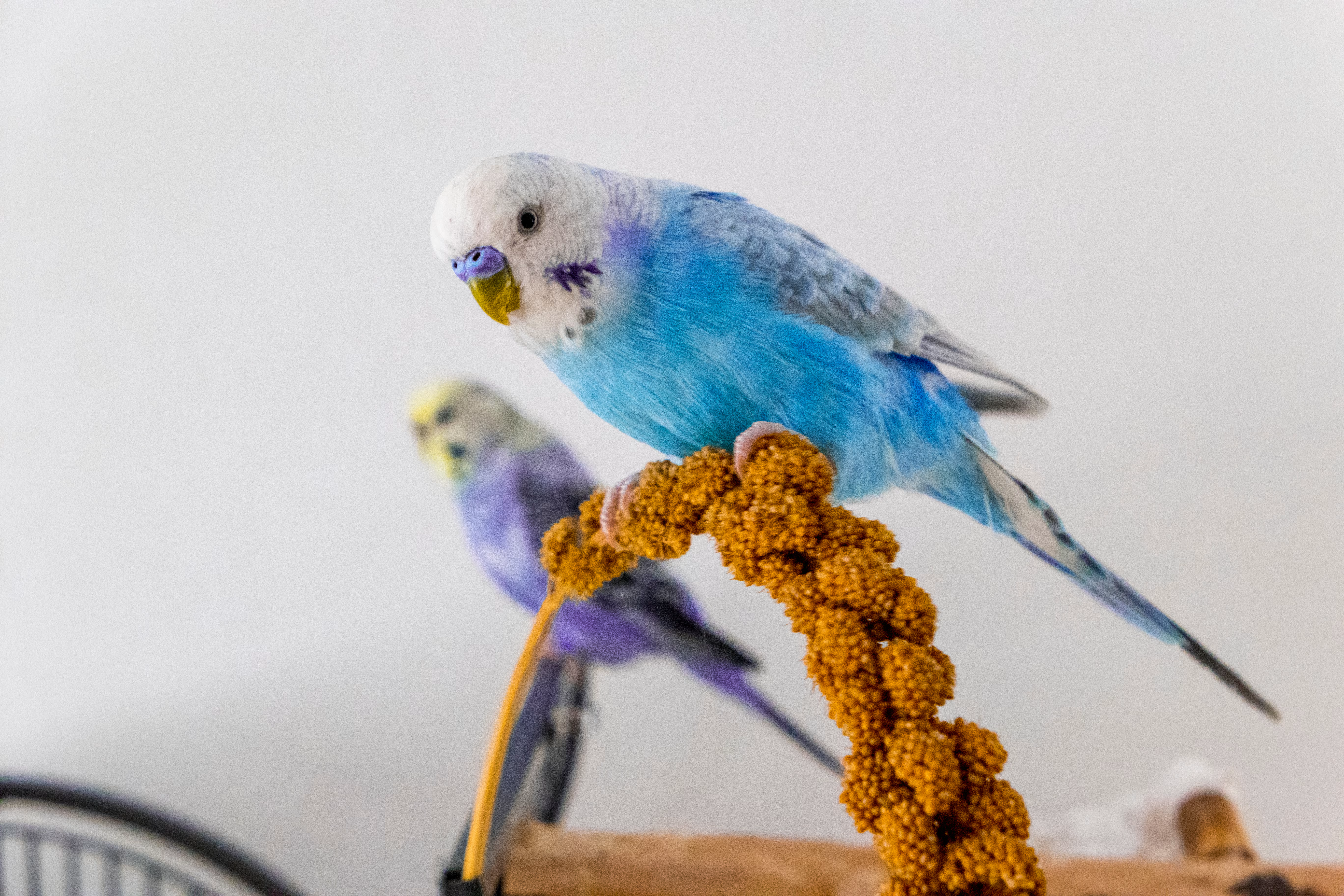
New to parakeets? Essential care tips for first-time owners.
Parakeets, also called Budgerigars, are small members of the parrot family and they can become good mimics. The average adult size is 7 inches long, head to end of tail. The average life span is between 10 to 20 years with proper care. A well-balanced Parakeet diet consists of: Specialized pellets should make up 60-70% of diet, fresh vegetables and fruits and small amounts of fortified seeds Clean, fresh, filtered, chlorine-free water, changed daily. Do not feed birds: avocado, fruit seeds, chocolate, caffeine or alcohol; it can cause serious medical conditions. Avoid sugar and high fat treats. Things to remember when feeding your Parakeet: Fresh food and water should always be available. Vegetables and fruits not eaten within a few hours should be discarded. Remember, treats should not exceed 10% of total food intake. Housing Parakeets acclimate well to average household temperatures, not to exceed 80°F; be cautious of extreme temperature changes. The habitat should area that is w
- Health & Wellbeing
My pet store parakeet sleeps a lot and has weird poop. Is it sick?
Thank you for your question, and thank you for being concerned about this bird. It is very kind of you. I am wondering, if you haven't brought it to the attention of the pet store staff, I would recommend starting there. I would agree that I don't think that it is a great idea to bring a sick bird home with you, especially into a situation that can be stressful for some birds (even if a dog is very nice, they can be very scary to a bird of this size). And with non-specific signs of abnormal droppings and sleeping a lot, there are numerous things that could be going on. I would recommend bringing the bird's state to the attention of the pet store, and hopefully they will have it evaluated. There are many pet stores who work directly with veterinarians to treat the animals that reside at their stores, and when the animals are feeling better, they can then go to a new home. I hope that gives you a place to start, and I hope that you are able to help this little bird feel better!
- Food & Nutrition
What's the best food for my budgie, and are millet sticks good?
A commercial pelleted diet is balanced, healthy and convenient. They can be found in most pet stores or online. Quality brands include Harrison's, Roudybush, Lafeber and Pretty Bird. You can supplement the diet with a small amount of a fortified seed mix, fresh greens and vegetables, cooked grains/beans/pastas and plain rice. Budgies and other birds also enjoy some scrambled egg occasionally.
- Health & Wellbeing
My parrot is sick, not eating, and has white poop. What should I do?
Thanks for reaching out and including a photo. This is not diarrhea but a lack of feces, and only consists of urates, so he is not eating. Providing heat support in the 80-85 F range can give aid. A veterinary visit is needed to provide some diagnostics (radiographs, blood work) to determine a diagnosis and then treatment plan. Start syringe feeding as soon as possible. Good luck.
- Health & Wellbeing
What bird is best for small spaces, low maintenance, short lifespan?
Birds can be fun pets to have around the house, but I have to say that they are all high-maintenance. They require daily feeding, cleaning bathing and appropriate enrichment in order to keep them happy and healthy. If this is not provided, then you may end up with a miserable/sickly bird with no feathers. Vet bills can be very expensive when birds get sick, because there are limited veterinarians that are knowledgable and skilled with avian medicine. Providing as much space as possible is best for a bird. I think I have an idea of the type of cage you want, but this is not a very suitable cage for anything other than a small bird (tend to have shorter life-spans than bigger birds). Even then it's quite small for a bird, because birds are born with the expectation of having unlimited space. You will also have to consider the noise. If your place is small, then I'd assume you have close neighbors. Birds are generally very noisy and can easily make some enemies in close quar