

Two Easy Ways to Start Earning Rewards!
Become a member today! Members-only pricing and offers, personalized care notifications, Vital Care points back on every purchase and more!
 Become a credit card member today!
Earn 2X Pals Rewards points at Petco
when you use Petco Pay!APPLY NOWLearn More About Petco Pay Benefits
YML Conure Toys


Related Articles & Questions
- New Pet
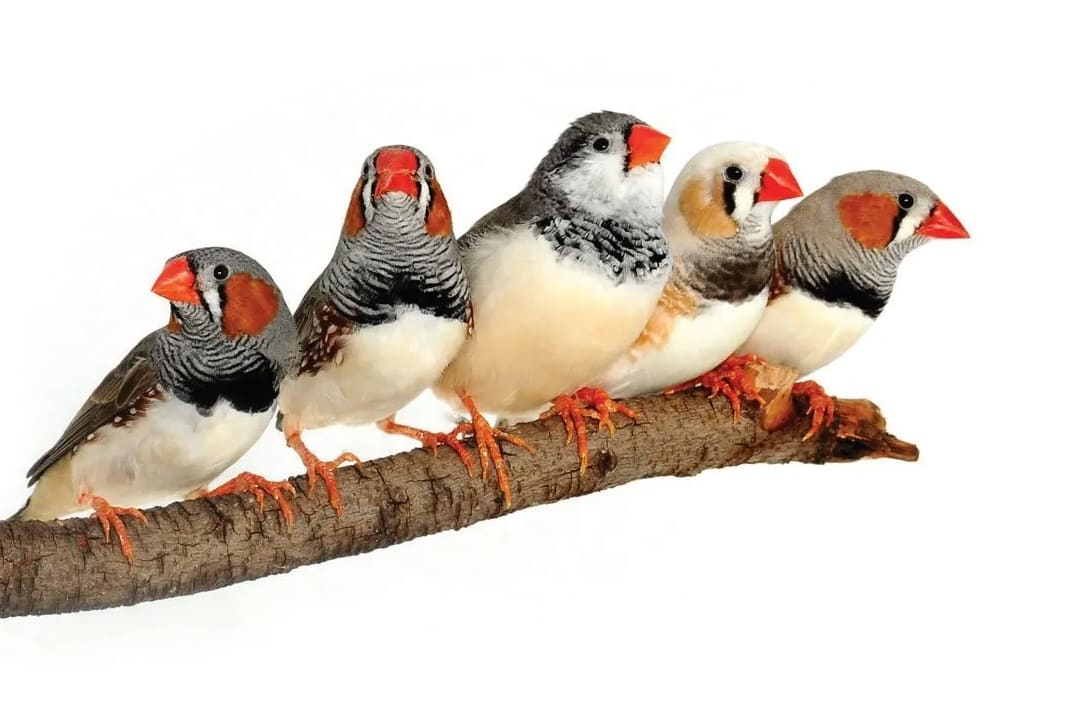
New Finch Owner: Master Finch Care for Food, Habitat & Health
Learn how to take care of your pet Finches, recommended cage size, diet & housing setup. Find the right food, supplies & equipment at your local Petco.
Updated on October 23rd, 2025
- New Pet
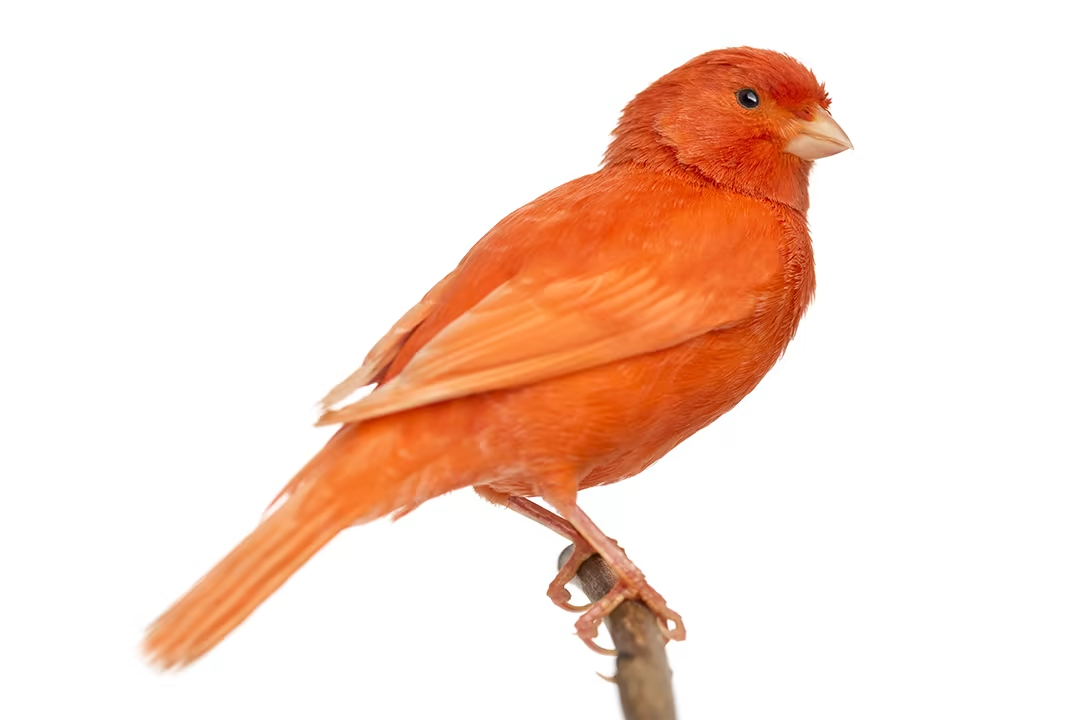
How to Care for Canaries: Food, Habitat, Health & Singing Guide
Learn how to care for a Canary, Canary facts, recommended diet and habitat setup. Find the right food, supplies and equipment at your neighborhood Petco.
Updated on December 21st, 2025
- Training & Behavior
What's Your Parrot Saying? Decode Their Body Language Signals
Parrots and other birds use body language to communicate contentment, excitement, greetings, anger, distress warnings, illness, and territorial defense.
Updated on October 23rd, 2025
- New Pet
Best Toys for Rats & Mice: Enrich Their Habitat & Prevent Boredom!
Learn the many fun and easy ways to provide stimulating toys to enrich the environment of your pet rat or mouse.
Updated on October 23rd, 2025
- New Pet
Backyard Chicken Care: Essential Guide for Happy, Healthy Hens
Learn how to take care of a Chicken, recommended diet and habitat setup. Find the right food, supplies and equipment at your neighborhood Petco.
Updated on October 23rd, 2025
- Health & Wellbeing
Hi my 2 month green cheek conure always seems too playful or distracted about things outside the window to eat food. She or he does seem to have greater appetite when I let her out of cage to eat in the laid down gate or if I hand feed her. Buy in th
Hi and thank you for this question, This sounds more like a behavioral issue rather than a medical one. GC conures are playful birds by nature, so I'm not sure there is a problem. Also, very young birds often lose some weight as they mature and become more active. I would continue to watch YaYa's weight using an accurate gram scale and see if there is a persistant weight loss or just fluctuations. If he continues to lose weight a vet exam is indicated.
Updated on September 24th, 2025
- Health & Wellbeing
Why is my conure continually taping his beak on a hard surface. It’s pretty kewt but wondering what it means
In birds, it's a way of showing off and also a way for him to express what he thinks belongs to him, toys, his perch, etc. It's a signal to other birds that this is something he has claimed as his own.
Updated on September 24th, 2025
- Food & Nutrition
So this is kinda strange my parakeets manage to snap the long stick in half and shave it down on a certain spot quite a bit they have a block so they can shave their claws and beaks so I don't know why they snap the stick also I realize in the pictur
It is not uncommon for birds to chew at one particular spot on a perch. It looks like you have a number of wooden dowel perches in the cage - you could try to vary these by providing Manzanita wood perches (they look more like branches) and this may provide them with some areas that they can clean their beaks and wear their nails as well. For your question about the food dishes - it is very common for birds to only utilize materials (including food, water, toys, and perches) that are at the top of their cage. The reason for this is that they typically live in the trees, so they like to be high up the majority of the time. I would advise removing the dishes that are down low, and only providing dishes high in the cage. You can still provide multiple dishes if desired, in case you have some competition for food among the birds in the family. I hope that answers your questions, and thanks for using Boop by Petco!
Updated on September 24th, 2025
- Training & Behavior
*I got a green cheek conure 3 days ago (he's 72 days old) , and we have a problem about biting, whenever i open his cage he directly climbs up my shoulders and bites my neck or ear, when i try to put him down he keeps biting my hands and its impossib
Thanks for reaching out about Coco and including photos. First, don't let him to your shoulder as the dominant bird is often highest in the tree. Allow to come out of the cage with the use of a perch or stick. Keep the distal end higher than your hand to prevent climbing up the stick to you. This all revolves around proper training and a good book might help. Try "A Guide to a Well Behaved Parrot". Good luck.
Updated on September 24th, 2025
- Health & Wellbeing
My green-cheeked conure is fine with me touching her unless she is somewhere higher up than me for instance, her cage or my shoulder. How should I correct this behavior?
Birds can sometimes considering being higher up than another object as "being above it" in a hierarchical sense. Interacting with Kiwi while keeping him on a lower perch, or encouraging him to step down lower with a treat prior to interacting may help reduce any aggression or biting behaviors while perched higher.
Updated on September 24th, 2025