

Two Easy Ways to Start Earning Rewards!
Become a member today! Members-only pricing and offers, personalized care notifications, Vital Care points back on every purchase and more!
 Become a credit card member today!
Earn 2X Pals Rewards points at Petco
when you use Petco Pay!APPLY NOWLearn More About Petco Pay Benefits
You & Me Lovebird Cages
Get It Today


Related Articles & Questions
- New Pet
Small Hookbill Parrot Care: Food, Habitat, Health & Behavior Tips
Learn how to care for small hookbill parrots, recommended diet & bird cage setup. Find the right food, supplies & equipment at your neighborhood Petco.
Updated on October 23rd, 2025
- New Pet
Keep Your Pet Bird Healthy: Prevent & Identify Infectious Diseases
Birds can carry infectious diseases so it's important to know what precautions you can take to prevent them. Petco can help you learn more about your bird.
Updated on October 23rd, 2025
- Health & Wellbeing
Parakeet Breeding: Risks, Prevention, & How to Handle Unwanted Eggs
Learn tips about breeding Parakeets in a safe way. Search Petco to keep your feathered friends happy & healthy.
Updated on October 23rd, 2025
- Seasonal Topics
Protect Your Pet Bird This Summer: Essential Heat Safety & Care Tips
Read more about how to care for your pet birds during the warmer months and keep them safe, happy and healthy all summer long.
Updated on October 23rd, 2025
- Health & Wellbeing
Bird-Proof Your Home: Protect Your Pet Bird from Hidden Dangers
There are many household hazards for birds, that's why it's important to bird proof your home.
Updated on October 23rd, 2025
- Health & Wellbeing
My 2 love birds seem to be bored and unhappy quite a bit, i think that they may need some toys to cheer them up? what would you prefer i do and what kind of toys would be best for them?
Some toys or changes to the environment are definitely a great way to help reduce boredom. You can look for toys that are soft or fuzzy to encourage preening and chewing behavior, or toys that can move around such as swings or bendy ladders for exercise. Treats that have to be pecked at are also great enrichment. Just be sure to choose toys that are designed for your bird's size and activity level. If you have a pair, you may also want to add in a nest or some nesting material to encourage building and give them extra enrichment.
Updated on September 24th, 2025
- Health & Wellbeing
I want a pet bird but I have NO space!! I want one of those gothic hanging cages…would one of those work? What’s a bird that’s low maintenance (I’m not good at cleaning cages) I also want one with a not super long life span.
Birds can be fun pets to have around the house, but I have to say that they are all high-maintenance. They require daily feeding, cleaning bathing and appropriate enrichment in order to keep them happy and healthy. If this is not provided, then you may end up with a miserable/sickly bird with no feathers. Vet bills can be very expensive when birds get sick, because there are limited veterinarians that are knowledgable and skilled with avian medicine. Providing as much space as possible is best for a bird. I think I have an idea of the type of cage you want, but this is not a very suitable cage for anything other than a small bird (tend to have shorter life-spans than bigger birds). Even then it's quite small for a bird, because birds are born with the expectation of having unlimited space. You will also have to consider the noise. If your place is small, then I'd assume you have close neighbors. Birds are generally very noisy and can easily make some enemies in close quar
Updated on September 24th, 2025
- Food & Nutrition
Which medicine and which food or seeds should be given in loose motion to Agapornis roseicollis (australian lovebirds).
If your lovebirds are having diarrhea a good first step is to remove any extras such as treats, fruits, and veggies for a few days as these can cause diarrhea in some birds. Making sure they are on a lovebird diet. [This shop page](https://www.petco.com/shop/en/petcostore/category/bird/bird-food-and-treats#facet:430577611111810198105114100&productBeginIndex:0&orderBy:&pageView:grid&minPrice:&maxPrice:&pageSize:&) can give you some examples is best for optimal care. If the diarrhea continues, deworming the birds to remove any parasites is another step you can take, however if the problem persists it is best to bring them into a vet for an exam and care to rule out any more serious issues such as illness or infection.
Updated on September 24th, 2025
- Health & Wellbeing
Hi, let's say I have bought another female, baby, cockatiel. What do I do afterwards? Do I immediately get them to meet each other? Do I run a few checks on the new parrot? Get them another cage or...? Please tell me everything I need to know about g
That's a lot of questions! When getting a new bird, it is best to keep them in a separate cage for a few weeks (quarantine) to make sure they do not spread any illness to each other. Once the new bird checks out safe, you can keep them near each other to get used to hearing/seeing each other, and then gradually introduce them, whether on a shared play pen, or in a cage that is large enough to comfortably house both. Make sure you have extra food and water dishes, toys, perches, etc so that they cannot fight over these resources or become territorial. Each bird will have different markings depending on the type of coloration the bird is (there are different varieties of markings) so this will greatly depend on if you purchase a bird with similar markings or not.
Updated on September 24th, 2025
- Health & Wellbeing
Greetings! I have a pet lovebird that seems like there's an egg cracked inside its womb. It's been a month since that problem happened. Could you help me about this problem? Thank you!
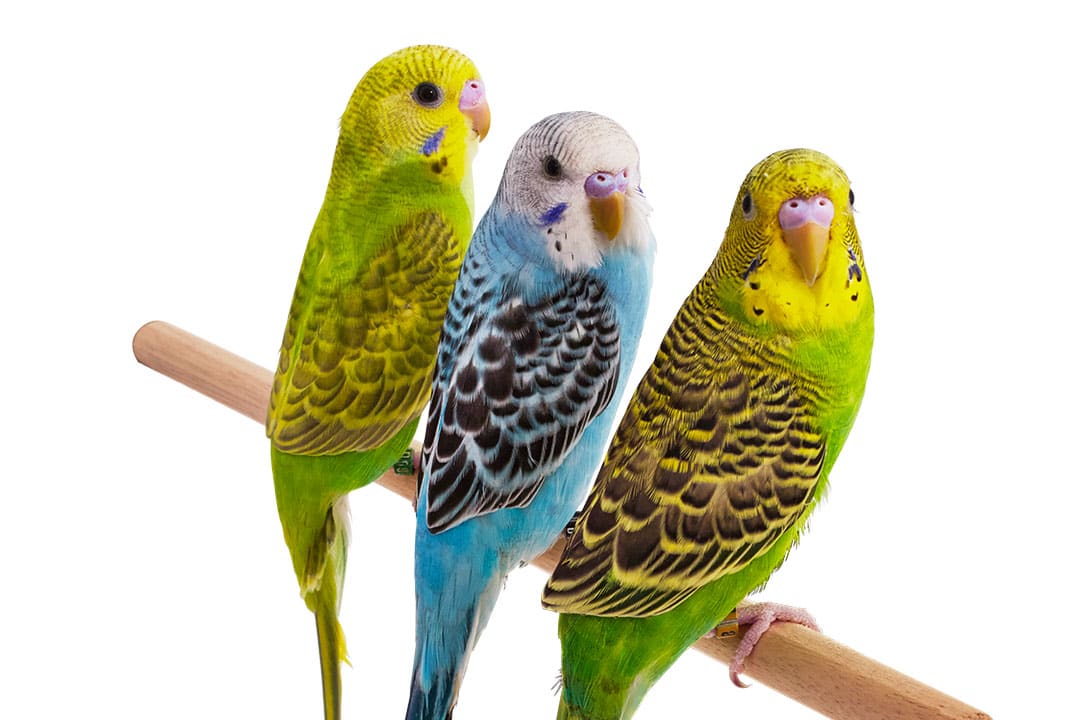
I am sorry to hear about your bird. This is a condition that requires veterinary care. In some cases, increase in humidity, lubrication of the cloacal area, and administration of supplements and medication called oxytocin that can help expulsion of the egg. If this isn't successful or possible then sometimes manual removal or surgical intervention is needed. You can read more about this at http://www.peteducation.com/article.cfm?c=15+1829&aid=3060. Also, FYI, the photos you have attached are of parakeets aka budgerigars, not love birds.
Updated on September 24th, 2025