Two Easy Ways to Start Earning Rewards!
Earn 2X Pals Rewards points at Petco
when you use Petco Pay!
Get It Today
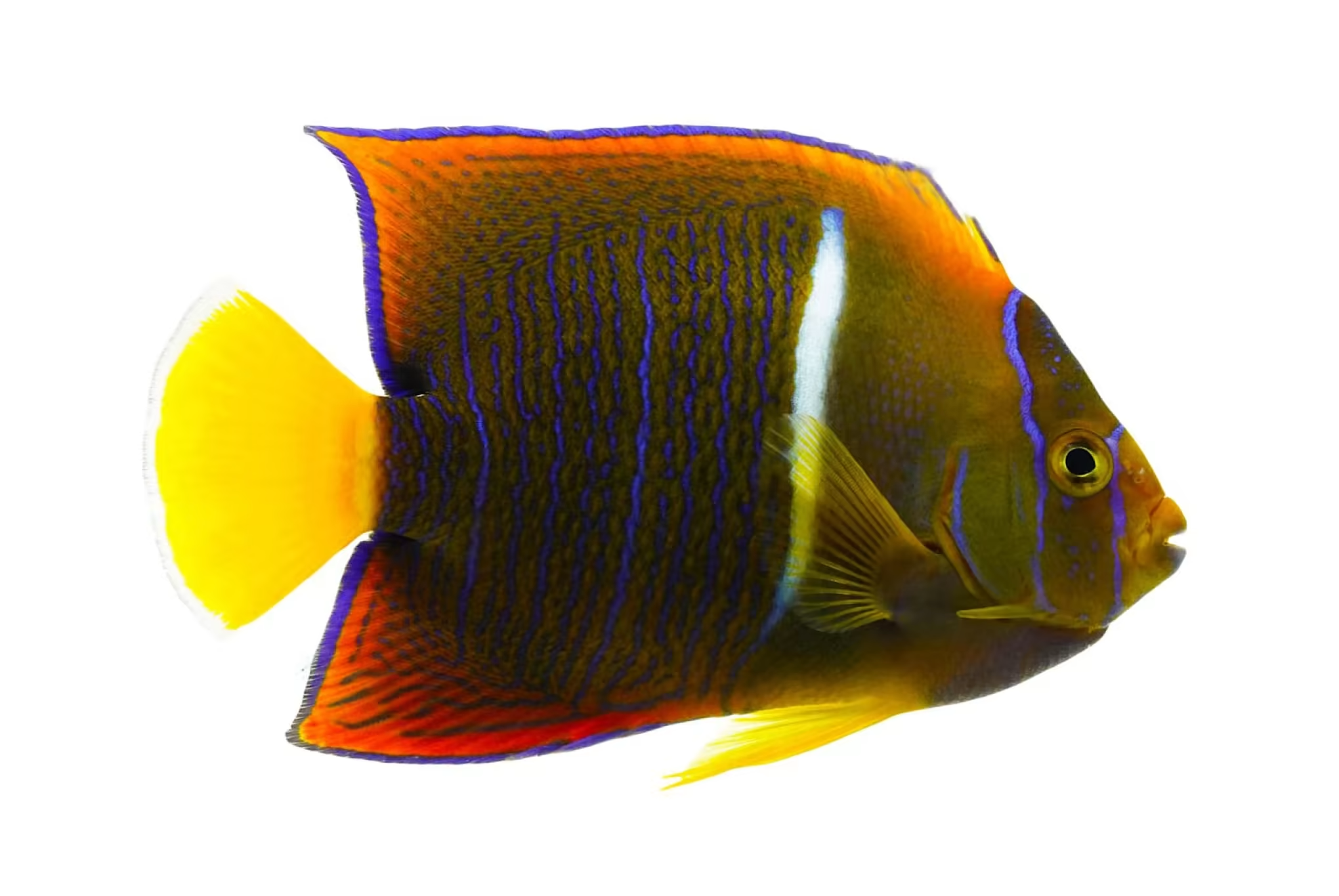
Learn how to care for large marine fish, recommended diet and habitat setup. Find the right food, supplies and equipment at your neighborhood Petco.
Updated on November 13th, 2025
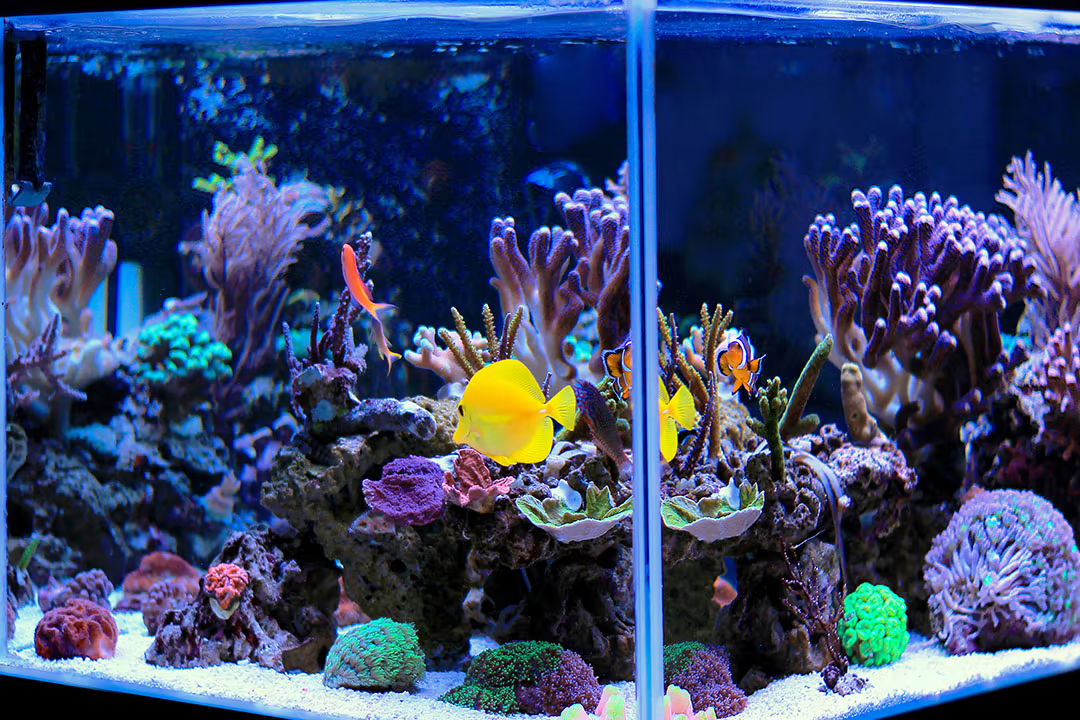
Learn how to set up a saltwater fish tank and key considerations regarding placement, supplies needed, and the overall set up process.
Updated on November 13th, 2025
Habitattitiude™ commits to environmental protection by not releasing unwanted fish into public areas.
Updated on November 13th, 2025
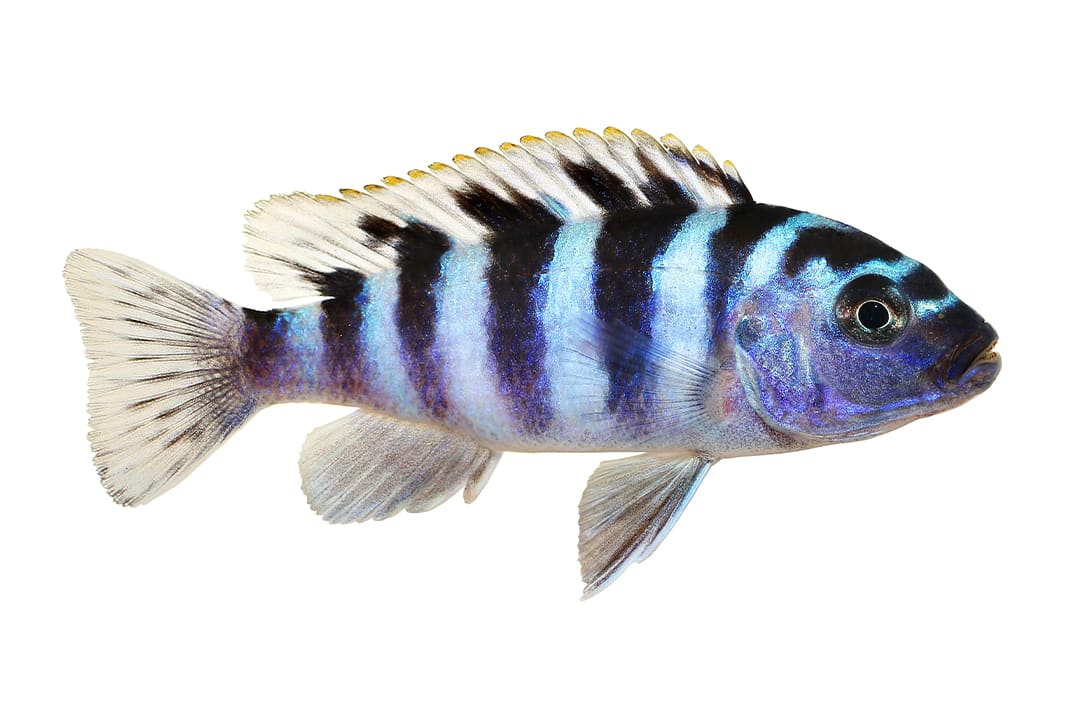
Learn how to care for your Cichlid, recommended diet and tank setup. Find the right food, supplies and equipment at your neighborhood Petco.
Updated on November 13th, 2025
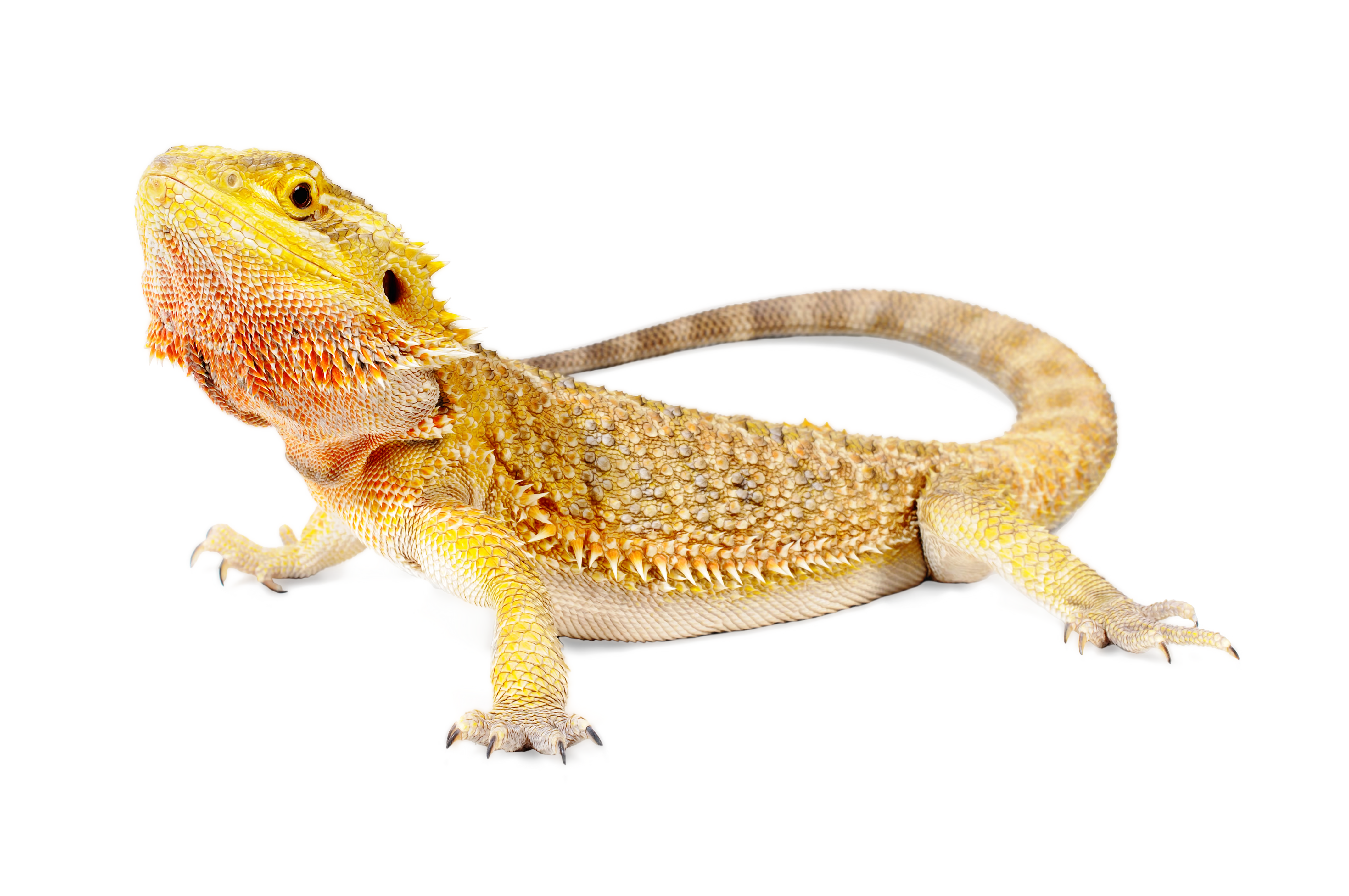
Learn how to care for arid lizards, recommended diet & habitat setup. Find the right food, supplies & equipment at your neighborhood Petco.
Updated on November 13th, 2025
It is too small to be used for much beyond transport, quarantine or temporary housing (i.e. during cleaning of main enclosure). The plastic construction does not allow for light or heat sources which most reptiles or exotic pets require.
Updated on August 12th, 2025
Use a soft bristled brush to gently scrub areas. Heavy deposits can be scraped gently with the edge of a spoon. If you can treat the water, that may prevent deposits. A bit of algae growth may also "soften" the water as will powerful filtration. A filter rated for 3-4 times the volume of the tank may remove enough minerals to decrease accumulations.
Updated on August 12th, 2025
Remove them or provide more cover (plants and hides) for the other fish to hide or escape. When fish hang near the top, it is usually due to low oxygen levels, low water temperature or improper water chemistry. It could be related to the different filter or the water change. Confirm proper water temp and use a test kit to check water chemistry. Ammonia and nitrites should be at 0 ppm (parts per million) and nitrates should be 40 ppm or less. Monitor chemistry closely until you know how the new filter operates. Make sure it is rated for the size tank you have to ensure adequate filtration. Correct imbalances using chemical treatment and additional partial water changes using aged/conditioned water.
Updated on August 12th, 2025
Goldfish need powerful filtration. Your filter should be rated for at least twice the tank volume. Once you get a test kit, check the chemistry. Aim for 0 ppm ammonia and nitrites with nitrates at about 40ppm. Use a kit that has liquid reagents, not strips. The liquid kit is more accurate. The pH should range between 7.2-7.6. Being cold water fish, goldfish thrive between 65F and 72F. You can dissolve 1 teaspoon of plain aquarium salt (NOT table salt) per gallon of water to use as a general tonic. It will reduce stress, improve gill function, treat minor infection and aid in recovery. Treat for 10-14 days then reassess the condition of your fish. When performing partial water changes, treat only the volume of water being replaced not the entire tank volume. Change no more than 30% of the volume at a time. Use only aged or conditioned water that is temperature matched to prevent stress or shock.
Updated on August 12th, 2025
Stress or illness are likely responsible. Placing dark colored paper around the lower 10-12 inches of the glass might decrease stress. If this doesn't seem to help, a veterinary visit is recommended. Good luck.
Updated on August 12th, 2025