Two Easy Ways to Start Earning Rewards!
Earn 2X Pals Rewards points at Petco
when you use Petco Pay!
Get It Today
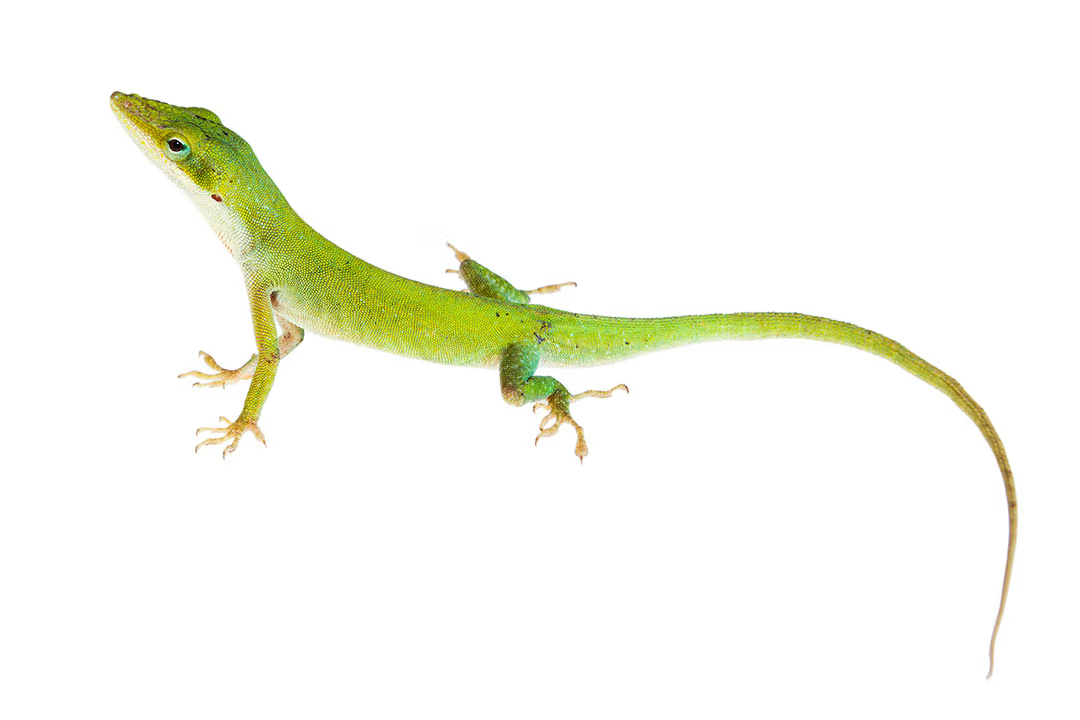
Learn how to take care of Green & Bahama Anoles, recommended diet and tank size. Find the right food, supplies and equipment at your neighborhood Petco.
Updated on November 13th, 2025
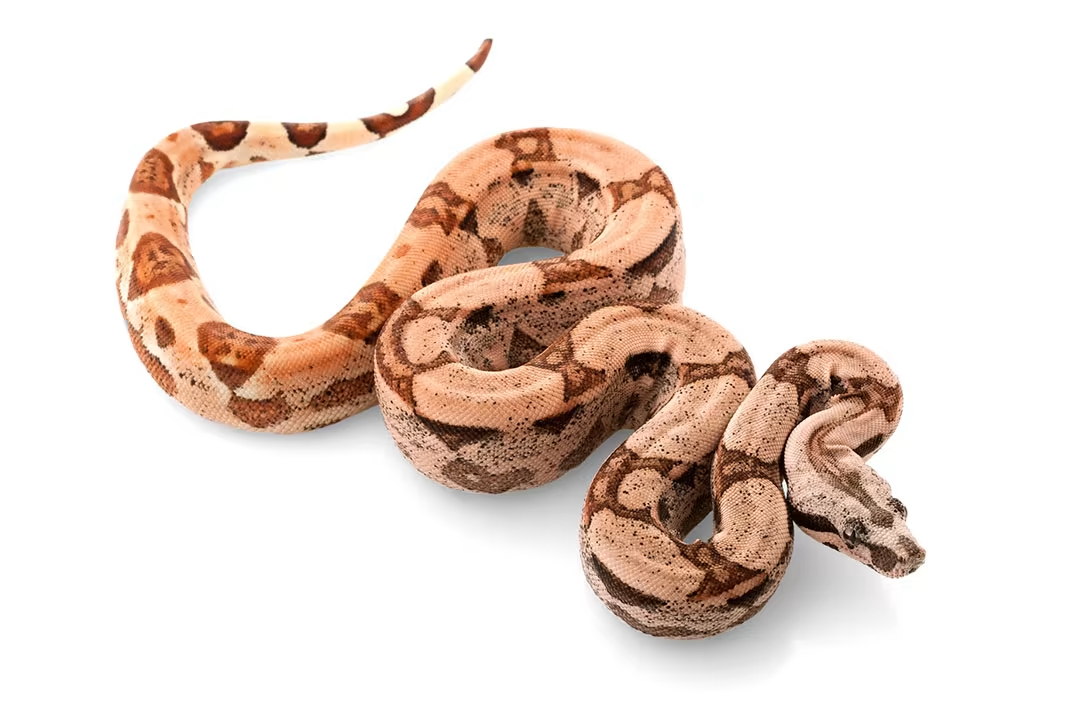
Learn how to care for Boas, recommended diet & habitat setup. Find the right food, supplies & equipment at your neighborhood Petco.
Updated on November 13th, 2025
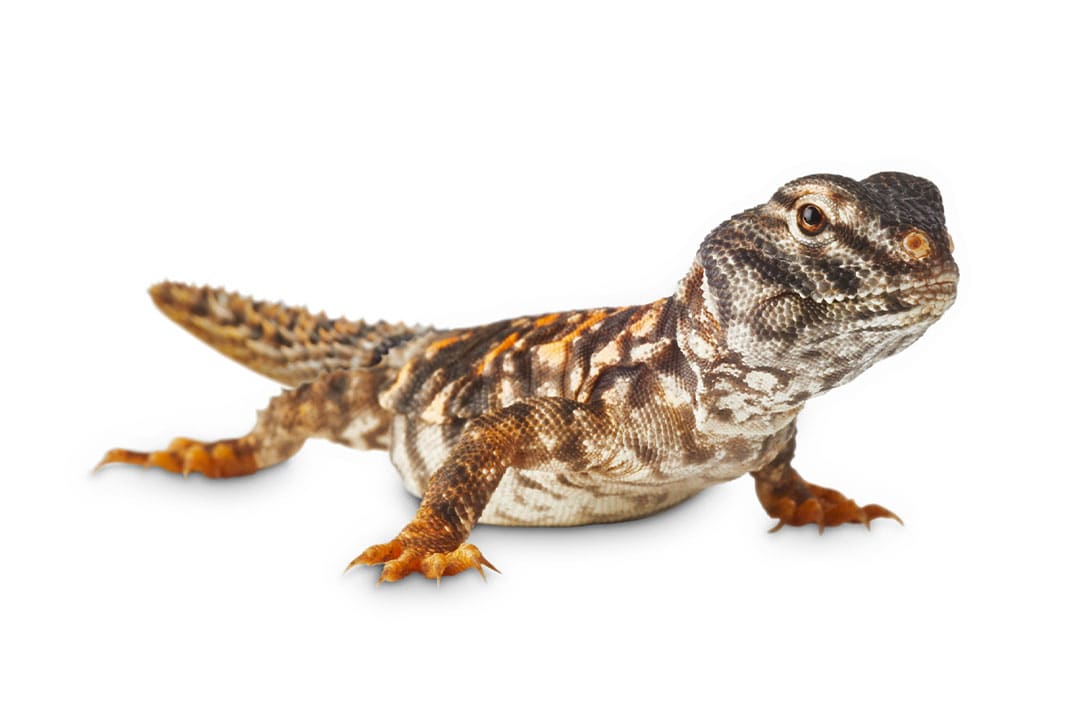
Learn how to take care of Saharan Uromastyx, recommended diet and tank setup. Find the right food, supplies and equipment at your neighborhood Petco.
Updated on November 13th, 2025
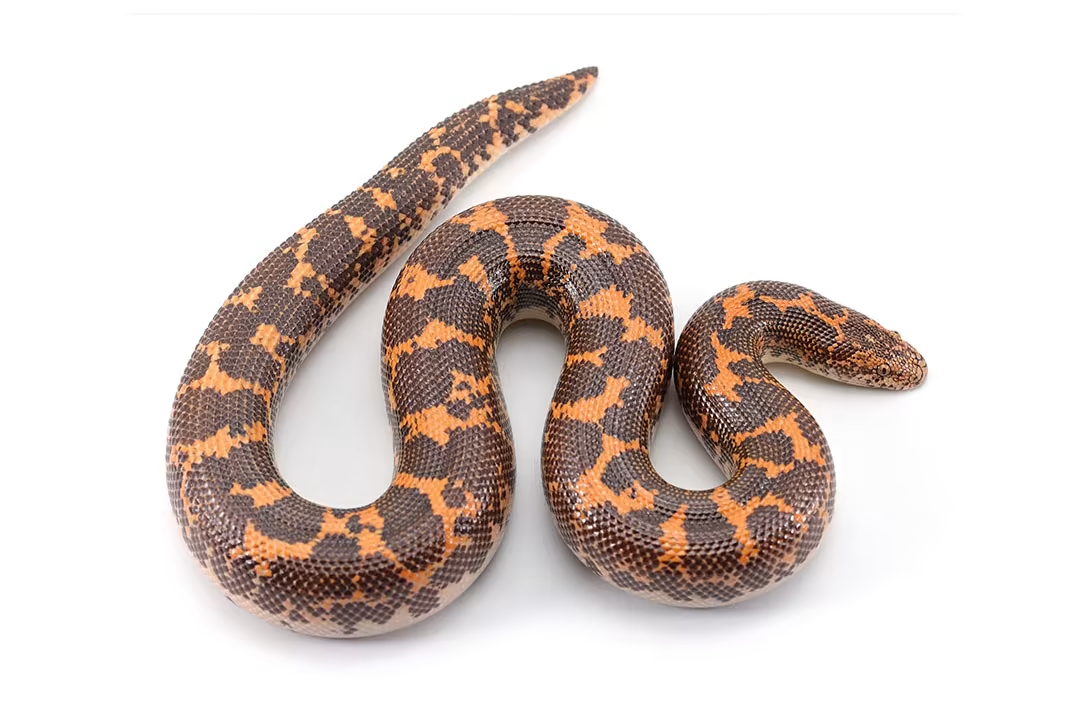
Learn how to care for a Sand Boa, recommended diet and habitat setup. Find the right food, supplies and equipment at your neighborhood Petco.
Updated on November 13th, 2025
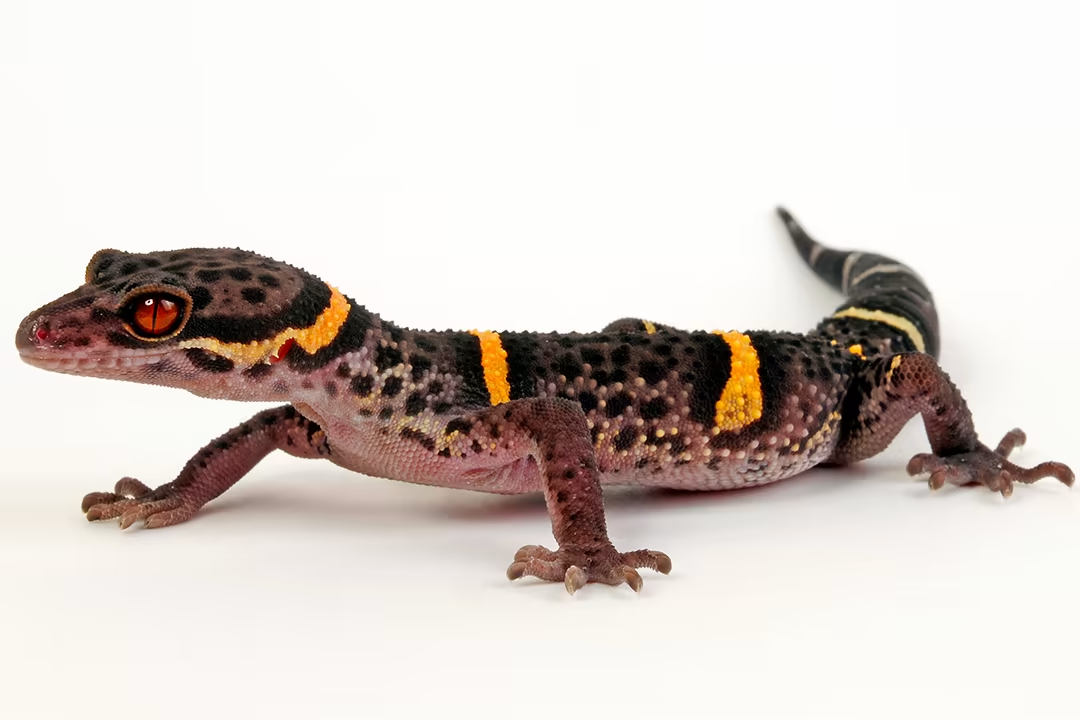
Learn how to take care of your Chinese Cave Gecko, tank size, diet & habitat setup. Find the right food, supplies and equipment at your neighborhood Petco.
Updated on November 13th, 2025
A RES requires full spectrum lighting (UVA and UVB) and lighting that provides heat. The dry dock, or basking area, should be completely out of the water. Basking temps should range between 90F and 95F (32-35C). You should place the UVA/UVB bulb as close to the heat lamp as possible. It should be no more than 12" away from your RES and should not have a barrier between it and your turtle. Glass, acrylic and plastic block UVB while screens with grids under 1/2" can obstruct a good portion of UVB rays negating the health benefits. Lighting should be on for around 12 hours a day, depending on the time of year. Full UVA/UVB bulbs need replacing every 6 months. The simplest combination for adequate lighting is a UVA/UVB fluorescent bulb and an incandescent light bulb (for heat). Incandescent light bulbs are standard household lights easily purchased at stores such as Home Depot or Lowes. Make sure your RES cannot splash water on it or come into contact with it. You can also consider halog
Updated on August 12th, 2025
Ideally, the UVB light source should run the entire length of the tank. A thermometer/hygrometer should be on each end of the tank to confirm cool and warm sides. Use a digital thermometer to verify temps. Those little ones you have can be inaccurate. Provide a hide on both sides as well. Personally, I would remove the fake grass as it has the potential to cause eye injuries. Your tank looks good otherwise.
Updated on August 12th, 2025
A heat mat will maintain proper ground temps but may not keep ambient temps within normal ranges for a leopard gecko. A basking light should be used during the day to mimic the natural environment. If nighttime temps drop too low, even with a mat, consider a CHE (ceramic heat emitter) that will produce heat without visible light.
Updated on August 12th, 2025
Ideally, a 10 gallon tank is the smallest enclosure that should be used for one anole. You will need a UVB light source as well as a heat lamp. The brown color is likely due to stress. The link below will provide a list of items required as well as information on basic care. http://www.anapsid.org/anole.html
Updated on August 12th, 2025
Thanks for reaching out about Sushi. Adding a heat lamp to bring the temperature the rest of the way up is recommended. This should be put on a rheostat so the temperature can be fine tuned. Good luck.
Updated on August 12th, 2025