Two Easy Ways to Start Earning Rewards!
Earn 2X Pals Rewards points at Petco
when you use Petco Pay!
Get It Today
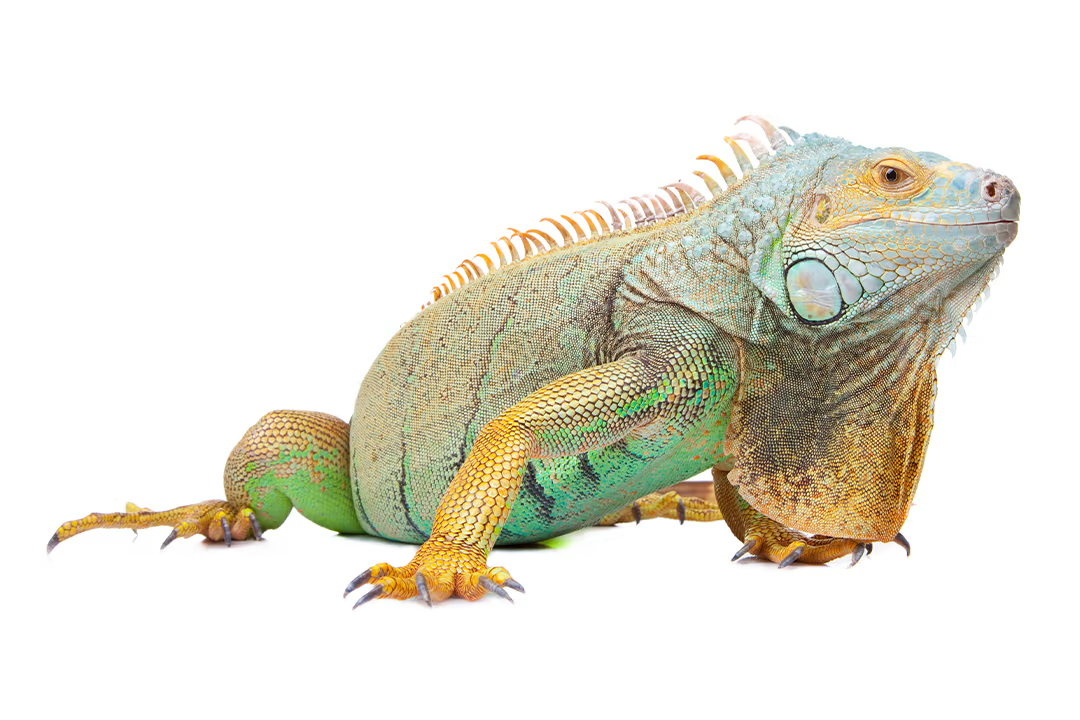
Learn how to take care of your Tropical Iguanas, recommended diet and housing setup. Find the right food, supplies and equipment at your neighborhood Petco.
Updated on November 13th, 2025
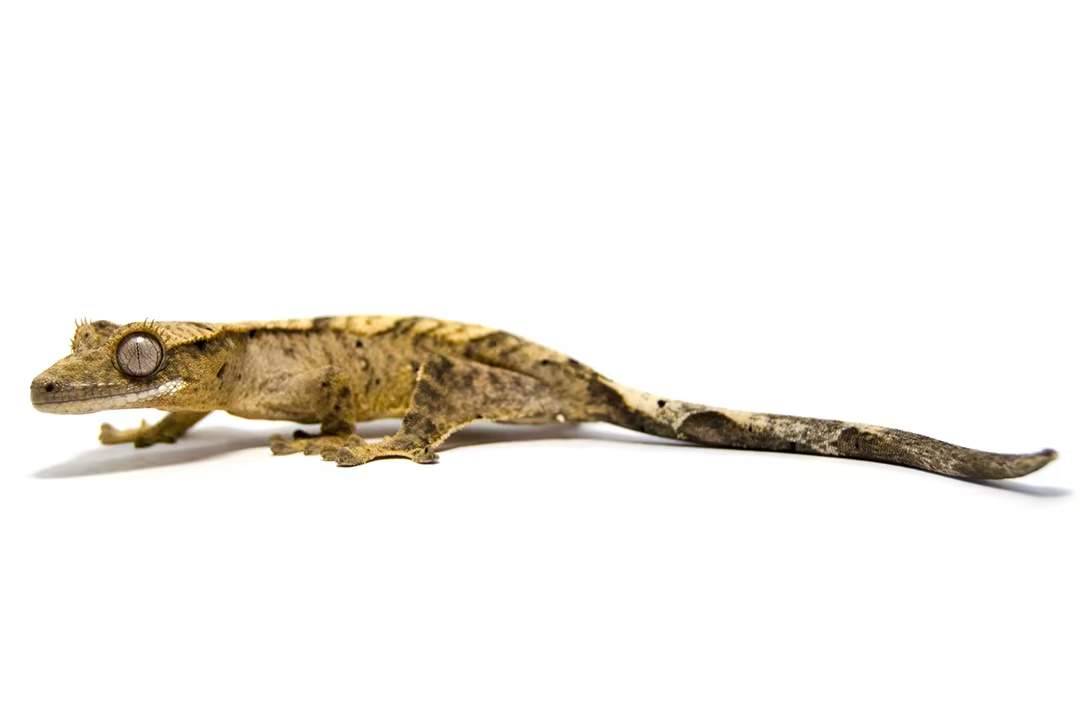
Learn how to take care of your Crested Gecko, tank size, diet & habitat setup. Find the right food, supplies and equipment at your neighborhood Petco.
Updated on November 13th, 2025
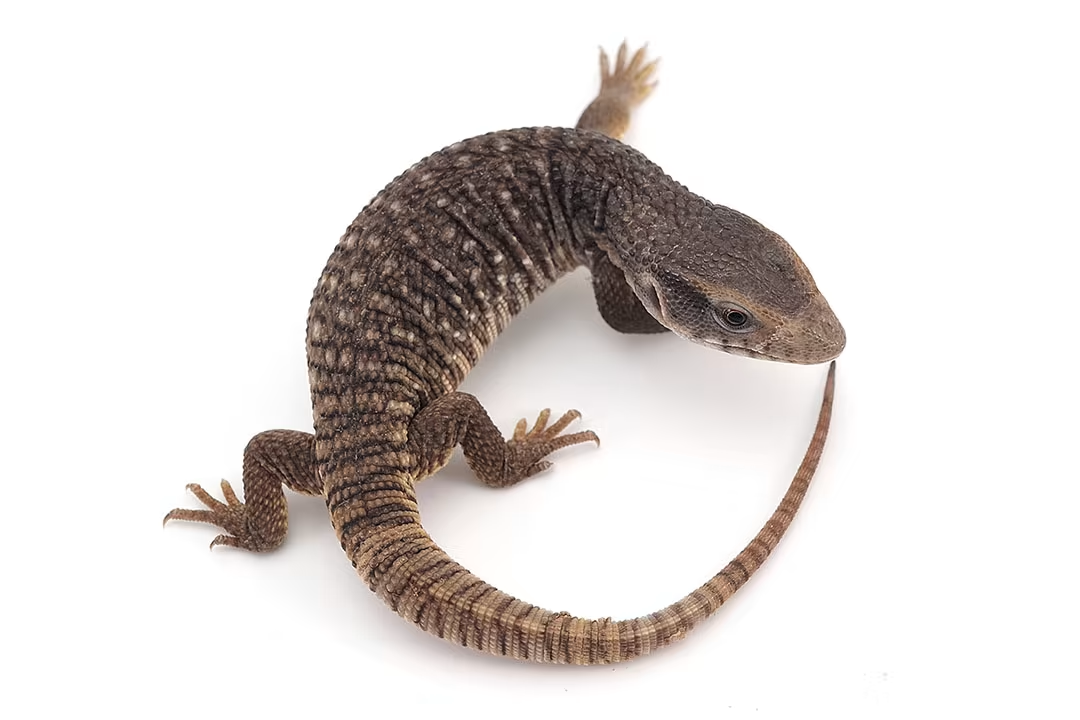
Learn how to care for a monitor lizard, recommended diet and habitat setup. Find the right food, supplies and equipment at your neighborhood Petco.
Updated on November 13th, 2025
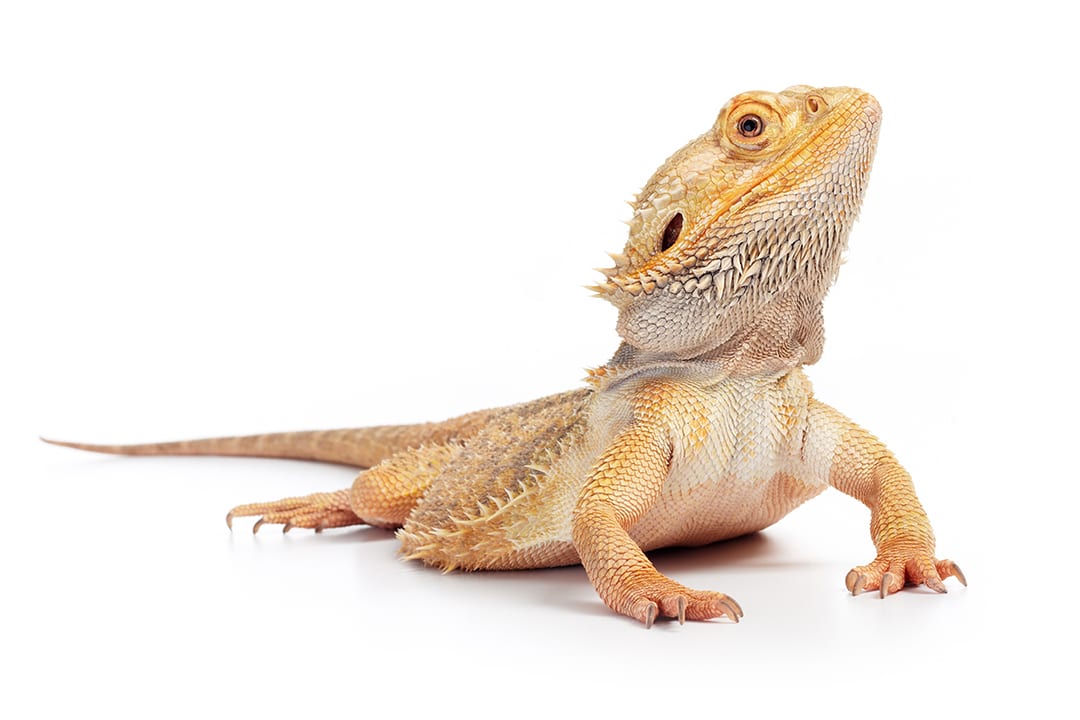
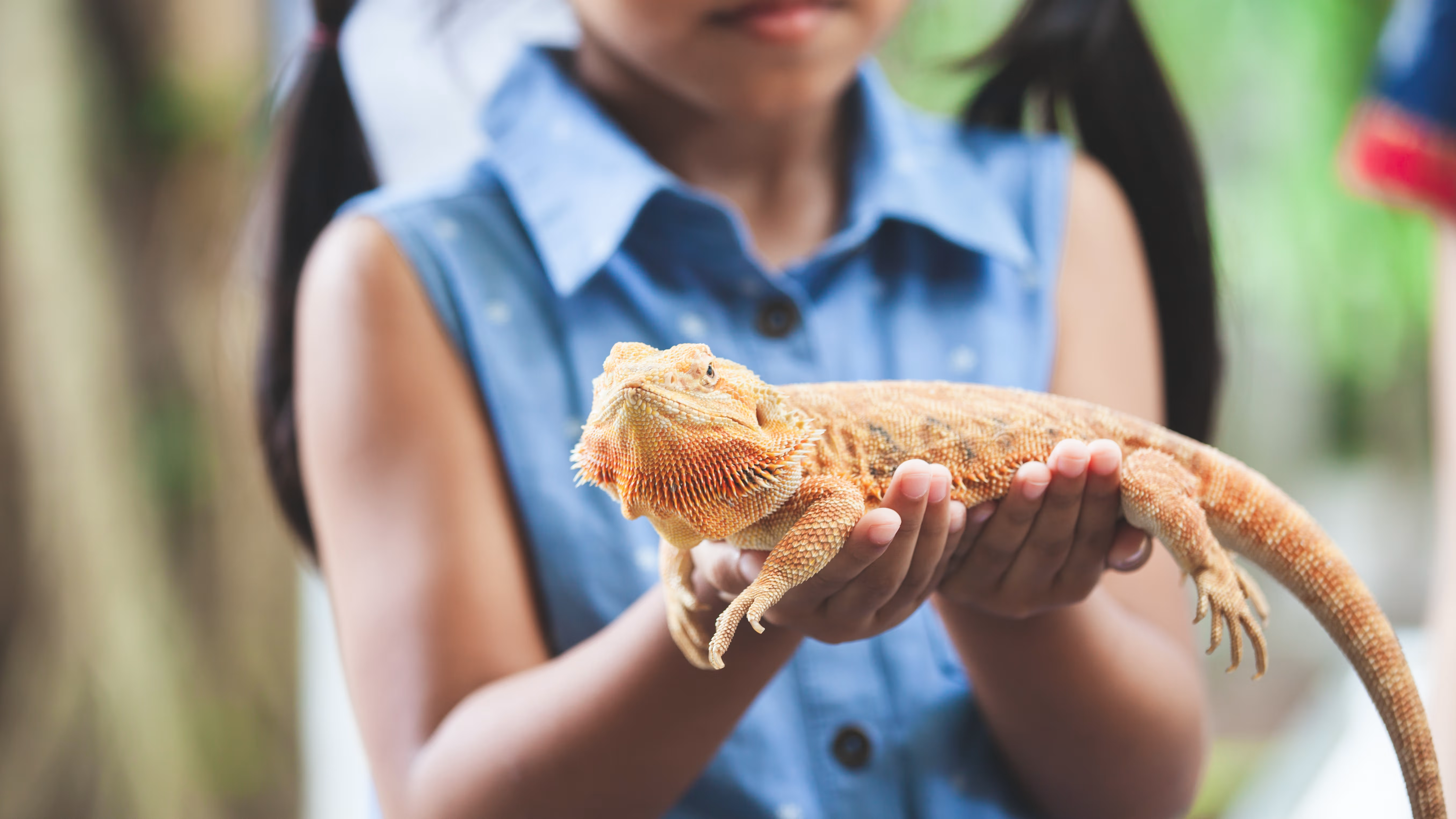
Learn how to care for a Bearded Dragon, recommended diet and habitat setup. Find the right food, supplies and equipment at your neighborhood Petco.
Updated on November 13th, 2025
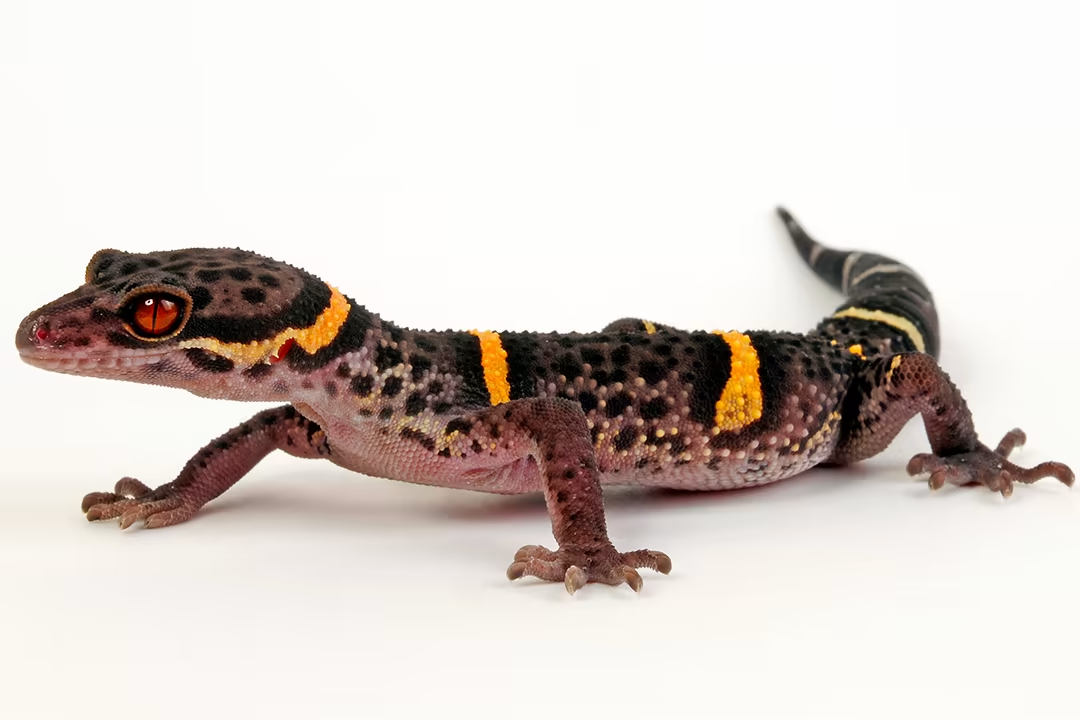
Learn how to take care of your Chinese Cave Gecko, tank size, diet & habitat setup. Find the right food, supplies and equipment at your neighborhood Petco.
Updated on November 13th, 2025
A heat lamp isn't necessary unless the room where the cage is located is cold. Cresties do just fine at room temperature. A UVB light source isn't necessary either as long as you feed a diet containing adequate levels of Vitamon D3. That said, either won't harm him and it is a matter of personal preference. Be sure to monitor cage temps to make sure they don't go too high. There was no image attached to this question. Age can be difficult to determine if you don't have a hatch date. The reason being that growth can be dramatically affected by diet and environment. Contact the PetSmart where he was purchased. They should have records from the source/breeder which should include a hatch date or age.
Updated on August 12th, 2025
Here are some tips on how to care for pets who require continuous heat, such as reptiles and snakes: - Before a power outage, if possible, buy a generator. This will allow you to keep your reptiles warm during the outage. - Amphibians will do okay without heat for a period of time. Try to limit the number of times you open the habitat. - For a heat source, you can go to your local sporting goods store and purchase the heat packs used to warm feet and hands. These can be placed underneath the habitat (just like you would place an electric heating pad). This will allow your reptile to get heat. Do not put the pack into habitat with the reptile. - Another way to warm cold reptiles is to use a pillowcase. Place the reptile gently in the case and place the pillowcase next to your body under your shirt for warmth. - Pillow cases can also be used to transport reptiles if needed. - Do not feed your reptile as they need heat to digest their food. - You can save plastic milk
Updated on August 12th, 2025
Sliders see very well in the dark. They are mainly active during the day and usually sleep in the water at night. A heat lamp is not necessary unless nighttime temps drop below 65 F. In these cases, you can use a CHE (ceramic heat emitter that will provide heat without visible light.
Updated on August 12th, 2025
The basking spot should be about 90 F. If you use a standard heat lamp on one end of the enclosure, it should produce an acceptable temperature gradient across the tank. Nighttime temps should drop no lower than the low 70s F. This species is a desert species. Relative humidity in the tank should range between 20% and 40%. When in shed, provide a moist or humid hide box to aid in shedding.
Updated on August 12th, 2025
I think leaving the red light on at night is fine. I would try not to let it get below 60s at night. I am going to attach a great resource about husbandry and diet for your bearded dragon to help give you better guidelines on his temperature, lighting, and diet. I hope this helps. http://www.anapsid.org/bearded.html
Updated on August 12th, 2025