Two Easy Ways to Start Earning Rewards!
Earn 2X Pals Rewards points at Petco
when you use Petco Pay!
Get It Today
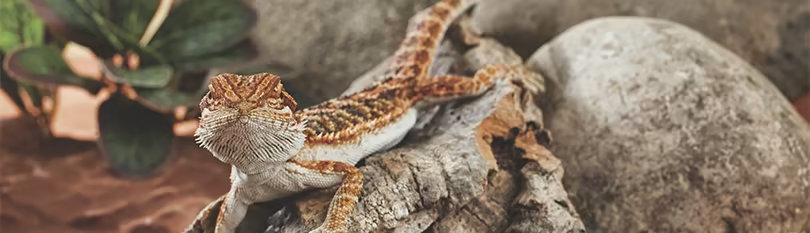
When it comes to reptile habitats, one of the most essential elements to creating a happy home for your pet is including the appropriate type of lighting. Zoo Med helps outline which lights are right for your pet.
Updated on November 13th, 2025
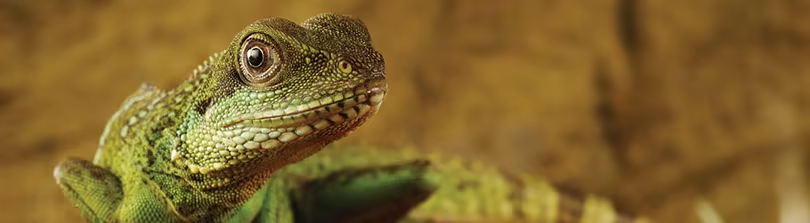
Learn how to setup your reptiles terrarium to ensure your reptile lives a wholesome & happy life. Shop at your local Petco for all reptile terrarium needs.
Updated on November 13th, 2025
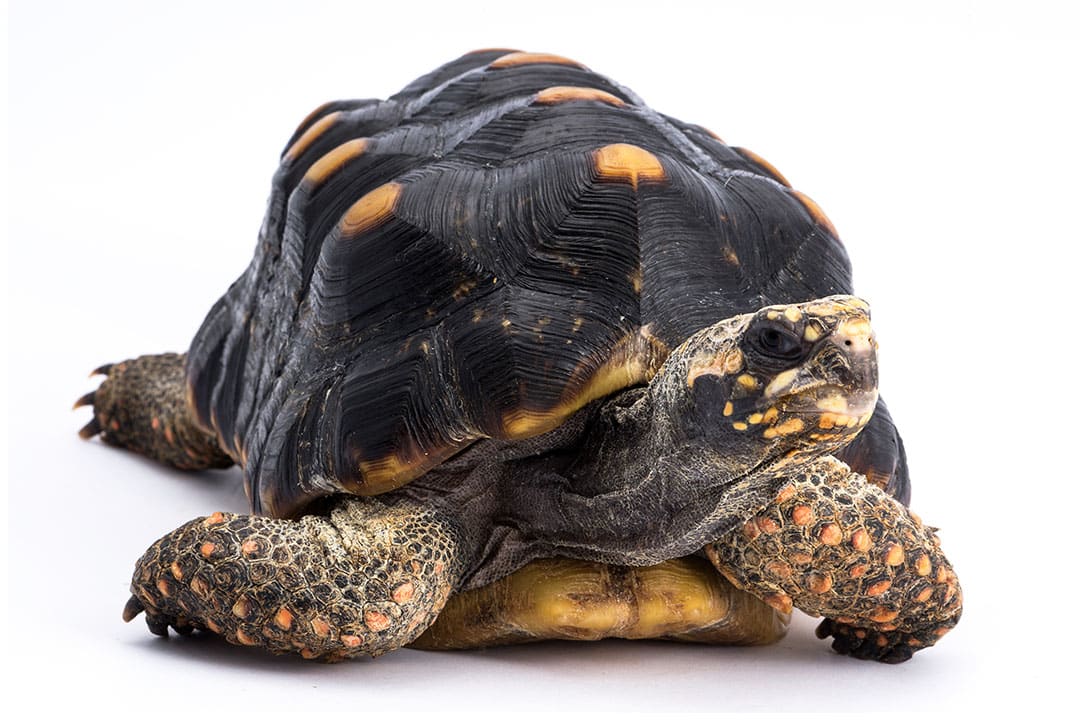
Learn how to care for tropical tortoise, recommended diet & habitat setup. Find the right food, supplies & equipment at your neighborhood Petco.
Updated on November 13th, 2025
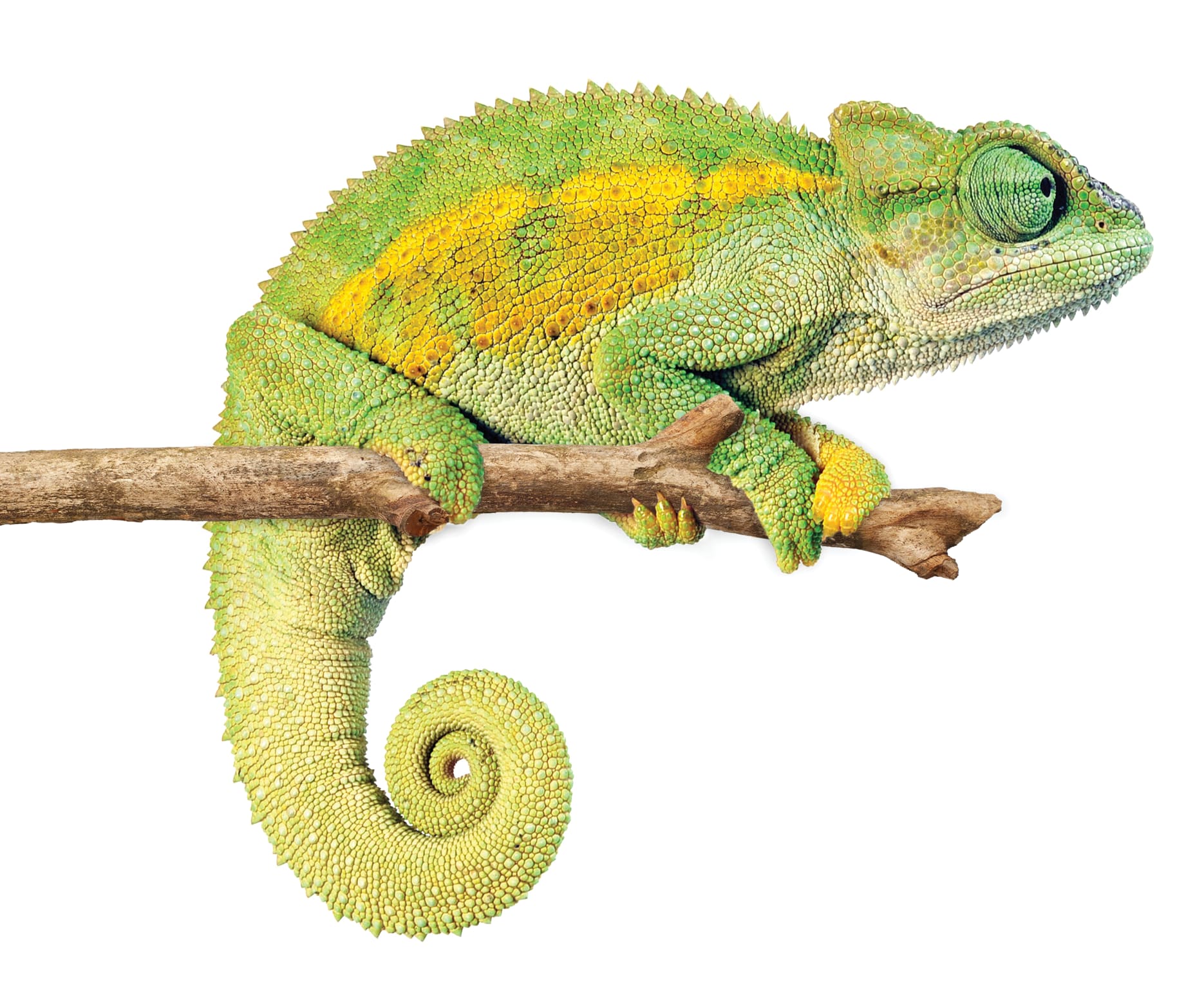
Learn how to care for cool climate Chameleons, recommended diet & habitat setup. Find the right food, supplies & equipment at your neighborhood Petco.
Updated on November 13th, 2025
Explore our tips about what to keep in mind when choosing the right pet reptile for your family. Consider what they need to stay happy and healthy.
Updated on November 13th, 2025
A small enough piece should pass uneventfully. Monitor for lethargy, loss of appetite or lack of defecation. If necessary, see your veterinarian or an experienced herp vet. Soaking him in a warm 50/50 solution of water and unflavored PediaLyte will keep him well hydrated which can help the substrate pass easier.
Updated on August 12th, 2025
Leopard geckos can be very finicky. I probably wouldn’t change his substrate unless he is having problems with the current one. You can attempt to change it but you need to monitor his activity, appetite and attitude closely. I also don’t recommend any sand substrates as they commonly cause intestinal obstruction because they like to eat it. Honestly, the best substrate is an AstroTurf type material because they can’t eat it and it is easy to keep clean, but this can be a big change if he isn’t use to it. I hope this helps!
Updated on August 12th, 2025
Thanks for reaching out. Heat rocks are bad. One recommendation is to utilize under tank heat as the background heat source, keeping the environment at 70-75 F 24-hours a day, then an overheat lamp can be set up as a timer to turn on for 12-14 hours/day and raise the day time heat to the appropriate level. Timers work great for the UVB bulb and extra heat. Good luck.
Updated on August 12th, 2025
Hi Katie. Any abnormalities you are seeing with Zillo should be checked out by your vet. I don't see anything outwardly abnormal based on those photos. Most health issues that we see in reptiles is due to improper husbandry (diet, lighting, housing, etc) so I suggest you check and make sure you are doing everything 100% correct. Here is a good reference for you to read about Beaded Dragon husbandry. I also suggest you get him an exam with a reputable reptile vet - he could have intestinal parasites causing that are causing his problems. ( http://www.reptilesmagazine.com/Care-Sheets/Lizards/Bearded-Dragon/ ) If you don't already have a vet that you use, I found this one in your area that will treat reptiles. ( http://applevalleyanimalhospital.com/wellness/avian-exotic/ ) Hope this helps. Best wishes.
Updated on August 12th, 2025
Often when a reptile doesn’t want to eat, it is a sign that they don’t feel well. The most common reason behind them not feeling well is imperfections in their husbandry and diet. I would recommend consulting an online care sheet to ensure that your husbandry is as perfect as possible. Common areas of imperfection include temperature, lighting, and humidity. I would also recommend having Ash seen by a veterinarian, as they can help to counsel you about Ash’s husbandry as well. In addition to a thorough physical examination, they may recommend diagnostic testing including radiographs (x-rays) and blood work to evaluate systemic health. I hope that gives you a place to start, and thanks for using Boop by Petco!
Updated on August 12th, 2025