Two Easy Ways to Start Earning Rewards!
Earn 2X Pals Rewards points at Petco
when you use Petco Pay!
Get It Today
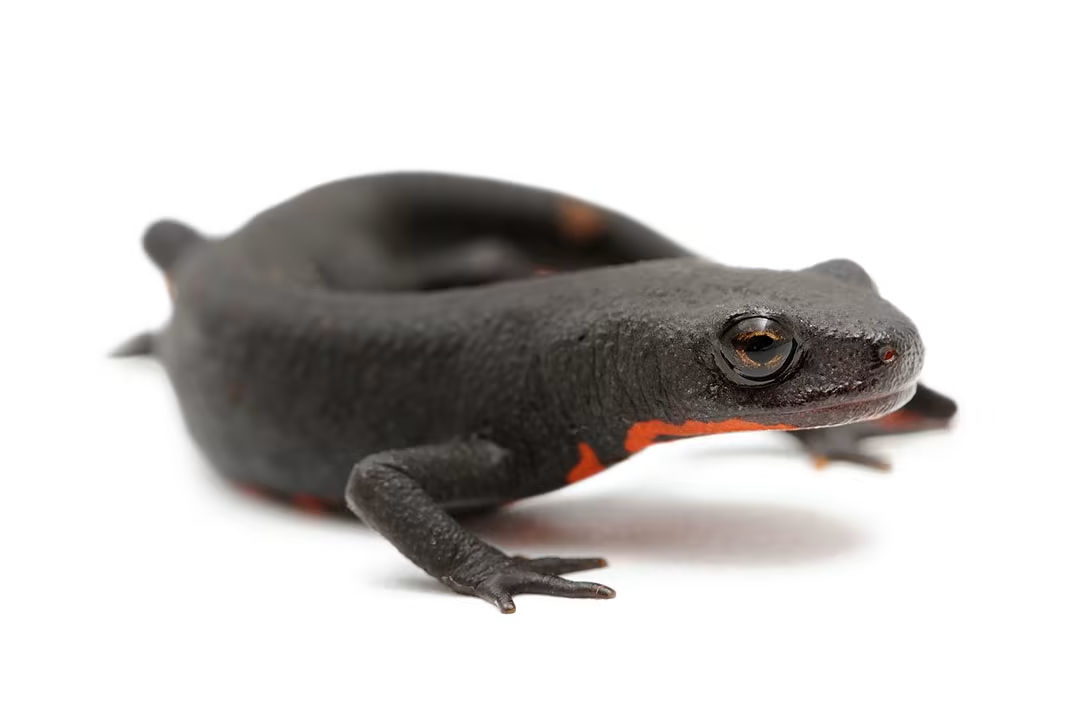
Learn How to Care for a Salamander & Newts, recommended diet and habitat setup. Find the right food, supplies and equipment at your neighborhood Petco.
Updated on November 13th, 2025

Picking the best leopard gecko substrate can be an overwhelming task; learn about some great options to help your leopard gecko live a happy & healthy life!
Updated on November 13th, 2025
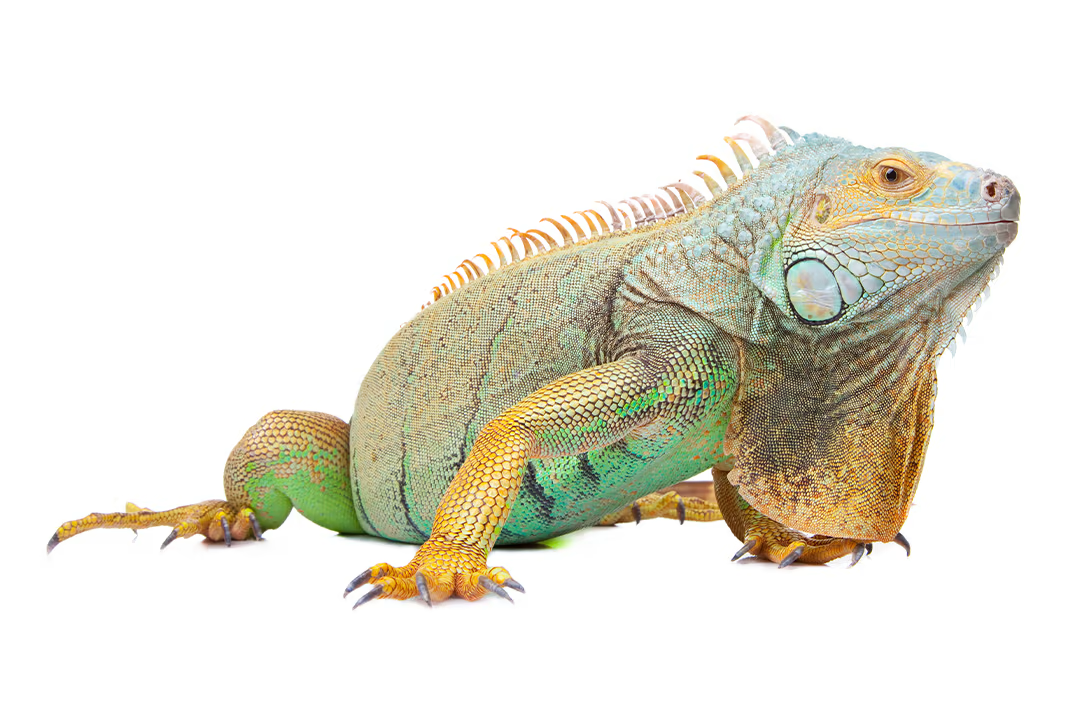
Learn how to take care of your Tropical Iguanas, recommended diet and housing setup. Find the right food, supplies and equipment at your neighborhood Petco.
Updated on November 13th, 2025
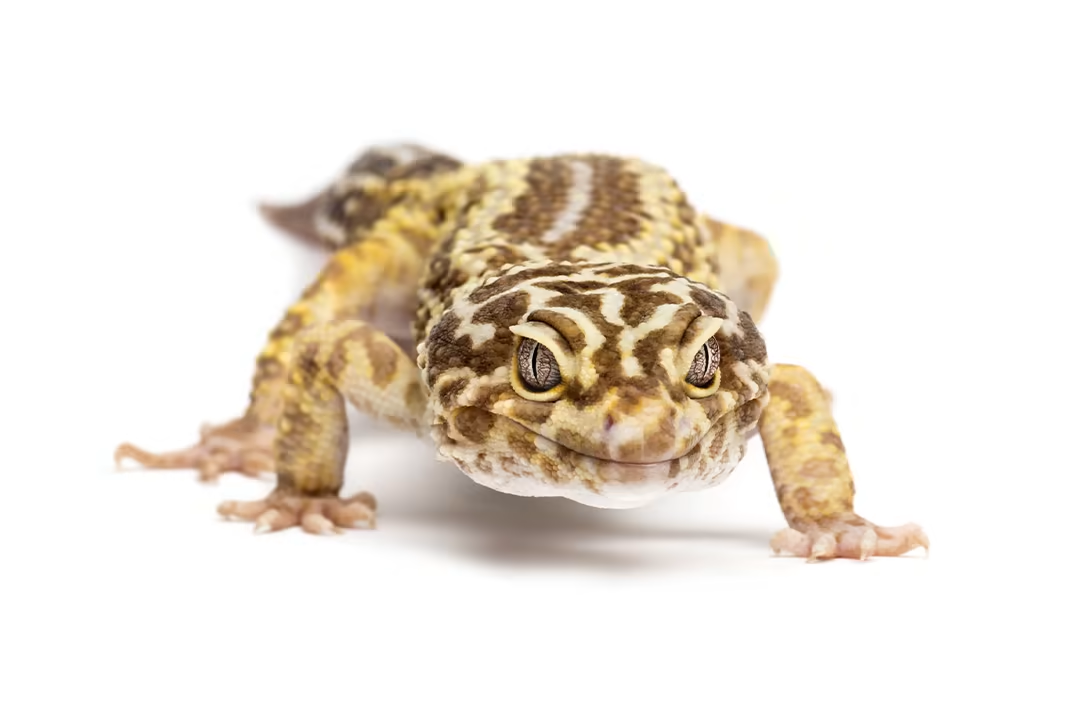
Learn how to care for a Leopard Gecko, recommended diet and habitat setup. Find the right food, supplies and equipment at your neighborhood Petco.
Updated on November 13th, 2025
Whether you temporarily lose access to AC or are experiencing unexpected temperature changes, you can use these tips to keep your reptiles happy and healthy.
Updated on November 13th, 2025
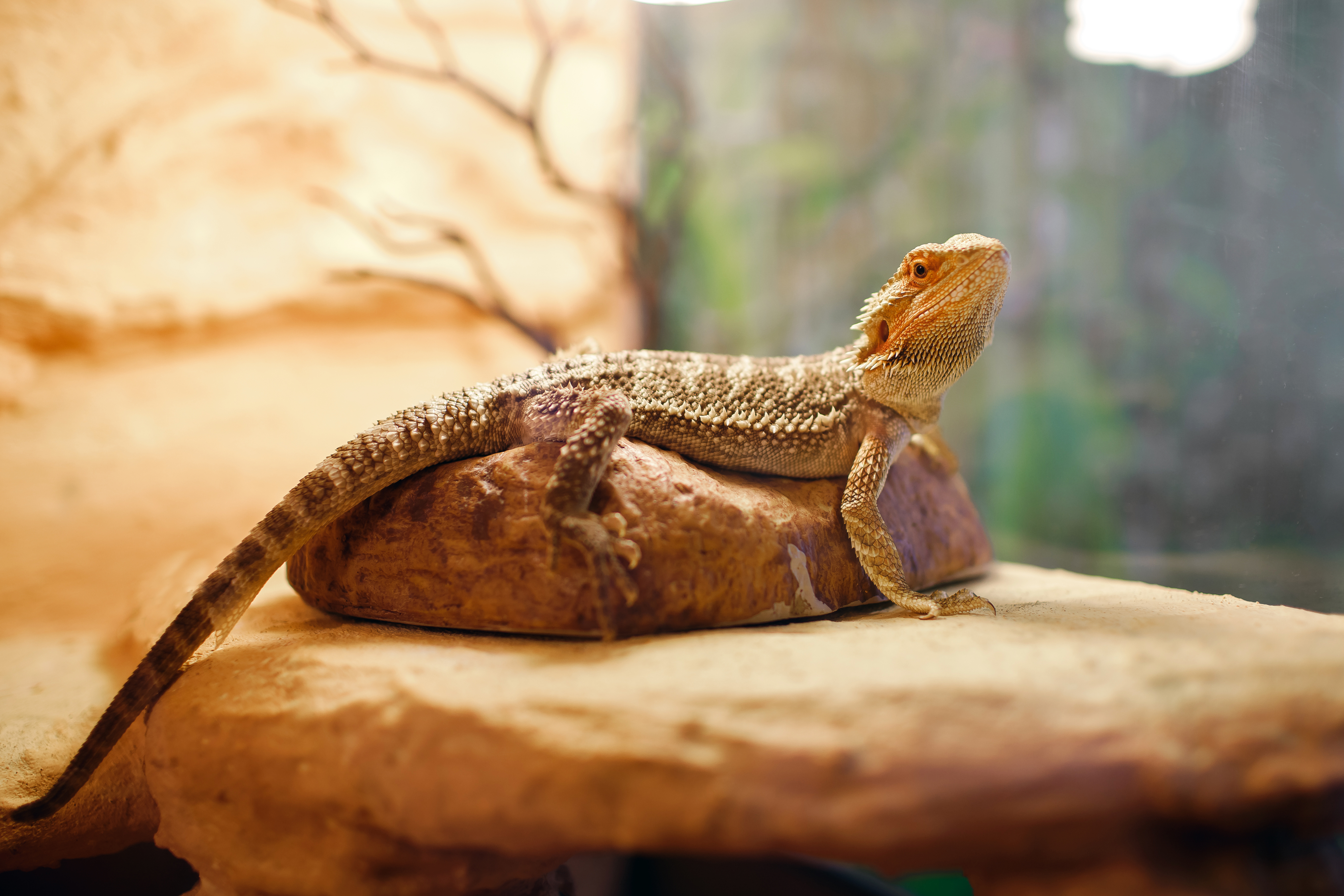
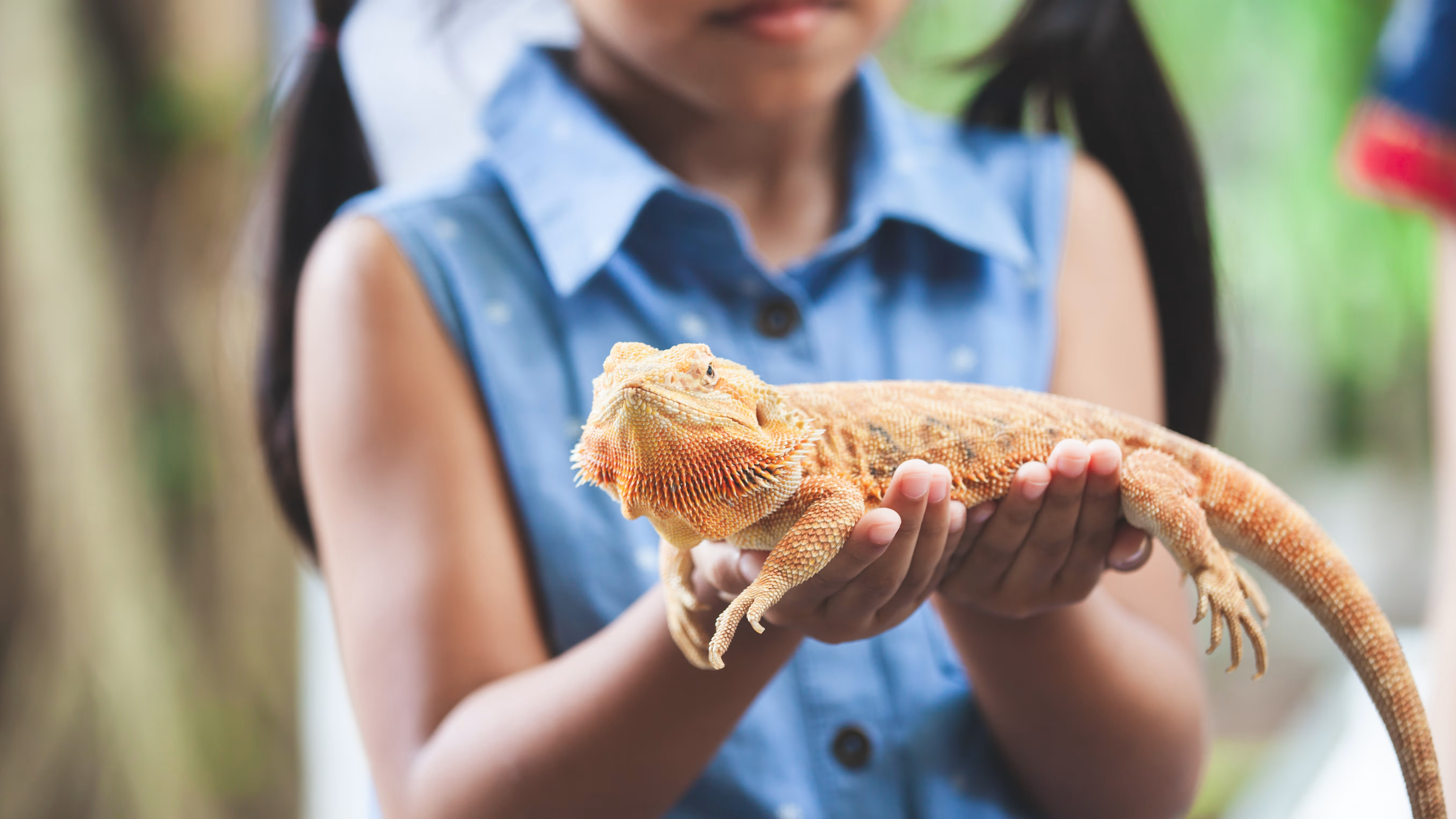
Submit a stool sample to your veterinarian or a vet experienced in treating reptiles to diagnose intestinal parasites or bacterial overgrowth. The dragon should still be covered under Petco's health guarantee, so you coukdbreturn it to the store for treatment or replacement. Review dragon care at the link below. http://www.reptilesmagazine.com/Care-Sheets/Lizards/Bearded-Dragon/
Updated on August 12th, 2025
Mild scale rot can be managed at home by controlling humidity and treating the affected area topically. Keep the enclosure and substrate dry and provide adequate ventilation. Use a diluted betadine solution to gently clean the affected area once or twice daily. Dry thoroughly afterwards. A dab of a triple antibiotic ointment or silvadene cream can be applied after each cleaning. More serious rot or rot that does not respond to conservative treatment should be addressed by your veterinarian or a vet experienced in treating reptiles.
Updated on August 12th, 2025
You can clean the terrarium with a diluted vinegar mixture but you have to make sure the smell is completely gone before putting the geckos back in it. I suggest this protocol: 1. Spray glass tank with a 50-50 vinegar water solution. Wait 5 minutes. 2. Dry the tank with paper towels and then spray tank with just water. Wait 2 minutes. 3. Dry the tank and wait 30 minutes. The same goes for the items inside the terrarium. The smell of the vinegar is the problem.
Updated on August 12th, 2025
Well, the website say yes. But trying to mask the odor of urine probably means you just need to clean the cage more often. The ammonia in urine can be very harsh on the lung tissue, and the hamster is living at the level of the fumes. Hamster cages just need to be spot cleaned daily to remove the urine soaked substrate. Good luck.
Updated on August 12th, 2025
Place a litterbox in each corner of the cage. When he goes outside of it, pick up the pellets and place them in the box he uses most often. Do the same with his urine. Soak It up with a tissue or scoop the wet bedding into the litterbox. Remove the litterboxes he doesn't use, one at a time, once you have determined his preference. You'll need to gradually acclimate him to allowing his feet to be touched. Allowing his feet to remain wet or wetting them frequently may predispose him to infection.
Updated on August 12th, 2025