Two Easy Ways to Start Earning Rewards!
Earn 2X Pals Rewards points at Petco
when you use Petco Pay!
Get It Today
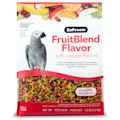
Bird seed and food is surprisingly versatile, ranging from the very popular varieties, to more wild bird seed blends. Whether you house a bird in a cage, raise a flock of chickens, or fill a feeder to enjoy your local wildlife, you'll need seeds that suit your needs and the preferences of your feathered friends.
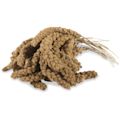
Sunflower seeds are the most universally enjoyed bird food. Available in black oil, striped, and shelled varieties, these bird seeds are loved by nearly every species. These seeds can also attract other visitors like squirrels and rodents, so if you prefer not to have furry visitors trying another seed would be best. Wild bird seeds like white millet are ideal for attracting ground feeding sparrows, doves and similar species, making these seeds ideal for outdoor bird feeders.
If you're raising a parrot or other trainable species, bird treats will help you teach them to do tricks with ease. Many of these specially designed treats encourage your bird to "sing for their supper" and can help reinforce good behavior. Explore all the bird seed and treat options available at Petco to find the one that works best for you!
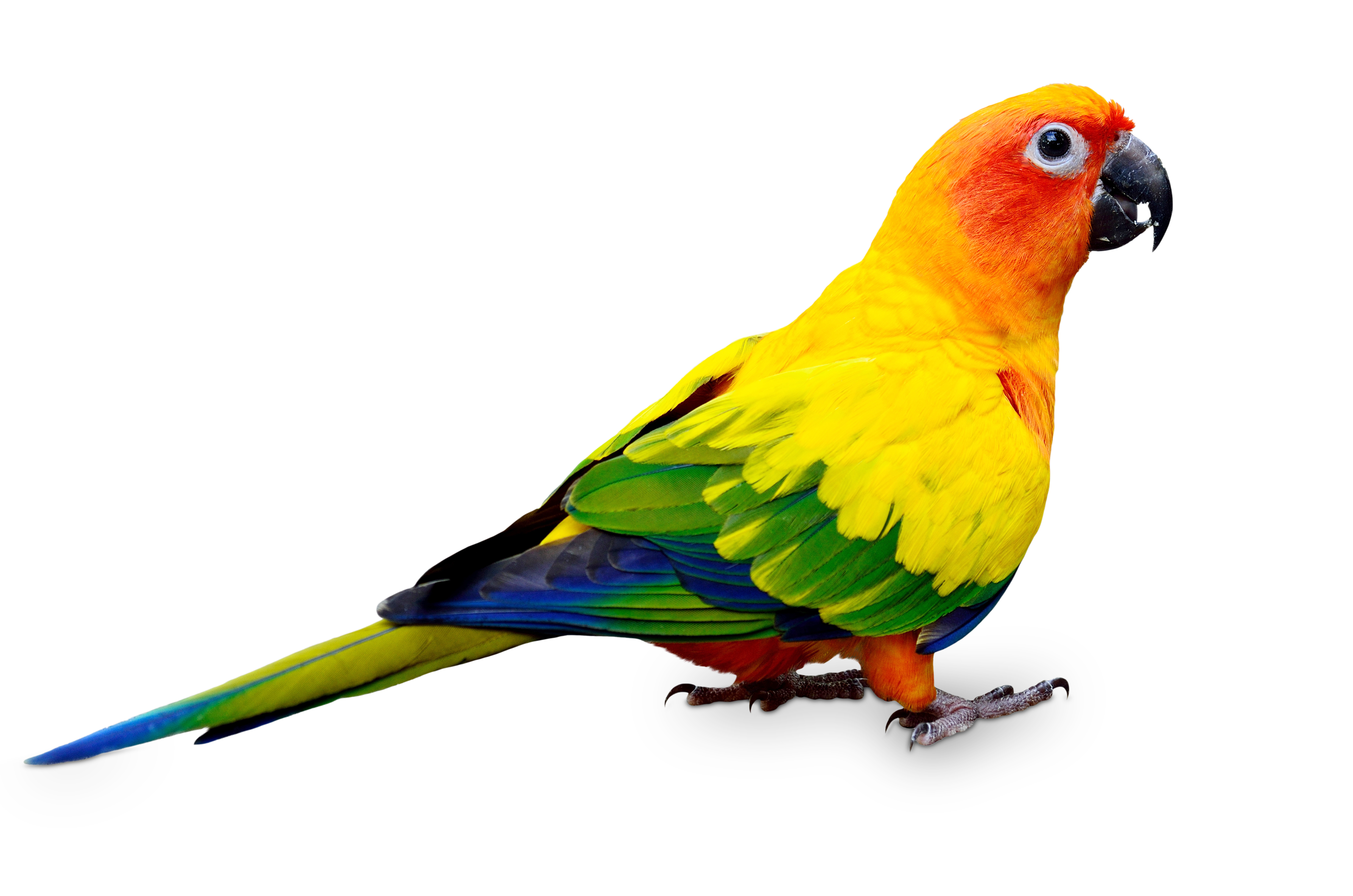
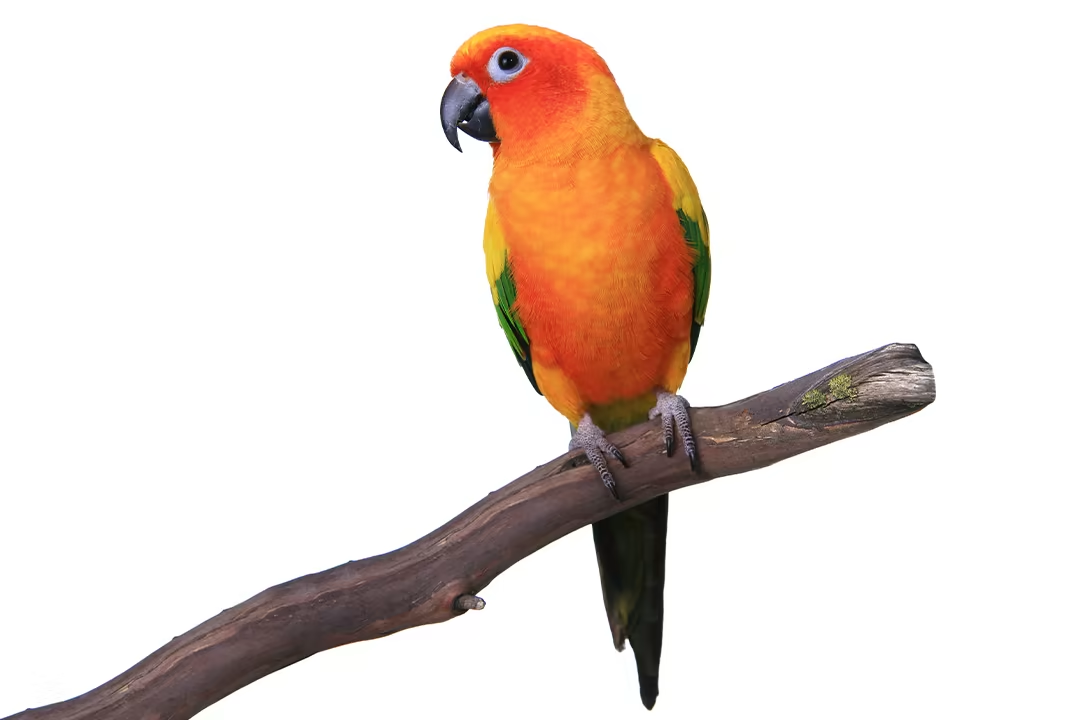
Learn how to take care of Sun Conures, recommended diet and housing setup. Find the right food, supplies and equipment at your neighborhood Petco.
Updated on November 13th, 2025
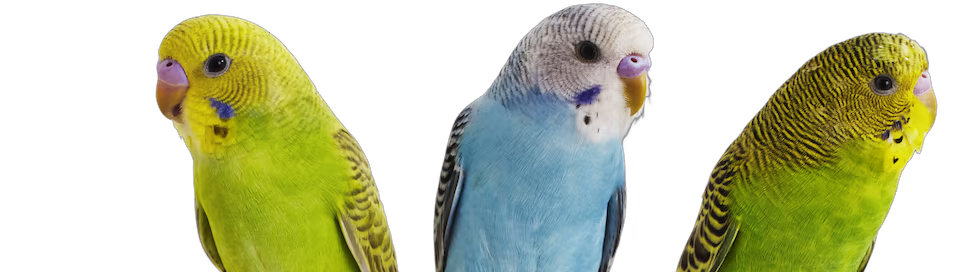
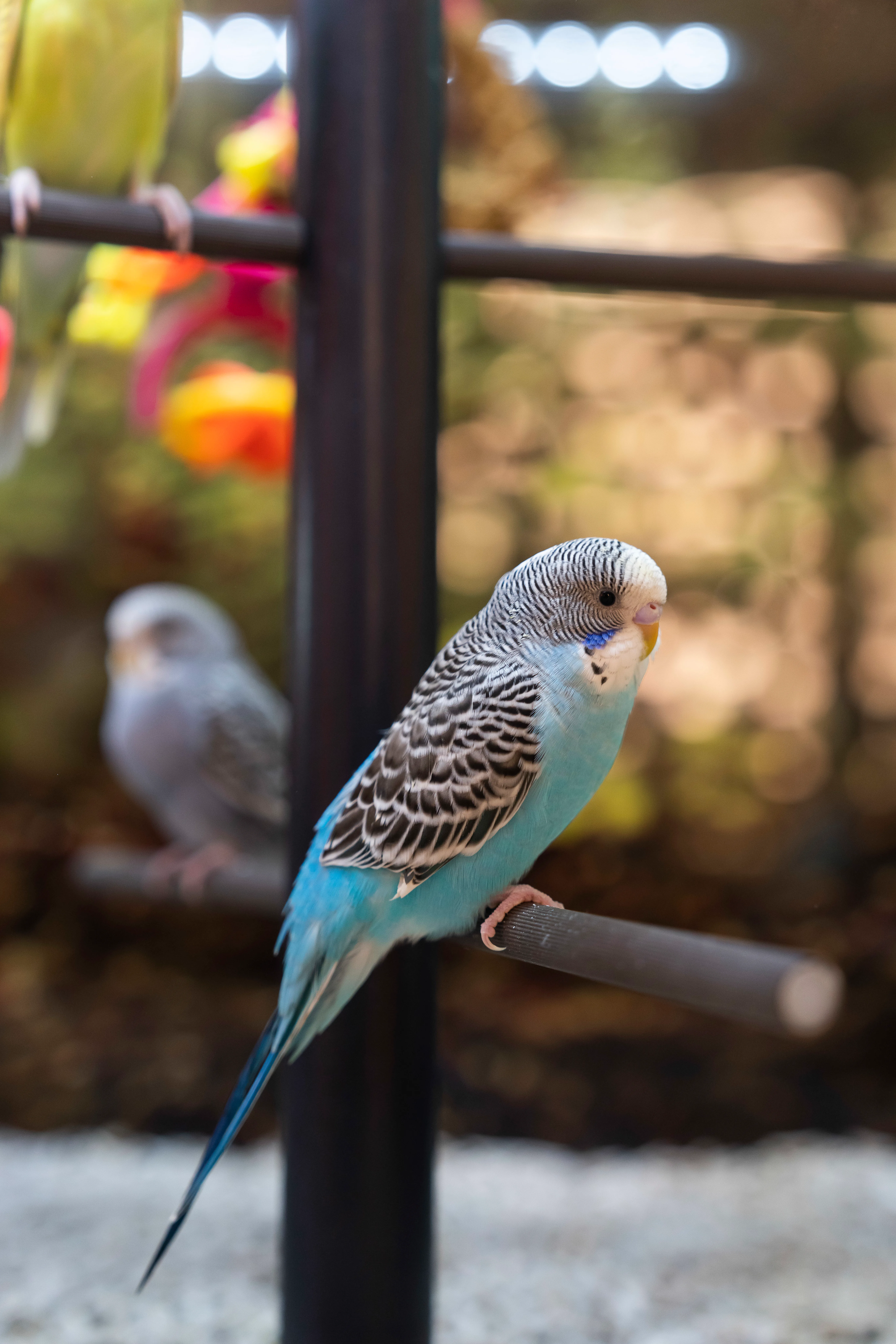
Parakeets can make great pets. Take a look at these fun facts about these winged companions and wow your friends with your knowledge.
Updated on November 13th, 2025
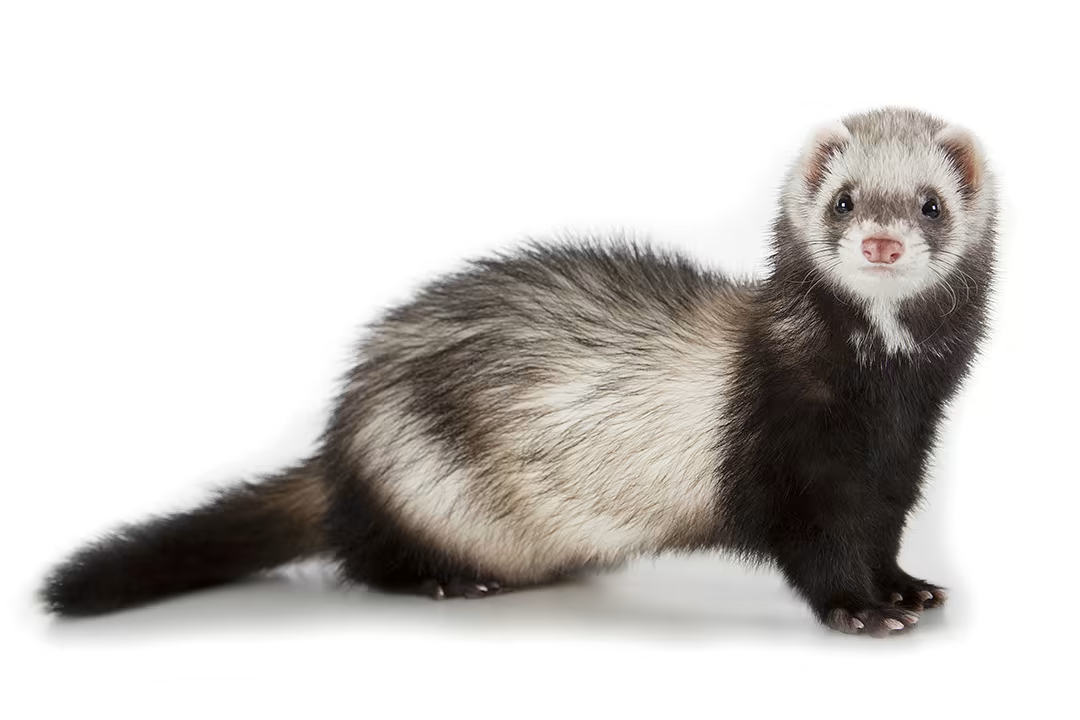
Learn how to care for a Ferret, recommended diet and habitat setup. Find the right food, supplies and equipment at your neighborhood Petco.
Updated on November 13th, 2025
Parrots and other birds use body language to communicate contentment, excitement, greetings, anger, distress warnings, illness, and territorial defense.
Updated on November 13th, 2025
Ditch the boring mealtime routine and try building a balanced bowl for your pet.
Updated on November 13th, 2025
Their diet in the wild is mostly insects and berries, so purchasing some live crickets from a local pet store, or some berries from your store and offering them may help get them used to what they would forage for in the wild as they get weaned off the kitten food (and can be fun to teach baby birds how to catch food with live insects.) If there isn't a wildlife rehab nearby (India does have several), you can also see if there is a vet or group in your area that does wildlife rescue that may be better equipped for caring for the birds and releasing them back into the wild once they are old enough.
Updated on August 12th, 2025
I am not sure what foods you have available in your area but my favorites are Lafeber Nutri-Berries/ Avi-Cakes and Mazuri small bird feed: https://lafeber.com/pet-birds/bird-food/classic-nutri-berries/ https://lafeber.com/pet-birds/bird-food/avi-cakes/ http://www.mazuri.com/mazurismallbirdmaintenance-2.5lb.aspx Fruits, vegetables and greens should account for approximately 20 - 25% of the daily diet. Avocado is reported to be potentially toxic so avoid feeding this. Fruits and vegetables must be washed thoroughly to remove chemicals. Cut them into manageable pieces depending on the size of the bird. It is not necessary to take the skin off. Offer fruits and vegetables in a separate dish. If your bird appears to develop a particular fancy for one food item, reduce its volume or stop feeding it temporarily to promote the eating of other foods. Treat your bird like a small child; offer a small piece of a variety of food items daily and never stop trying. Hope this answers your que
Updated on August 12th, 2025
If at first you don't succeed, try try again! Patience and retrying are your best bets. Birds can be picky eaters, and sometimes it takes several introductions of the same thing over and over before they decide to try (and like) it! You may want to try introducing those treats again at different intervals or times of day to see if they eventually start to check it out. In some cases, a bird may never be interested in it, especially if they weren't exposed to it when they were younger, and as long as they have a balanced diet otherwise, that is OK- toys or attention can work great for enrichment as well!
Updated on August 12th, 2025
Hand-feeding treats is actually the major way you can help to tame her. You /do/ want her to expect treats from you every time, because this teaches her that you are a positive thing to be around, instead of scary by chasing her with your hand or finger. So I highly recommend starting to hand-treat her or tossing a favorite treat every time you come by to visit. This can certainly help with bonding and positive experiences. In some cases, a bird may not bond very well with its owners, or may bond in other ways (singing, talking to you, dancing for you, etc). Even if she never decides to sit on your hand or cuddle, you can spend other ways bonding by playing with a toy, talking to her, offering treats, etc to let her know you enjoy being together.
Updated on August 12th, 2025
If you have a local pet store in your location, that's a great place to check for commercial bird foods. You may also need to check online if you don't have anything available. Cockatiel foods are often a blend of seeds and pellets that are nutritionally balanced. Millet seeds, and other small seeds, and some dried fruits and vegetables can also be substituted to balance the diet if a commercial brand isn't available. Fruits such as dried berries, applies, peach, can be tasty, and dried veggies such as spinach and other leafy greens make a great treat.
Updated on August 12th, 2025