Two Easy Ways to Start Earning Rewards!
Become a member today! Members-only pricing and offers, personalized care notifications, Vital Care points back on every purchase and more!
 Become a credit card member today!
Earn 2X Pals Rewards points at Petco
when you use Petco Pay!APPLY NOWLearn More About Petco Pay Benefits
Wet Cat Food
Get It Today



Understanding Wet Cat Food
Wet cat food provides high moisture and animal-based protein, both of which are essential for a cat’s nutritional needs. Formulated to support a carnivorous diet, wet cat food can be a flavorful and hydrating option for daily feeding. Below are some key features of wet cat food:
- High animal protein to support carnivorous diets
- Moisture content similar to wild prey (up to 75% water)
- Supports hydration through food, not just the water bowl
- Often more palatable for picky eaters
- Available in cans, pouches, trays, and variety packs
Choosing the Right Wet Food for Your Cat
With a wide range of wet cat food options available, it’s important to match the formula to your cat’s life stage, dietary preferences, and any sensitivities. Consider texture, protein source, and feeding format when comparing options. Many cat owners also consult with a veterinarian to select the best food for long-term wellness.
How to Balance Wet Food with Other Options
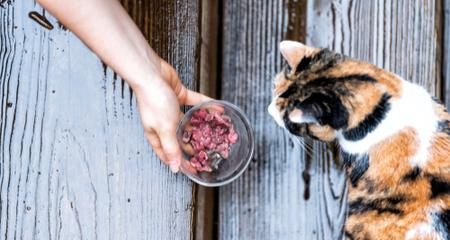
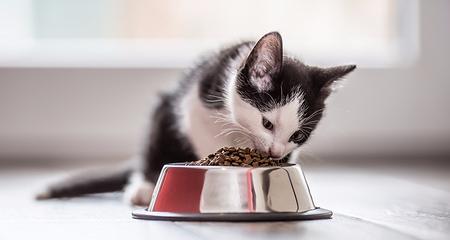
Many pet parents offer a mix of wet and dry food to meet different feeding goals. Wet food supports hydration and protein needs, while dry kibble can help with dental wear and grazing. Some also add raw food, toppers, or treats to diversify nutrition and keep mealtime engaging.
Frequently Asked Questions
-
Consult with a veterinarian to determine your cat’s nutritional needs. This amount will vary depending on what your cat’s diet may need. Most cat food packaging offers a feeding guide on the back to learn what you should be giving your cat.
-
Wet cat food should be thrown away after one to four hours depending on the temperature. Never feed your cat wet food that has been sitting out or stored improperly.
-
Cats can generally eat wet cat food daily. It’s best to discuss your cat’s diet with a veterinarian to ensure you are meeting their nutritional needs.
-
Consult with a veterinarian to discuss which form of cat food is best for your cat. Wet cat food can be more beneficial to cats with certain health and dietary needs.
-
The best wet cat food will vary based on your cat’s health, dietary needs, and daily activities. Consult with a veterinarian to discuss which cat food is best for your companion.