Two Easy Ways to Start Earning Rewards!
Earn 2X Pals Rewards points at Petco
when you use Petco Pay!
Get It Today
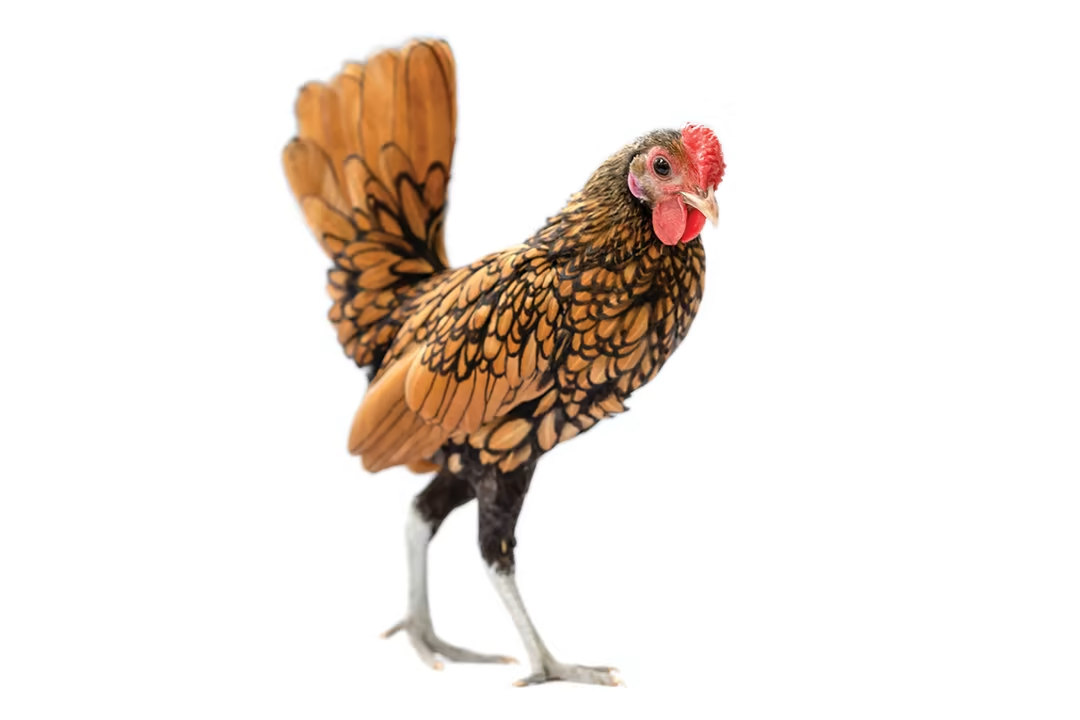
Learn how to take care of a Chicken, recommended diet and habitat setup. Find the right food, supplies and equipment at your neighborhood Petco.
Updated on October 23rd, 2025
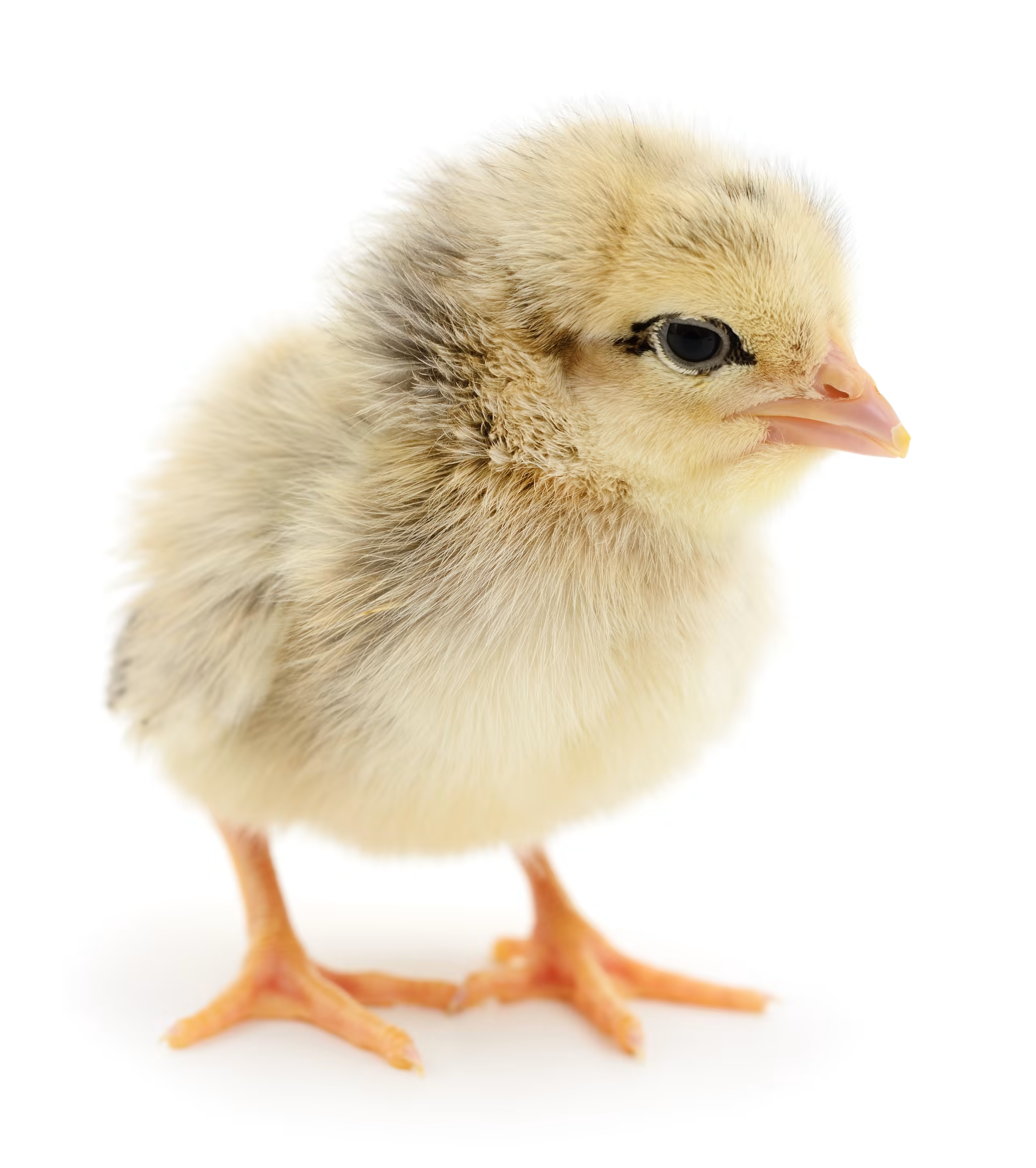
Learn how to take care of a Chick, recommended diet and habitat setup. Find the right food, supplies and equipment at your neighborhood Petco.
Updated on October 23rd, 2025
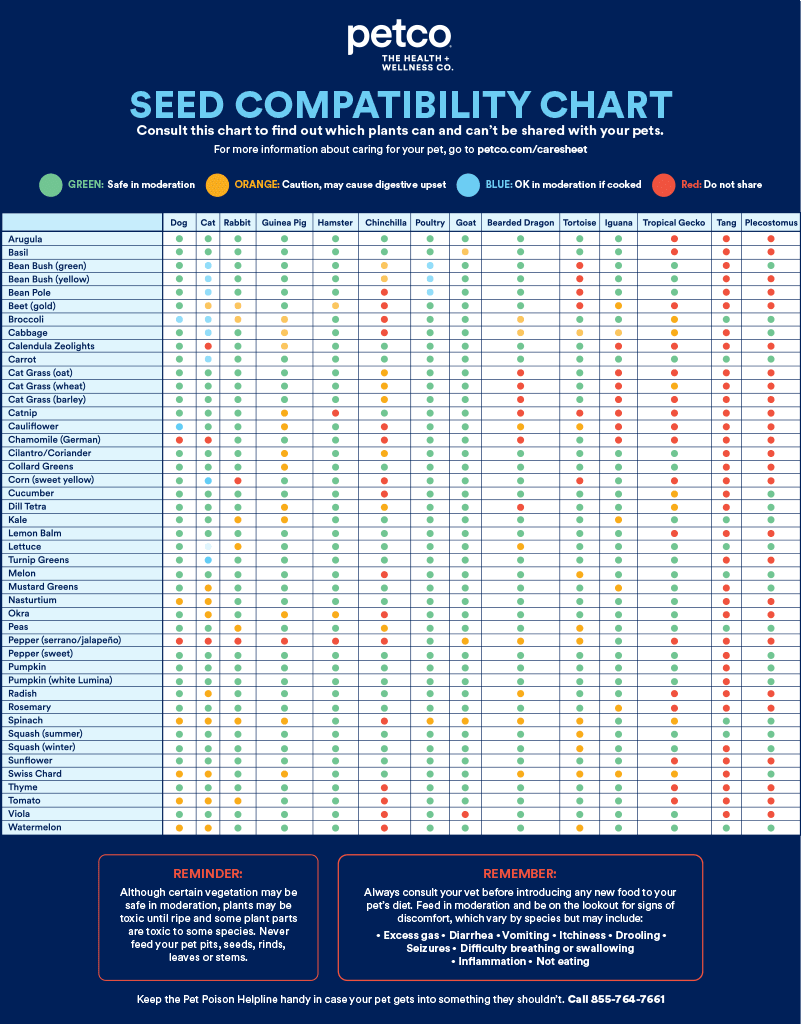
Discover how to plant a garden that’s safe and enjoyable for both you and your pets, featuring pet-friendly plants and gardening tips.
Updated on October 23rd, 2025
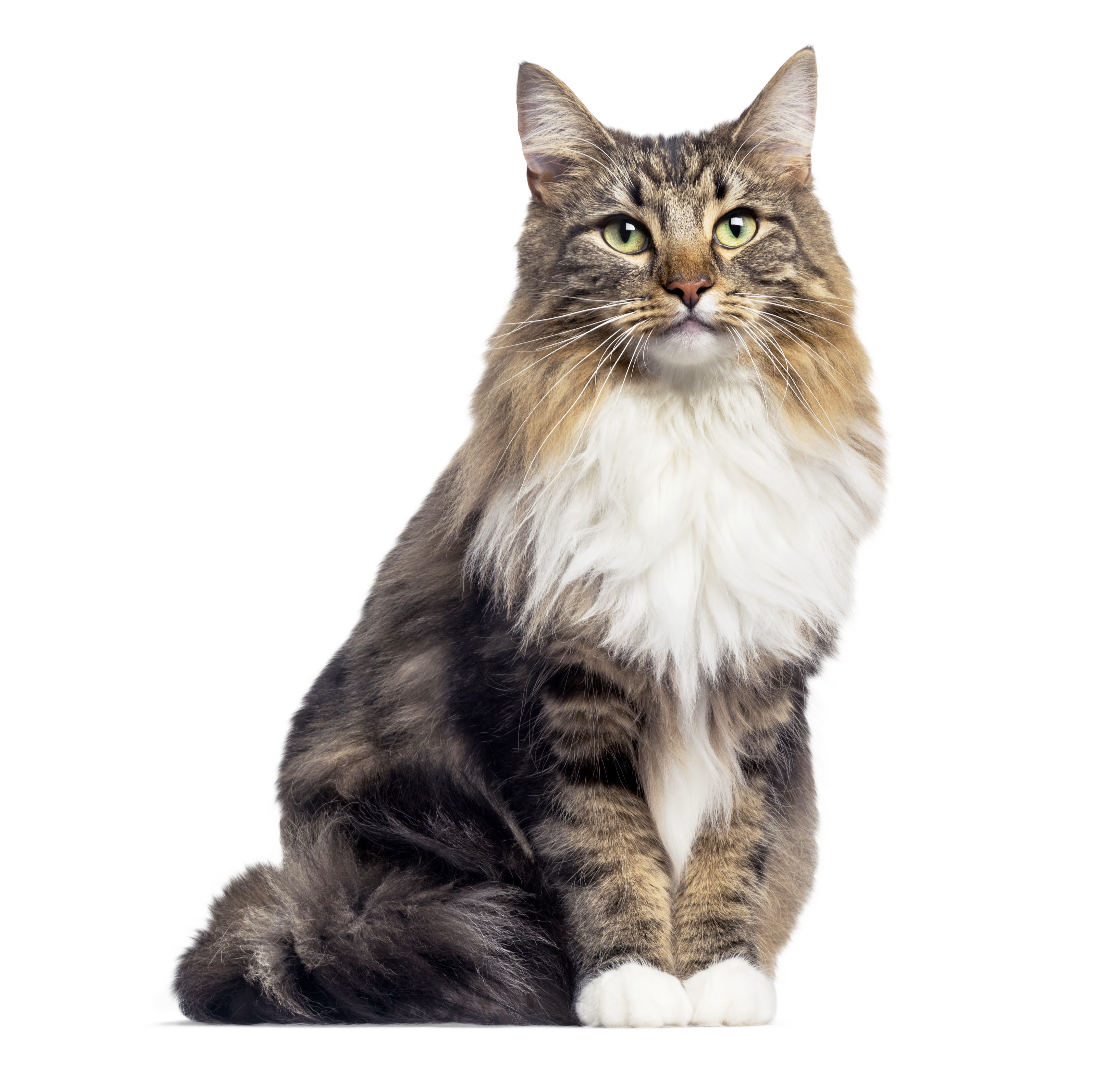
Learn how to care for your cat, recommended diet and grooming care. Find the right food, supplies and equipment at your neighborhood Petco.
Updated on October 23rd, 2025
Learn how to care for your dog, recommended diet and training. Find the right food, supplies and equipment at your neighborhood Petco.
Updated on March 5th, 2026
Unfortunately it is difficult to give specific advices without more clinical informations, I think a check up is immediately needed as these signs are quite concerning but generic. Differentials are many, from gastrointestinal diseases (infection/inflammations often dietary related) to any disease that can spread systemically (causing lethargy for example) like infection, and anything that can cause pain/discomfort. The approach must be logic, starting from offering different kind of food. A check up is needed if inappetence last for more than 24hours. Please do not hesitate to contact us again on the forum or by requesting a consultation if you have any more questions or to discuss it any further.
Updated on September 24th, 2025
Did the lamb get colostrum? If not, you need to call your vet out ASAP to get him some. There is a homemade recipe you can follow but sheep's colostrum is going to be best. It would be more helpful if you mentioned the lamb's age. Homemade colostrum substitute: 680ml cow's milk 1 x beaten egg 1x teaspoon cod liver oil 1 x teaspoon glucose -feed 50mls every three hours for the first 24 hours. If your lamb is small and weak feed smaller quantities (20-50 ml) more frequently (every 4 hours). This is not ideal and does not contain the antibodies that are passed to the lamb through the colostrum, but if you don't have colostrum it can give the lamb an energy boost and it will help him pass his first stool. After he has had a day of colostrum, your lamb will need to go onto a normal sheep's milk substitute. If you find an orphaned lamb and do not have any sheep milk replacement, you can feed the lamb full cream powdered milk until you can buy some. You can feed warmed pasteurised full cr
Updated on September 24th, 2025
If you are supplementing her with hay or grains this decrease in milk consumption can be normal, particularly around 6 weeks of age. Potential problems could be associated with digesting the milk or milk replacer causing symptoms of pain and cramping in the digestive tract. If you are noticing diarrhea or soft stools this is very possible. I recommend whole goat's milk as the best milk to feed a lamb until it is weaned. If you can not get goat's milk, then be sure you are using a milk replacer for sheep and try to avoid any soy containing milk replacer. Feeding the milk at room temperature or slightly warmer is best for the GI tract as well. If your lamb stops eating or drinking everything offered I recommend having your veterinarian exam it ASAP as juvenile lambs can decline very quickly.
Updated on September 24th, 2025
Flystrike - insecticides Mastitis - antibiotics Foot rot - foot trimming, foot baths/foot soaks, dry chemicals, oral therapy, antibiotics Fleas - spot on treatments (such Revolution or Advantage) or oral treatments (Nexgard, Bravecto) for cats and dogs, pour ons for cattle and sheep Worms - deworming treatments (the type depends on the animal Abscesses - drain and flush, antibiotics
Updated on September 24th, 2025
With all the information you have provided, this situation sounds very suspicious of a Barber Pole Worm infection, also known as haemonchus contortus. It is a parasite that infects the digestive tract and feeds off the the sheep's blood. Sheep can become anemic and die very quickly. My recommendation is to have your veterinarian perform fecal sampling on your herd. If eggs are present in the feces for this parasite your veterinarian will need to reassess your parasite control program.
Updated on September 24th, 2025