Two Easy Ways to Start Earning Rewards!
Become a member today! Members-only pricing and offers, personalized care notifications, Vital Care points back on every purchase and more!
 Become a credit card member today!
Earn 2X Pals Rewards points at Petco
when you use Petco Pay!APPLY NOWLearn More About Petco Pay Benefits
Filefish
Get It Today


Related Articles & Questions
- New Pet
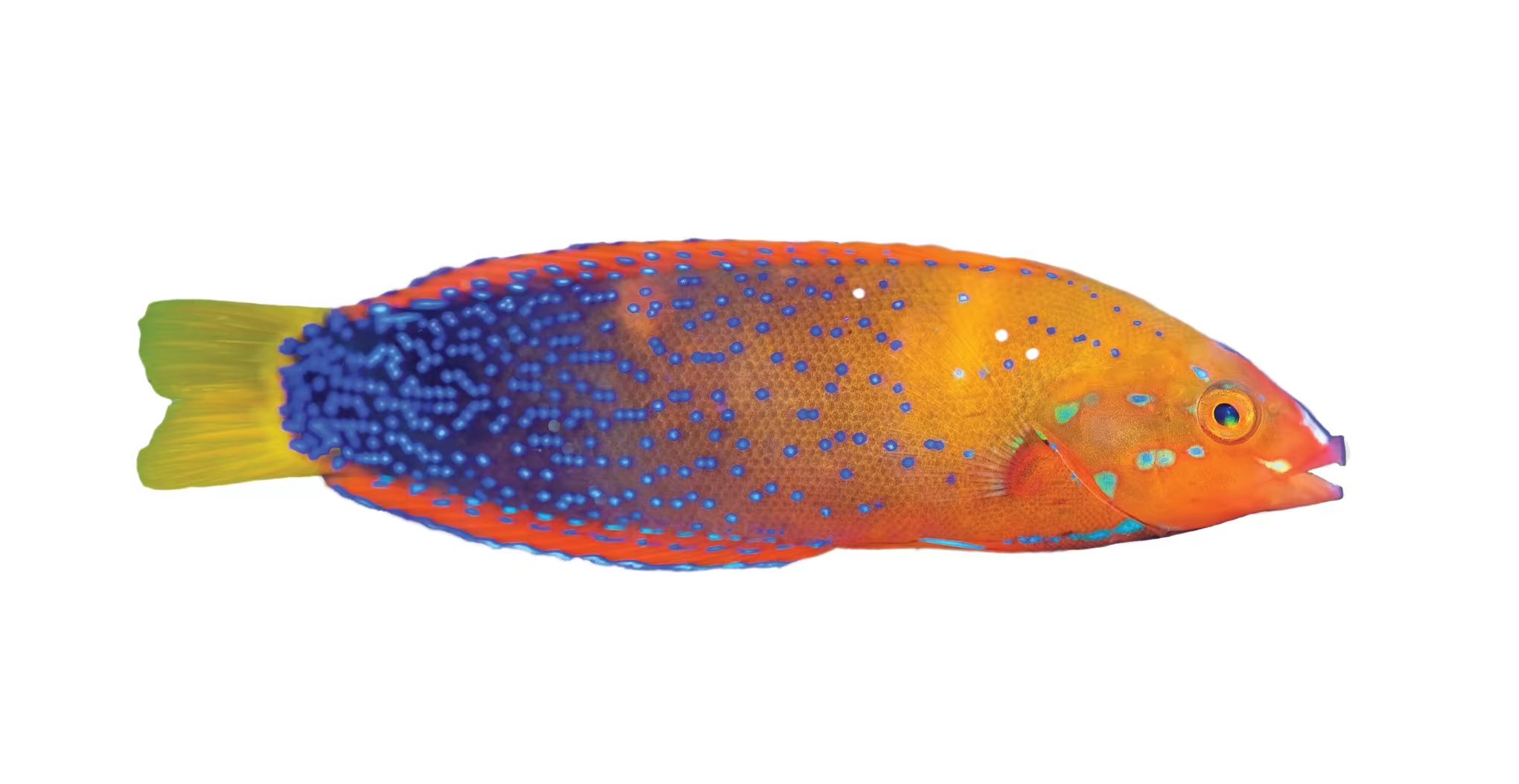
Ultimate Wrasse Care Guide: Tank Setup, Feeding, & Compatibility
Learn how to care for a wrasse, recommended diet and aquarium setup. Find wrasse for sale, supplies and equipment at your neighborhood Petco.
Updated on November 13th, 2025
- New Pet
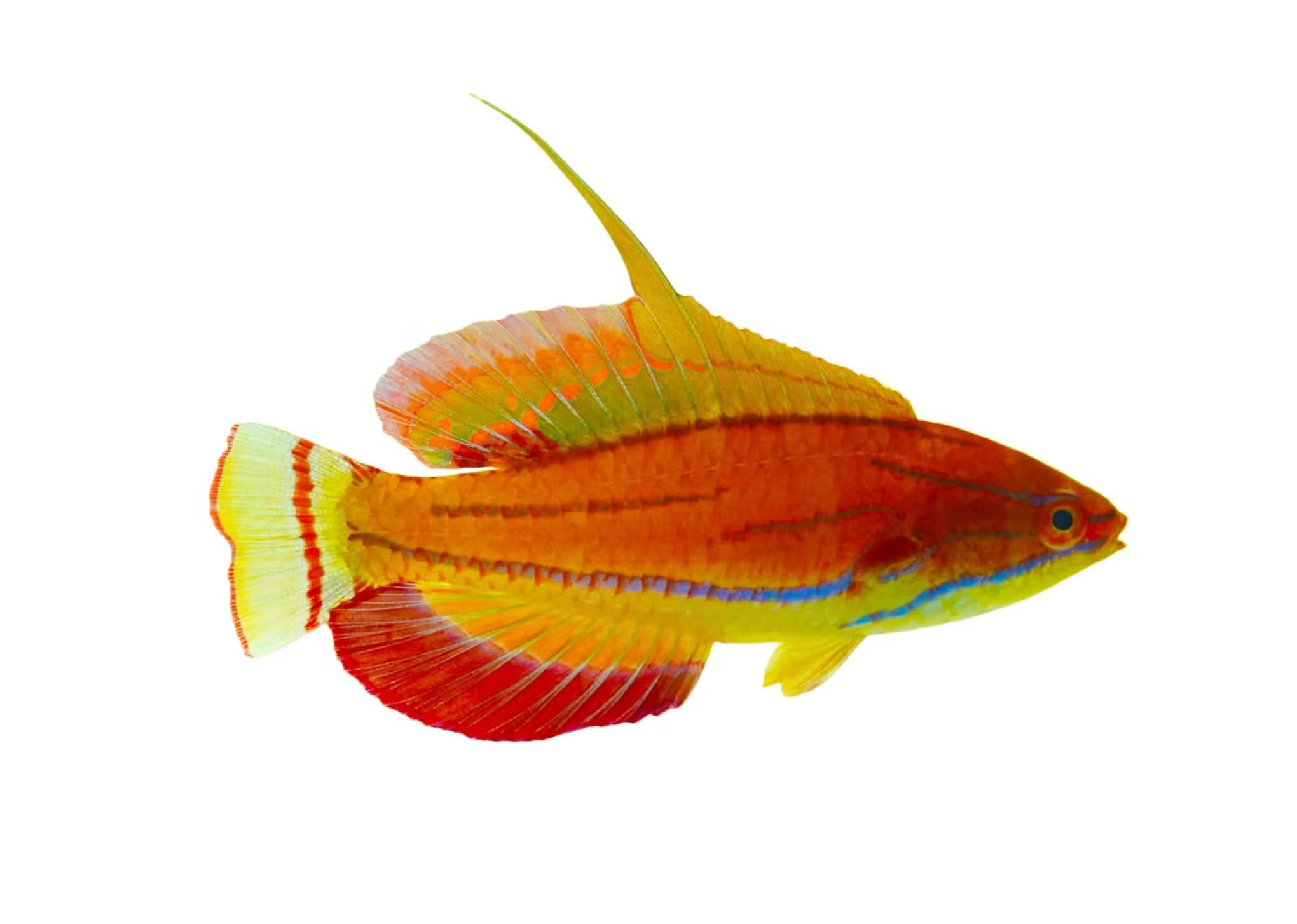
Ultimate Reef-Safe Wrasse Care: Tank Setup, Food & Compatibility
Learn how to care for a reef-safe wrasse, recommended diet and aquarium setup. Find wrasse for sale, supplies and equipment at your neighborhood Petco.
Updated on November 13th, 2025
- New Pet
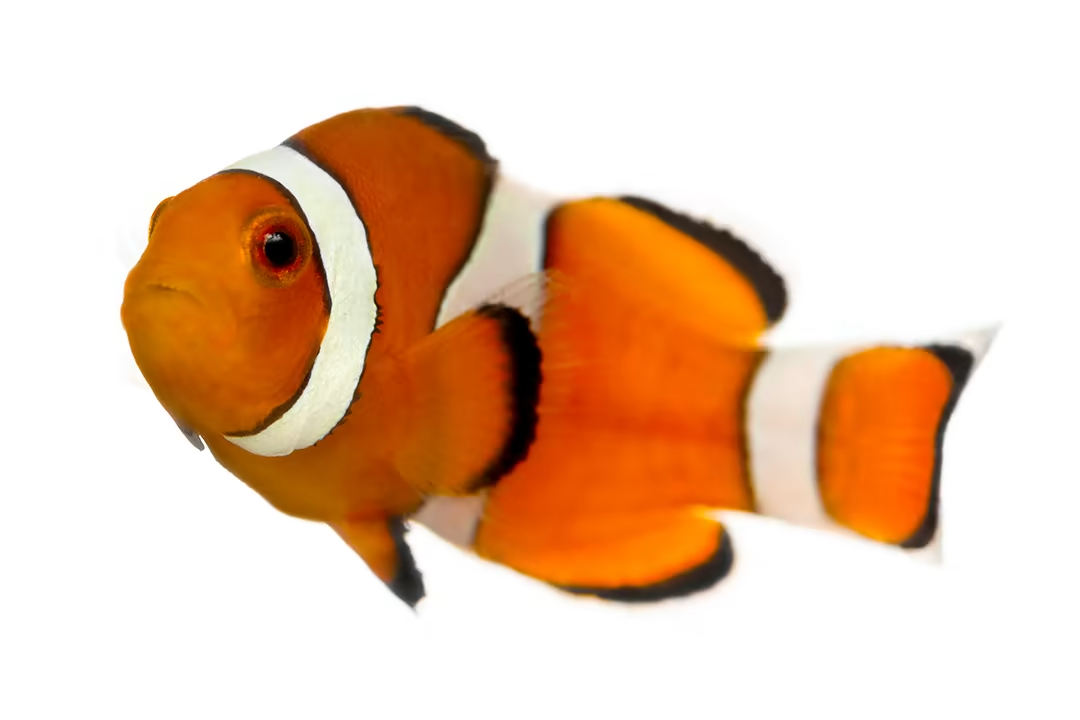
Clownfish Care: Your Easy Guide to Tank Setup, Food & Compatibility
Learn how to care for a Clownfish, recommended diet and aquarium setup. Find Clownfish for sale, supplies and equipment at your neighborhood Petco.
Updated on November 13th, 2025
- New Pet
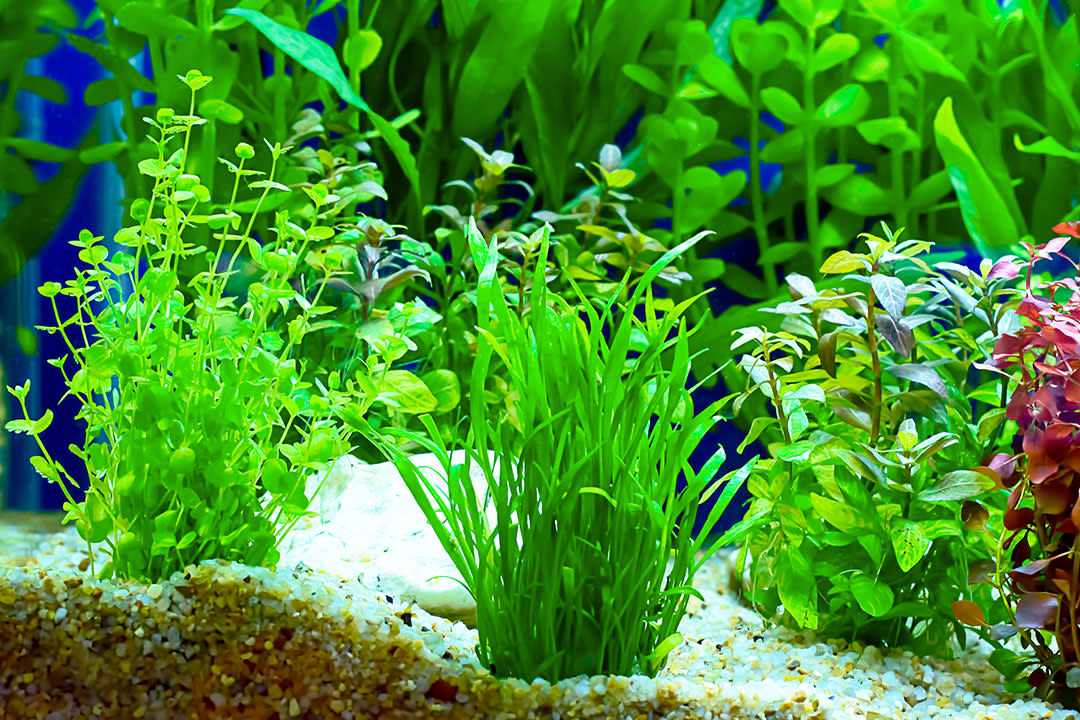
Master Aquatic Plant Care: Lush Aquarium Plants & Happy Fish
Tanks with live plants can be excellent additions to your home, bringing a touch of nature indoors. Learn how to take care of aquatic plants.
Updated on November 13th, 2025
- New Pet
Brackish Water Fish Care: Your Complete Guide to Tank, Food & Species
Learn how to care for brackish water fish, recommended diet & aquarium setup. Find the right food, supplies & equipment at your neighborhood Petco.
Updated on November 13th, 2025
- Health & Wellbeing
I went on vacation and put a vacation feeder in the tank when I came home his tank was a sandy color. After cleaning his tank complete I put him back in and after that he hasn't been the same going on a week with out eating. What did I do wrong? Now
Check the water chemistry. Confirm ammonia and nitrite levels are 0.25ppm or less and nitrates are 40ppm or less. Use a liquid test kit or submit a sample for testing. Most pet stores or aquarists will do this for free or for a small fee. Partial water changes, about 30% can be done to decrease high levels. Use only aged or conditioned water that is temperature matched to prevent further stress or shock. My preferences for water conditioning are AmQuel Plus and NovAqua in addition to StressCoat. Confirm water temperature between 78F and 80F. You can soak pellets in some garlic juice to stimulate his appetite.
Updated on August 12th, 2025
- Health & Wellbeing
Hello. Can I feed a figure 8 pufferfish live or dead meal worms? Or frozen thawed tilapia? Live feeder fish? Ghost shrimp? Thanks!
Thanks for reaching out about your pufferfish. Meal worms are bags of fat and should be used as treats only. Frozen thawed tilapia is okay, but no bones thus a reverse calcium-phosphorus ratio. Ghost shrimp okay, live feeder fish okay but pufferfish not super fast. Small clams or snails are a good source as also require chewing to get into. Pufferfish have dentition that can overgrow is not chewing a lot. Good luck.
Updated on August 12th, 2025
- Health & Wellbeing
My 8 year old comet esco is getting these white spots on his back. He is a white spot survivor, but this does not look like white spot. In the pictures below, their is a shiny pink/ white growth on his tail, head back fins ect. He is eating and s
It could be early ich (white spot) infection or another infection (bacterial or fungal). To be safe, separate him into a quarantine tank and monitor for any change. You can treat for ich as you did it in the past if indicated. Bacterial and fungal infections have different treatments, so I would be hesitant to recommend a specific medication without more information or a definitive diagnosis. You can use plain aquarium salt (NOT table salt or Epsom salt). As a general tonic to reduce stress, increase gill function, treat minor infection of many types and to aid in recovery. This can be added to the quarantine tank at 1 teaspoon per gallon of water. Treat for 10-14 days then reassess the condition.
Updated on August 12th, 2025
- Health & Wellbeing
Hi, I bought 6 platy fish and a black corydora catfish about 2 weeks ago, all seem in good health bright colours and swimming round as normal they are in a 48l tank which the pet store said was a big enough tank for them all, but one of them seems to
It doesn't look like Ich in the images provided. Ich will appear as multiple white dots the size of salt grains on the fish. The fish will "flash" or dart about the tank and rub on objects due to itching. The fish may have an infection or the loss of scales may be due to trauma from other fish. Consider separating the affected fish into a separate tank to recover. If this is not possible, maintain pristine water quality in the main tank and consider a broad spectrum antibiotic. You can find one in the aquarium section of the local Petco. Follow label directions carefully and remove the carbon filter insert during treatment if indicated. You are likely at the maximum number of fish in the tank. As they grow, they shouldn't get bigger than 2 - 2.5 inches, and reach adulthood you may need a larger tank or you may need to separate them.
Updated on August 12th, 2025
- Health & Wellbeing
My fish has a spot near the head that is missing scales and I'm not sure if it is because of an attack of because it is sick... the stomach seems to be sticking out a little and there is a little spot on the tail. Again I am not sure if this is becau
Cichlids can become aggressive when breeding, so if you have more than one male in your tank the spot in question may be an injury. As long as the aggressive behavior stops, the fish should heal. Minor infection can usually be managed by maintaining water quality and water parameters. Test the water to rule out elevated ammonia or nitrite levels. Partial water changes can be done if levels are above 0.25ppm (parts per million). A bit of plain aquarium salt (NOT table salt) can be used as a general tonic to improve gill function, treat minor infection, reduce stress and aid in recovery. Dissolve 1 teaspoon of aquarium salt in a cup of tank water and gently pour it into the tank. Treat for 10-14 days adding just enough salt to replace the water being changed. If the condition spreads, separate the fish out to a hospital tank and use a broad spectrum antibiotic. You can find one in the aquarium section of the local pet store. Follow label directions carefully and remove the carbon filte
Updated on August 12th, 2025