Two Easy Ways to Start Earning Rewards!
Earn 2X Pals Rewards points at Petco
when you use Petco Pay!
Get It Today
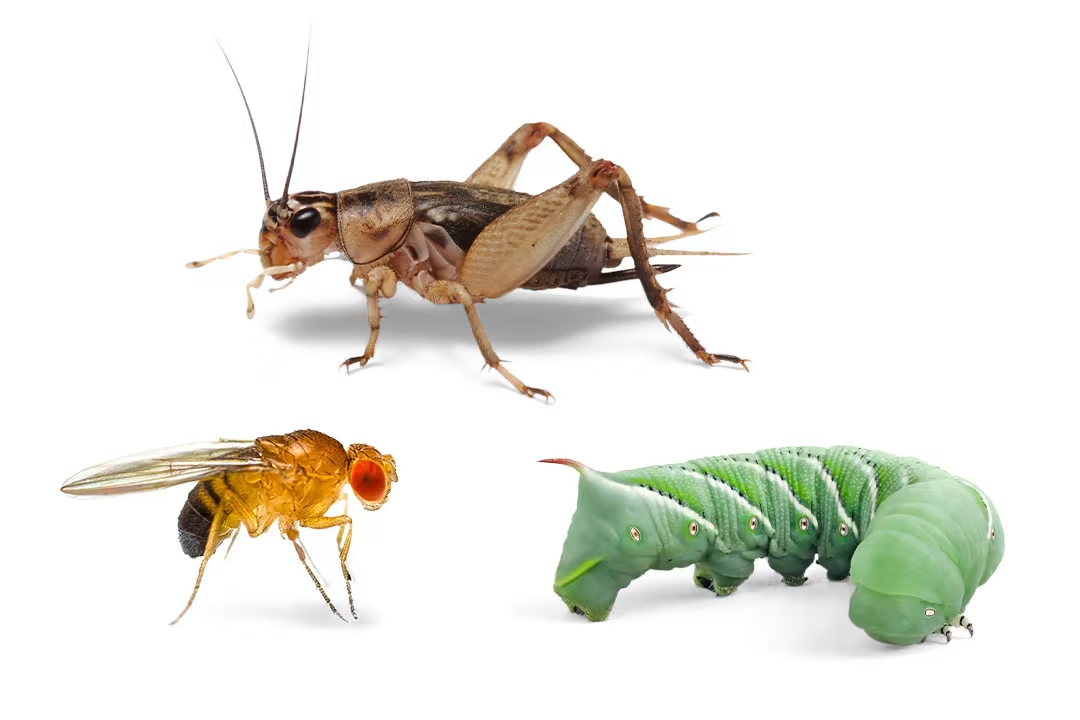
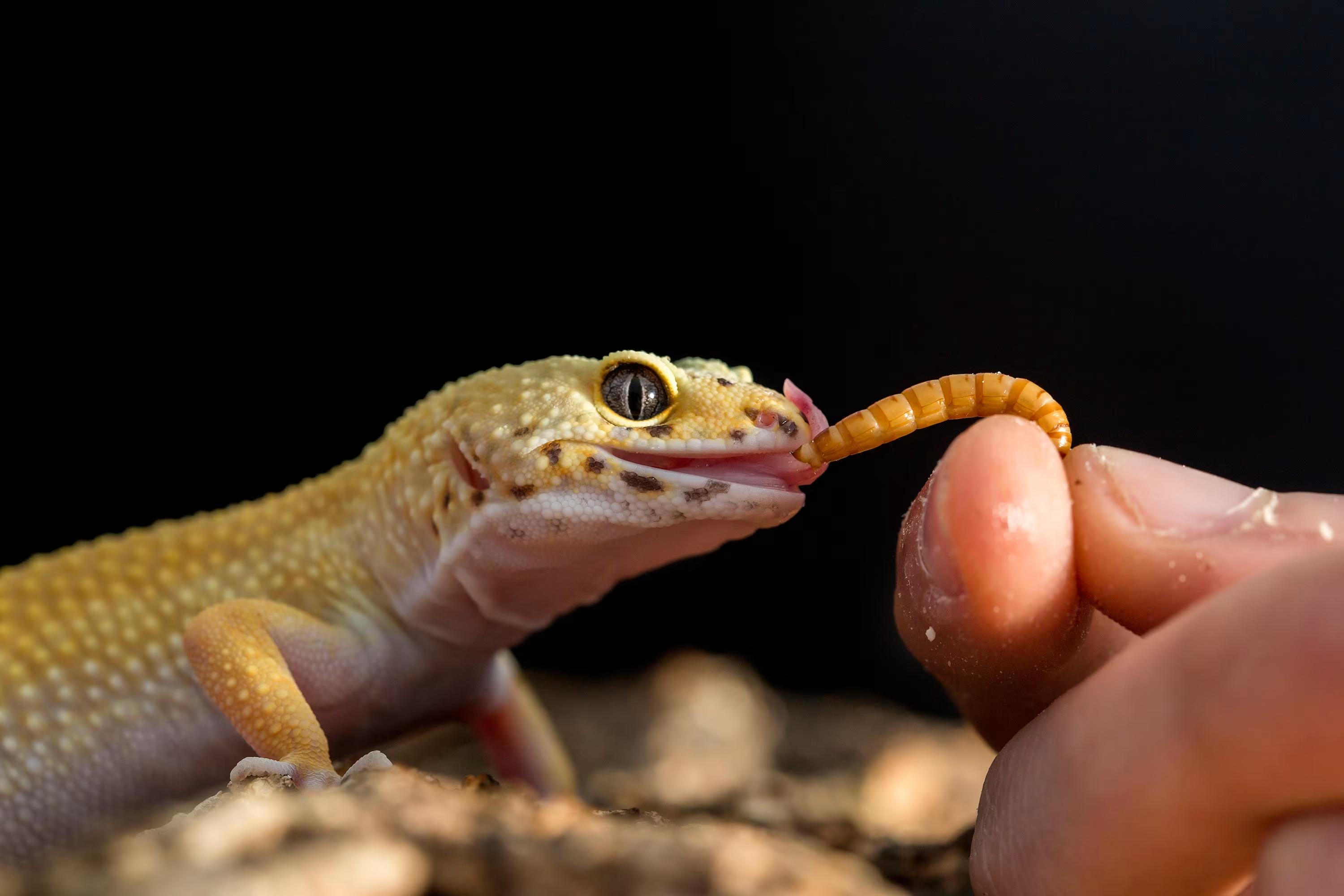
Learn about live insects for reptile feeding, recommended diet & habitat setup. Find the right food, supplies & equipment at your neighborhood Petco.
Updated on November 13th, 2025
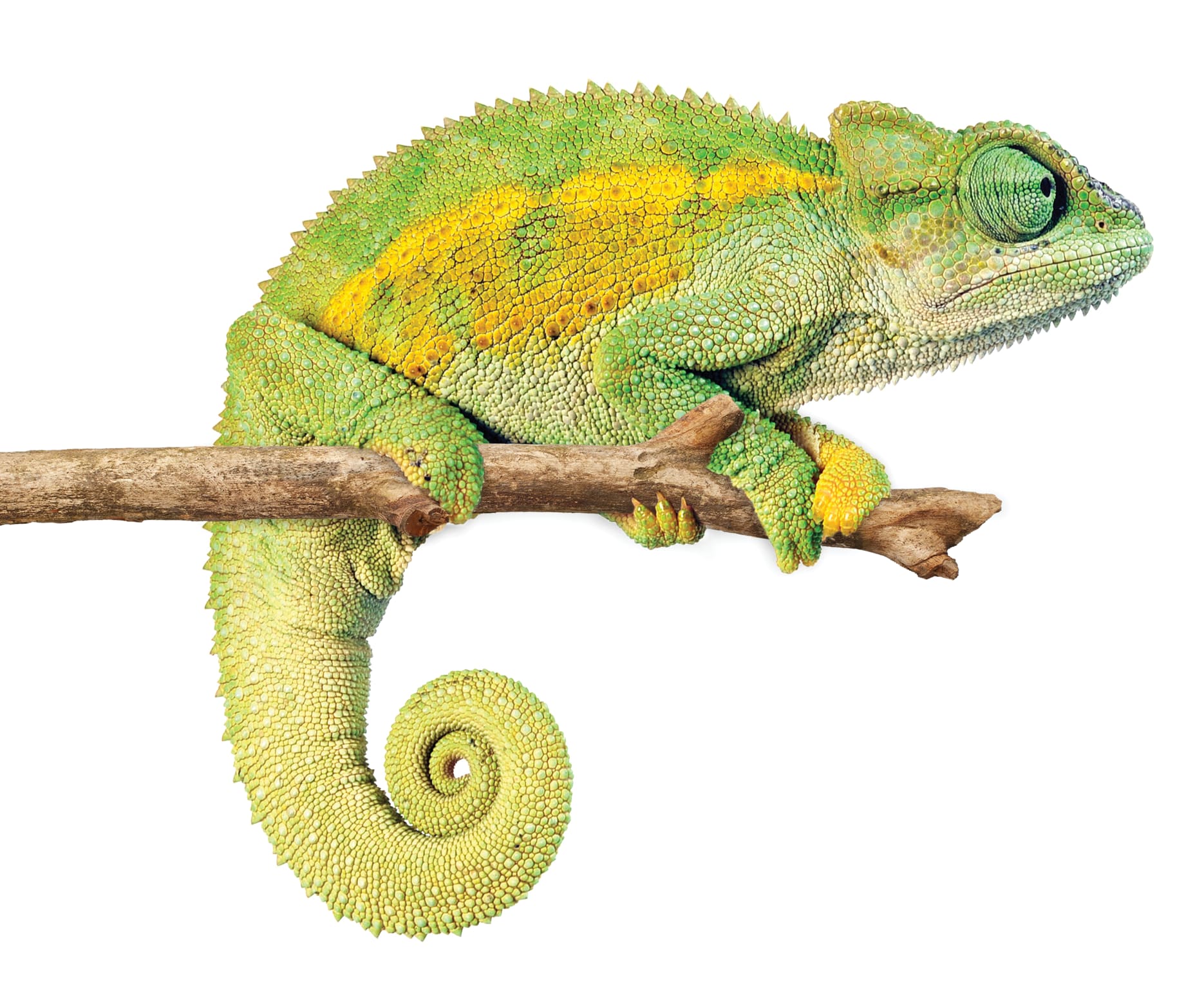
Learn how to care for cool climate Chameleons, recommended diet & habitat setup. Find the right food, supplies & equipment at your neighborhood Petco.
Updated on November 13th, 2025
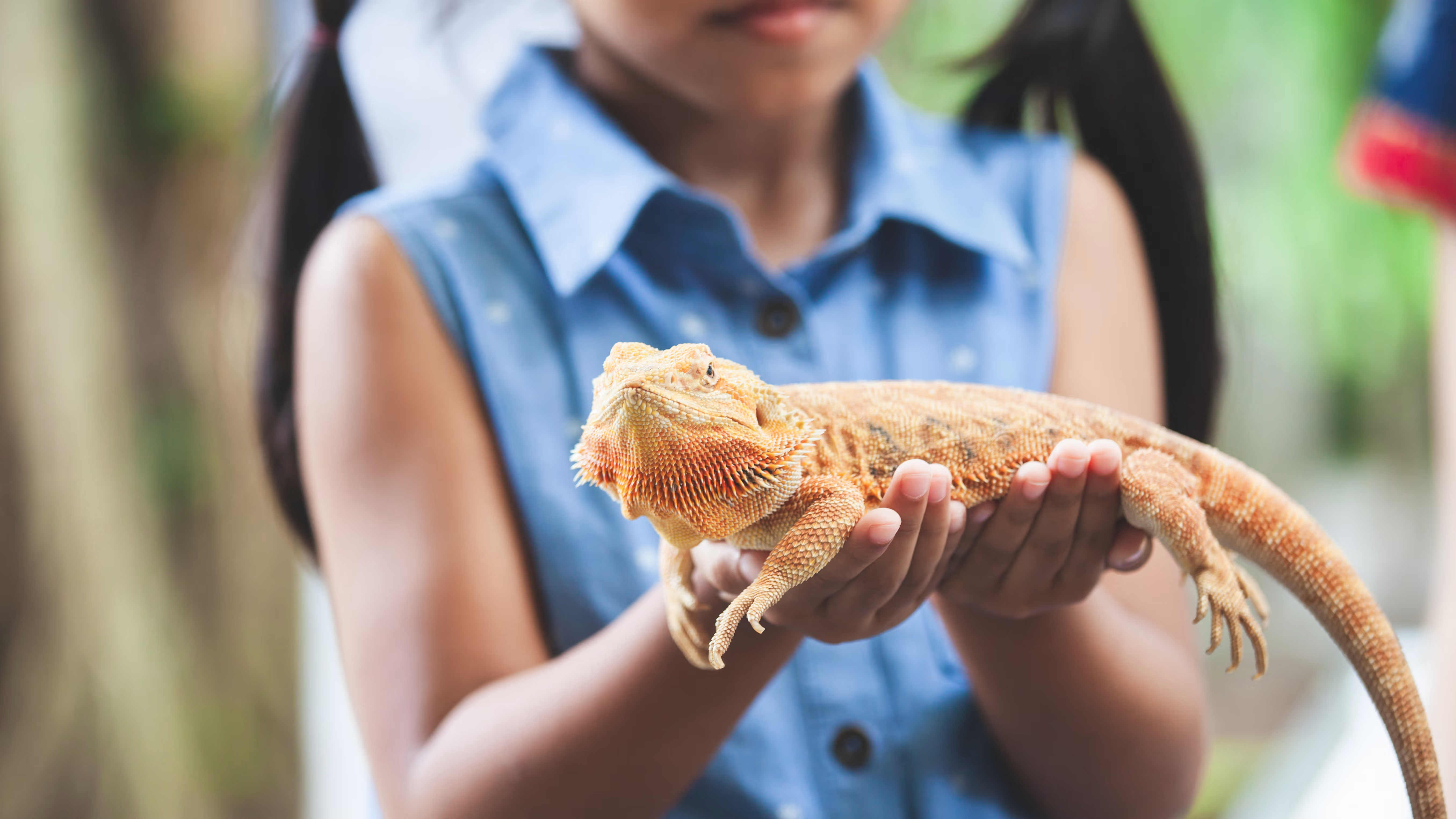
Read these guidelines about handling reptiles to provide a safe and fun environment for your pet, friends and family.
Updated on November 13th, 2025
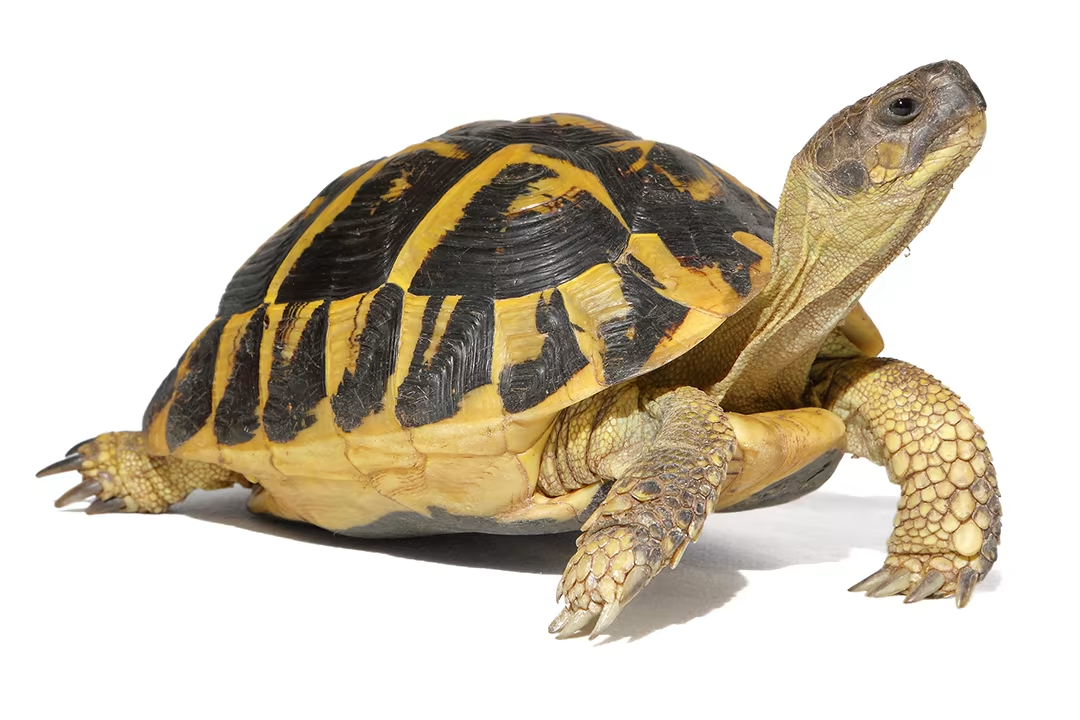
Learn how to take care of your Hermann's Tortoise, tank size, diet & habitat setup. Find the right food, supplies and equipment at your neighborhood Petco.
Updated on November 13th, 2025
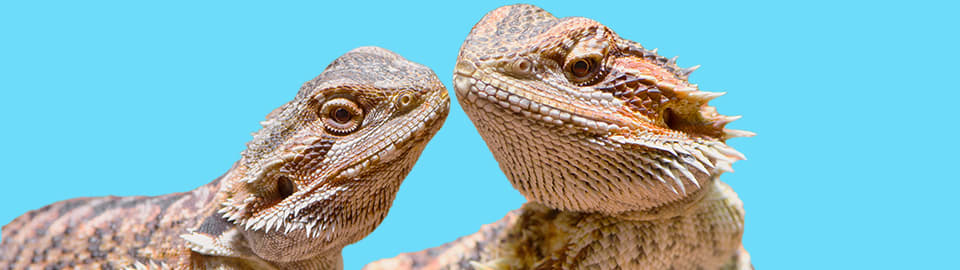
Do you want to know if your bearded dragon is a male or female? Visit Petco to learn how to identify the sex of your bearded dragon.
Updated on November 13th, 2025
Thanks for your question about Smaug, and thanks for the photo as well! I think that you have a good start to your set up, and that we can tweak a few items. First, your lighting situation appears adequate - I see a UVB light (please change this bulb every 4-6 months), a basking light, and a ceramic heat bulb. I would ensure that your temperatures are appropriate for this species, and that you are monitoring them using digital thermometers (I think that you see both a digital and analog thermometers currently) at the level of Smaug. Analog thermometers are inaccurate, so I don't recommend using them (also, they are high up on the sides of the enclosure, so they wouldn't be giving an accurate temperature read for Smaug). For the cage furniture that you have, I like that you have places for Smaug to climb and hide. However, I would recommend having a hide on both the warm side of the enclosure and the cool side so that Smaug has choices. Same for the climbing structures. I may have misse
Updated on August 12th, 2025
Confirm proper temperature and humidity. Incorrect environmental parameters may lead to respiratory infections. Provide adequate UVB lighting or unfiltered sunlight also. UVB light is critical to vitamin D metabolism and general health. Dragons cannot vomit and coughing may indicate an upper respiratory infection. This can be serious if not treated appropriately and promptly. Legally, we are prohibited from providing doses for medications in the absence of a physical exam and VPCR (veterinarian-patient-client relationship). Your veterinarian should be able to consult with a reptile specialist via phone or online and can then dispense or administer medication if indicated. You can review dragon care at the link below. www.anapsid.org/bearded.html
Updated on August 12th, 2025
If he is weak, then yes, remove any climbing branches to prevent falls. You can soak him in a warm 50/50 solution of water and unflavored PediaLyte. This will provide warmth and may treat or prevent minor dehydration. Repta-Boost is an excellent supplement, however you should still provide a powdered multivitamin and calcium supplement. Also, replace the UVB light if it is old.
Updated on August 12th, 2025
Choose the largest cage your space and budget will allow. At minimum, a 55 gallon enclosure should be considered. Acceptable substrates include slate, reptile carpet, decomposed granite or large gravel. Yes, setting up a bio-active environment for beardies is possible. It will take a bit of research and effort to get it right.
Updated on August 12th, 2025
Confirm proper enclosure temperatures. Young dragons need warmer temps than adults. You can review care and feeding at the link below. http://www.anapsid.org/bearded.html Soak him in a warm 50/50 solution of water and unflavored PediaLyte for 20-30 minutes daily. This will provide warmth and hydration. be careful when feeding or administering water by syringe, you can easily cause him to aspirate fluids into his lungs which will cause respiratory infection. Fluker's Repta Boost is another supplement that can be used if the EmerAid is not sufficient. Submit a stool sample to your veterinarian to diagnose intestinal parasites.
Updated on August 12th, 2025