Two Easy Ways to Start Earning Rewards!
Earn 2X Pals Rewards points at Petco
when you use Petco Pay!
Get It Today
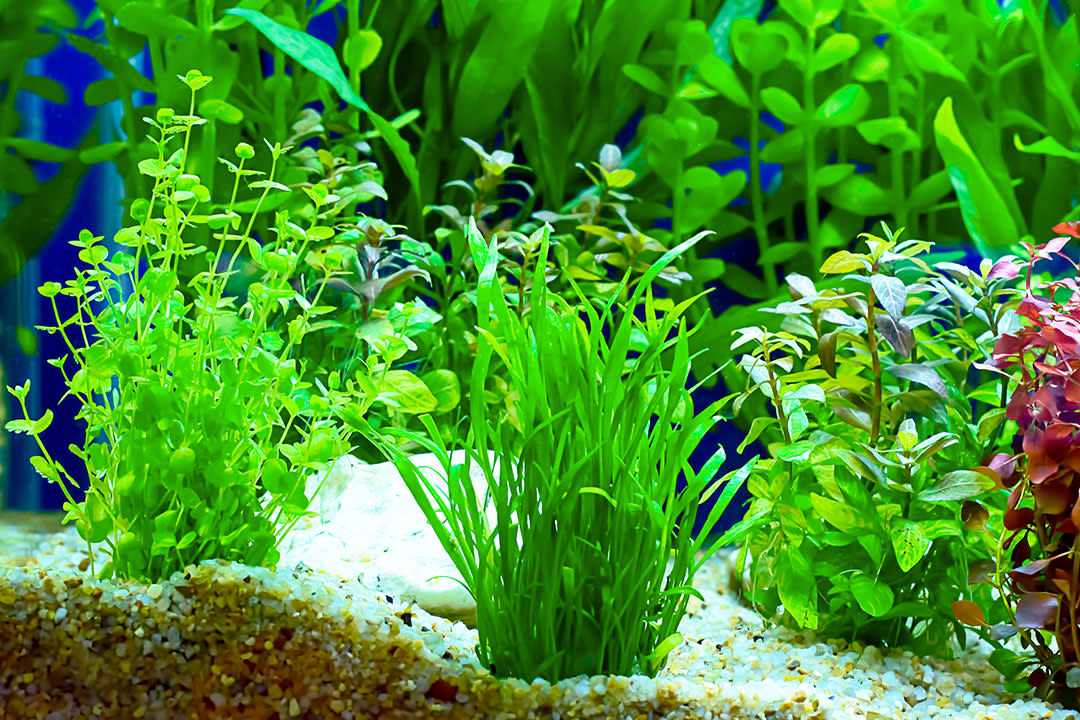
Tanks with live plants can be excellent additions to your home, bringing a touch of nature indoors. Learn how to take care of aquatic plants.
Updated on November 6th, 2025
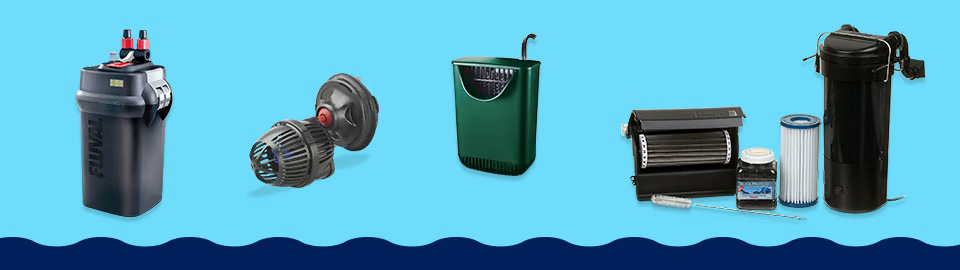
Discover the fish tank filter system that’s right for your aquarium. Learn about mechanical, chemical, and biological filtration at Petco.
Updated on October 23rd, 2025
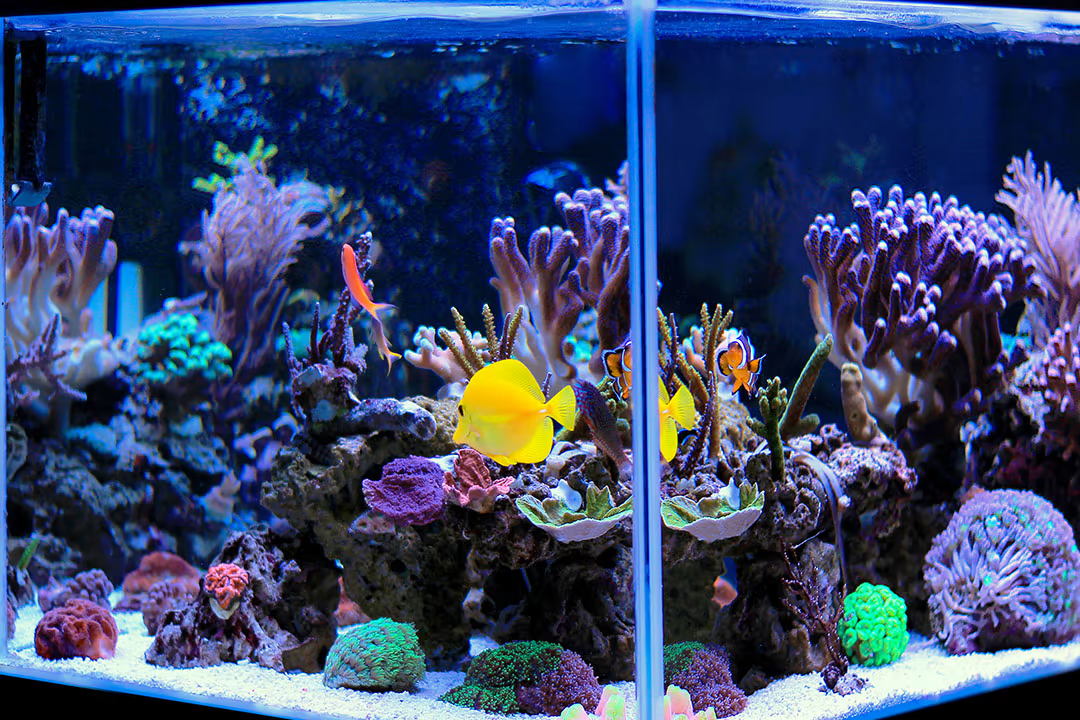
Learn how to set up a saltwater fish tank and key considerations regarding placement, supplies needed, and the overall set up process.
Updated on October 23rd, 2025
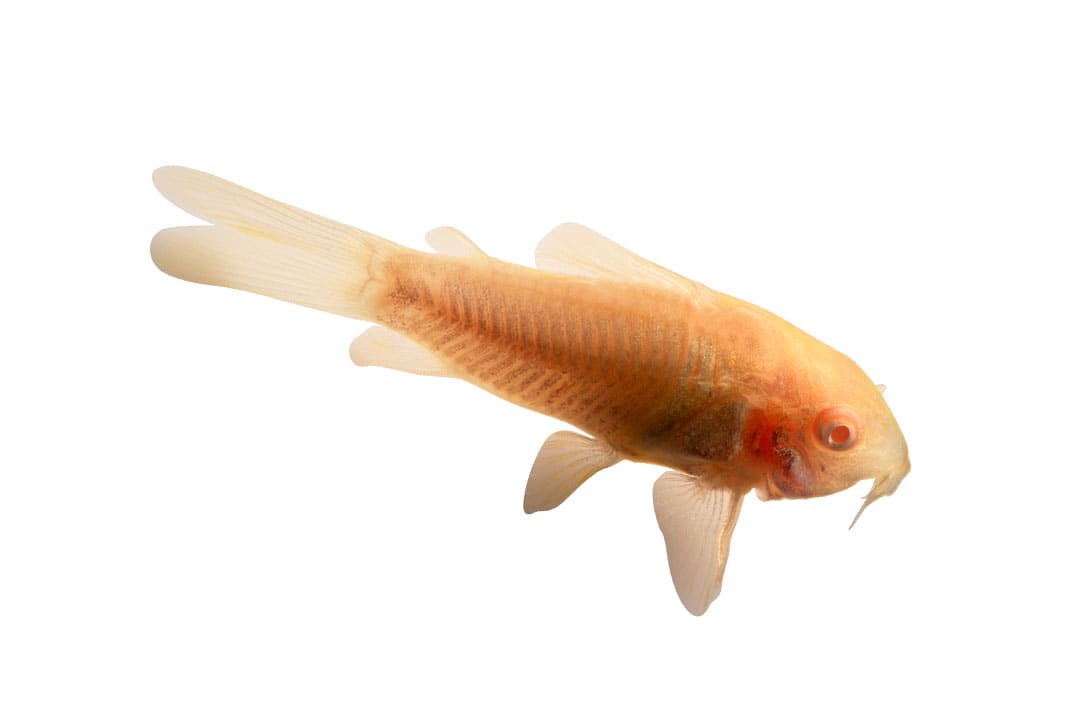
Learn how to take care of Catfish, recommended diet and tank setup. Find the right food, supplies and equipment at your neighborhood Petco.
Updated on October 23rd, 2025
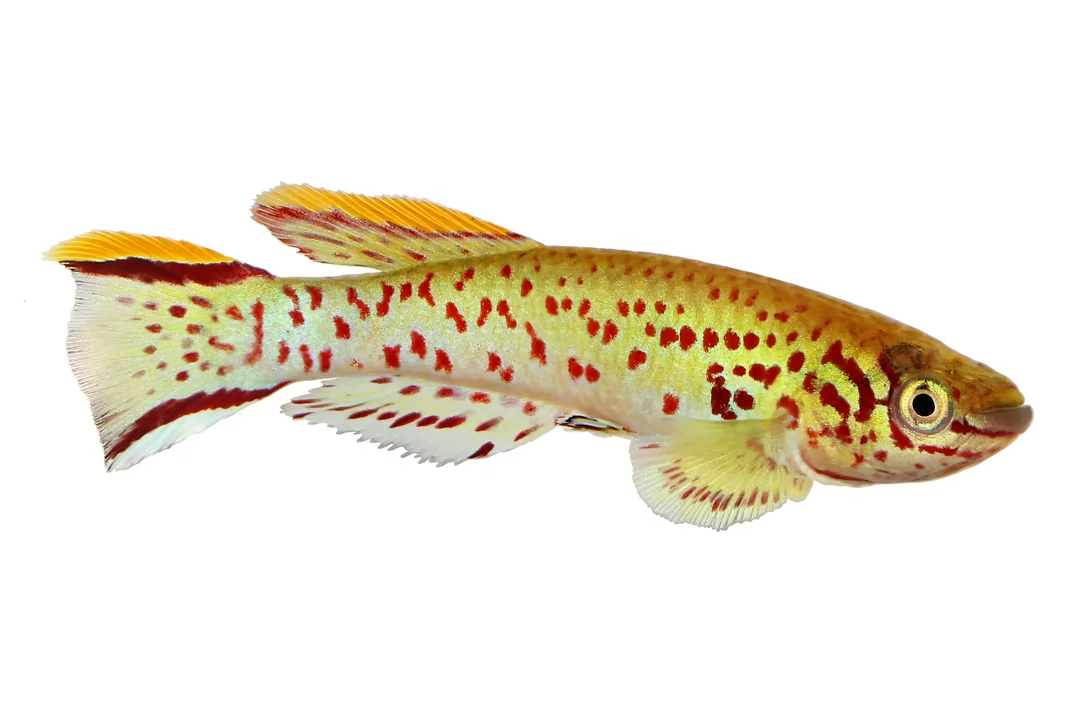
Learn more about Killifish and their care to see if they are the right aquatic life to begin or add to your aquarium.
Updated on October 23rd, 2025
Hello, and thank you for using Boop by Petco. The most common (and easiest) way to clean a fish tank is with a siphon-style cleaner. Fish tanks should be cleaned in stages, generally replacing 10-15% of the water at a time. There are times where a larger cleaning might be necessary, but removing the fish and changing too much of the water at once can be quite a shock and can be dangerous to the fish, so this should be saved for only extenuating circumstances. Here's a helpful video on using a siphon cleaner: http://video.petco.com/v/18852/how-to-clean-your-aquarium-with-the-aqueon-siphon-vacuum-/ And some more reading you may find interesting on general fish tank cleaning and maintenance: http://www.firsttankguide.net/waterchange.php Hope this helps!
Updated on September 24th, 2025
How frequently to change the filter depends on what type of filter you have. There are mesh filters that filter large particles of uneaten food, feces, etc. - these often just need to be rinsed to remove the material and that is it. If they get damaged in any way, that is when they need to be replaced. Other filters that remove toxins - often carbon filters or ammonia filters, have a set time frame that they should be changed with. This time frame is often set by the manufacturer, and usually ranges between 1-3 months, but you can look at the package or talk to the pet store where you purchased it for more guidance. The biological filter, which is made up of a surface for bacteria to live on, usually don’t need a great deal of cleaning as you can kill all of the good bacteria. I hope that helps to answer your question - if you need further assistance, I would recommend a store with fish experience, or we can do a consultation together here as well! Good luck!
Updated on September 24th, 2025
I would recommend to have the water completely changed. New water should be ideally submitted for quality testing. Most pet stores will do this for free or a nominal fee. High ammonia levels, PH imbalances may be responsible for that as well. Oxygen concentration and quality of the filters should be determined as well. Please do not hesitate to contact us again on the forum or by requesting a consultation if you have any more questions or to discuss it any further.
Updated on September 24th, 2025
If left untreated, ich will eventually kill. It can weaken the fish after which infection will set in and finish it off. It is also possible the fish were killed if a water change was done as part of the cleaning. Aged or conditioned water should always be used to avoid exposing fish to harmful chemicals, mainly chloramines, many municipalities use in treatment. Water that is not temperature matched can cause shock which will also kill fish. If can be treated by gradually raising the water temperature over 24 hours to about 85 F. Ich is temperature sensitive, this the warm water will speed up the life cycle. Once the "dots" fall off your fish, vacuum the substrate and then use a commercial ich treatment. Leave the temp at 85 F for 2-3 weeks to clear the tank. Afterwards, gradually decrease temperature to the proper temperature for your species of fish.
Updated on September 24th, 2025
The best and safest method is through daily partial water changes, about 30-40% of total tank volume. Use only aged or conditioned water that is temperature matched to prevent stress or shock. Recommended water conditioners are AmQuel, NovAqua and StressCoat. These can be purchased online or in most pet stores or fish stores. A home test kit should be used to monitor levels. If a tank is properly cycled, beneficial bacteria will break down these toxins. Overfeeding, excessive light or heat and dead plants can cause spikes in ammonia and nitrite levels.
Updated on September 24th, 2025