Two Easy Ways to Start Earning Rewards!
Earn 2X Pals Rewards points at Petco
when you use Petco Pay!
Get It Today
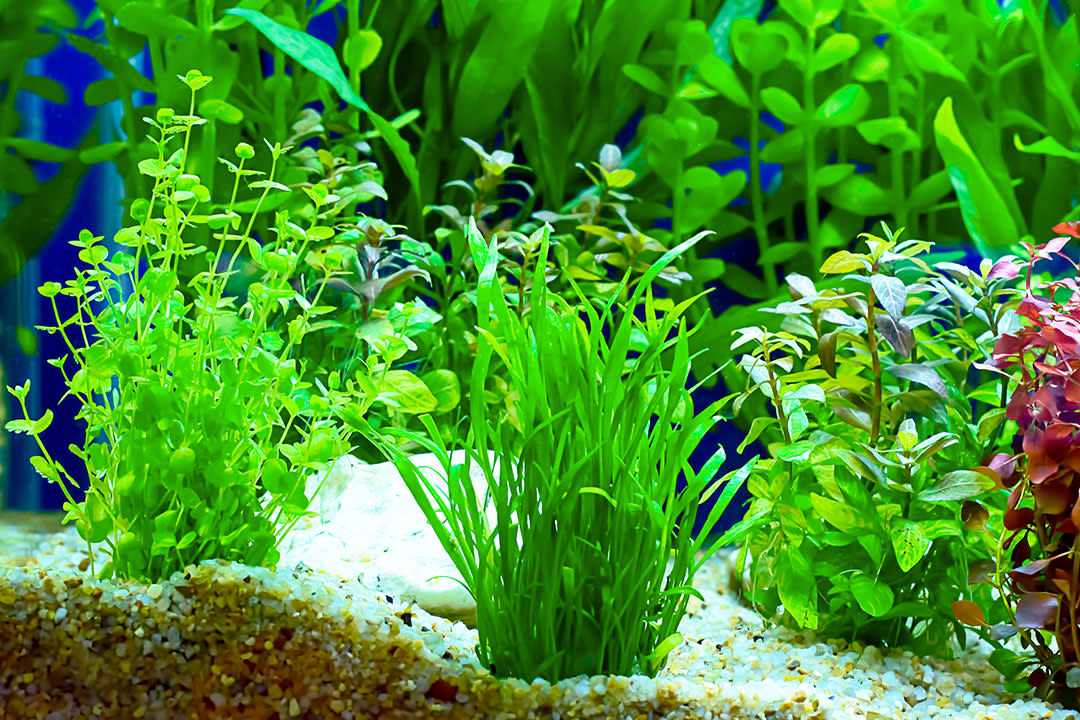
Tanks with live plants can be excellent additions to your home, bringing a touch of nature indoors. Learn how to take care of aquatic plants.
Updated on November 6th, 2025
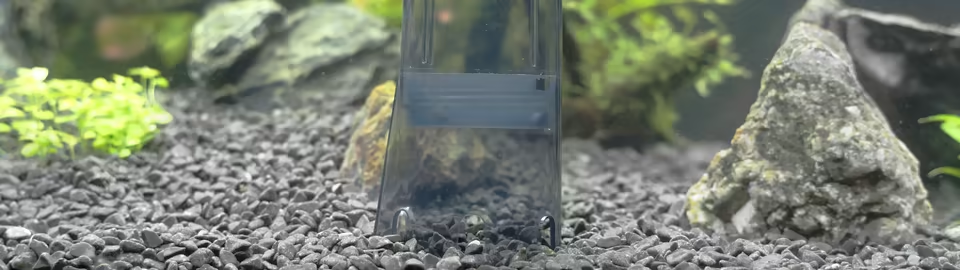
Gravel vacuuming helps remove solid waste from your substrate. Learn about the different types of gravel vacuums available & how to clean your fish tank.
Updated on October 23rd, 2025

Small, AKA “Nano” tanks have grown in popularity over the past couple years and continue to gain momentum. Find out if a mini aquarium is right for you.
Updated on October 23rd, 2025
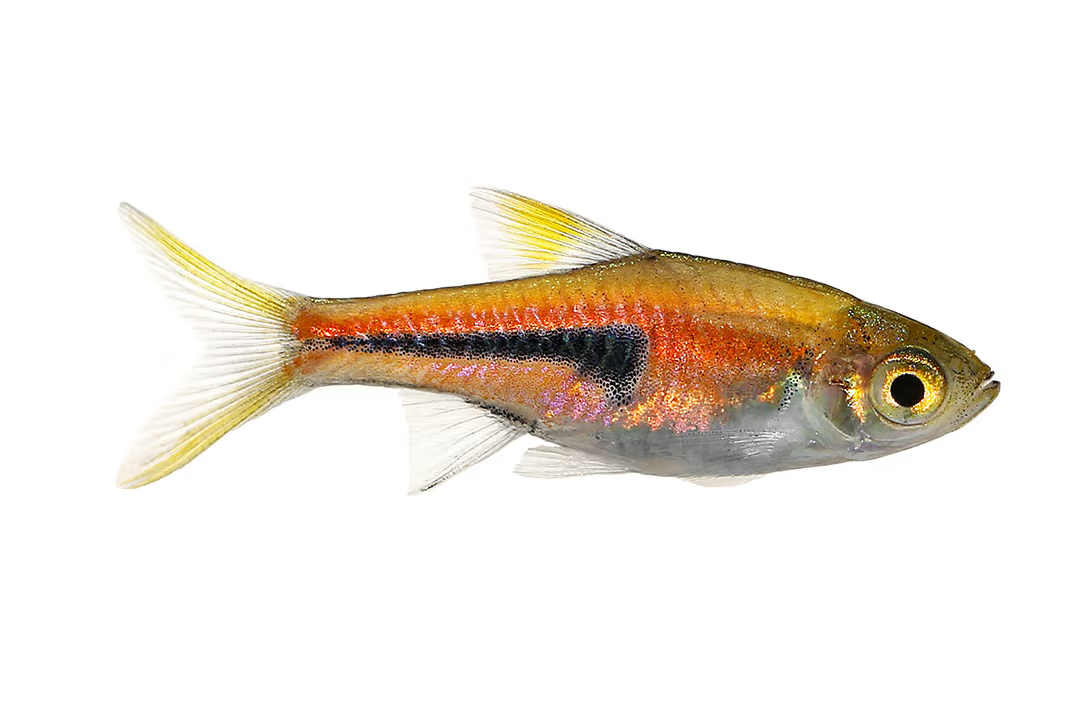
Learn how to care for semi-aggressive fish, recommended diet & aquarium setup. Find the right food, supplies & equipment at your neighborhood Petco.
Updated on December 21st, 2025
Choosing the right substrate for your aquarium is important and provides an area for beneficial bacteria to grow which keeps your aquatic environment safe.
Updated on October 23rd, 2025
Thanks for reaching out about Fishy. A UV sterilizer will only help if a bacterial component is adding to the cloudiness. More intense water changes are the best way to remove nitrates. Monitor feeding to limit excess, vacuum bottom of tank to remove degrading detritus. Good luck.
Updated on September 24th, 2025

Yes, this is fine for a Betta tank. You should still use a small filter as well as a small submersible heater to maintain water temp. Bettas do best between 78 F and 80 F. If you choose to use tap water, use an appropriate water condition to remove harmful chemicals and heavy metals.
Updated on September 24th, 2025
Hello, and thank you for using Boop by Petco. The most common (and easiest) way to clean a fish tank is with a siphon-style cleaner. Fish tanks should be cleaned in stages, generally replacing 10-15% of the water at a time. There are times where a larger cleaning might be necessary, but removing the fish and changing too much of the water at once can be quite a shock and can be dangerous to the fish, so this should be saved for only extenuating circumstances. Here's a helpful video on using a siphon cleaner: http://video.petco.com/v/18852/how-to-clean-your-aquarium-with-the-aqueon-siphon-vacuum-/ And some more reading you may find interesting on general fish tank cleaning and maintenance: http://www.firsttankguide.net/waterchange.php Hope this helps!
Updated on September 24th, 2025
A fish tank will need a filter, a light/hood and a heater. Make sure the filter is rated for at least twice the tank volume. The heater should be adjustable since water temperature will depend on the species of fish. Good "starter" fish include Tetras, Mollies, Danios or Tetras. A new tank should be set up and left running empty for several weeks before adding fish. A pinch of flake food can be sprinkled in daily. This "cycling" will allow a population of beneficial bacteria to colonize the tank and filter. These bacteria will break down wastes (ammonia, nitrites and nitrates) which are toxic to fish.
Updated on September 24th, 2025
Either may work to treat ulcers which are caused by bacterial infection. Pristine water quality is just as important, if not more so, than medication. Elevated ammonia or nitrite levels can be stressful as well as toxic. A stressed fish is more likely to become ill. Use a home test kit or submit a water sample for testing. Aim for 0 ppm ammonia and nitrites, with nitrates at 20 ppm or less. If your fish are salt tolerant, you can use aquarium salt (NOT table or Epsom salt) in conjunction with an antibiotic. Dissolve 1 teaspoon of salt per gallon of water in a cup or two of tank water and gently pour it in. This will improve gill function, reduce stress, treat minor infection and aid in recovery. Treat for no more than 14 days then perform a partial water change to decrease salinity. Use only conditioned water that is temperature matched to prevent stress or shock.
Updated on September 24th, 2025