Two Easy Ways to Start Earning Rewards!
Earn 2X Pals Rewards points at Petco
when you use Petco Pay!
Get It Today
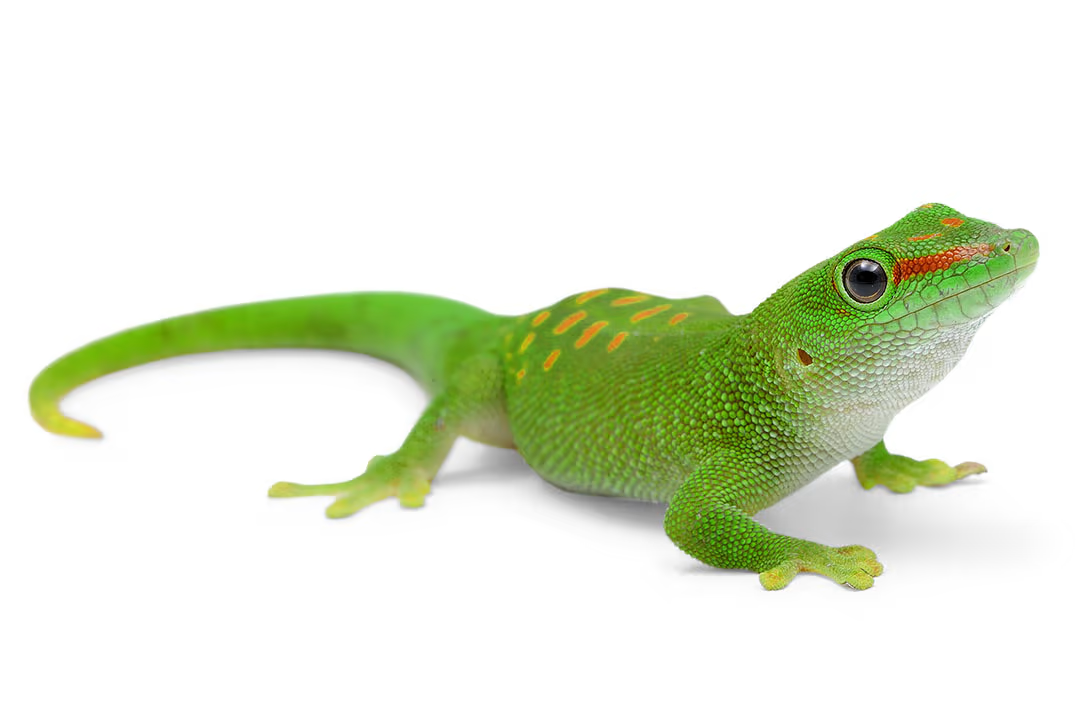
Learn how to care for a Giant Day Gecko, recommended diet & habitat setup. Find the right food, supplies & equipment at your neighborhood Petco.
Updated on November 13th, 2025
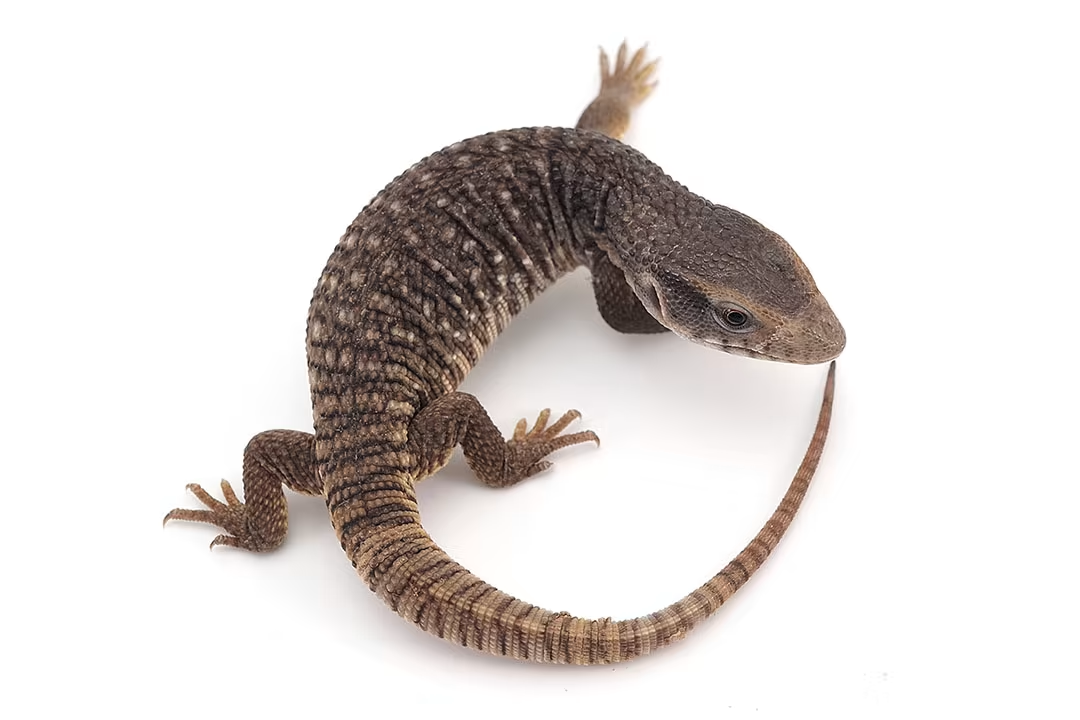
Learn how to care for a monitor lizard, recommended diet and habitat setup. Find the right food, supplies and equipment at your neighborhood Petco.
Updated on November 13th, 2025
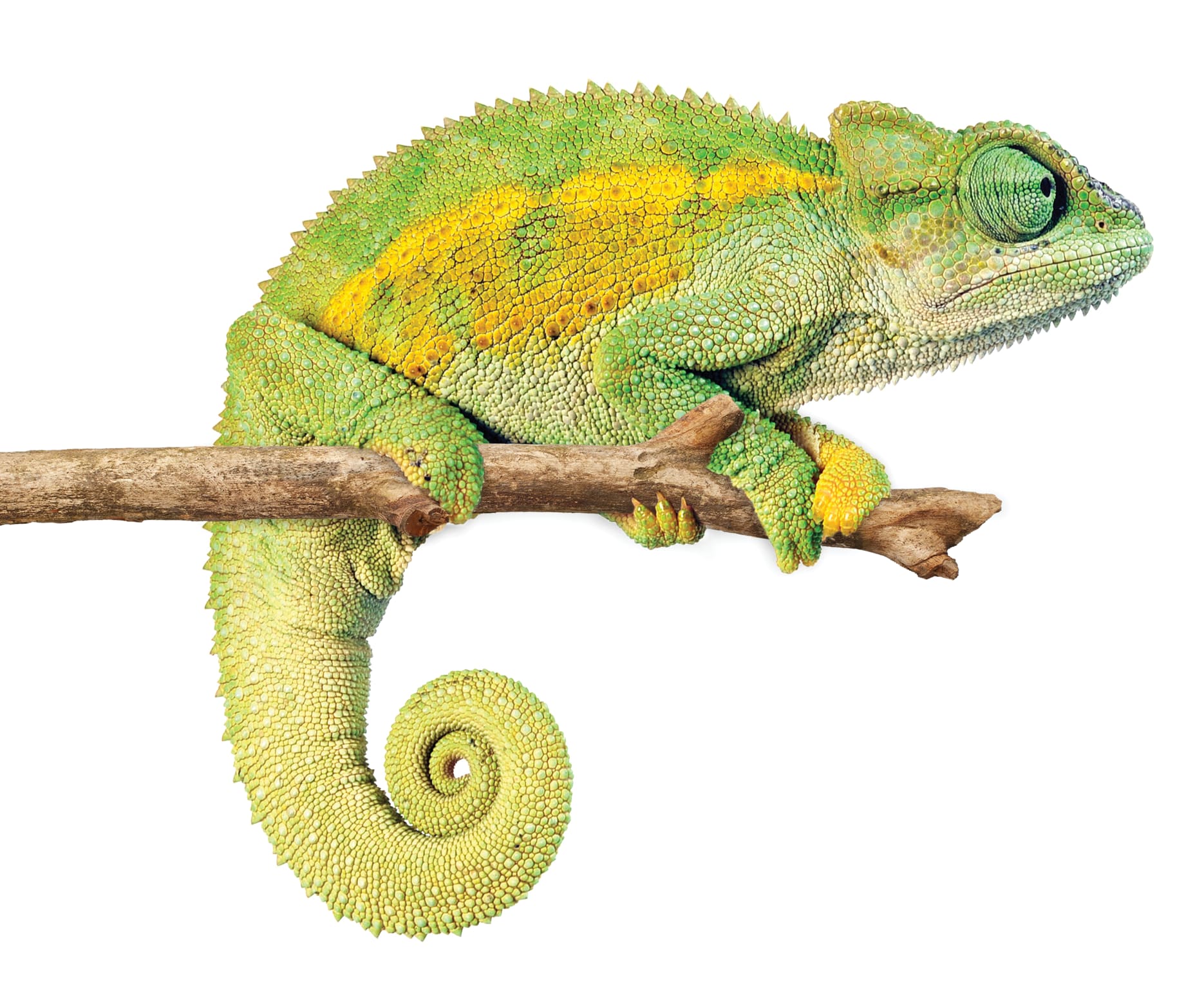
Learn how to care for cool climate Chameleons, recommended diet & habitat setup. Find the right food, supplies & equipment at your neighborhood Petco.
Updated on November 13th, 2025
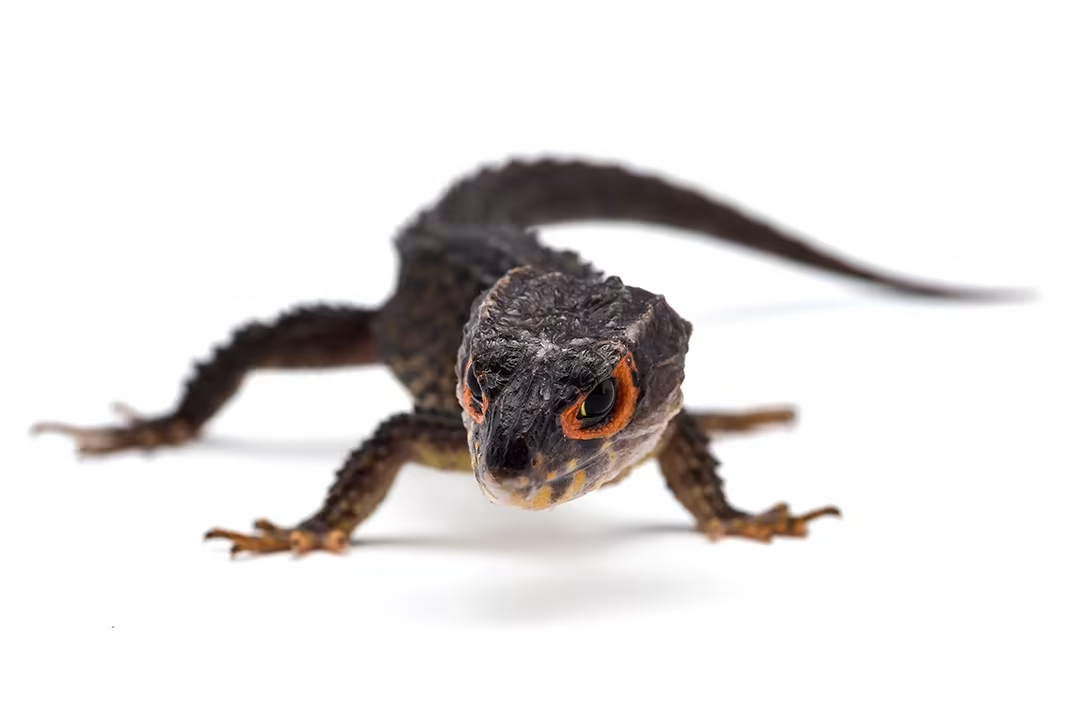
Learn how to care for Red-Eyed Crocodile Skink, recommended diet & aquarium setup. Find the right food, supplies & equipment at your neighborhood Petco.
Updated on November 13th, 2025
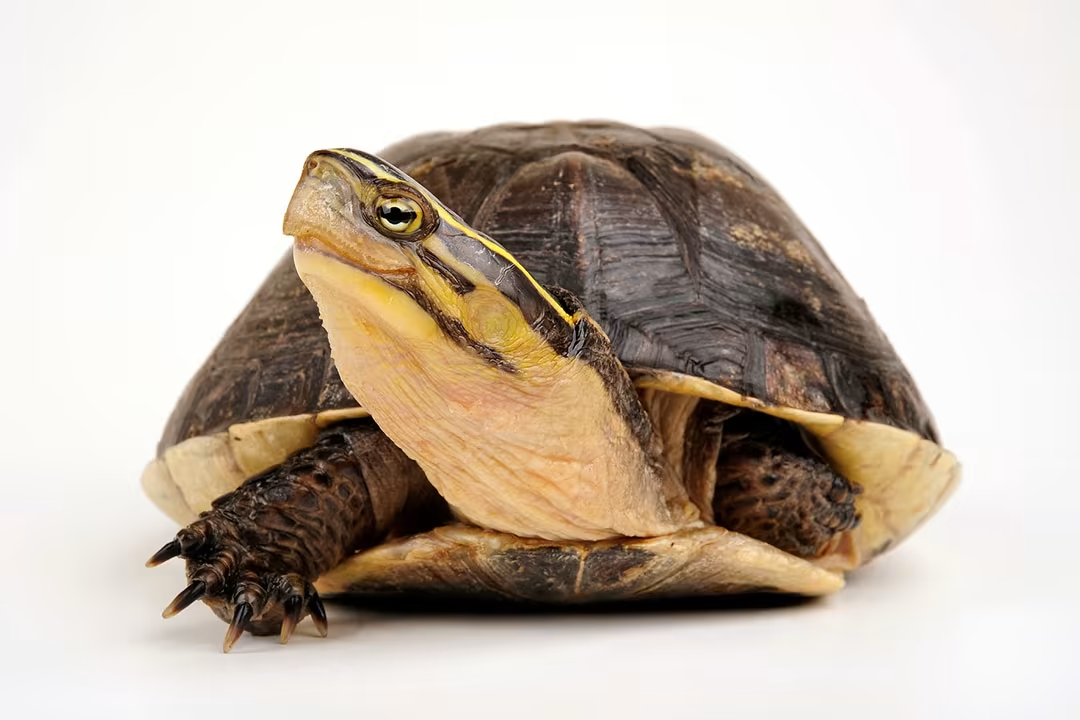
Learn how to care for terrestrial turtles, recommended diet & habitat setup. Find the right food, supplies & equipment at your neighborhood Petco.
Updated on November 13th, 2025
Submit a stool sample to your veterinarian to diagnose intestinal parasites. Offer fresh crested gecko diet daily. Repashy or Pangea are brands I recommend. You can also offer appropriately sized prey (crickets, dubia roaches, mealworms, etc). Be sure to gut load them for 24 hours prior to offering to maximize nutritional value. Confirm proper environmental parameters. Low temps can affect appetite and digestion in reptiles.
Updated on August 12th, 2025
It will take patience and consistency on your part. Spend time sitting by the cage. He may run or hide initially, but when he doesn't, place your hand in the cage for ever increasing periods of time. Once again, he may run and hide but make no attempt to touch or hold him. Once he stops running from your hand, use special food treats/prey to entice him onto your hand. Eventually, he will anticipate your presence as meaning a potential meal or treat.
Updated on August 12th, 2025
If he isn't struggling or trying to escape, he's probably okay with being held. Don't hold him for too long initially. Gradually increase the handling time to acclimate him. Even though he doesn't struggle, it may still be stressful, so he'll return to a safe place when returned to the enclosure. As he adjusts to his new surroundings, he may begin to explore. A "best guess" on age would be 12 to 16 weeks. Reptiles have different growth rates depending on diet, availability of food and environmental factors.
Updated on August 12th, 2025
Soak once or twice weekly in a warm 50/50 solution of water and unflavored PediaLyte. Feed lower protein prey (mealworms, nightcrawlers, crickets). Avoid high protein prey such as locusts, dubia roaches and waxworms. Blood work may need to be monitored to track progression. Further treatment (steroids, phosphate binders, calcium supplements, fluid therapy) will depend on status. The waxy substance may be normal secretions from the pre anal pores. This is used for marking branches and letting other geckos know who is in the area.
Updated on August 12th, 2025
If she is straining to lay, she could be egg bound. She should be examined by your veterinarian or a vet experienced in treating reptiles. Incubation time is temperature dependent but typically averages around 70 days.
Updated on August 12th, 2025