Two Easy Ways to Start Earning Rewards!
Earn 2X Pals Rewards points at Petco
when you use Petco Pay!
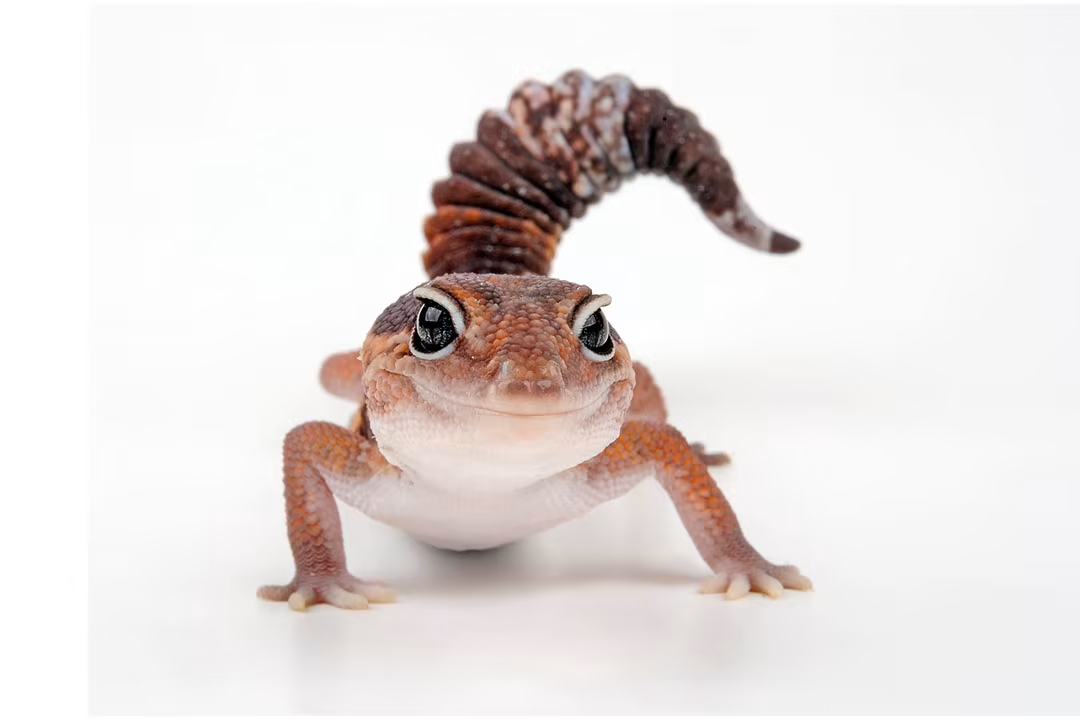
Learn how to care for tropical geckos, recommended diet & habitat setup. Find the right food, supplies & equipment at your neighborhood Petco.
Updated on November 13th, 2025
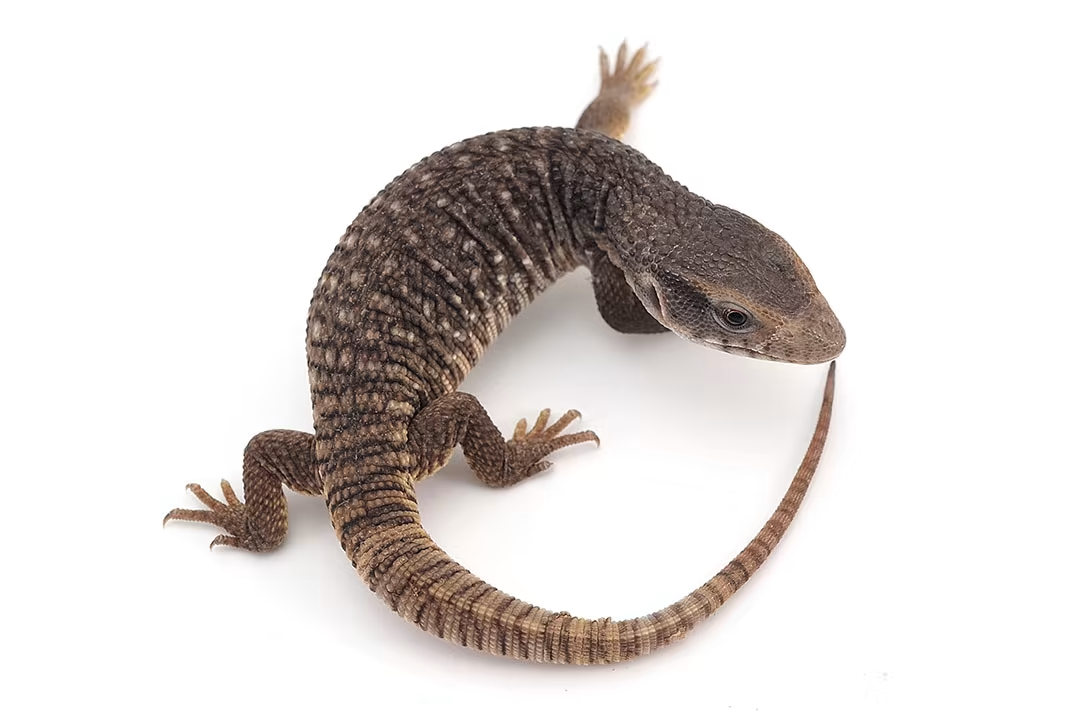
Learn how to care for a monitor lizard, recommended diet and habitat setup. Find the right food, supplies and equipment at your neighborhood Petco.
Updated on November 13th, 2025
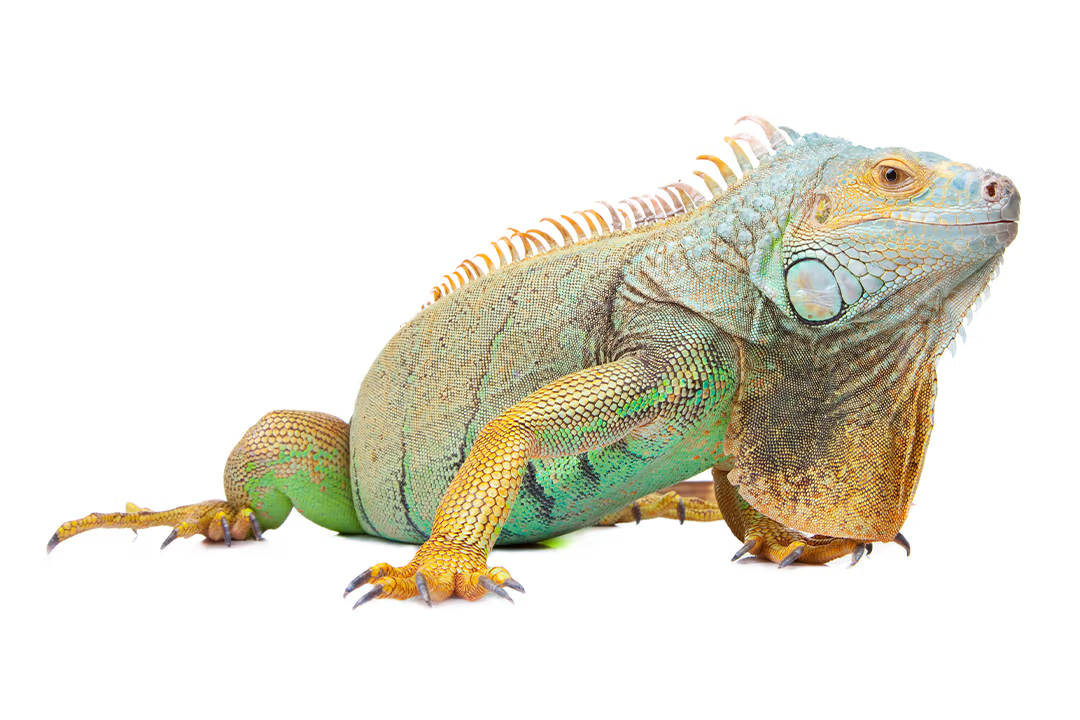
Learn how to take care of your Tropical Iguanas, recommended diet and housing setup. Find the right food, supplies and equipment at your neighborhood Petco.
Updated on November 13th, 2025
Regular cleaning and disinfecting of your pet's cage and accessories is one of the keys to keeping your reptile healthy. Learn how often you should clean your cage.
Updated on November 13th, 2025
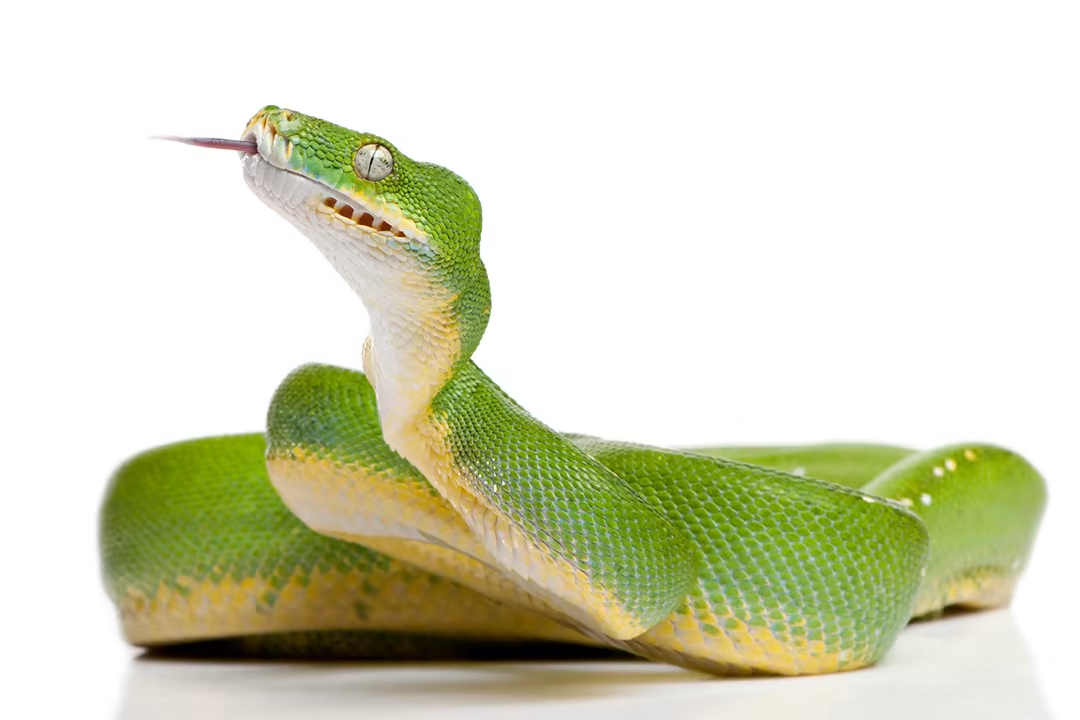
Learn how to take care of your Green Tree Python, tank size, diet & habitat setup. Find the right food, supplies and equipment at your neighborhood Petco.
Updated on November 13th, 2025
It will take patience and consistency on your part. Spend time sitting by the cage. He may run or hide initially, but when he doesn't, place your hand in the cage for ever increasing periods of time. Once again, he may run and hide but make no attempt to touch or hold him. Once he stops running from your hand, use special food treats/prey to entice him onto your hand. Eventually, he will anticipate your presence as meaning a potential meal or treat.
Updated on August 12th, 2025
Anytime a reptile becomes excessively lethargic, you must check the ambient and basking temperatures. Low temps can dramatically affect activity and appetite. Set daytime temps between 78 F and 82 F . Night temps can drop into the low 70s F. A small basking area set at around 80 F should be provided. They are nocturnal, so don't expect a lot of daytime activity. Offer a variety of appropriately sized prey (crickets, dubia roaches, etc.) as well as a commercial gecko diet. You may need to hold prey in front of him or tap his nose to elicit a strike. Do not attempt to force feed him. Soak him in a warm 50/50 solution of water and unflavored PediaLyte. Gently stroking his abdomen during the soak may produce a bowel movement if he hasn't been defecating. The soak will treat or prevent mild dehydration. If he continues to exhibit this behavior or does not start eating, have him examined by an experienced herp veterinarian. Submit a stool sample to diagnose intestinal parasites.
Updated on August 12th, 2025
It is too small to be used for much beyond transport, quarantine or temporary housing (i.e. during cleaning of main enclosure). The plastic construction does not allow for light or heat sources which most reptiles or exotic pets require.
Updated on August 12th, 2025
Consider an exam with your veterinarian or an experienced herp vet to confirm good health. Provide the proper environment and a varied diet with calcium/vitamin supplementation. Regular handling is also recommended. You can read more about general care here: http://www.anapsid.org/leopardgek.html
Updated on August 12th, 2025
Crested geckos don't "need" UVB lighting as long as they are fed a diet adequate in vitamin D3. Soak or mist him with warm water to help facilitate shedding. The cloudiness may be related to the shed or it may be due to infection or trauma. An exam with your veterinarian or a vet experienced in treating reptiles would be recommended if the cloudiness does not resolve after the shed is complete.
Updated on August 12th, 2025